
10 Things Doctors Are Not Taught About Perimenopause and Hormone Changes in Women
Written and edited by Sarah Bonza MD, MPH, FAAFP, DipABLM, NBC-HWC

Counseling women on perimenpause and menopause symtpoms
As a physician practicing women’s wellness, particularly through perimenopause and menopause, I've observed a significant gap in medical education regarding the complex changes women experience during these life stages. This lack of understanding often leads to inadequate treatment and support for women navigating these transitions. Here are ten crucial aspects of perimenopause and hormone changes that are often overlooked in medical training:
1. The Extended Duration and Varied Symptoms of Perimenopause

Tracking perimenopause and menopause symptoms
Perimenopause is not a brief transition but can last up to a decade. During this time, women may experience a range of symptoms including irregular bleeding, mood changes, weight gain, hot flashes, insomnia, night sweats, and fatigue. A study published in Menopause found that frequent vasomotor symptoms (hot flashes and night sweats) lasted more than 7 years for more than half of the women studied, persisting for 4.5 years after the final menstrual period [1].
2. The Impact of Low Ferritin Levels
Even when hemoglobin levels are normal, low ferritin can cause significant symptoms such as fatigue, weight gain, and brain fog. A study in the Archives of Dermatological Research highlighted that iron deficiency, with or without anemia, can lead to these symptoms and impact a woman's quality of life. Treating low ferritin levels, even in the absence of anemia, can lead to significant improvements in these symptoms [2].
3. The Importance of MRI Screening for Dense Breasts

Women with dense breast tissue on mammogram should be educated on receiving a breast MRI.
Women with dense breast tissue on mammograms should be offered breast MRI screening, regardless of their risk level. A study in the New England Journal of Medicine found that supplemental MRI screening in women with extremely dense breast tissue resulted in fewer interval cancers compared to mammography alone. However, it's important to note that patients may need to cover the cost of this additional screening [3].
4. The Difference Between Natural Progesterone and Synthetic Progestins

Perimenopause oral micronized progesterone versus progestins found in oral contraceptives
It's crucial to understand that natural progesterone, whether from your body's cycles or oral micronized progesterone, is not the same as synthetic progestins found in oral contraceptives. Synthetic progestins are structurally more similar to testosterone. A study in the Journal of Steroid Biochemistry and Molecular Biology highlighted these differences and their potential impacts on breast cancer risk [4].
5. Natural Hormone Cycles and Bone Health
Natural hormone cycles, particularly exposure to natural progesterone, play a vital role in bone health. Research published in Endocrine Reviews suggests that progesterone promotes bone formation and may help fortify bones. This underscores the importance of maintaining natural hormone cycles when possible [5].
6. Estrogen and Breast Cancer Risk
Contrary to common belief, estrogen alone does not cause breast cancer. A comprehensive review in the Journal of Steroid Biochemistry and Molecular Biology found that the relationship between estrogen and breast cancer is complex and depends on various factors, including the type of estrogen and the presence of progestins [4].
7. Initiating Hormone Therapy During Perimenopause

Initiating hormone therapy during menopause and perimenopause
Hormone therapy can be initiated during perimenopause if symptoms are severe enough, rather than waiting for menopause. A review in Menopause highlighted that early intervention with hormone therapy can alleviate symptoms and improve quality of life for perimenopausal women experiencing significant symptoms [6].
8. Hormone Therapy for New-Onset Depression and Anxiety in Midlife
New-onset depression and anxiety associated with menstrual cycle changes often respond better to hormone therapy than to antidepressants. A study published in the Journal of Clinical Endocrinology & Metabolism found that hormone therapy can effectively manage mood disruptions during the menopausal transition [7].
9. Proactive Treatment of Osteopenia

Benefit of natural hormone cycles, perimenopause, menopause and bone health
Doctors should take a proactive approach to treating osteopenia rather than waiting for a fracture or osteoporosis to develop. Research published in Climacteric suggests that early intervention with lifestyle changes and appropriate medications can prevent the progression of bone loss [8].
10. Estrogen's Impact on Insulin Sensitivity
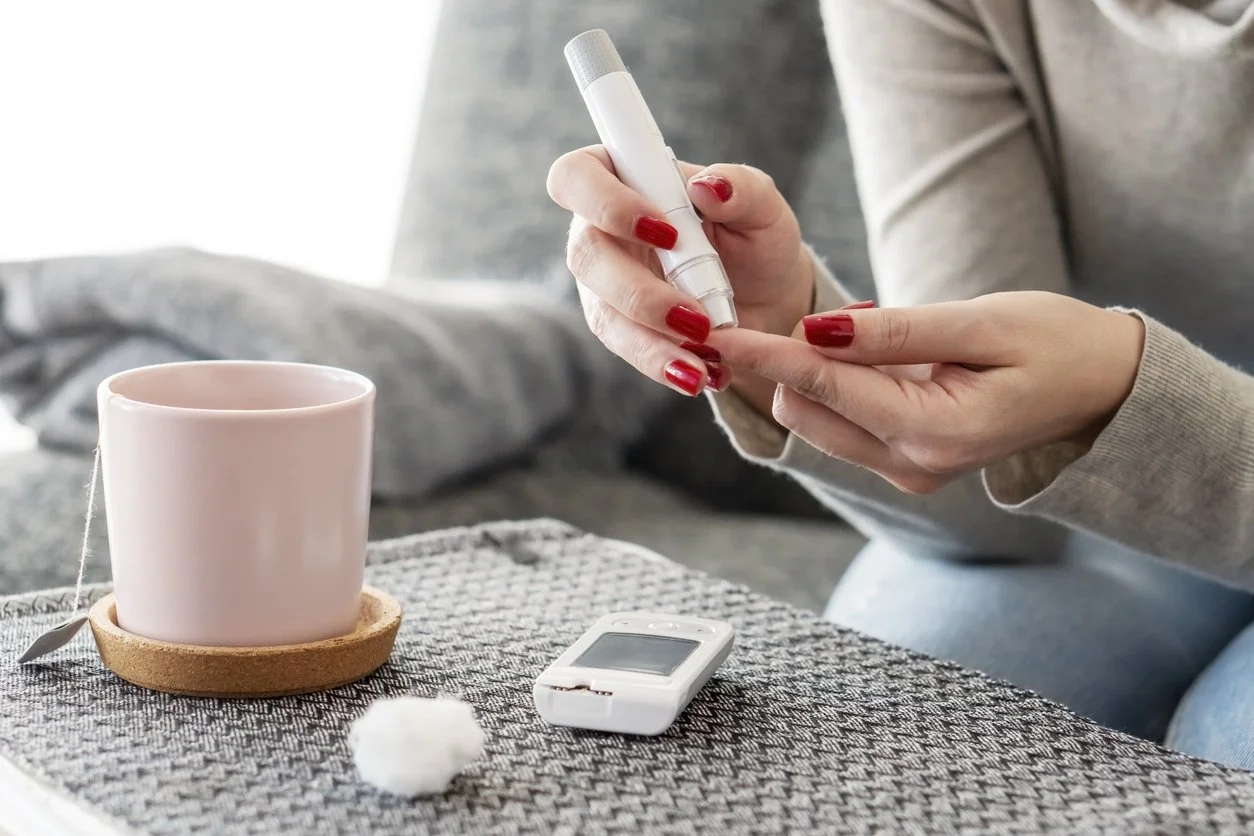
Insulin sensitivity and perimenopause
Decreased estrogen levels during perimenopause contribute to decreased insulin sensitivity, leading to metabolic changes. A review in Menopause highlighted that these hormonal changes can result in weight gain and increased risk of metabolic syndrome in perimenopausal women [9].
In conclusion, understanding these often-overlooked aspects of perimenopause and menopause is crucial for providing comprehensive care to women during these transitions. As healthcare providers, we must stay informed about the latest research and be prepared to offer appropriate treatments and support to help women navigate these significant life changes effectively.

Sign up for Fullscript to shop professional-grade perimenopause supplements.
---
REFERENCES:
(1) Duration of menopausal vasomotor symptoms over the ... - PubMed (https://pubmed.ncbi.nlm.nih.gov/25686030/)
(2) Iron Deficiency in Women's Health: New Insights into Diagnosis and ... (https://pubmed.ncbi.nlm.nih.gov/35488139/)
(2) Management of the Perimenopause - PubMed (https://pubmed.ncbi.nlm.nih.gov/29952797/)
(3) Supplemental MRI Screening for Women with Extremely Dense ... (https://pubmed.ncbi.nlm.nih.gov/31774954/)
() Prevalence of menopausal symptoms among mid-life women (https://pubmed.ncbi.nlm.nih.gov/26271251/)
(4) Progesterone vs. synthetic progestins and the risk of breast cancer (https://pubmed.ncbi.nlm.nih.gov/27456847/)
(5) Progesterone as a bone-trophic hormone - PubMed (https://pubmed.ncbi.nlm.nih.gov/2194787/)
(6) Management of Menopausal Symptoms: A Review - PubMed (https://pubmed.ncbi.nlm.nih.gov/36749328/)
(5) Effect of iron supplementation on fatigue in nonanemic menstruating ... (https://pubmed.ncbi.nlm.nih.gov/22777991/)
(6) The effect of iron deficiency and anaemia on women's health (https://pubmed.ncbi.nlm.nih.gov/33682105/)
(7) The Menopause Transition: Signs, Symptoms, and Management ... (https://pubmed.ncbi.nlm.nih.gov/33095879/)
(8) Progesterone for the prevention and treatment of osteoporosis in ... (https://pubmed.ncbi.nlm.nih.gov/29962257/)
(9) Management of Menopausal Symptoms: A Review - PubMed (https://pubmed.ncbi.nlm.nih.gov/36749328/)
