
Hormones 101: The Role Your Hormone Levels Play In Tandem With Your Mood
During menopause, our bodies go through lots of changes. As we age, our hormones also change. It's important to understand how these hormonal fluctuations can affect our moods and emotions because these drastic shifts in hormone levels can have a significant impact on us both physically and mentally. In this menopause guide, I'll take you through the different hormones that are affected most during menopause - estrogen, testosterone, cortisol and thyroid hormones - and explain what their roles are in the body as well as how they contribute to changes in brain chemistry and overall emotional wellness. By exploring how your changing hormones correlate with your brain health during this transition period of life-altering transformation, you may be better able to cope with any emotional dips or surges you experience.

Introducing Menopause: What is Cause of Menopause Symptoms and How Does it Affect Your Hormone Levels
Menopause is a natural transition that all women experience, typically in their 40s and 50s. During this period, changes occur in the woman's body that can affect mood and hormone levels. Estrogen and progesterone production slows during menopause, while testosterone and cortisol levels remain relatively stable. When in menopause, estrogen levels decrease which result in an increase in thyroid hormones as well as changes to vaginal tissue which can become drier, thinner and less elastic. All of these changes can have an impact on feelings of wellbeing as well as mental clarity due to decreased neurotransmitter communication stemming from differences in the ratios of the various hormone levels. The combination of physical and psychological effects caused by menopause can be difficult to manage for many women, however there are resources available to help them cope with these difficult changes in order to maintain healthy lifestyles and mental health during this time of transition.
Estrogen’s Role in Menopause and Mood Changes
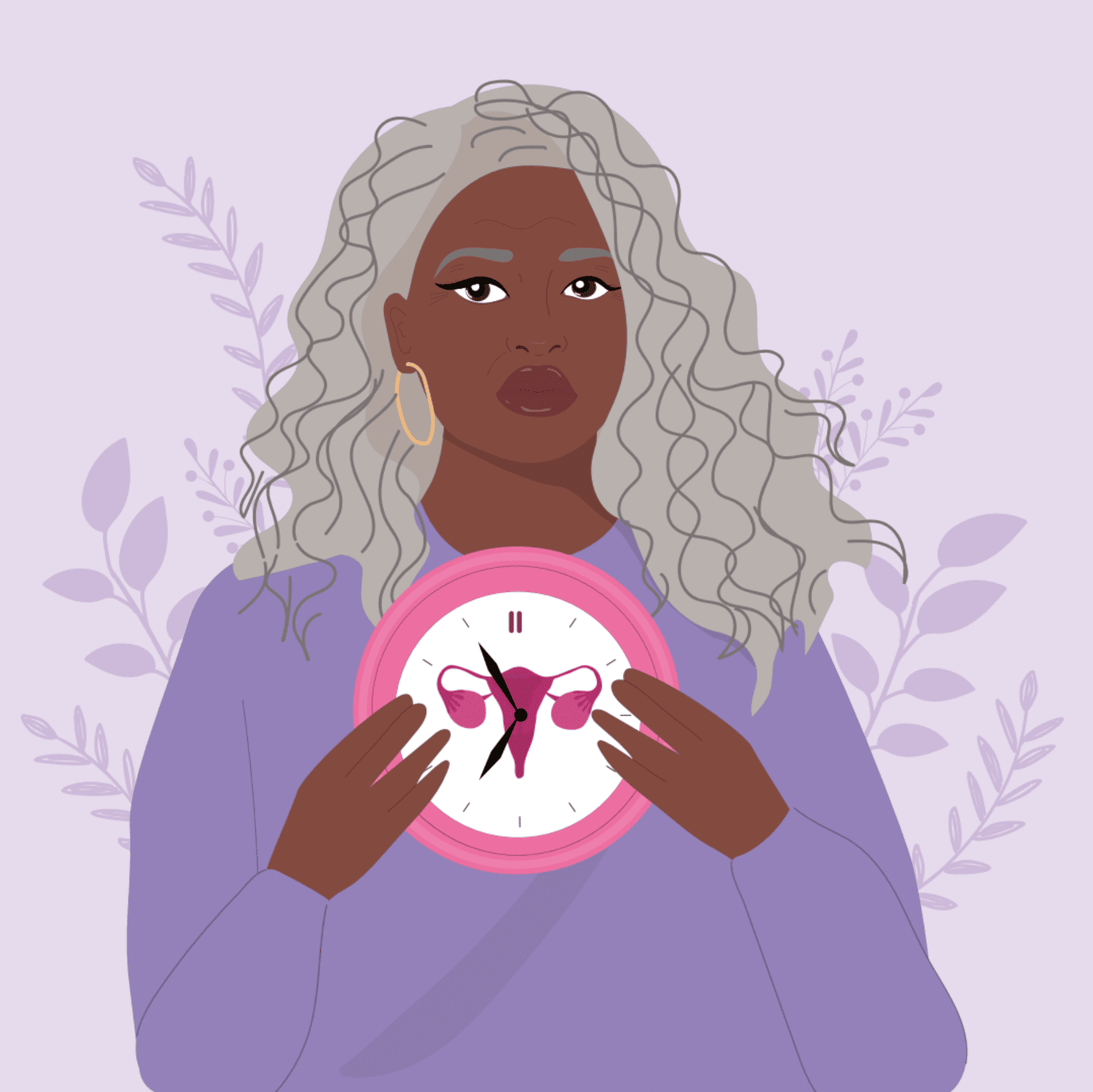
Estrogen is one of the main hormones which changes significantly during menopause in women. As production of estrogen decreases, it can lead to sleep disturbances and fatigue, as well as memory problems that could alter mood. Additionally, estrogen is known to help regulate other hormones such as testosterone, cortisol, and thyroid hormones; all of these hormones are essential for proper brain functioning and a balanced emotional state. Women should be aware that the changes in hormone levels may contribute to drastic shifts in their mental health in menopause, although there are steps they can take to address these symptoms.
Testosterone's Impact on Brain Chemistry During Menopause
Menopause can be a difficult time for many women, as it involves big changes to hormones like estrogen, testosterone, cortisol and thyroid hormones. Testosterone in particular has a substantial impact on brain chemistry during this period. Studies have found that lower levels of testosterone are correlated with higher levels of depression during menopause, while increased levels of testosterone can help lessen feelings of social isolation. A decrease in overall hormone levels has been associated with declines in cognitive abilities and memory, something that can be addressed through hormonal treatments or supplements. Menopause is challenging, but understanding how the changing balance of hormones impacts the brain and mood can help equip women to recognize symptoms and make better decisions regarding their health.

How Cortisol Fluctuations During Menopause Affect Emotions
During menopause, women may experience a stressful fluctuation of cortisol levels. Cortisol is known as the stress hormone and is released when the body feels disrupted, panicked or aroused. Women with fluctuating levels during menopause can have increased anxiety, irritability and depression. It has been revealed through research that cognitive decline can also be associated with these fluctuations, leading to issues like forgetfulness. Due to the intricate relationship between physical hormones and emotional health, it is important for women to actively monitor their mental wellbeing during this transitional period of life.
The Effects of Thyroid Hormone Changes on Moods During Menopause
During menopause, changes in thyroid hormones can impact a woman's brain and mood. As estrogen, testosterone, and cortisol levels decrease during this period of transition, levels of the hormone thyroxine (T4) and triiodothyronine (T3) also begin to fluctuate. An imbalance in these hormones can manifest as depression, anxiety, morale changes, and even occasional malaise. Women in particular may find that their moods become far less stable than before. It is important to note that these changes are usually temporary but can become more serious if taken lightly. By managing thyroid hormones with medical advice and support from loved ones, women can take control of how their body reacts to the hormonal environment of menopause.

Nutritional Supplements to Promote Balance During Menopause
As many women age, they can experience drastic changes in their hormone levels throughout menopause. Estrogen and testosterone will decrease while cortisol and thyroid hormones can increase or fluctuate inconsistently. This hormonal imbalance can lead to a wide range of health issues and mood changes. One way to help regulate your body’s hormones is through nutritional supplements. These specific supplements are tailored to support the condition of menopause and contain natural ingredients that have been proven to promote balance in aging women. Taking daily doses of these specially made supplements can be a natural and healthy way for women to help regain composure during this transitional stage of their lives.
Menopause is a natural, but often disruptive life transition that has long lasting impacts on a woman's body and general wellbeing. With varying levels of hormones such as estrogen, testosterone, cortisol and thyroid hormones can cause drastic mood changes among menopausal women. By understanding the physiological changes that take place in their own body during this phase, women will have greater control over managing symptoms associated with menopause. Although the rollercoaster ride of this phase in life can create a sense of feeling out of balance and off-kilter, by taking the time to observe one's own signs and signals, and adapting lifestyle habits accordingly, it is possible for women to still feel vibrantly alive during this transitional stage through healthy practices and self-care. For women, menopause can be managed with supplements like magnesium, omega 3 fatty acids, selenium and vitamin D are also beneficial supportive tools to add in to any holistic routine while dealing with the repercussions of fluctuating hormone levels during menopause. Ultimately, embracing these changes with openhearted acceptance will be most beneficial journey towards restoring harmony every step of the way.
