Revitalize Your Energy During Perimenopause with the Top Natural Supplements for Fatigue and Stress Relief

Original thought written and edited by Sarah Bonza MD with some AI enhancement
Stress is a ubiquitous aspect of modern life. Every day, there are obligations to meet, to-do lists to check off, errands to run, and chores to complete to keep life running smoothly. We are pulled in many different directions between family, work, the home, friends, and personal health and goals.
Even in perfect health, it can take significant stamina for the average person to keep up with the demands of life. A health issue can throw a serious wrench in the equation.
For many women, the myriad of new symptoms that accompany the menopausal transition can be particularly challenging. Brain fog, fatigue, mood swings, poor sleep due to hot flashes, etc. can make keeping up a real struggle.
Menopause can cause a shift in the neurotransmitters in the brain that contribute to positive mood and stress resilience. Many menopausal women report feeling like they have a shorter fuse than before. A cascade of stress and anger can be set off by even small inconveniences and setbacks.
Missing your old self that was cool as a cucumber under pressure? You are not alone. Menopause can feel like a brick wall separating you from the productive, energy-filled life you once knew.
Even worse, your physician might simply shrug off your symptoms as normal age-related changes. However, intuitively, you know it’s possible to have vibrant health and energy at all stages of life.
Functional medicine strives to connect people with their inherent ability to thrive. Health is more than the absence of disease, it’s also reaching your optimal potential to feel great.
Understanding Adrenal Fatigue

We cannot understand the stress response without understanding the adrenal glands.
The adrenals sit on top of the kidneys and produce stress hormones including cortisol, epinephrine, and norepinephrine. These chemicals raise blood pressure, stimulate the heart, raise blood sugar, dilate the pupils, and increase focus. All of the physiological effects of these chemicals the adrenals secrete help the body to take on stressful situations.
If stress does not subside and the adrenal glands must work overtime to produce stress hormones, eventually, they will become inefficient at meeting the demand. This process is called adrenal fatigue and there are various stages. Keep in mind the mood and neurotransmitter shifts and symptoms of menopause make women especially vulnerable to experiencing adrenal fatigue.
Before getting into the stages of adrenal fatigue, we will discuss the common symptoms of adrenal fatigue.
Fatigue regardless of how much sleep you get
Weight gain, particularly around the middle
Increased napping
Hair loss
Zero libido
Salt cravings
Stage 1 Adrenal Fatigue
The first stage in the progression of adrenal fatigue involves higher than normal stress levels which do not remit often or long enough to allow the body to recover.
There are two branches of activity in the nervous system. The first is the sympathetic nervous system, otherwise known as the fight-or-flight response. The second is the parasympathetic nervous system, which is nicknamed the rest-and-digest part of the nervous system. If the sympathetic nervous system is being activated, it must be followed by enough time in the parasympathetic phase to stay balanced and maintain healthy stress resilience.
Cortisol, epinephrine, and norepinephrine levels are higher than average for stage 1 adrenal fatigue patients. Stage 1 adrenal fatigue can be caught on saliva or urine adrenal testing, which can be done at home with a kit.
This phase of adrenal fatigue is the easiest to treat if caught early.
Stage 2 Adrenal Fatigue
If stress and overwhelm continue to persist, cortisol output from the adrenal glands starts to become dysfunctional. Typically, cortisol levels will start to dip at some point during the day.
Some people will be affected in the morning and experience a lot of difficulty getting out of bed. Others will feel the early afternoon slump, with an increased need for naps being a good sign you fall in this category.

Some women will notice they crash in the evening, often hardly able to stay awake after dinner.
On adrenal testing, stage 2 can take various patterns however the signature of stage 2 adrenal fatigue is that cortisol levels do not follow the normal curve of being highest in the morning and lowest at night. Despite high levels of cortisol in stage 1 adrenal fatigue, the expected pattern of cortisol is maintained.
Stage 3 Adrenal Fatigue
Adrenal exhaustion happens in stage 3, with cortisol levels flattening out throughout the day. Adrenal function testing can be helpful with functional labs to determine if you are at this stage, since each stage of adrenal fatigue should be treated differently.
Best Supplements for Adrenal Fatigue
L-Theanine
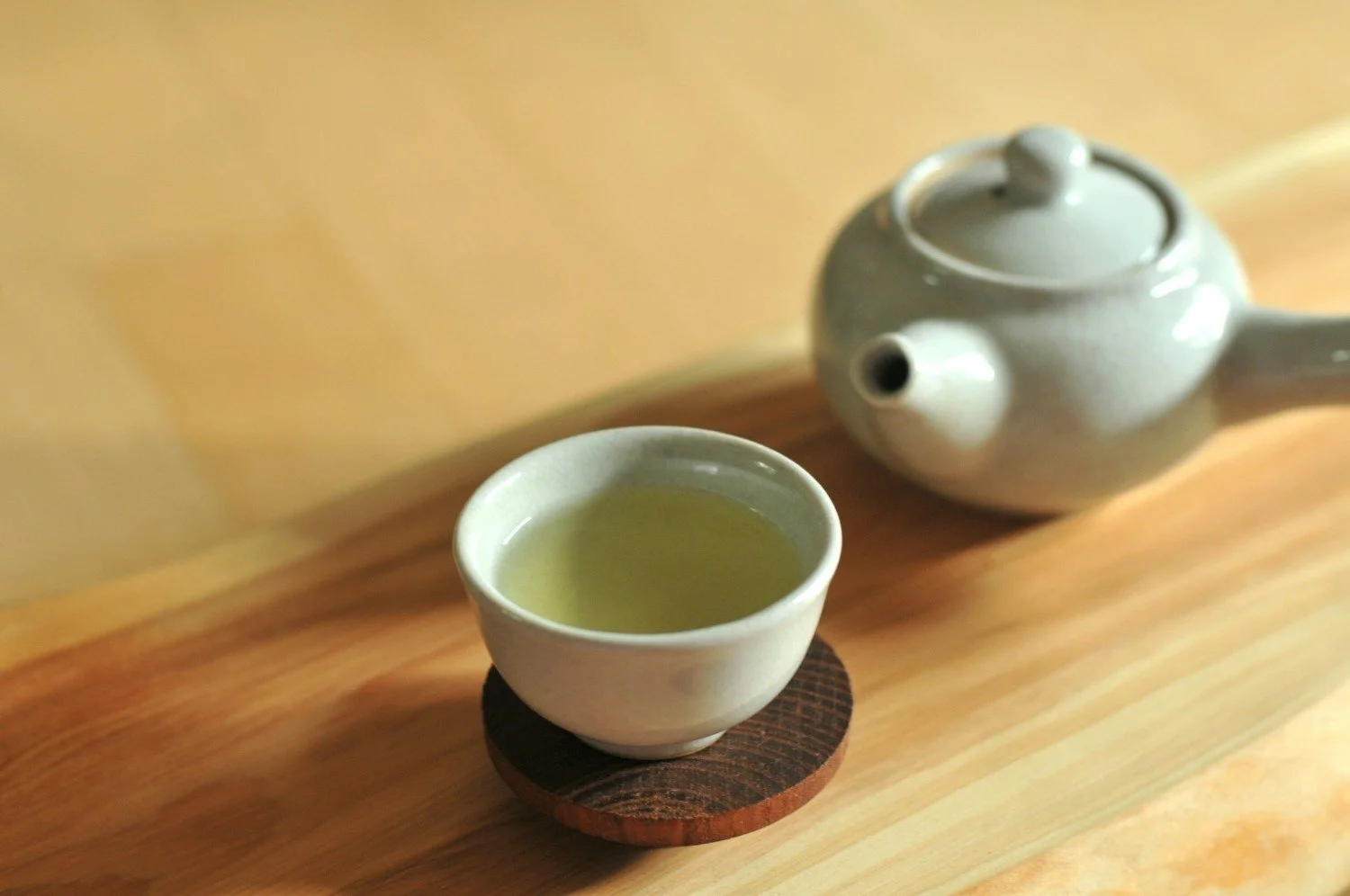
An extract of green tea, l-theanine is an amino acid that is well-researched to benefit stress-related symptoms. On a brain scan called an EEG, l-theanine encourages more alpha-wave brain activity. Alpha waves are active in the brain at rest and during meditative states. Alpha-waves have been researched to reduce depression and correlate to a calm state of mind.
Phosphatidylserine
Phosphatidylserine is a fatty substance abundant in cell membranes and the brain. Phosphatidylserine can be found naturally in foods such as soy or organ meats. This lipid blunts the release of cortisol in response to emotional stress. Phosphatidylserine also has impressive research for protecting against cognitive decline, likely due to it’s positive impacts on brain health and brain cell signaling.
Lavender Oil
Lavender is not only a divine-smelling herb with bright purple blooms, it is also a medicinal plant. From an aromatherapy standpoint, lavender is calming and soothing to the nerves. Many people aren’t aware that lavender can be taken internally and is well-studied for anxiety, depression, and stress relief.

Relora
Relora is a proprietary blend of magnolia and phellodendron, which are both medicinal plants. When compared to placebo, Relora has been studied to significantly lower saliva cortisol levels. Relora was also studied to significantly lower anger, fatigue, and depression.
Ashwagandha
Ashwagandha is an ancient Ayurvedic herb whose traditional medicinal uses come from India. Ashwagandha has been studied to lower cortisol levels when compared to placebo. Ashwagandha also has benefits for inducing sleep, which is beneficial for many menopausal women dealing with hormone-related insomnia.
B Complex
B vitamins are water-soluble vitamins that are essential for many biological processes in the body. B vitamins are often added in high amounts in energy drinks due to their energy-promoting effects. B12 is an example of a B vitamin many are familiar with, and some people require supplementation with this vitamin such as vegetarians and vegans since B12 is mostly derived from animal sources. All of the B vitamins work synergistically; therefore, a complex is superior to taking a single B vitamin on its own.

Conclusion
Give yourself the gift of optimal health with the help of functional medicine. Relief is possible from menopause-related fatigue with natural, safe, and noninvasive ingredients. Life does not slow down for menopause and neither should you. Feeling disconnected from the energy-filled, productive life you had before menopause is a thing of the past with the proper support. Take the first step on optimal health through middle age and beyond with research-backed, natural medicines.
All the recommendations above should be initiated under the guidance of a medical doctor. Botanicals and nutraceuticals can interact with prescribed medications or be contraindicated for certain medical conditions, so they should only be started under medical guidance.
Join Dr. Sarah Bonza’s Fullscript Dispensary to access her doctor-recommended supplements to help you navigate perimenopause and menopause with more ease and confidence!