Unpacking the Concept of Estrogen Dominance: A Closer Look
You may have heard the term "estrogen dominance" thrown around in women's health discussions, but is it truly a valid medical concept? This blog aims to take a deep dive into this topic and shed light on a more nuanced understanding of estrogen and progesterone balance.
What is Estrogen Dominance?
The term estrogen dominance refers to a state of high estrogen in relation to progesterone. While it's often used to describe certain health conditions, it's important to note that it's not a recognized medical term. The validity of this term is therefore called into question, as it fails to provide a comprehensive understanding of hormone balance.
Normal Hormone Function
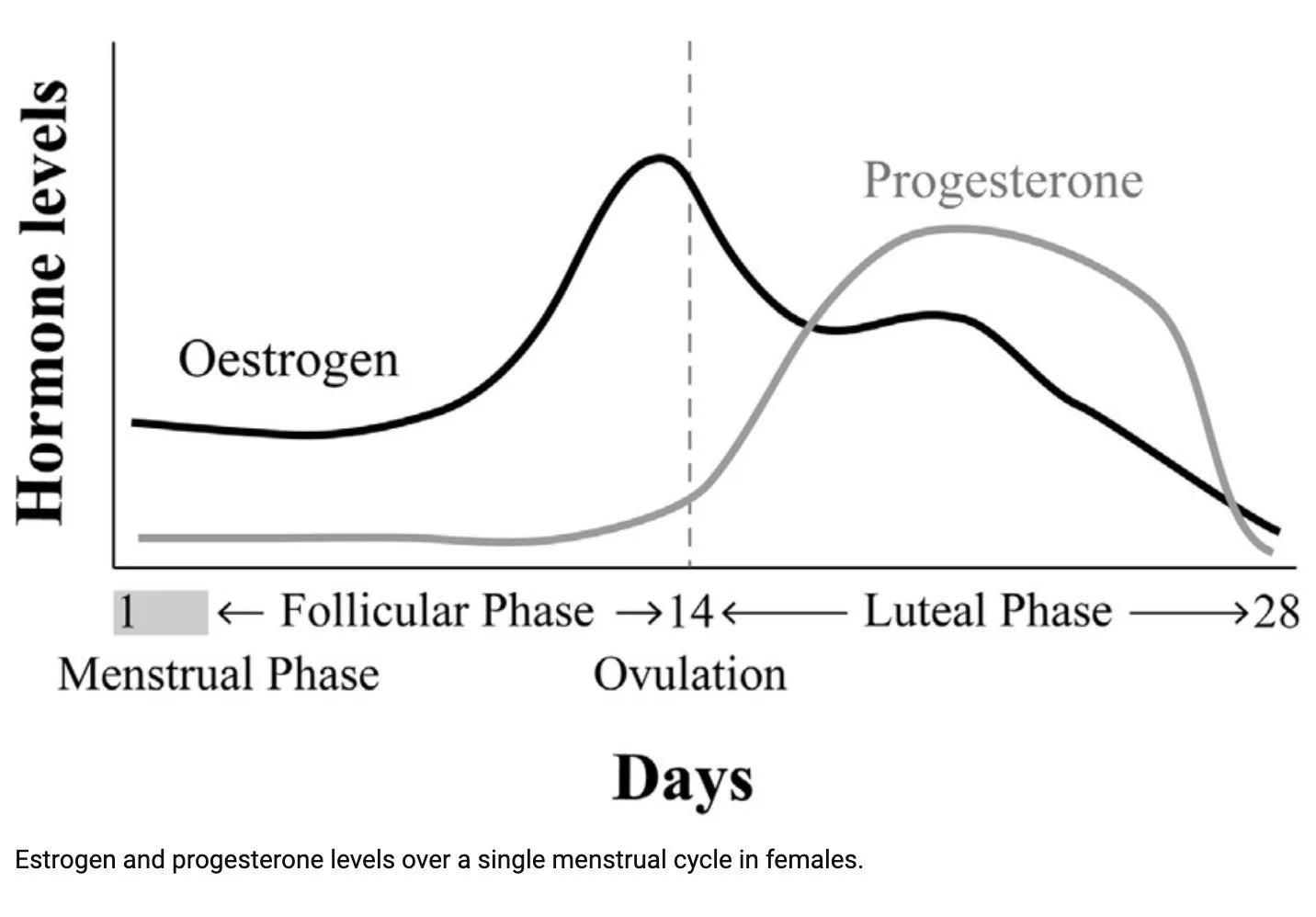
To fully comprehend the concept of estrogen dominance, we must first understand normal hormone function. During the follicular phase, which is the first two to three weeks of the menstrual cycle, it is perfectly normal to have little to no progesterone. In fact, progesterone is always low during this phase. This is because your body only produces progesterone for the final ten to 14 days after ovulation. Therefore, if you have a long cycle, you will naturally have at least three weeks with estrogen but no progesterone.
The Significance of Progesterone
"No progesterone" and "low progesterone" are two different conditions that need to be differentiated. The absence of progesterone primarily indicates a lack of ovulation or anovulation. The main reason to test progesterone levels is to determine whether ovulation has occurred.
A progesterone reading within the ten days before the period should be at least 1.8 ng/mL (5.5 nmol/L). If it's not, you likely did not ovulate. This anovulation is not indicative of progesterone deficiency but rather a condition like Polycystic Ovary Syndrome (PCOS), the most common reason for anovulation.
On the other hand, low progesterone occurs when a progesterone reading within the ten days before the period is only slightly above the lower limit. Be cautious when interpreting these results as a low reading could simply reflect a dip in progesterone’s 90-minute pulse.
Signs and symptoms of progesterone deficiency can include premenstrual spotting, PMS, and heavy bleeding. If you experience chronic progesterone deficiency, it is important to improve your ovarian follicle health, and you may even consider taking natural progesterone supplements.
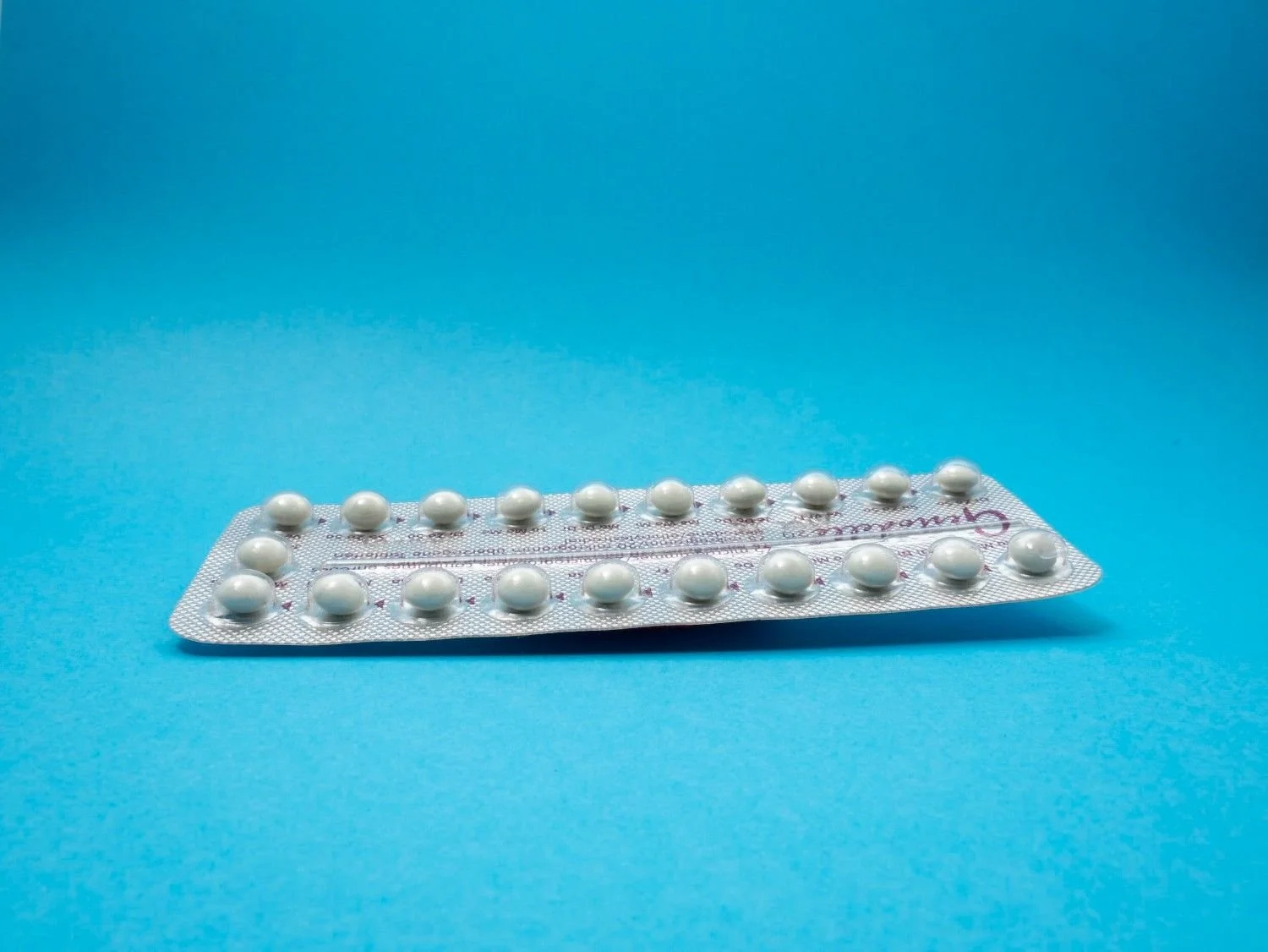
It's essential to remember that there is no progesterone in any form of birth control, a fact that is often overlooked.

The Positive Role of Estrogen
Despite the common misunderstandings, estrogen plays a vital role in maintaining overall health. Estradiol, a form of estrogen, is beneficial for skin, mood, brain, gut, mitochondria, immune function, and heart health. Furthermore, estrogen promotes a healthy weight by improving muscle function and insulin sensitivity. The loss of estradiol is a key factor leading to abdominal weight gain during menopause.
Estrogen levels fluctuate throughout the menstrual cycle. It is normal to have low estrogen levels in the first few days of the cycle, with levels peaking a few days before ovulation. Misconceptions regarding "estrogen dominance" symptoms might instead be attributed to a histamine or mast cell reaction.
Moving Beyond Estrogen Dominance
The terms "estrogen dominance," "low progesterone," and "no progesterone" are oversimplified descriptors that can lead to confusion and misunderstanding. A more accurate representation of women's hormonal health could be achieved through terms like anovulation, progesterone deficiency, and estrogen excess.
Understanding the delicate hormonal balance
In women, understanding changing hormones is crucial for maintaining optimal health and well-being. In the case of diseases like endometriosis, the condition is influenced by estrogen, but it is fundamentally an inflammatory disease. This further underlines the need for precise and accurate terminology to describe and address women's hormonal health.
Approaching Treatment Strategically
Identifying and treating the root cause of hormonal imbalances is essential. If a lack of ovulation is causing a progesterone deficiency, strategies to stimulate regular ovulation, such as lifestyle changes, nutritional adjustments, and potentially medication, may be considered. If estrogen excess is suspected, the cause of this excess should be investigated and addressed.
For individuals experiencing chronic progesterone deficiency, measures to improve ovarian follicle health could be beneficial. Additionally, natural progesterone supplementation may be considered, ideally under the guidance of a healthcare provider. It's also important to note that all forms of birth control lack progesterone, so users of these methods should keep this in mind when considering their hormonal health.
Conclusion
While the term "estrogen dominance" has been popularized, it's clear that it oversimplifies the complexity of hormonal balance and could potentially mislead women in understanding their health. Instead, adopting a more nuanced understanding and usage of terms like anovulation, progesterone deficiency, and estrogen excess can more accurately describe the range of hormonal states women may experience. Furthermore, shifting focus towards treating root causes of hormonal imbalances, rather than labeling and managing symptoms, is a crucial step towards improving women's health outcomes.

Remember, understanding your hormones is empowering. If you believe you are dealing with hormonal imbalances, consider seeking the help of a healthcare provider who specializes in women's health and hormonal balance. This professional can guide you in making informed decisions about your health, including appropriate testing, treatment strategies, and management options.