
What It Means to Be a Strong Woman
Written and edited by Sarah Bonza MD, MPH, FAAFP, MSCP, DipABLM, NBC-HWC
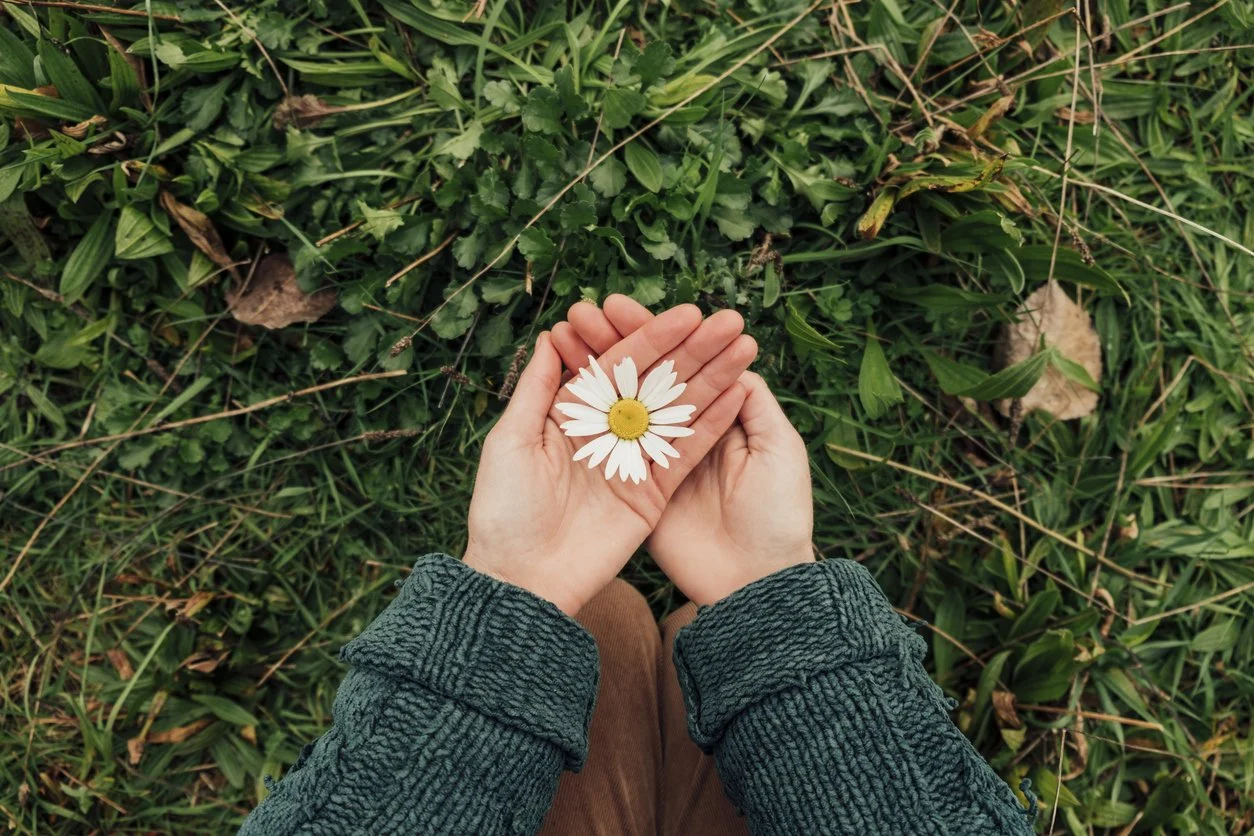
Women entering the perimenopause and menopause phase of life posess multidimensional strength
I’ve had the honor of caring for women who carry a remarkable kind of strength—one that goes far beyond physical power or toned muscles. It’s a multidimensional strength of spirit, self-belief, and knowledge. Over the years, I’ve seen countless examples of resilience in my practice, and I’ve learned that there’s no single way to define what it means to be strong. We each carry our own stories of courage, heartbreak, triumph, and healing.
Many of the women I meet have been dismissed or misunderstood by doctors who said there was nothing to be done about perimenopause or menopause. Others have been handed misguided instructions to eat less and “deal” with hot flashes, mood swings, or sleepless nights, as if these concerns were little more than an inconvenience. I’ve listened to women who are caregivers for children with disabilities, single mothers struggling to maintain a sense of balance amid toxic circumstances, and widows finding new footing after the loss of a partner. Despite these hardships, they keep showing up for themselves and those they love.
The changes we experience with shifting hormone levels may feel disheartening—skin doesn’t look the same, our midsections soften, and fatigue sets in more easily. But none of these realities diminish our worth. Our bodies are going through natural transitions, and there are meaningful steps we can take to support our bones, minds, hearts, and overall health. Strength is not about pretending we never struggle; it’s about knowing we have the right to seek answers, ask for help, and prioritize our well-being.
There is an unspoken camaraderie among women who refuse to let age or societal pressure silence their needs. We choose to lift weights, nourish our bodies with wholesome foods, share encouragement, and refuse to accept dismissal. We reach for treatments that address our symptoms and prevent future issues, whether they involve hormone therapy, better nutrition, or more rest. We do this with an understanding that caring for ourselves is not a selfish act—it’s an act of love for our families, our communities, and most importantly, for ourselves.
For anyone reading this who feels ignored or belittled by a medical system that doesn’t always listen: I see you. You have every right to search for care that respects your concerns. Don’t ever let anyone convince you that “nothing can be done” when it comes to your health. While these changes are part of life, they don’t have to rob you of energy or joy. This is your chance to live on your terms, grow stronger, and cultivate a version of well-being that fits where you are right now.
If you’re looking for a place where you can find support and validation, I invite you to subscribe. I’ve built a space where women can join forces, share real stories, compare notes on treatment options, and come away feeling heard. Together, we can keep lifting each other up, rewriting old narratives about what it means to grow older, and standing firm in the knowledge that we are anything but finished. We are strong women, and we have so much more ahead of us.

Sign up for Fullscript to shop professional-grade perimenopause supplements.
