
Healthy Eating Habits During Menopause: Nourishing Your Body Through Change
Written and edited by Sarah Bonza MD, MPH, MSCP, FAAFP, DipABLM, NBC-HWC

Healthy eating in perimenopause
Menopause is a significant milestone in a woman's life, signaling the end of reproductive years. This transition brings about a variety of physical and emotional changes, largely due to fluctuating hormone levels. Many women experience symptoms like hot flashes, mood swings, sleep disturbances, and changes in metabolism. While everyone's experience is unique, one common thread is the profound impact that nutrition can have on managing these symptoms and promoting overall health. Let's explore how embracing certain dietary habits can support your body during this time.
Understanding Hormonal Changes
During menopause, the body's production of estrogen and progesterone decreases. These hormones play crucial roles in regulating various bodily functions, including menstrual cycles, bone density, and cholesterol levels. The decline in estrogen, in particular, can lead to symptoms like hot flashes, night sweats, and increased risk of osteoporosis and heart disease. Understanding these changes can help in making informed decisions about your diet and lifestyle to alleviate symptoms and support your health.
Focus on Fiber-Rich Foods
Fiber is an essential component of a healthy diet at any age, but it becomes especially important during menopause. High-fiber foods such as fruits, vegetables, whole grains, and legumes offer numerous benefits:
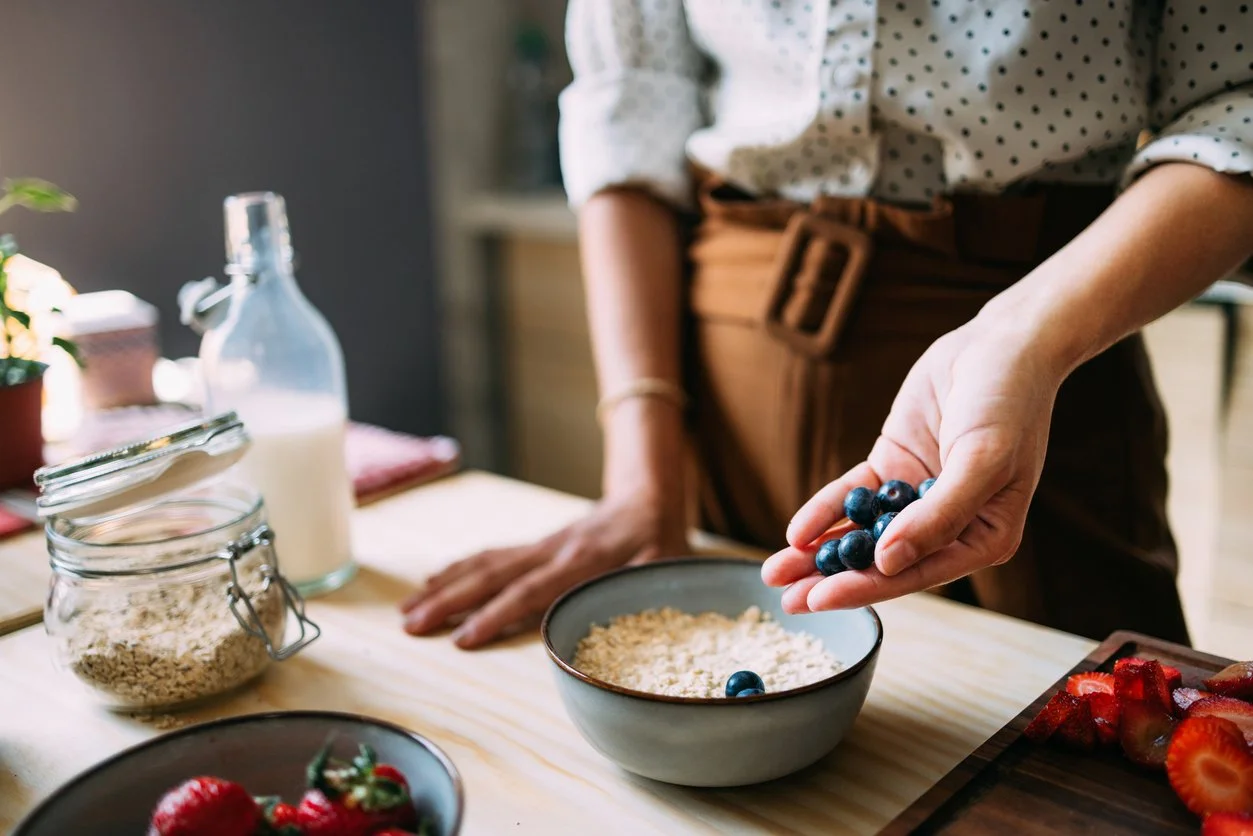
Fiber is critical during perimenopause
Regulating Blood Sugar: Consuming fiber slows down the absorption of sugars, helping to maintain steady blood glucose levels. This can prevent energy spikes and crashes, which often contribute to mood swings and fatigue.
Improving Digestion: As metabolism changes, digestive issues like constipation can become more common. Fiber adds bulk to the stool and promotes regular bowel movements, easing digestive discomfort.
Supporting Heart Health: High-fiber diets are associated with lower levels of LDL cholesterol (the "bad" cholesterol), which is particularly important since the risk of heart disease increases after menopause.
Starting your day with a fiber-rich breakfast can set a positive tone for the rest of the day. For example, enjoying a bowl of oatmeal topped with fresh berries and a sprinkle of flaxseeds not only boosts your fiber intake but also provides antioxidants and omega-3 fatty acids.
Include Healthy Fats
Healthy fats, particularly omega-3 fatty acids, play a vital role in maintaining overall health during menopause. Found in foods like walnuts, flaxseeds, and chia seeds, omega-3s offer several benefits:
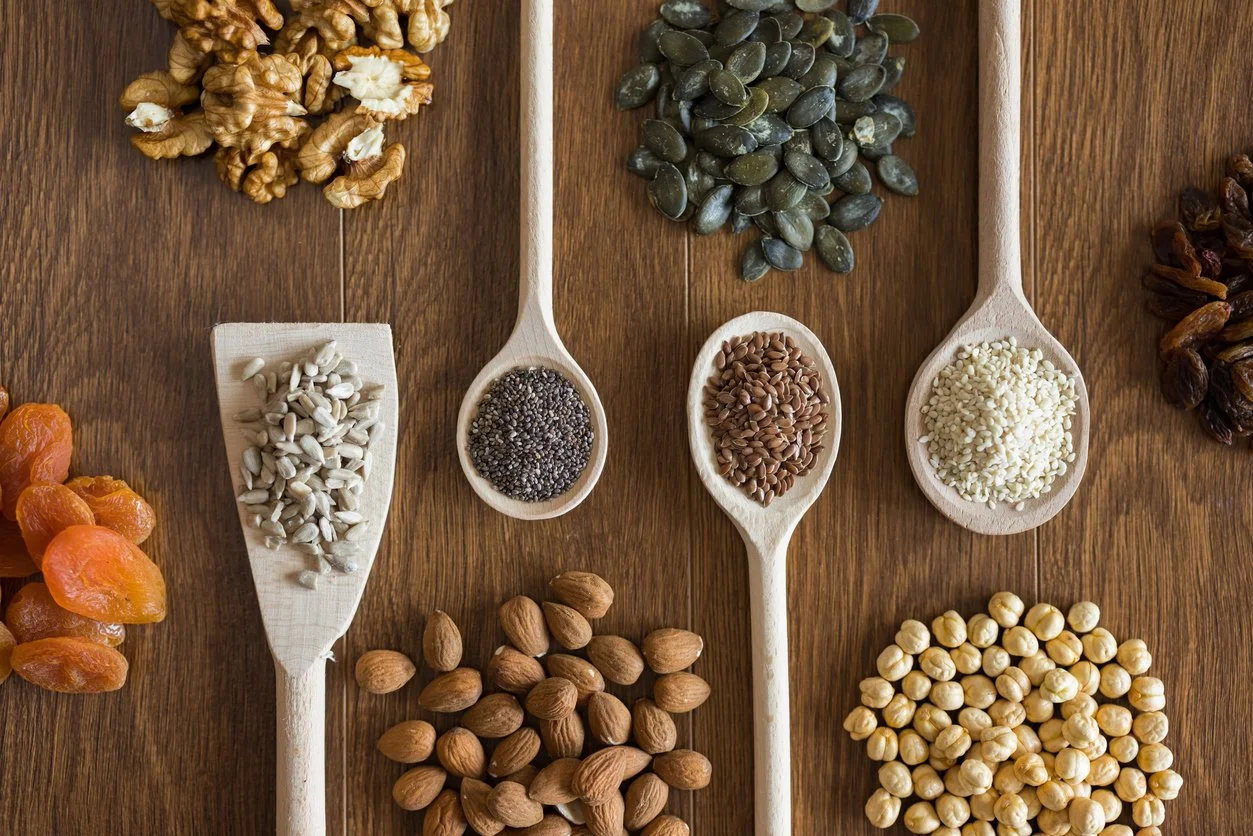
Omega-3 fatty acids are beneficial during perimenopause
Reducing Inflammation: Menopause can bring about joint pain and stiffness due to hormonal changes. Omega-3s have anti-inflammatory properties that may alleviate these symptoms.
Managing Mood Swings: The brain relies on healthy fats for optimal function. Omega-3s contribute to brain health and may help stabilize mood fluctuations, reducing feelings of irritability or depression.
Incorporating these fats into your diet can be simple and enjoyable. Snacking on a handful of walnuts, adding flaxseed oil to your salad dressings, or including grilled salmon in your meals are all excellent ways to increase your omega-3 intake.
Explore Phytoestrogens: Nature's Hormone Helpers
Phytoestrogens are naturally occurring plant compounds that mimic the effects of estrogen in the body. They can bind to estrogen receptors, potentially helping to balance hormone levels and reduce menopausal symptoms such as hot flashes and night sweats.
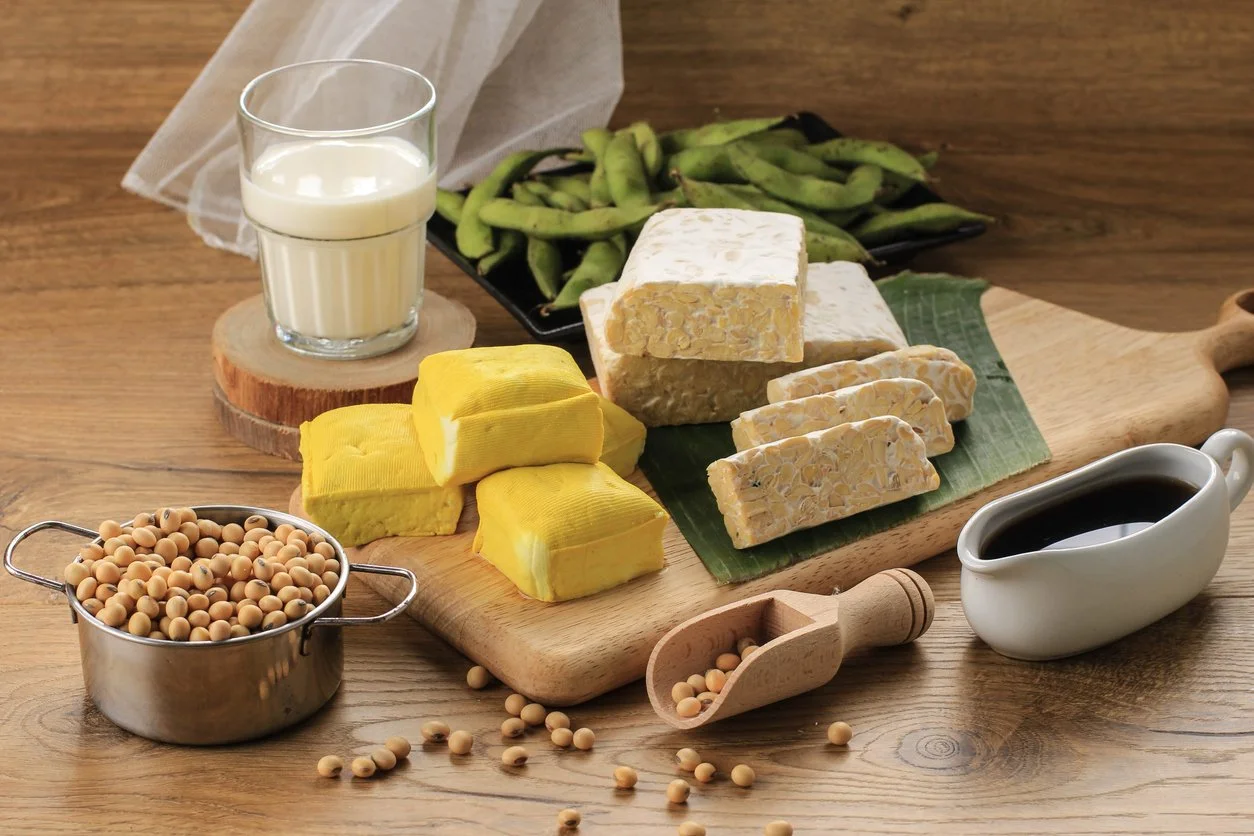
Phytoestrogens in perimenopause
Common Sources of Phytoestrogens:
Soy Products: Tofu, tempeh, and soy milk are rich in isoflavones, a type of phytoestrogen.
Flaxseeds: High in lignans, flaxseeds not only provide fiber and omega-3s but also contribute to hormonal balance.
Chickpeas: These legumes are versatile and can be used in various dishes, from hummus to salads.
Including phytoestrogen-rich foods in your diet doesn't have to be complicated. For instance, you might try a tofu stir-fry loaded with vegetables, or sprinkle ground flaxseeds into your morning smoothie or yogurt.
The Importance of Staying Hydrated
Proper hydration is essential for everyone, but it takes on added significance during menopause. Drinking enough water can help manage several menopause-related symptoms:

Drinking water during perimenopause
Managing Hot Flashes: Staying hydrated may help regulate body temperature and reduce the severity of hot flashes.
Improving Skin Elasticity: Hormonal changes can lead to dry skin. Adequate water intake keeps the skin hydrated from within, promoting elasticity and a healthy appearance.
Supporting Joint Health: Water helps lubricate joints, which can alleviate stiffness and discomfort.
Minimize brain fog: Staying hydrated helps flush out toxins and promotes mental clarity
Aim to drink at least 8 to 10 glasses of water each day. If plain water isn't appealing, consider herbal teas or water infused with slices of citrus fruits, cucumbers, or berries for added flavor without added sugars.
Powerhouse Foods for Hormonal Balance
Certain foods offer exceptional benefits for hormonal health during menopause. Incorporating these into your diet can provide additional support during this transition.

Foods that promote hormonal balance during perimenopause
Mushrooms
Mushrooms might seem unassuming, but they pack a nutritional punch when it comes to hormone regulation. They contain compounds that inhibit aromatase, an enzyme responsible for converting androgens into estrogen. This action can be particularly helpful for women experiencing estrogen dominance during perimenopause.
Varieties to Try: Shiitake, portobello, and maitake mushrooms are excellent choices. They can be easily added to soups, stir-fries, or grilled as a meat substitute.
For example, sautéing a mix of mushrooms with garlic and thyme creates a delicious side dish that supports hormonal balance while tantalizing your taste buds.
Cruciferous Vegetables
Vegetables like broccoli, Brussels sprouts, cauliflower, and kale belong to the cruciferous family and are renowned for their health benefits. They are rich in glucosinolates, which the body converts into compounds like indole-3-carbinol (I3C) and diindolylmethane (DIM). These substances support the liver's ability to metabolize and eliminate excess estrogen.
Including these vegetables in your meals can be simple. Roasting Brussels sprouts with a drizzle of olive oil and a sprinkle of sea salt creates a tasty and nutritious side. Alternatively, adding kale to smoothies or salads boosts your intake of fiber and antioxidants.
Turmeric
Turmeric, known for its vibrant yellow color, is a spice with potent anti-inflammatory properties. The active compound in turmeric, curcumin, supports liver function, which is essential for hormone detoxification.
Adding turmeric to your diet can be as easy as incorporating it into soups, stews, or rice dishes. A warm cup of turmeric tea, made by simmering turmeric with almond milk and a dash of honey, can be a soothing way to end the day.
Berries
Berries such as strawberries, blueberries, and raspberries are rich in antioxidants, particularly vitamin C and flavonoids. These nutrients help combat oxidative stress, which can worsen menopause symptoms.
Enjoying a bowl of fresh berries as a snack or dessert not only satisfies a sweet craving but also contributes to hormonal health. Berries can also be added to cereals, yogurts, or blended into smoothies for a nutritious boost.
Garlic and Onions
These flavorful kitchen staples are more than just aromatics; they contain sulfur compounds that enhance liver detoxification processes. A healthy liver is crucial for metabolizing hormones effectively.
Including garlic and onions in your cooking can elevate the flavor of dishes while supporting your body's natural detoxification pathways. Whether sautéed as a base for soups and stews or roasted alongside vegetables, they are versatile additions to any meal.
Green Tea
Green tea is rich in catechins, antioxidants that support healthy estrogen metabolism. It offers a gentle energy boost without the jitters often associated with caffeine.
Replacing one cup of coffee with green tea can provide hydration and antioxidant benefits. Enjoy it hot or iced, perhaps with a squeeze of lemon to enhance the flavor and nutrient absorption.
Fermented Foods
Gut health is directly linked to hormone balance, and fermented foods play a significant role in maintaining a healthy microbiome.
Probiotic-Rich Options: Sauerkraut, kimchi, kefir, and yogurt contain beneficial bacteria that aid digestion and nutrient absorption.
Incorporate fermented foods into your diet by adding sauerkraut or kimchi to sandwiches and salads or enjoying a serving of yogurt topped with fresh fruit and a drizzle of honey.
Limit Added Sugars
While it's natural to crave sweets, especially during times of stress or hormonal fluctuations, excessive sugar intake can be counterproductive.
Impact on Insulin Levels: High sugar consumption can cause spikes in insulin, leading to energy crashes and exacerbating symptoms like fatigue and brain fog.
Inflammation: Sugar can promote inflammation in the body, potentially worsening joint pain and other inflammatory conditions.
To manage sugar intake, opt for natural sweeteners and be mindful of hidden sugars in processed foods. Reading labels and choosing whole, unprocessed foods can help reduce added sugars in your diet.
Focus on Calcium and Vitamin D for Bone Health
The decline in estrogen during menopause can lead to decreased bone density, increasing the risk of osteoporosis.
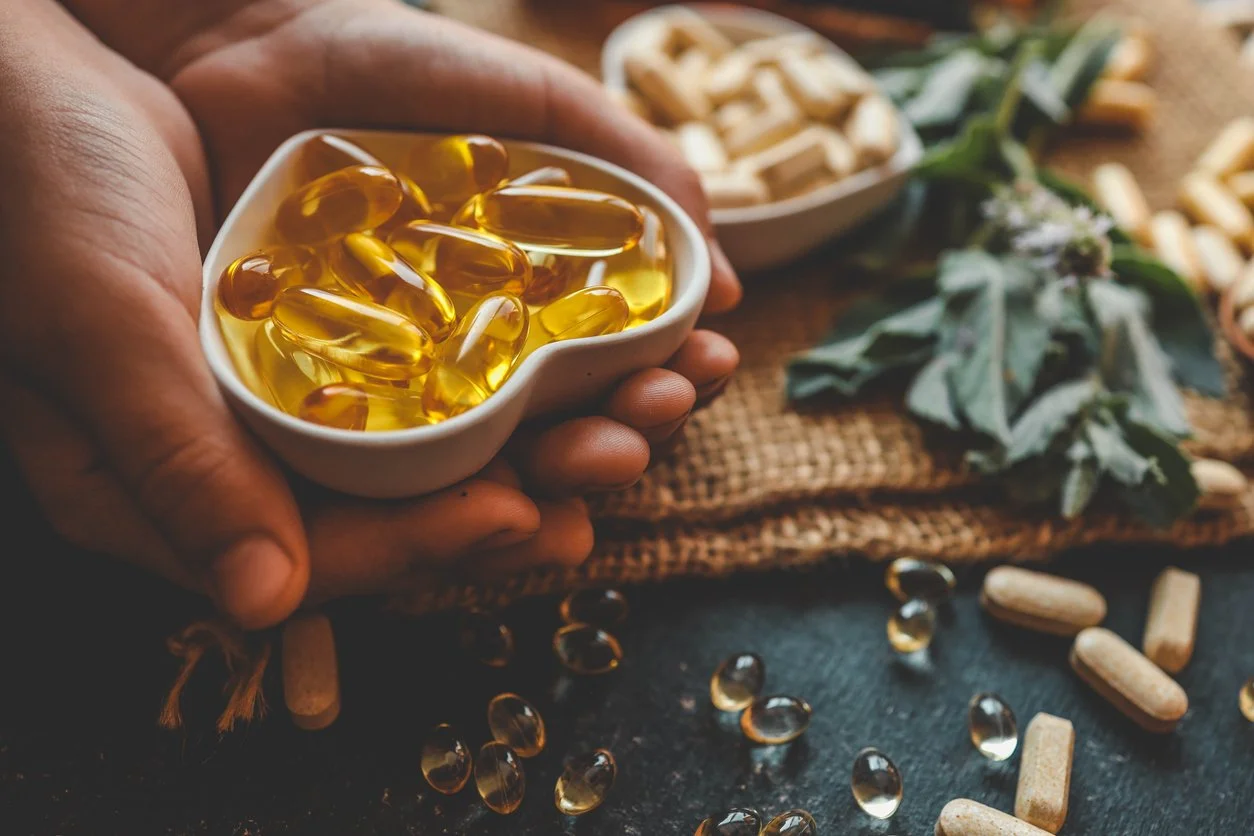
Vitamin D during perimenopause
Calcium-Rich Foods: Dairy products like milk, cheese, and yogurt are traditional sources of calcium. For those who are lactose intolerant or prefer plant-based options, fortified plant milks, tofu, almonds, and leafy green vegetables like spinach and kale are excellent alternatives.
Vitamin D Sources: Vitamin D is essential for calcium absorption. Fatty fish such as salmon, mackerel, and sardines are good dietary sources. Additionally, spending time outdoors in sunlight helps the body synthesize vitamin D naturally.
Including these nutrients in your diet supports bone health. Consider discussing with your healthcare provider whether supplementation is necessary, especially if you have limited sun exposure or dietary restrictions.
Balance Nutrition with Physical Activity
Combining a nutritious diet with regular physical activity enhances overall well-being during menopause.
Benefits of Exercise: Physical activity can improve mood, support healthy weight management, enhance sleep quality, and strengthen bones and muscles.
Types of Exercise: Weight-bearing exercises like walking, jogging, and dancing help maintain bone density. Strength training builds muscle mass, which can boost metabolism. Mind-body practices like yoga and tai chi promote flexibility, balance, and stress reduction.
Listening to your body is important. Choose activities that you enjoy and that fit your fitness level. Even moderate exercise, such as brisk walking for 30 minutes a day, can make a significant difference.
Omega-3 Fatty Acids: Support Heart and Brain Health
Beyond plant sources, omega-3 fatty acids are abundant in fatty fish like salmon, mackerel, and sardines.
Cardiovascular Benefits: Omega-3s help reduce triglyceride levels and may lower blood pressure, supporting heart health, which is particularly important during menopause.
Mental Health: These fats contribute to brain function and may help alleviate symptoms of depression and cognitive decline.
Including fish in your diet a few times a week can boost your omega-3 intake. For vegetarians or those who don't consume fish, algae-based supplements are an alternative worth discussing with a healthcare provider.
Vitamins for Menopausal Health
Certain vitamins play a supportive role in managing menopausal symptoms.
B Vitamins: Essential for energy production and nervous system function, B vitamins can help combat fatigue and improve mood. Foods rich in B vitamins include whole grains, eggs, nuts, seeds, and leafy greens.
Vitamin E: This antioxidant may help reduce the frequency and severity of hot flashes. Sources of vitamin E include nuts, seeds, spinach, and broccoli.
Ensuring a varied diet rich in these vitamins supports overall health. If you're considering supplements, consult with a healthcare professional to determine the appropriate dosage and to avoid potential interactions with medications.
Conclusion
Menopause is a natural phase of life that brings about significant changes. While it can present challenges, it also offers an opportunity to focus on your health and well-being. By adopting healthy eating habits and making mindful choices, you can alleviate symptoms and enhance your quality of life.
Small, consistent changes in your diet can lead to meaningful improvements. Incorporating fiber-rich foods, healthy fats, phytoestrogens, and staying hydrated are steps toward supporting your body during this time. Remember to listen to your body's signals and consult with healthcare professionals or registered dietitians to tailor a plan that meets your individual needs.
Final Thought: This stage of life is not just an ending but also a beginning. By nourishing your body with wholesome foods and embracing supportive lifestyle habits, you can thrive during menopause and beyond. Be kind to yourself, celebrate your strength, and welcome the possibilities that this new chapter brings. Download a Free Healthy Habits Ebook.
Sign up for Fullscript to shop professional-grade perimenopause supplements.
