
How Your Gut Health Supports Your Mental Health & Impacts Your Mood
We’ve all experienced it – a bad mood that just seems to be lingering no matter what we do to try and make ourselves feel better. But when you consider the scientific evidence connecting our gut microbiome with our emotional wellbeing, then it stands to reason that your negative physical or emotional state may have an underlying root cause linked to your digestive system. Our emotions are incredibly complex and intricate, but at the most fundamental of levels, they rely on simple biochemical messengers created by neurotransmitters in the brain. Understanding how these chemicals interact with neural pathways and their influence on our gastrointestinal tract is crucial for unlocking insight into why some days might feel harder than others. In this blog post, we will explore how neurotransmitters can impact our moods through vagal regulation of microbial activities within the digestive system, revealing hidden truths about why certain feelings arise in us uncontrollably at times.

What are neurotransmitters and how do they affect our moods
Neurotransmitters are chemical messengers in the brain, transmitting signals from one neuron to another. They have been found to impact our moods and behaviors in major ways – from reducing anxiety and preventing depression, to regulating sleep, appetite and even our decision-making processes. Neurotransmitters such as serotonin and dopamine play a huge role in this area, with the vagus nerve functioning as a messenger between our microbiome (microorganisms inside us) and the brain. The different types of microbes in the microbiome release neurotransmitters that influence how we feel emotionally, which can lead to positive or negative emotions depending on their quantity present. Ultimately, our brains rely heavily on these specific neurotransmitters to bring balance to our moods and foster emotional wellbeing.
The Role of the Vagus Nerve in Mood Regulation
The vagus nerve plays a critical role in regulating our mood. Most of us know that neurotransmitters such as serotonin and dopamine are responsible for influencing how we feel, yet not many realize that the interactions between the vagus nerve and the microbiome also play an important part in regulating these neurotransmitters. Through this relationship, we can influence how our body releases hormones and other chemicals that contribute to our experience of emotions. By improving the integrity of our vagal tone, we may be able to bring about greater balance in our neurotransmitters, which helps maintain a better emotional state.
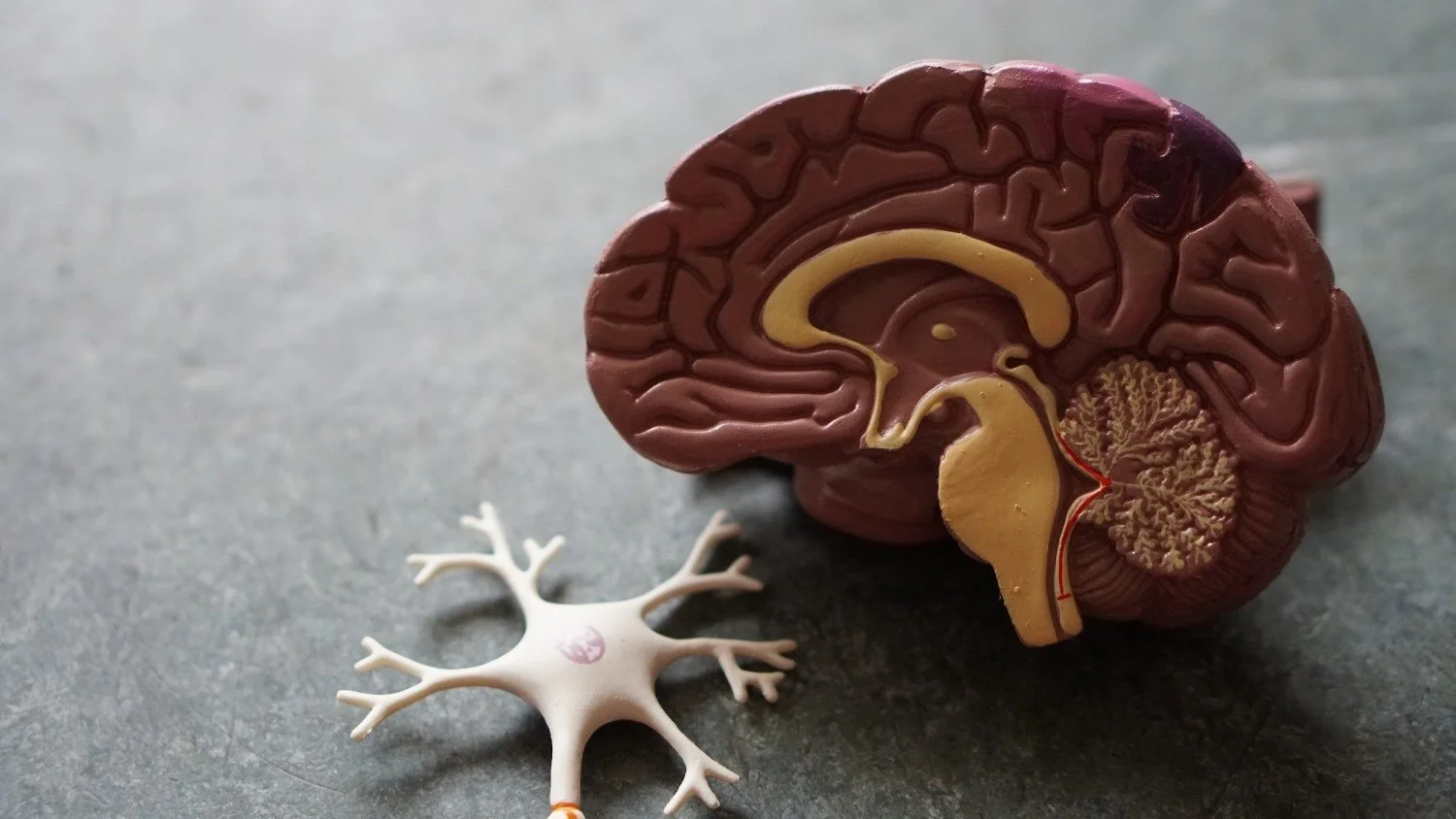
How Your Microbiome Impacts Your Neurotransmitter Levels
Did you know that the trillions of microscopic organisms living within your gut actually impact your mood? Studies have shown the connection between our microbiome and neurotransmitter levels, including serotonin, dopamine, and GABA. These powerful brain chemicals are responsible for regulating our emotions, memory, attention span, cravings, decision-making skills and so much more. To focus on just one of these interactions: the vagus nerve helps to regulate cortisol production which is associated with stress levels; this in turn has an effect on our gut flora balance. Therefore we can see how connected the many pathways are within our body - with our microbiome playing a fundamental role in all of it!

Foods That May Help Improve Mood By Influencing Neurotransmitters
Diet can have a major impact on our emotions, and many foods contain natural compounds that act as essential building blocks for the neurotransmitters that influence mood. For example, foods containing tryptophan, such as almonds, are precursors to serotonin and help elicit calming feelings. On the other hand, foods rich in tyrosine like bananas may increase levels of dopamine, leading to improved mood. Foods high in probiotics—such as yogurt or sauerkraut—are also beneficial because they help balance the gut microbiome which sends signals through the vagus nerve to influence serotonin and cortisol levels. Therefore, those wishing to give their mood a boost may benefit from adding more tryptophan, tyrosine and probiotic-rich food items into their diet.
Supplements That Aid In Increasing Neurotransmitter Levels
Supplements have become an increasingly popular form of health and wellness, as many are looking for natural strategies to support mental and emotional wellbeing. Balancing neurotransmitters, such as serotonin and dopamine, are key components to ensuring a healthy mood. Fortunately, there are numerous supplements available that can help support higher levels of these important nutrients. These supplements work by stimulating the vagus nerve and microbiome, which control the production and reuptake of neurotransmitters. For example, taking maca root for 3 weeks can increase dopamine production. Ginseng can increase dopamine, serotonin, GABA and norepinephrine. These supplements help individuals stabilize their own emotions and reduce their risk of depression and anxiety. Effectively managing one’s own neurotransmitter levels without the need for medication is a strong possibility.

Focusing On Self-Care To Support Neurotransmitter Balance and Mental Health
Self-care is an important tool for keeping neurotransmitter balance and mental health in check. Neurotransmitters, such as serotonin, dopamine, and norepinephrine, are key components to mood but can be easily thrown off due to the stress of everyday life. But there are two particular factors - the vagus nerve and microbiome - that play a major role in maintaining healthy levels of these neurotransmitters. The vagus nerve is important to improving gut health which leads to better regulation of mood-influencing neurotransmitters while the microbiome is responsible for converting food into useful nutrients that support well-being. Practicing self-care techniques like mindfulness, yoga, relaxation strategies and regular exercise can help restore balance between our minds and bodies by regulating these key players in mental health. Taking action towards our mental wellbeing doesn’t necessarily have to be as complicated as it sounds – simple activities like going for a walk or cooking a meal can really make all the difference.
There is no “one size fits all” approach to supporting mental health; however, the research presented in this blog post demonstrates that we each have control over our moods and daily wellbeing by influencing our neurotransmitters through foods, supplements, self-care rituals, and understanding the roles of the vagus nerve and microbiome. Research has clearly demonstrated that these elements can contribute to an optimized balance of neurotransmitters for optimal physical and psychological functioning. It is essential for us to become conscious of how these elements affect our current cerebral environment if we hope to maintain a healthy mental state for years to come. Ultimately, properly managing your neurotransmitter levels helps ensure long-term stability and wellness.
