Mood Support for Menopause
Written and edited by Sarah Bonza MD. MPH, FAAFP, DipABLM, NBC-HWC

Written and Edited by Sarah Bonza MD, MPH
Mental Wellness Support For Menopausal Women
There are three significant periods of a woman’s life when hormones can throw her mental health into a downward spiral: Puberty, Pregnancy, and Menopause.
Many women do not expect that menopause can trigger anxiety, depression, and irritability. Typically, the majority of what women learn to expect from menopause is hot flashes and night sweats. In reality, menopause can manifest as a constellation of various symptoms.
According to the North American Menopause Society, around 23% of women will experience changes in mood as a result of this mid-life hormonal shift. In other words, almost 1 in 4 menopausal women will notice mood changes during menopause.
Menopause is the hormonal transition occurring on average between age 45- 55 in women. Estrogen, progesterone, and testosterone decline as the activity of the ovaries declines and the drop in these hormones can create physical, mental, and emotional symptoms.
The Role Of Hormones In Mood
Serotonin is referred to as the happy chemical. Serotonin is a neurotransmitter in the brain that evokes positive mood and balances emotions. Serotonin is the reason millions of prescriptions called SSRIs (selective serotonin reuptake inhibitors) are prescribed annually for depression. These medications, such as Lexapro and Prozac, work by increasing the amount of time serotonin lingers in the brain.
Did you know estrogen and serotonin talk? Estrogen, the potent female hormone, encourages healthy serotonin levels. In fact, research has shown that depressed women tend to have lower estrogen levels.
Menopause is characterized by the decline of estrogen levels. With less estrogen in the body, serotonin can also take a hit, which can cause mood to become dysregulated.

Progesterone is another hormone that declines in menopause. It is released when an ovary releases an egg, a process called ovulation. In premenopausal women, ovulation occurs typically once a month. Since menopause is characterized by less frequent ovulation until the ovaries eventually stop ovulating, progesterone drops during this phase of life.
Progesterone is intertwined with a calming neurotransmitter called GABA. GABA produces a calming effect to the extent that it can even cause sleepiness. Progesterone skyrockets in the first trimester of pregnancy, which is the reason many women in their first-trimester need to rest so much.
The decline of progesterone in the menopausal transition can, therefore, provoke insomnia, anxiety, and irritability. Insomnia can worsen mood dysregulation, creating a vicious cycle.
Testosterone increases libido, which can increase satisfaction in an intimate relationship. Intimacy also relieves stress and triggers a cascade of pleasant hormones and neurotransmitters, such as oxytocin and dopamine, which contribute to overall well-being.
Women make testosterone from the ovaries and adrenal glands. Menopause triggers testosterone to tank. Lower libido, in combination with poor sleep, anxiety, irritability, and depression, can shake even the most solid intimate relationships and marriages. A startling 60% of marriages end in women’s 40s, 50s, and 60s.
What also occurs during this time? Perimenopause and menopause.
The Gut-Mind Connection
Recent interest in the roles of the gut microbiome on health has triggered many studies on the connection between gastrointestinal health and the mind. The gut has gained recognition as the “second brain” due to the discovery of the massive amount of neurotransmitters produced by a healthy gut.
In other words, the gut influences mood just as much, if not more, than the brain.
Fascinating research has shown that the gut microbiome shifts in menopause. Unfortunately, the shift is not in a positive direction for ideal gut health. The abundance of bacteria in the gut tends to decrease and become less diverse.
Excitingly, research is exploring the clinical impact of microbiome-boosting therapies on menopausal symptoms and the results are promising.

Relief is Possible For Menopausal Women
The gravity of a lack of support for symptomatic women during the menopausal transition cannot be understated. Menopause is not always a hiccup in the road of health, but can sometimes be profoundly disorienting depending on the severity.
Natural medicine has been supporting women going through the menopausal transition for many centuries. Botanical medicines, nutraceuticals, and supplements can interact with hormones and neurotransmitters to smooth the turbulence of menopause.
Not only is relief from menopause-related anxiety, depression, and irritability possible, but solutions exist that are minimally invasive, holistic, safe, and beneficial to overall health. The benefit of natural medicines is that they can positively impact the whole body rather than only addressing symptoms.
Best Supplements For Menopausal Women
1. St. John’s Wort
St. John’s Wort is a medicinal plant that has been used since the time of ancient Greeks. St. John’s Wort is a shrub with yellow leaves. It was named after the time it blooms in late June which corresponds to the feast of St. John’s the Baptist.
The flowering tops of St. John’s Wort contain medicinal properties for mood support. This plant works by extending the amount of time serotonin lingers in the brain, allowing its positive effects to be felt more profoundly.
St. John’s Wort is also extraordinarily well-studied, even in menopausal women. A systematic review from the Journal of Menopause Society found that 5 out of the 7 studies included in their review showed improvements in depressive symptoms.
Additionally, St. John’s wort is rich in antioxidant and anti-inflammatory compounds that boost overall health.

2. Fish Oil
The Omega-3 fatty acids present in fish oil have many health benefits including lowering inflammation, supplying essential healthy fats, and lowering cholesterol levels. Healthy fats are also essential for brain health as the brain is primarily made of fat.
As hormones decline in menopause, their protective effect against inflammation also dwindles. Many theories exist about the various factors that impact mood, and an emerging theory is that inflammation can contribute to depression, anxiety, and irritability.
As menopause occurs, the body shifts into a more pro-inflammatory state. Inflammation and its effects on mood can therefore be benefitted by anti-inflammatories such as high-quality fish oil.
3. Fiber
Returning to the impact of menopause on the gut-mind connection, the importance of gut microbiome-supportive remedies cannot be understated.
The gut microbiome is full of bacteria. Bacteria are living organisms that require fuel.
What fuels healthy bacteria within the gut microbiome? The answer is fiber.
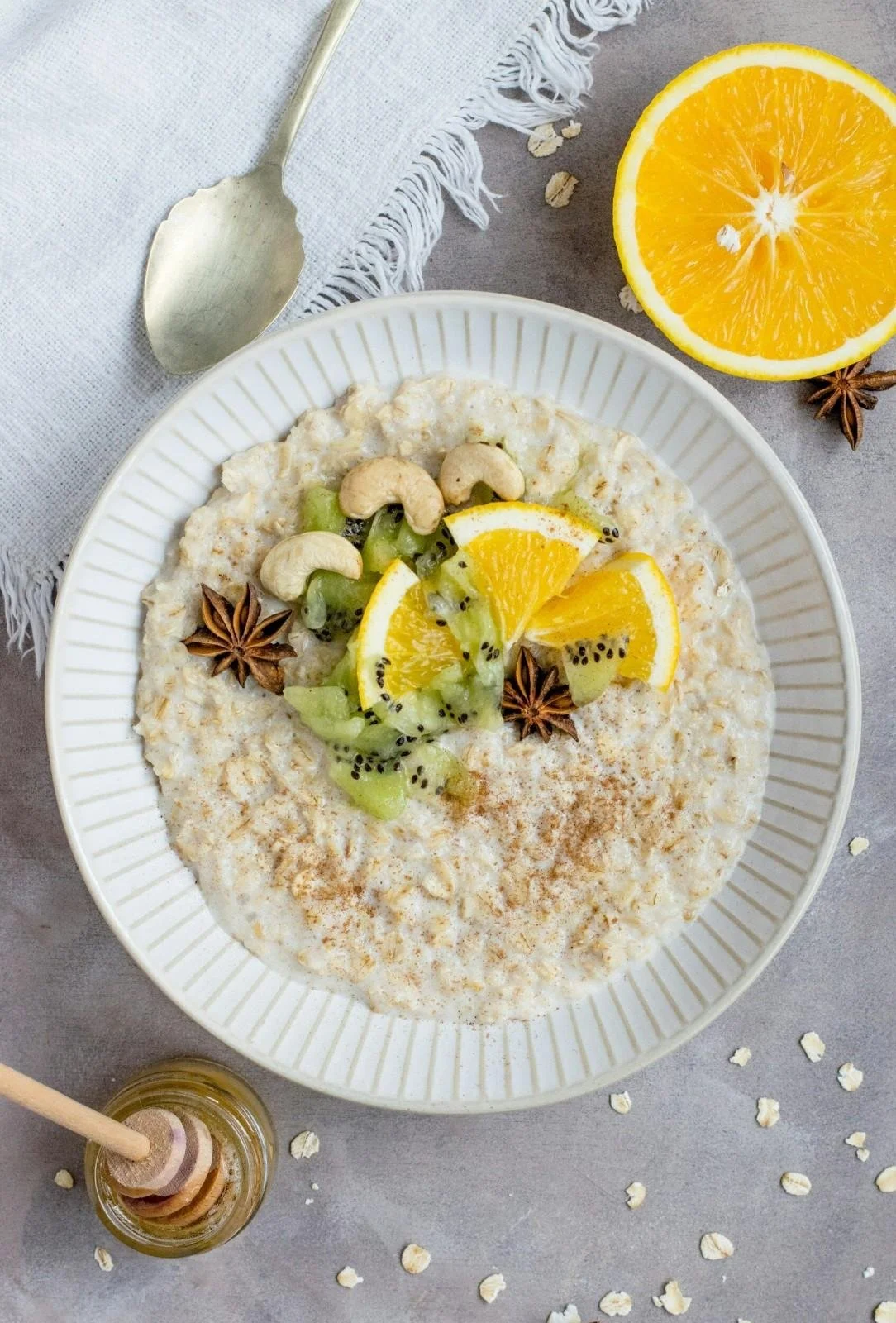
According to research, only 1 in 10 Americans meet their daily fiber requirements. This staggering statistic might explain the high prevalence of digestive disorders in developed countries that rely heavily on processed and ultra-refined foods.
Fiber can be easily supplemented as powders or pills. Fiber supplements are an excellent choice for busy individuals who find themselves struggling to find the time to cook.
4. Polyphenols
The other essential fuel source that helps the microbiome grow in abundance and diversity are polyphenols. Polyphenols are abundant in plants and have potent antioxidant and anti-inflammatory properties.
Polyphenols are abundant in berries, green tea, herbs and spices, and cacao to name a few.
Polyphenol-rich foods can be added into the diet to boost the health of the gut microbiome or they can be supplemented in the form of extracts of these foods.
5. Probiotics
Interest in directly supplementing probiotics has exploded over recent decades. Fermented foods have been a part of traditional cuisines worldwide for centuries.
Kimchi from Korea. Kefir from central Eurasia. Miso from Japan, which originated in ancient China. Sourdough bread from ancient Egypt. All of these fermented foods represent the rich history of probiotics throughout the millennia.
More recently, modern science discovered the specific strains of probiotics that have health benefits. The discovery of the specific strains allowed scientists to extract and isolate the strains in the form of probiotic supplements.
Is it better to supplement with probiotics or simply eat more fiber and polyphenols? The answer is unclear. However, as fiber and polyphenols have many other health-promoting benefits, such as lowering inflammation, it is best not to solely rely on supplemental probiotics. Additionally, probiotics will only supplement the strains of bacteria within the supplements, while fiber and polyphenols will encourage a wider variety of healthy bacteria to grow and thrive.
Explore Functional Medicine Solutions with Bonza Health
Sarah Bonza, MD, is a board-certified family physician who assists women during the menopausal transition with functional medicine solutions. Bonza Health is a platform with tailored programs for menopausal women to re-establish vibrant inner wellness.
Sign up now for Dr. Bonza’s Fullscript account for access to her carefully selected botanical and nutraceutical protocols to fit your menopause type:
b-cool: Alleviate hot flashes & migraine
b-clear: Think clearly, improve memory and eliminate brain fog
b-calm: Find inner peace, get relief from anxiety, depression, and irritability
b-cut: Gain muscle and lose belly fat
b-charged: Feel energized and find your libido

To learn more about Dr. Bonza’s offerings to menopausal women, please explore https://www.bonzahealth.com/
Important Note: All the recommendations above should be initiated under the guidance of a medical doctor. Botanicals and nutraceuticals can interact with prescribed medications or be contraindicated for certain medical conditions, so they should only be started under medical guidance.