
Understanding VO2 Max: A Comprehensive Guide for Perimenopausal and Menopausal Women
Written and edited by Sarah Bonza MD. MPH, FAAFP, DipABLM, NBC-HWC
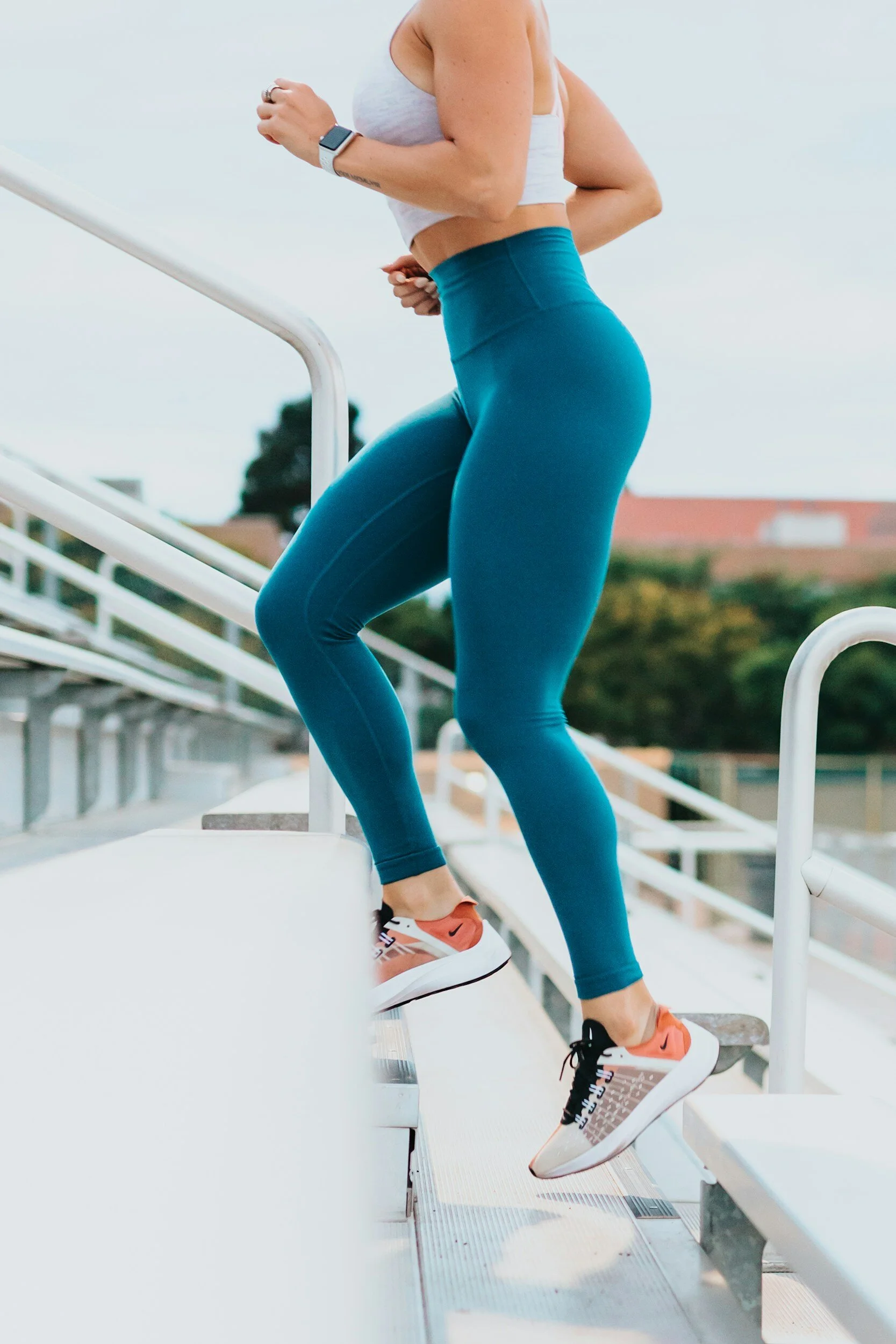
Original thought written and edited by Sarah Bonza MD with some AI enhancement
The menopausal transition is often likened to a personal renaissance, a profound shift that impacts every aspect of a woman's life. Among the varied changes, understanding the role of exercise - specifically, your endurance capacity - is crucial.
Enter VO2 max, a term likely to be dancing at the edge of your fitness conversations. But what exactly is it, and why should it matter to you, a woman in perimenopause or menopause?
This guide reviews the significance of VO2 max for your health and outlines effective strategies to enhance it during a time when fitness often takes center stage in reclaiming health and wellness.

What is VO2 Max?
VO2 max, or maximal oxygen consumption, is the gold standard measurement of your body's ability to transport and utilize oxygen during exercise. It indicates how efficient your cardiovascular and respiratory systems are at delivering oxygen to your active muscles.
In simpler terms, it tells you how well your body can perform during high-intensity workouts and serves as a gauge of your aerobic endurance — your tank of untapped running power, if you will.
Measuring VO2 max used to mean tethering yourself to a treadmill or cycle ergometer in a lab while sporting an oxygen mask. But advances in wearable technology and fitness testing have made it more accessible.
Knowing your VO2 max score empowers you to tailor your fitness routines for maximum effectiveness, a critical insight for women navigating the perils of menopause.
Measuring Your VO2 Max
While lab tests provide the most accurate VO2 max assessment, field tests and some high-end fitness trackers offer reasonably close estimates.
For instance, the Cooper test, which measures the distance run in 12 minutes, and the Uth-Sørensen-Overgaard-Pedersen estimation, using your maximum and resting heart rates, can give you a good grasp of your VO2 max range.
Your VO2 max score is contextual, aligning with age, gender, and fitness level. As a perimenopausal or menopausal woman, these benchmarks serve as a relative measure to track your progress rather than a comparative tool against younger or male counterparts.
Improving Your VO2 Max During and After Menopause
Menopause isn't the destination; it's a section of the road to the rest of your life. And maintaining or improving your VO2 max is akin to fortifying your engine for the long haul.
Studies show that postmenopausal women experience a significant drop in VO2 max, indicating a decline in aerobic function linked to several health risks, particularly related to cardiovascular health and weight management.

Overview on increasing VO2 max. Adopted from DOI: 10.1097/00042192-200211000-00012
High-Intensity Interval Training (HIIT)
One powerful tool in your endurance arsenal is HIIT. This exercise method pairs short bursts of intense activity with periods of rest or lower-intensity exercise. It not only jolts your heart rate and metabolic systems but also taps into the VO2 max enhancing capabilities that were likely put on the backburner during the hectic menopause hormonal shifts.
Women in menopause have a unique HIIT advantage as this workout has been shown to specifically benefit metabolic, cardiovascular, and musculoskeletal health in this demographic. It's a game-changer, reshaping traditional fitness paradigms for older women and offering a dynamic way to galvanize your VO2 max.
Hill Training
When high-intensity scares you or your body isn't quite ready for sprinting, hill training can be the bridge.
By integrating inclines into your routine, you stimulate cardiovascular adaptations akin to those of HIIT sessions, without the potential injury concerns common to abrupt intensity changes.
Its subtle impact overcomes gravity, elevating both your effort and VO2 max prospects. Consider it the stealth bomber of workouts, silently but surely enhancing your endurance capacity.

Getting Started with HIIT
For those tentatively toeing the HIIT waters, start with a trainer or tailored program designed with your menopausal phase in mind.
Safety and form are paramount, especially during high-impact workouts.
Begin with shorter interval sets and longer rest periods, gradually increasing the intensity as your body acclimates.
It’s not just about jumping straight into sprints; it’s about building a sustainable trajectory that allows you to capitalize on your capabilities safely and effectively.
Over time, you'll likely find that your VO2 max, much like your confidence and strength, is on an upward trajectory.
Conclusion
Understanding and acting on your VO2 max isn't just about chasing personal records; it's a statement of resilience and commitment to your health. As a perimenopausal or menopausal woman, it offers a tangible measure of your body's endurance potential and a path for strategic fitness engagement.
The secret to success lies not in replication but in adaptation — tweaking the basic principles of VO2 max enhancement to harmonize with your body's unique menopause-forged identity. Each workout, each rep, and each stretch cater to a personalized quest for better health, one breath at a time. It's not a sprint; it's a strategic, sustainable marathon.
The VO2 max phase of your fitness journey is not just a chapter but a transformative plot point in the rich narrative of your postmenopausal life. It's time to script how VO2 max weaves into your tale — a story of determination, discovery, and enduring strength.
Deepening Your Understanding of Your Perimenopause or Menopause Journey
Exercise is just one part of the puzzle of perimenopause and menopause. Empowering yourself with the right tools and knowledge in regards to your perimenopause journey will help you better understand what your body needs. Join me, Dr. Sarah Bonza, on a 2-week journey to personalized wellness in my 14-Day Perimenopause Program! Learn more about the program and sign up today to support your perimenopause journey.

