Why You're Not 'Just Getting Older': The Hormones That Influence Women’s Health Over Time and How You Can Take Control
Written and edited by Sarah Bonza MD. MPH, FAAFP, DipABLM, NBC-HWC
You've heard the phrase "It's just a part of getting older," but what if we told you that the signs and symptoms often attributed to aging are closely tied to hormonal changes?
Hormones like estrogen, progesterone, and testosterone don't merely oversee the realms of fertility and pregnancy; they are the master regulators of numerous aspects of your health and vitality.
The Vital Players: Estrogen, Progesterone, and More
Estrogen, commonly referred to as the "female hormone," controls far more than reproduction. It is vital for your skin's elasticity, influences your mood, and even impacts cognitive function. In contrast, progesterone serves as the calming agent in your body, also crucial for bone health and mood stability.
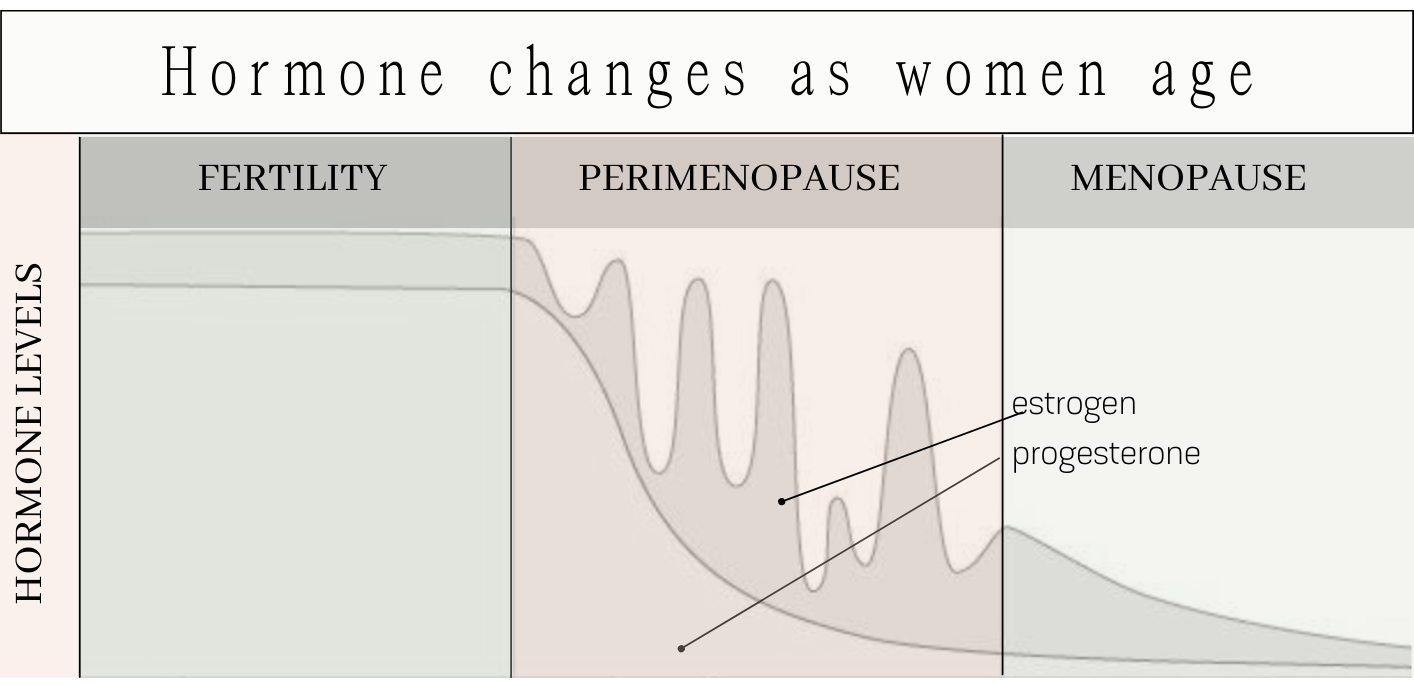
Hormone changes in perimenopause and menopause
As you enter perimenopause, these hormonal ringleaders begin to fluctuate. One moment you may be riding an estrogen high, feeling emotional and experiencing heavy periods, and the next moment you could be dealing with brain fog or a loss of interest in intimacy due to plummeting hormone levels. With these shifts also come broader implications, including an increased risk of osteoporosis, heart disease, and cognitive decline.
Recognizing and Managing Estrogen Excess in Perimenopause
During this transitional phase, it's common to experience "estrogen excess" or anovulatory cycles. Normally, estrogen and progesterone work in tandem, keeping each other in check.
However, with the erratic ovulation that occurs in perimenopause, progesterone production drops, leading to an imbalance. Symptoms can range from heavy or irregular periods to mood swings, weight gain, and even memory problems.
Understanding the Decline of Progesterone
Just as estrogen plays its part, so does progesterone. During your reproductive years, progesterone prepares your body for potential pregnancies and has a significant impact on your bone health, mood, and cardiovascular well-being.
As ovulation becomes more sporadic during perimenopause, the production of this critical hormone declines, affecting these essential functions.

Take Control: Knowledge Is Empowerment
Understanding these changes is your first step in navigating this new chapter of your life effectively. This isn't about decline; it's about transition.
Knowing your body's hormonal landscape will enable you to take informed actions. Whether it's lifestyle changes or hormone replacement therapies, tailored strategies can dramatically improve your quality of life.

If you're wondering where you stand hormonally, comprehensive testing can provide actionable insights. Including a stress hormone evaluation, our comprehensive hormone testing can equip you with the knowledge to reclaim your vitality.