The Journey Through Menopause: Understanding the Basics and Embracing Change
Written and edited by Sarah Bonza MD. MPH, FAAFP, DipABLM, NBC-HWC
Menopause is a significant milestone in a woman's life that marks the cessation of her menstrual cycles. It's often confirmed after a woman has not had a period for 12 consecutive months, absent of other underlying conditions.
Although a natural phase, it brings along lower levels of hormones such as estrogen, affecting various aspects of health and well-being. The average age for reaching menopause is around 51, although it generally occurs between the ages of 40 and 58.
The Prelude: Perimenopause
Before the final curtain call of your menstrual period, your body goes through a transitional phase known as perimenopause. This can last from 4 to 8 years and begins with noticeable changes in the menstrual cycle.
It's a stage marked by hormone fluctuations, leading to alterations in the length of time between periods and concludes a year after your final period. If you're in this stage, it's an excellent time to equip yourself with the information and strategies to manage the symptoms effectively.
Did you know I went through my own personal perimenopause journey? Learn more about how I took back control of my health after discovering I had perimenopause symptoms in my blog post, Navigating the Journey of Perimenopause: A Doctor's Personal Experience.
You can also learn the early signs and symptoms of perimenopause by downloading our FREE perimenopause e-book!
Induced Menopause: A Special Case
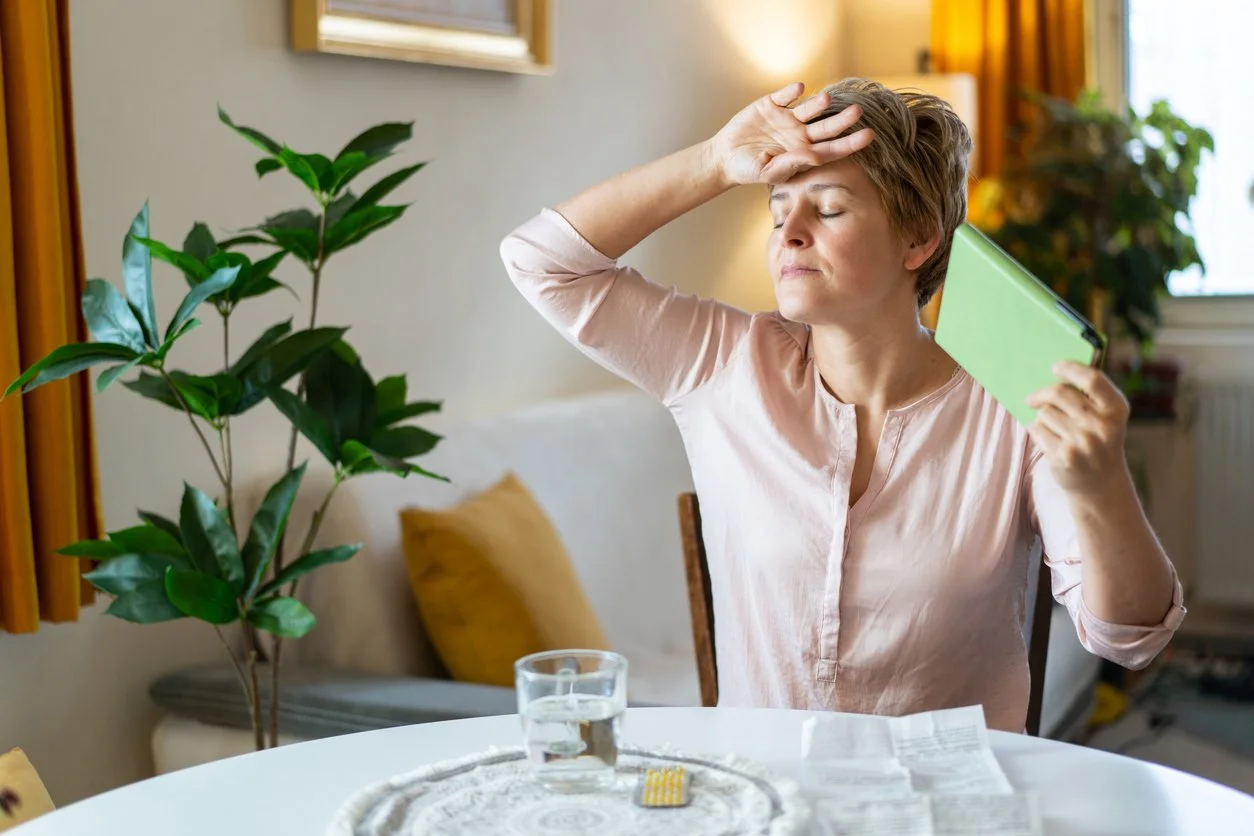
In some instances, menopause can be medically induced due to interventions like surgical removal of ovaries, chemotherapy, or pelvic radiation. If you've undergone such treatments, it's crucial to consult with healthcare professionals for a customized plan to manage the immediate hormonal shifts.
Factors Influencing Timing
Your genes and lifestyle choices can impact when you enter menopause. For instance, smokers tend to reach this life phase approximately two years earlier compared to non-smokers. Knowing this can help you make informed decisions regarding your lifestyle and prepare for the changes ahead.
The Physical Landscape of Menopause
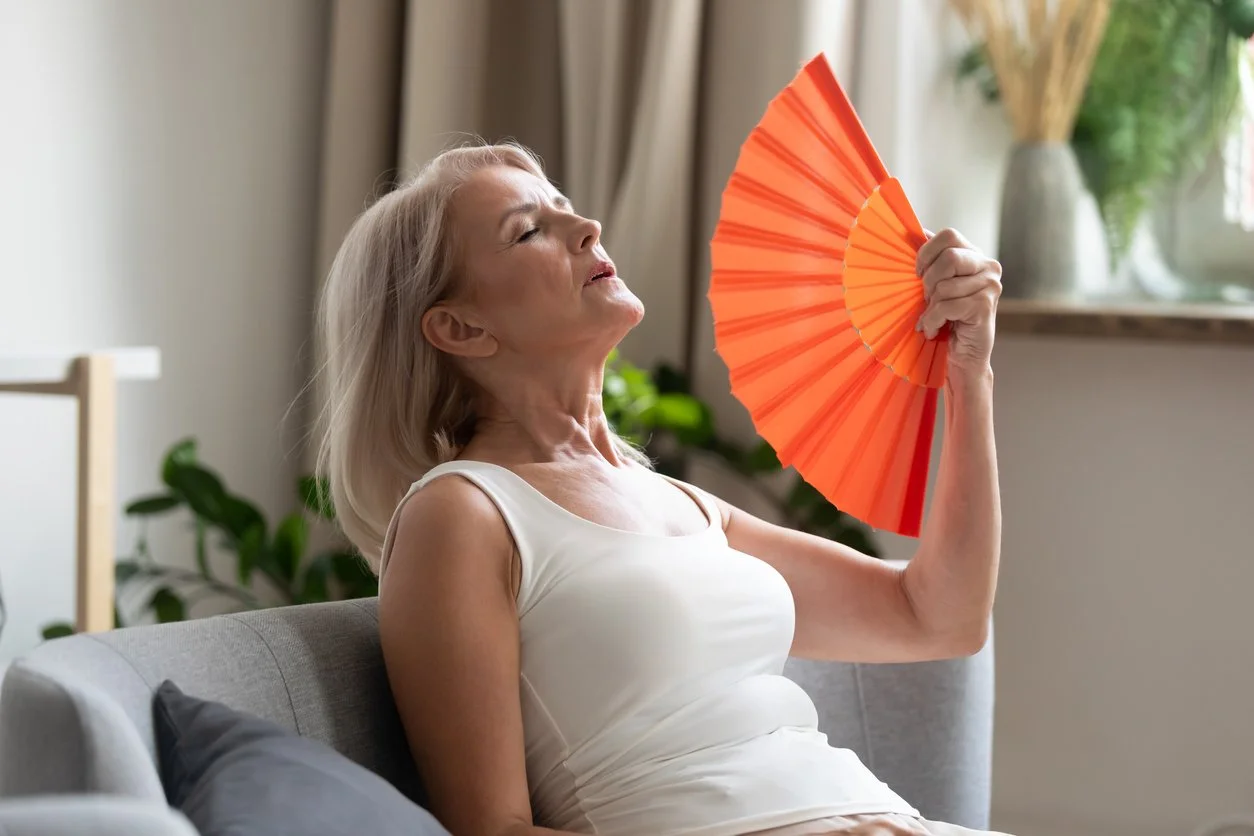
While some women sail through menopause with minimal symptoms, others experience a range of bodily changes, from hot flashes and night sweats to vaginal dryness. Hot flashes are among the most prevalent symptoms, characterized by a sudden, intense feeling of heat, often followed by sweating and a rapid heartbeat. Night sweats are essentially hot flashes that occur at night and can disrupt sleep, subsequently affecting mood.
Learn more about how menopause and fluctuating hormones can affect your overall mood in our blog post, Moody Menopause.
Effective Management of Symptoms
Addressing the symptoms of menopause doesn't have to be a solitary journey. Various treatments exist, including lifestyle changes like improving sleep hygiene and incorporating exercise. Nonprescription remedies, such as herbal supplements, are also available, though their efficacy varies.
For more persistent symptoms, hormone replacement therapy or non-hormonal prescription medications may be suitable. Moreover, vaginal atrophy, another common issue, can be managed using over-the-counter lubricants or, in more severe cases, low-dose vaginal estrogen products.
Learn more about hormone therapy and see if it’s the right option for you in our blog posts about hormone therapy for women:

Conclusion & Summary
Menopause is a natural chapter in the grand narrative of a woman's life. Though the symptoms and experiences can vary widely, knowledge is your strongest ally in navigating these changes gracefully.
Consult healthcare professionals, adopt lifestyle changes, and explore treatments that work best for you. Most importantly, remember you're not alone on this journey. At Bonza Health, we believe in empowering women like you to reclaim your vitality as you transition through this life-altering period.
Join our FREE Perimenopause Support Group on Facebook to connect with an empowering and supportive community of women who are also on their perimenopause journey!
Remember, each woman's menopause journey is unique. Take the time to understand your body, consult professionals, and find a community that supports you. Because, in the end, this is not just about managing symptoms; it's about embracing a new phase of life with confidence and vitality.
Follow our Instagram page for more holistic tips on managing your perimenopause or menopause symptoms and more!