Unveiling the Mysteries of Menopause: What Science Tells Us About Women's Health Across Lifetimes
Written and edited by Sarah Bonza MD. MPH, FAAFP, DipABLM, NBC-HWC
Menopause is a natural biological event that every woman will experience, usually between the ages of 45 and 55. However, despite its ubiquity, it remains a topic fraught with misinformation, stigma, and unanswered questions. Research funded by the National Institute on Aging (NIA) is aiming to change that, particularly by examining how menopause affects women from diverse racial and ethnic backgrounds.
Understanding Menopause: More Than Just "The Change"
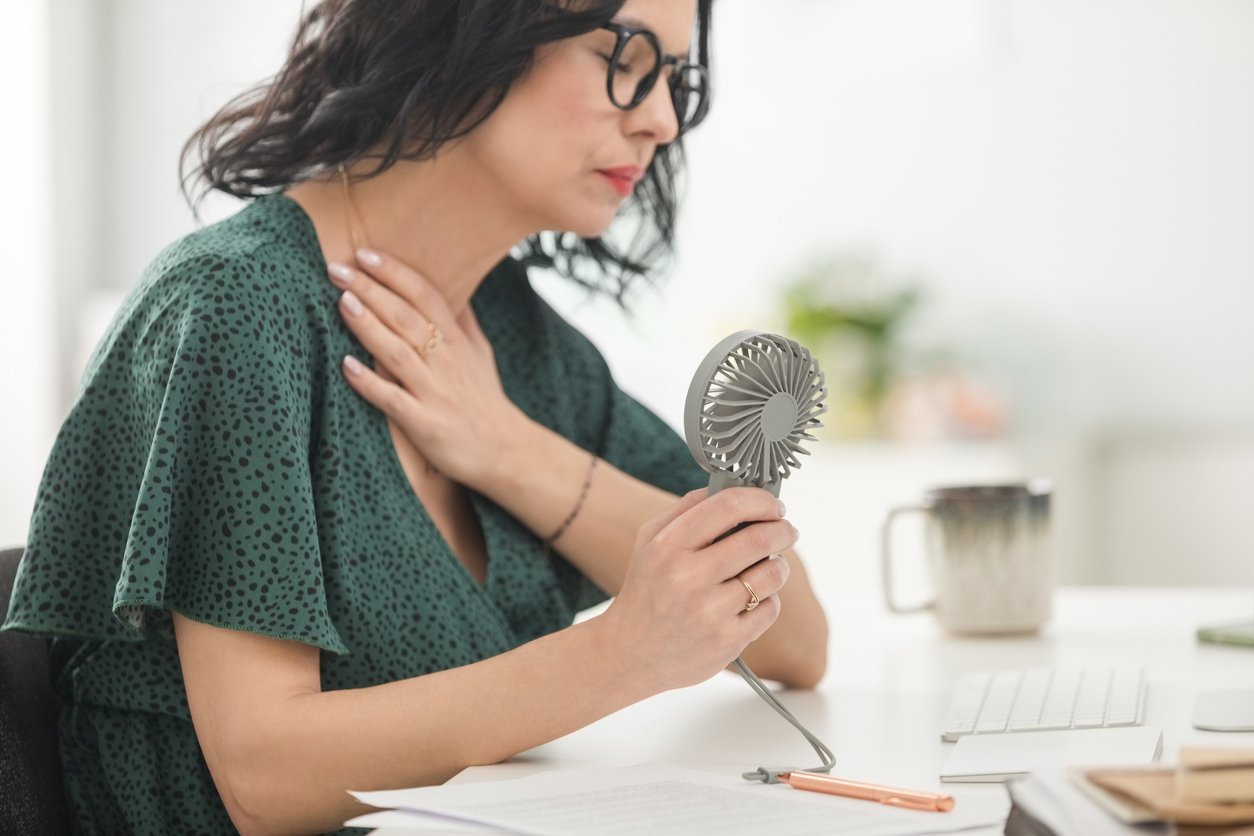
Menopause occurs 12 months after a woman's last menstrual period. The years leading up to that point are known as perimenopause or the menopausal transition. This period is characterized by significant fluctuations in hormone levels, leading to a range of symptoms like hot flashes and sleep disturbances.
It is a significant midlife event that lasts for about seven years on average. Understanding the complexities of this transition can offer insights into aging, specifically how events in early- and midlife can affect health in later years.
Learn more about Menopause 101 in our blog post, The Journey Through Menopause: Understanding the Basics and Embracing Change.
Distinguishing Between Aging and Menopausal Changes
One of the key contributions of NIA-funded research is the differentiation between symptoms due to natural aging and those specifically tied to menopause. Both men and women experience declines in physical health and functionality as they age.
However, women may also face additional health challenges tied to menopause, such as cardiovascular issues. Research in this area is critical because the onset of certain conditions could be more closely linked to menopausal transition rather than chronological aging.
The Role of Diversity in Menopause Research
The Study of Women's Health Across the Nation (SWAN) has been a groundbreaking research initiative in this space. SWAN takes a multicultural approach, including participants from diverse racial and ethnic groups. This is instrumental in capturing the full spectrum of menopausal experiences.
For instance, black women were found to experience arterial stiffness earlier than white women, pointing to the importance of tailored healthcare approaches for different populations.

Hormone Therapy: A Closer Look
The question of whether hormone treatments are safe and effective is a prevalent one. While initial studies such as the Women's Health Initiative raised concerns, more recent research suggests that hormone therapy may be beneficial for women during the menopausal transition if they have low cardiovascular risk.
The Kronos Early Estrogen Prevention Study (KEEPS) further supported this, showing that menopausal hormone therapy (MHT) can be effective for treating menopausal symptoms without significant adverse cardiovascular or cognitive effects for certain women.
Read more about hormone therapy and the North American Menopause Society statement about hormone therapy for women in our post, 2022 NAMS Position Statement on Hormone Therapy - What Every Woman Must Know Now!
Exploring Alternative Treatments
Of course, hormone therapy is not a suitable option for every woman. This has led researchers to explore non-hormonal treatment avenues, such as cognitive behavioral therapy for insomnia and medications like SSRIs and SNRIs, which have shown promise in improving menopausal symptoms like hot flashes and sleep problems.

Menopause and Brain Health
Emerging research also points to a relationship between menopause and brain health. Vasomotor symptoms like hot flashes and night sweats may be associated with changes in cognitive function and even brain lesions, according to preliminary findings. Understanding these links can offer critical insights into how menopause could affect women’s long-term health, including their risk for conditions like Alzheimer’s disease.
Empowering Women Through Knowledge
The existing gaps in our understanding of menopause are slowly being filled by ongoing research. As healthcare providers, it is our duty to stay abreast of these findings to provide the best care possible. After all, knowledge is empowerment. Women deserve to navigate the complexities of menopause armed with the best information, individualized treatment options, and a supportive healthcare community.
By recognizing the diverse experiences of women going through menopause, and by delving into the direct and indirect implications on long-term health, we can offer a more comprehensive and empathetic approach to women's healthcare. This is not just about managing symptoms but about enhancing the overall well-being of women as they navigate this significant life transition.
Be sure to follow our Instagram page for more tips and tools to help you manage your symptoms and balance your hormones!