
Understanding Menopause and Perimenopause: A Comprehensive Guide for Women

Perimenopausal professional woman
Written and edited by Sarah Bonza MD, MPH, FAAFP, DipABLM, NBC-HWC
Menopause and perimenopause are significant phases in a woman's life, often accompanied by a myriad of symptoms that can affect physical, emotional, and mental well-being. As a board-certified family physician with over 20 years of experience, I understand the challenges women face during these transitions. At Bonza Health, we are dedicated to helping menopausal and perimenopausal women reclaim their vitality through personalized care. This blog aims to provide a comprehensive understanding of menopause and perimenopause, encouraging women to seek professional care to manage their symptoms effectively.
What is Menopause?
Menopause marks the end of a woman's menstrual cycles and reproductive years. It is diagnosed after 12 consecutive months without a menstrual period. The average age of menopause in the United States is 51, but it can occur anytime between the ages of 40 and 58. Menopause is a natural biological process, but the symptoms associated with it can significantly impact a woman's quality of life.
Symptoms of Menopause
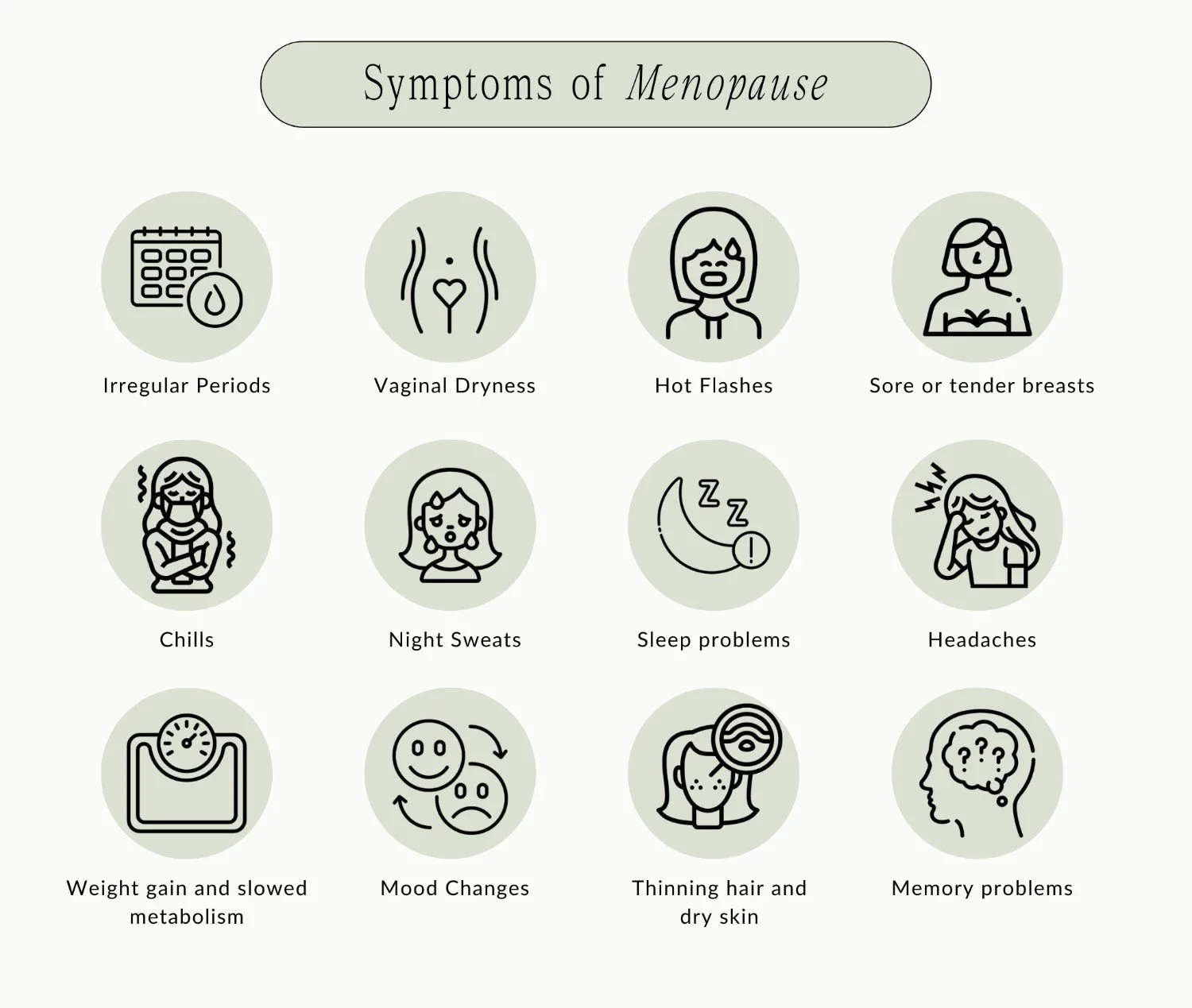
The symptoms of menopause vary widely among women. Some may experience mild symptoms, while others may find them severe and disruptive. Common symptoms include:
Hot Flashes and Night Sweats: Sudden feelings of heat, often accompanied by sweating and flushing, are the most common symptoms. These can occur during the day or night, disrupting sleep.
Vaginal Dryness: Decreased estrogen levels can lead to thinning and drying of vaginal tissues, causing discomfort during intercourse and increasing the risk of urinary tract infections.
Mood Changes: Hormonal fluctuations can cause mood swings, irritability, anxiety, and depression.
Sleep Problems: Insomnia and frequent waking, often due to night sweats, are common during menopause.
Physical Changes: Weight gain, thinning hair, dry skin, and loss of breast fullness are also associated with menopause.
What is Perimenopause?
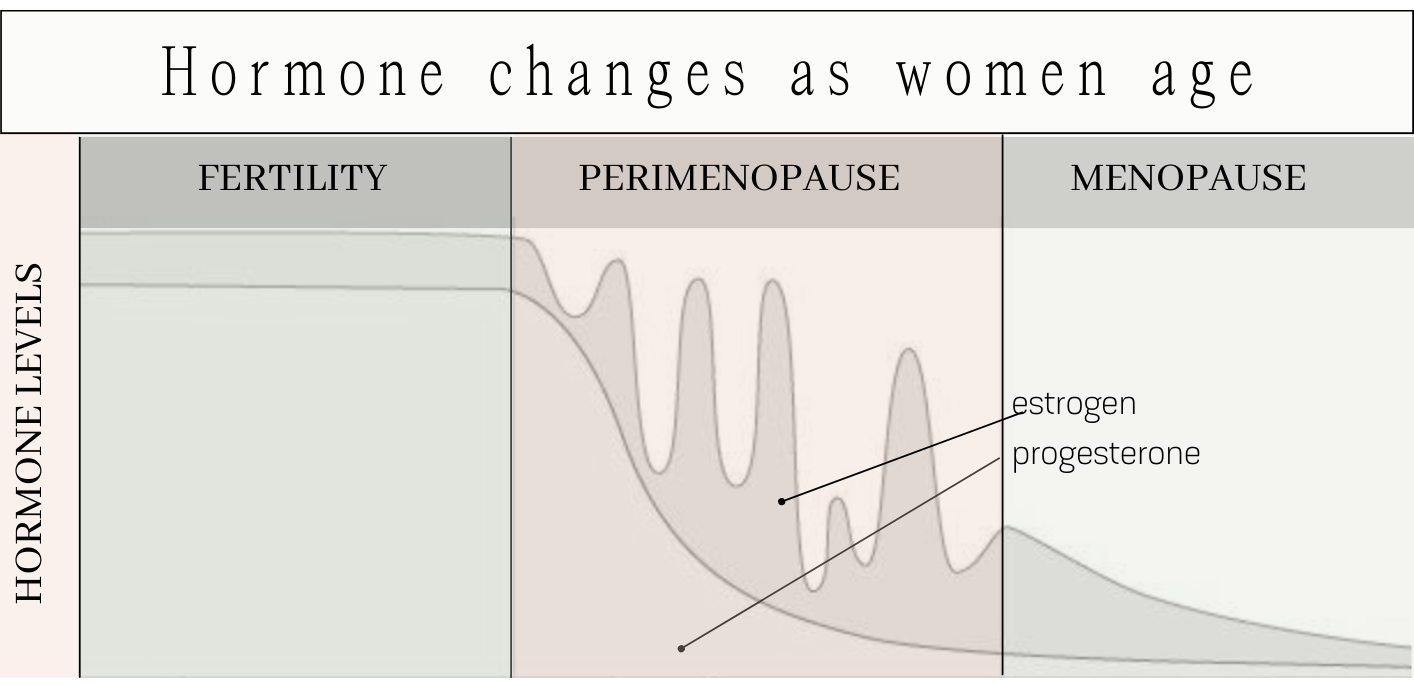
Fluctuations of estrogen that contribute to severity of symptoms during perimenopause
Perimenopause, or the menopausal transition, is the period leading up to menopause. It typically begins in a woman's 40s but can start as early as the mid-30s. During perimenopause, the ovaries gradually produce less estrogen, leading to irregular menstrual cycles and various symptoms similar to those of menopause.
Symptoms of Perimenopause
The symptoms of perimenopause can be as varied and challenging as those of menopause. They include:
Irregular Periods: Menstrual cycles may become longer or shorter, and periods may be heavier or lighter than usual.
Hot Flashes and Night Sweats: These vasomotor symptoms are common during perimenopause and can vary in intensity and frequency.
Mood Swings: Emotional instability, including increased irritability and depression, is often reported.
Sleep Disturbances: Difficulty falling asleep or staying asleep is common, often exacerbated by night sweats.
Vaginal Dryness: Similar to menopause, vaginal dryness can cause discomfort and pain during intercourse.
Managing Menopause and Perimenopause Symptoms
At Bonza Health, we offer a holistic approach to managing menopause and perimenopause symptoms, combining traditional medical treatments with lifestyle and wellness strategies.
Hormone Therapy

Woman applying menopause hormone therapy patch
Hormone therapy (HT) is one of the most effective treatments for relieving menopausal symptoms. It involves the administration of estrogen, with or without progesterone, to replenish hormone levels. HT can be delivered through pills, patches, gels, or vaginal creams. However, it is essential to discuss the risks and benefits with your healthcare provider, as HT may not be suitable for everyone.
Non-Hormonal Treatments

Perimenopausal woman taking
For women who cannot or choose not to use hormone therapy, several non-hormonal options are available:
Antidepressants: Certain antidepressants, particularly selective serotonin reuptake inhibitors (SSRIs), can help manage hot flashes and mood swings.
Gabapentin: Originally used to treat seizures, gabapentin has been found effective in reducing hot flashes.
Clonidine: A blood pressure medication that can also help alleviate hot flashes.
Veozah (fezolinetant) is a newly FDA-approved nonhormonal medication designed to treat moderate to severe vasomotor symptoms (VMS) such as hot flashes and night sweats.
Lifestyle Modifications

Menopausal women practicing healthy lifestyle habits
Lifestyle changes can significantly impact the management of menopause and perimenopause symptoms:
Diet and Nutrition: A balanced diet rich in fruits, vegetables, whole grains, and lean proteins can help manage weight and improve overall health. Avoiding caffeine, alcohol, and spicy foods can reduce hot flashes.
Exercise: Regular physical activity can help maintain a healthy weight, improve mood, and reduce the risk of osteoporosis and heart disease.
Stress Management: Techniques such as yoga, meditation, and deep breathing exercises can help manage stress and improve sleep quality.
Personalized Care at Bonza Health
At Bonza Health, we understand that every woman's experience with menopause and perimenopause is unique. Our approach is personalized, focusing on individual needs and preferences. We offer:

Personalized menopausal care
Comprehensive Assessments: We conduct thorough evaluations to understand your symptoms, medical history, and lifestyle.
Customized Treatment Plans: Based on your assessment, we develop a tailored treatment plan that may include hormone therapy, non-hormonal treatments, lifestyle modifications, and wellness strategies.
Ongoing Support: We provide continuous support and follow-up to ensure your treatment plan is effective and make adjustments as needed.
Success Stories
One of our patients, who had been suffering from severe hot flashes and night sweats, found significant relief through a combination of hormone therapy and lifestyle changes. Another patient, struggling with mood swings and anxiety, benefited from a personalized plan that included hormone therapy and stress management techniques. These success stories highlight the positive impact of our comprehensive approach to menopause care.
Conclusion
Menopause and perimenopause are natural phases in a woman's life, but the symptoms can be challenging. At Bonza Health, we are committed to helping women navigate these transitions with personalized, compassionate care. If you are experiencing symptoms of menopause or perimenopause, we encourage you to seek professional help. Together, we can develop a plan to manage your symptoms and improve your quality of life.For more information or to schedule a consultation, visit our website or contact us at Bonza Health. Let us help you reclaim your vitality and embrace this new chapter with confidence and well-being. By providing a comprehensive overview of menopause and perimenopause, this blog aims to educate and encourage women to seek professional care. The inclusion of personalized care options and success stories helps build trust and highlights the benefits of seeking treatment at Bonza Health.
Are you struggling with the symptoms of menopause or perimenopause? Reclaim your vitality and well-being with personalized care from Dr. Bonza at Bonza Health. Sign up for a consultation today and discover life-changing treatments tailored to your unique needs. Don't wait—take the first step towards feeling better now! [Schedule Your Consultation Now]

Sign up for Fullscript to shop professional-grade perimenopause supplements.
