Collagen vs. Protein Powder: A Guide for Vegetarian Women to Build Muscle and Maintain Youthful Skin
Written and edited by Sarah Bonza MD, MPH, MSCP, FAAFP, DipABLM, NBC-HWC
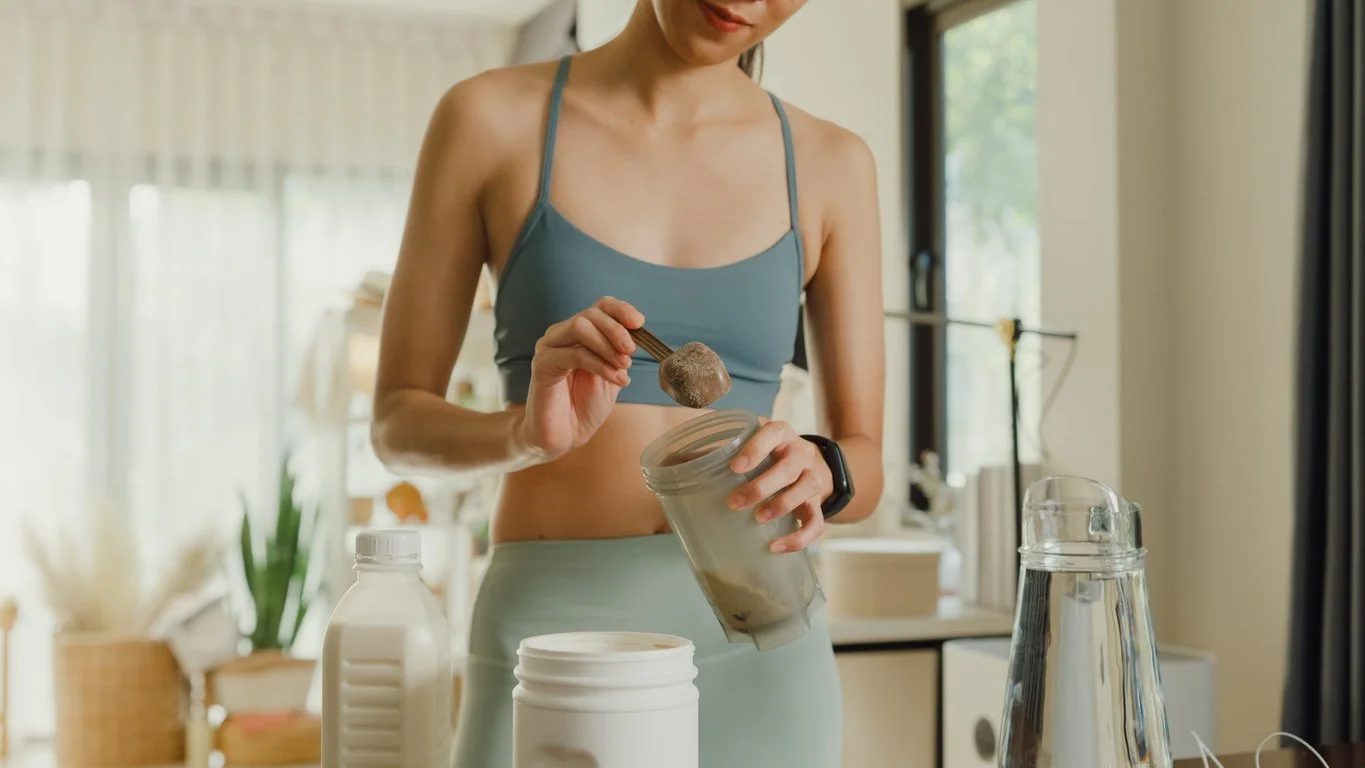
As a vegetarian woman, you may find yourself torn between two health goals: building muscle and maintaining youthful, glowing skin. Two popular supplements often come up in this conversation—collagen and protein powder. But what’s the difference, and how can you, as a vegetarian, benefit from both without relying on animal-based products?
Understanding Collagen and Protein Powder
What is Collagen?
Collagen is the most abundant protein in the human body, making up about 30% of your total protein content. It’s a key component of connective tissues, including skin, hair, nails, and joints. Collagen provides structure and elasticity to your skin, strengthens hair, and supports joint health.
However, collagen is primarily derived from animal sources, such as bovine (cow) or marine (fish) collagen. This poses a challenge for vegetarians and vegans who avoid animal products.
What is Protein Powder?
Protein powder is a concentrated source of protein used to support muscle repair, growth, and overall health. While whey protein (derived from milk) is popular, plant-based options like pea protein, hemp protein, and rice protein are excellent alternatives for vegetarians.
The Benefits of Collagen for Vegetarian Women
Collagen plays a vital role in maintaining youthful skin, strong hair, and healthy joints. While direct collagen supplementation isn’t an option for vegetarians, you can support your body’s natural collagen production through:
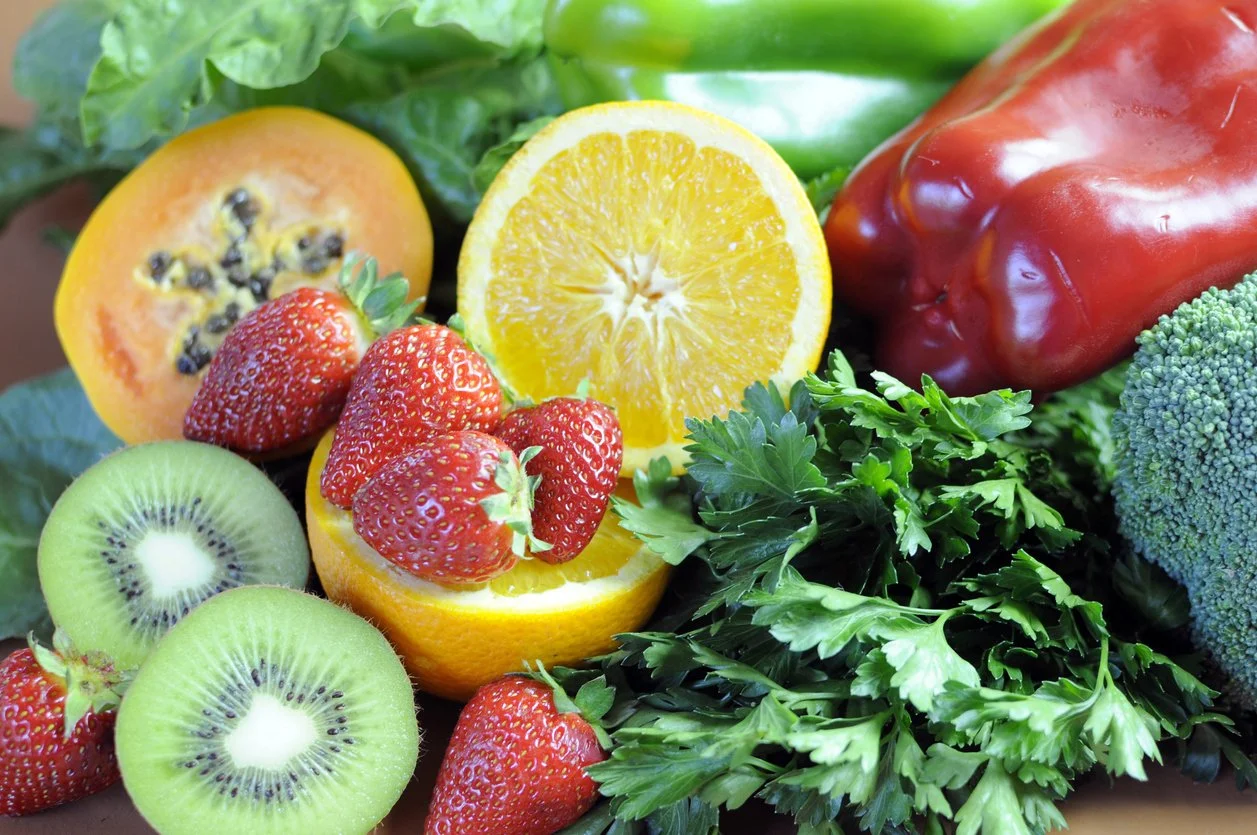
Focus on vitamin C for skin, hair and nail health during perimenopause to promote collagen formation
Vitamin C-Rich Foods: Vitamin C is essential for collagen synthesis. Include citrus fruits, bell peppers, strawberries, and broccoli in your diet.
Lysine-Rich Foods: Lysine is an amino acid crucial for collagen production. Vegetarian sources include legumes, tofu, tempeh, and quinoa.
Antioxidants: Protect your skin from oxidative stress with berries, leafy greens, and nuts.
Emerging Vegan Collagen Boosters: Algae-based supplements and specific plant extracts are now available to support collagen production.
The Benefits of Pea Protein for Vegetarian Women
Pea protein is a standout plant-based protein powder for vegetarians. Here’s why:
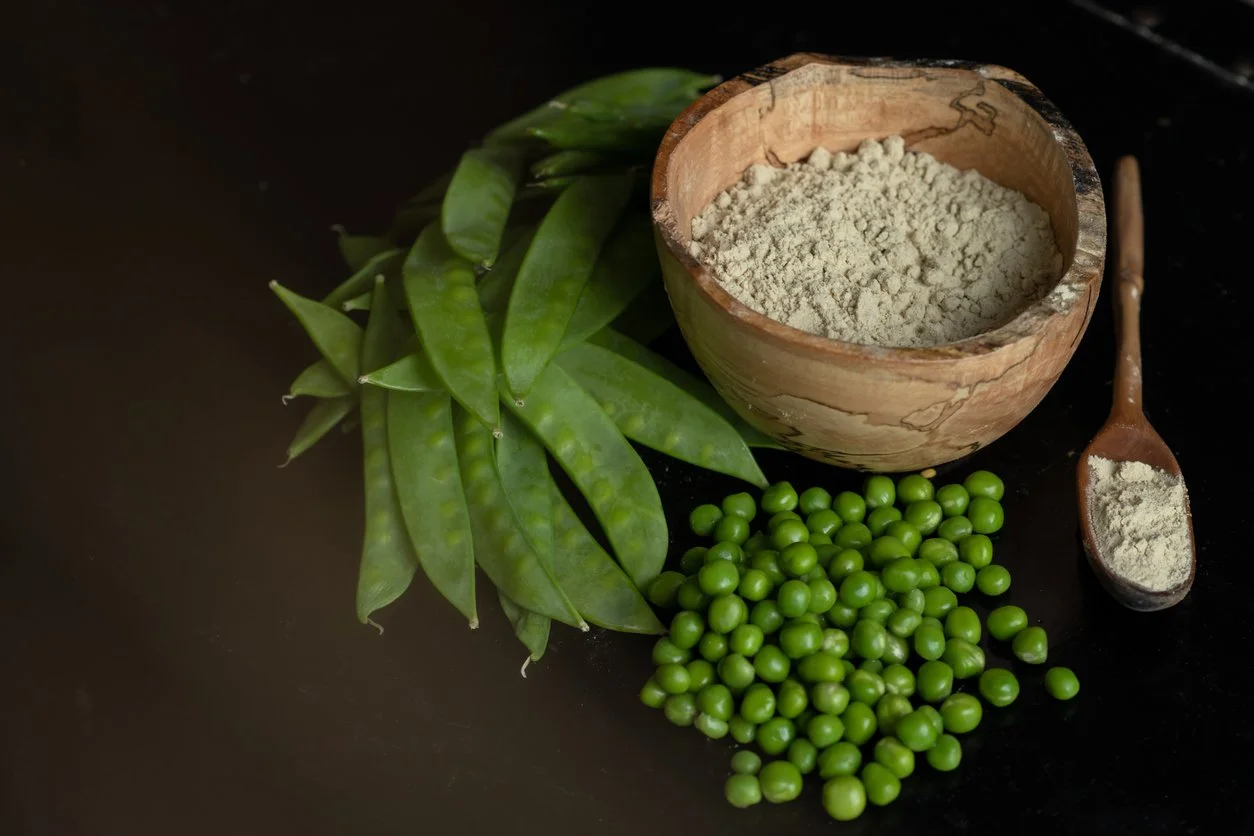
Pea protein is great for vegetarians who want to build muscle and prevent sarcopenia in perimeopause
Muscle Building: Pea protein is rich in branched-chain amino acids (BCAAs), which are essential for muscle repair and growth.
Digestibility: Unlike some plant proteins, pea protein is easy to digest and less likely to cause bloating.
Sustainability: Pea protein is environmentally friendly, requiring less water and land compared to animal-based proteins.
Complete Protein: While pea protein is slightly low in methionine, combining it with rice protein creates a complete amino acid profile.
How to Incorporate Both into a Vegetarian Diet
Collagen-Boosting Foods
Vitamin C: Citrus fruits, bell peppers, strawberries.
Lysine: Legumes, tofu, tempeh, quinoa.
Antioxidants: Berries, leafy greens, nuts, seeds.
Pea Protein Sources
Pea Protein Powder: Add to smoothies, oatmeal, or baked goods.
Whole Foods: Peas, lentils, chickpeas.
Supplementation
Vegan Collagen Boosters: Look for algae-based supplements or vitamin C-rich formulations.
High-Quality Pea Protein: Choose a reputable brand with minimal additives
Scientific Backing: Why This Works
Research shows that:
Vitamin C supplementation significantly increases collagen synthesis in the skin (1).
Pea protein is as effective as whey protein in promoting muscle thickness and strength when combined with resistance training (2).
Antioxidants like those found in berries and leafy greens protect collagen from degradation caused by UV exposure and aging (3).
Conclusion
As a vegetarian woman, you don’t have to choose between building muscle and maintaining youthful skin. By focusing on collagen-boosting foods and incorporating high-quality pea protein into your diet, you can achieve both goals without compromising your values. Remember, your body is capable of amazing things when fueled with the right nutrients.
Explore Bonza Health’s plant-based nutrition guides for more tips on optimizing your diet for muscle building and radiant skin!
Sign up for Fullscript to shop professional-grade perimenopause supplements.
References
Pullar, J. M., Carr, A. C., & Vissers, M. C. (2017). The roles of vitamin C in skin health. Nutrients, 9(8), 866.
Babault, N., Païzis, C., Deley, G., et al. (2015). Pea protein supplementation promotes muscle thickness gains during resistance training. Journal of the International Society of Sports Nutrition, 12(1), 3.
Schagen, S. K., Zampeli, V. A., Makrantonaki, E., & Zouboulis, C. C. (2012). Discovering the link between nutrition and skin aging. Dermato-endocrinology, 4(3), 298-307.