The Science of Gray Hair in Perimenopause: Mechanism, Prevention, and Top Supplements
Edited by Sarah Bonza MD, MPH, FAAFP, MSCP, DipABLM, NBC-HWC
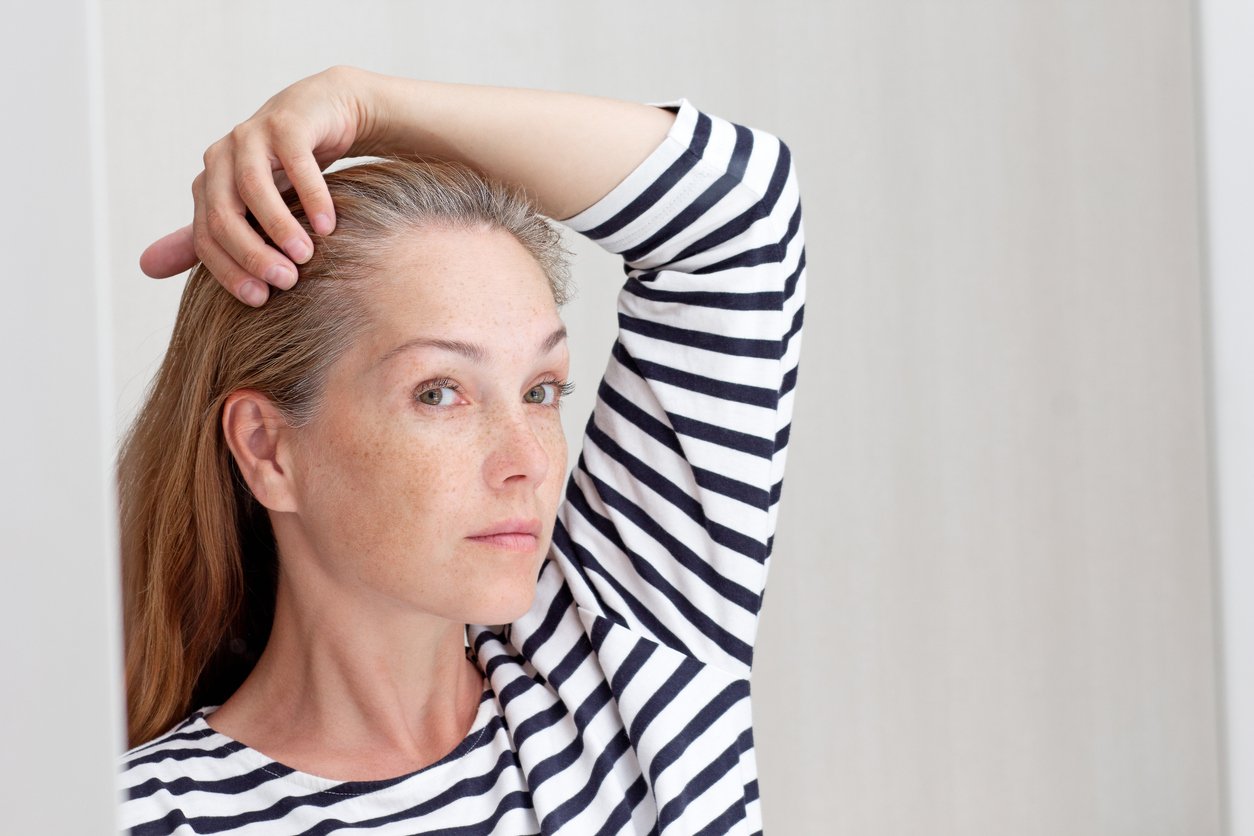
Slowing hair graying in perimenopause
Gray hair is often seen as a hallmark of aging, but for many women, the transition to gray can feel particularly abrupt during perimenopause and menopause. While genetics play a significant role in determining when and how quickly hair grays, the hormonal and physiological changes that occur during menopause can accelerate the process. Understanding the science behind gray hair and adopting evidence-based strategies can help slow its progression and maintain healthy, vibrant hair. In this blog, we’ll explore the mechanisms of graying hair, discuss strategies to slow the process, and highlight top supplements supported by scientific research.
Introduction to Graying Hair in Perimenopause and Menopause
Hair graying is a natural part of aging, but for women in perimenopause and menopause, it can feel like it happens overnight. This is because the hormonal fluctuations and oxidative stress associated with menopause can accelerate the loss of hair pigment. While gray hair is often seen as a cosmetic concern, it can also be a sign of underlying nutritional deficiencies or oxidative damage. By understanding the mechanisms behind graying hair and taking proactive steps, women can slow the process and maintain healthier, more manageable hair.
Mechanisms of Graying Hair
1. Melanocyte Stem Cell Depletion
Hair color is determined by melanin, a pigment produced by melanocytes in the hair follicle. Over time, the stem cells responsible for replenishing melanocytes become depleted, leading to a reduction in melanin production. This depletion is accelerated by aging and oxidative stress, both of which are heightened during menopause.
2. Oxidative Stress
Reactive oxygen species (ROS) are unstable molecules that damage cells, including melanocytes. During menopause, the body’s natural antioxidant defenses decline, leading to an accumulation of ROS. This oxidative stress damages melanocytes and their stem cells, contributing to hair graying.
3. Hormonal Changes
Estrogen plays a protective role in maintaining hair health and melanocyte activity. As estrogen levels decline during menopause, melanocyte function may be impaired, leading to reduced melanin production. Additionally, hormonal imbalances can increase oxidative stress, further accelerating graying.
4. Genetic Factors
Genetics determine the timing and pace of hair graying. If your parents or grandparents experienced premature graying, you may be more likely to do so as well.
5. Nutritional Deficiencies
Deficiencies in key nutrients, such as copper, zinc, and B vitamins, can impair melanin production and overall hair health. Ensuring adequate intake of these nutrients is essential for maintaining hair color and vitality.
Evidence-Based Strategies to Slow Hair Graying
1. Reduce Oxidative Stress
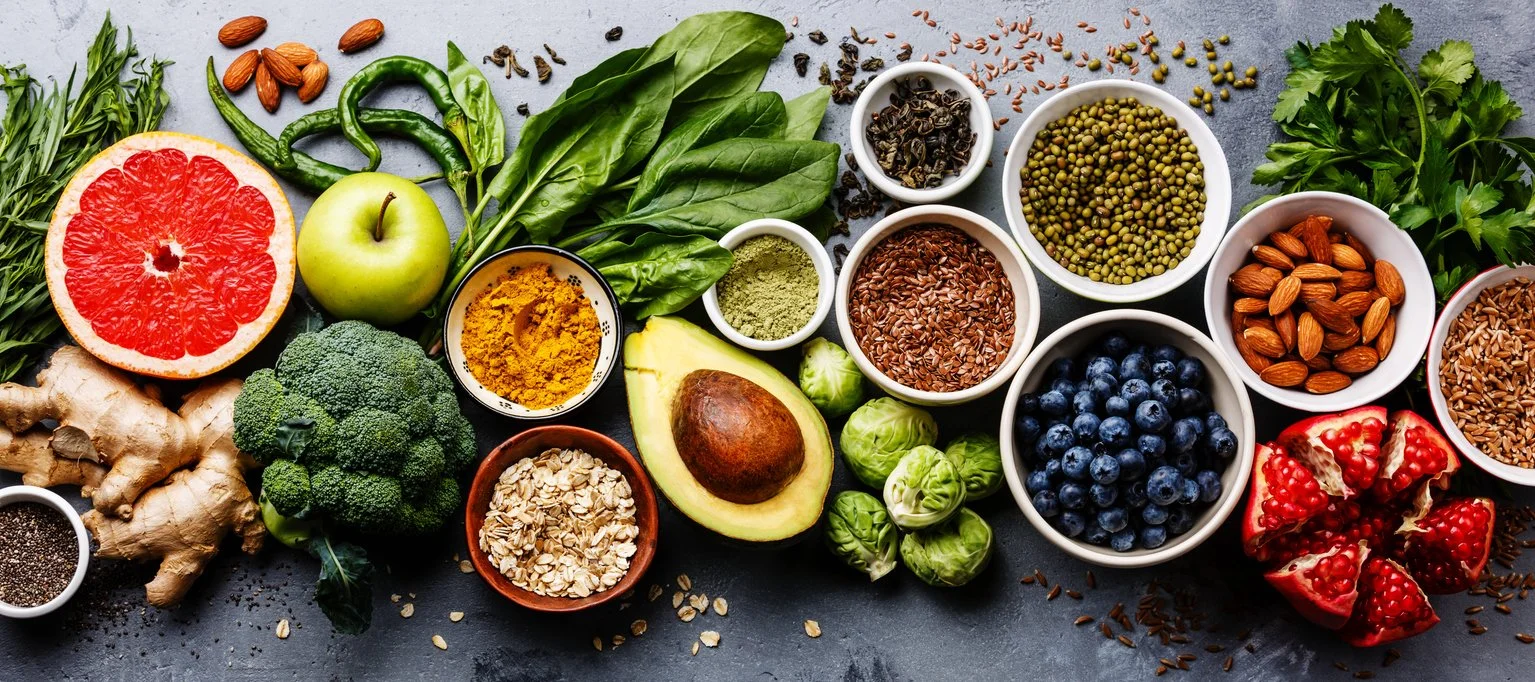
Dietary Antioxidants: Incorporate antioxidant-rich foods like berries, leafy greens, nuts, and seeds into your diet.
Lifestyle Changes: Avoid smoking and excessive alcohol consumption, both of which increase oxidative stress.

Meditation to contribute to stress reduction in perimenopause
2. Support Melanocyte Function
Nutrient-Rich Diet: Ensure adequate intake of nutrients that support melanin production, such as copper, zinc, and B vitamins.
Topical Treatments: Consider using products containing catalase or other antioxidants to protect hair follicles.
3. Hormonal Balance
Bioidentical Hormone Replacement Therapy (BHRT): Consult with a healthcare provider about BHRT to support estrogen levels.
Phytoestrogens: Incorporate phytoestrogen-rich foods like soy, flaxseeds, and chickpeas into your diet.
4. Scalp and Hair Care
Gentle Hair Care: Use sulfate-free shampoos and conditioners to maintain scalp health.
Avoid Damage: Minimize heat styling and chemical treatments, which can weaken hair and exacerbate graying.

Sign up for Fullscript to shop professional-grade perimenopause supplements.
Top Supplements for Preventing Hair Graying
Below is a list of evidence-based supplements supported by PubMed research that can help slow hair graying and promote overall hair health:
1. Catalase
Mechanism: Catalase is an enzyme that breaks down hydrogen peroxide, a major contributor to oxidative stress in hair follicles.
Research: Studies suggest that catalase supplementation may help slow graying by reducing oxidative damage [1].
2. Copper
Mechanism: Copper is essential for melanin synthesis. Deficiency can lead to premature graying.
Research: Adequate copper levels support melanocyte function and hair pigmentation {2].
3. Zinc
Mechanism: Zinc supports hair follicle health and has antioxidant properties that protect melanocytes.
Research: Zinc deficiency is linked to hair loss and premature graying.
Reference:
4. B Vitamins (Biotin, B12, Folate)
Mechanism: B vitamins are crucial for cellular energy production and hair health. Deficiencies in B12 and folate are linked to premature graying.
Research: Supplementation can improve hair pigmentation and overall health [3].
5. Vitamin D
Mechanism: Vitamin D supports hair follicle cycling and may help maintain melanocyte activity.
Research: Low vitamin D levels are associated with hair loss and graying [4].
6. Antioxidants (Vitamin C, Vitamin E, Selenium)
Mechanism: These antioxidants neutralize ROS and protect melanocytes from oxidative damage.
Research: Antioxidant supplementation can slow the graying process [5].
7. Omega-3 Fatty Acids
Mechanism: Omega-3s reduce inflammation and support scalp health, which may indirectly slow graying.
Research: Omega-3 supplementation improves hair density and texture [6].
8. Polyphenols (Green Tea Extract, Grape Seed Extract)
Mechanism: Polyphenols have potent antioxidant and anti-inflammatory properties that protect melanocytes.
Research: These compounds can reduce oxidative stress and support hair health [7].
9. Collagen
Mechanism: Collagen supports hair structure and may improve manageability and softness.
Research: Collagen supplementation can enhance hair strength and elasticity [8].
10. Ashwagandha
Mechanism: This adaptogen helps reduce stress, which is linked to premature graying.
Research: Ashwagandha supplementation can lower cortisol levels and support overall hair health [1].
Conclusion
Gray hair is a natural part of aging, but the hormonal and physiological changes of menopause can accelerate the process. By understanding the mechanisms behind graying hair and adopting evidence-based strategies—such as reducing oxidative stress, supporting melanocyte function, and ensuring adequate nutrient intake—women can slow the progression of gray hair and maintain healthier, more vibrant locks.
If you’re experiencing premature graying or other hair-related concerns during menopause, consult with a healthcare provider to develop a personalized plan.

Sign up for Fullscript to shop professional-grade perimenopause supplements.
REFERENCES:
[1] Seiberg, M. (2013), Age-induced hair greying – the multiple effects of oxidative stress. Int J Cosmet Sci, 35: 532-538. https://doi.org/10.1111/ics.12090
[2] Fatemi Naieni, F., Ebrahimi, B., Vakilian, H.R. et al. Serum Iron, Zinc, and Copper Concentration in Premature Graying of Hair. Biol Trace Elem Res146, 30–34 (2012). https://doi.org/10.1007/s12011-011-9223-6
[3] Almohanna, H.M., Ahmed, A.A., Tsatalis, J.P. et al. The Role of Vitamins and Minerals in Hair Loss: A Review. Dermatol Ther (Heidelb)9, 51–70 (2019). https://doi.org/10.1007/s13555-018-0278-6
[4] Lin, J., Fisher, D. Melanocyte biology and skin pigmentation. Nature445, 843–850 (2007). https://doi.org/10.1038/nature05660
[5] Pincemail J, Meziane S. On the Potential Role of the Antioxidant Couple Vitamin E/Selenium Taken by the Oral Route in Skin and Hair Health. Antioxidants. 2022; 11(11):2270. https://doi.org/10.3390/antiox11112270
[6] Rajendrasingh, R.R. (2018). Nutritional Correction for Hair Loss, Thinning of Hair, and Achieving New Hair Regrowth. In: Pathomvanich, D., Imagawa, K. (eds) Practical Aspects of Hair Transplantation in Asians. Springer, Tokyo. https://doi.org/10.1007/978-4-431-56547-5_71
[7] Sun, M., Deng, Y., Cao, X., Xiao, L., Ding, Q., Luo, F., Huang, P., Gao, Y., Liu, M., & Zhao, H. (2022). Effects of Natural Polyphenols on Skin and Hair Health: A Review. Molecules, 27(22), 7832. https://doi.org/10.3390/molecules27227832.
[8] Ahreum Kim, Yujin Kim, Jung Min Lee, Jin-Oh Chung, Jong Hwa Roh, Jung Ok Lee, Beom Joon Kim, The impact of AP collagen peptides (APCPs) on hair shaft elasticity and gloss: A comprehensive analysis. Journal of Functional Foods 122 https://doi.org/10.1016/j.jff.2024.106534.