Doctor's Secret Revealed: How I Tested My Own Hormones and Took Control of Perimenopause
Written and edited by Sarah Bonza MD. MPH, FAAFP, DipABLM, NBC-HWC
What I Learned From Having My Hormone Levels Tested
As I approached my mid-40s, I noticed several changes in my body, both physically and emotionally. My periods had become irregular, and I would experience hot flashes and mood swings out of nowhere. My energy levels were also decreasing, and I felt a constant sense of fatigue.
As a physician, I knew this was not normal, but I could not convince my doctor to do anything about it. That's when I decided to take charge of my health and get my hormone levels tested during perimenopause. I wanted to understand the cause of these changes and make informed decisions about my health.
Testing my hormone levels gave me a better understanding of my body and helped me to tailor my lifestyle choices to better support my health during this transitional time.
What is Perimenopause and How Does it Affect Women's Health?
Perimenopause is a natural biological transition period that occurs toward end of a woman's reproductive years. It occurs when the ovaries stop producing eggs and the levels of estrogen and progesterone hormones decrease.
Menopause can bring significant changes to a woman's body and health, including hot flashes, sleep disturbances, mood fluctuations, and vaginal dryness. However, it is important to remember that perimenopause is not a disease but a normal phase of female development.
It is sometimes referred to as second puberty due to the wide hormone level swings. With proper management and care, women can maintain good health and quality of life throughout the menopausal transition and beyond. Knowing the facts about menopause can help women make informed decisions about their health and well-being.
Understanding the Symptoms of Perimenopause
Perimenopause is the time before menopause and can last up to 10 years. Perimenopause is a transitional period that can bring a range of symptoms for women. It's important to understand these symptoms so that women can recognize them and seek help if needed.
Symptoms can include irregular periods, mood changes, hot flashes, difficulty sleeping, decreased sex drive, and vaginal dryness. Many women experience these symptoms differently, and some may not experience any at all. It's essential to listen to your body and take care of yourself during this time, whether that means seeking medical advice, practicing stress-reducing techniques, or adjusting your diet and exercise routine.
By understanding the symptoms of perimenopause, women can navigate this period of life with greater ease and confidence.
Why I Decided to Test My Hormone Levels
As someone who's always been curious about the inner workings of their body, I decided to take the leap and test my hormone levels. It's no secret that hormones play a crucial role in our day-to-day lives, impacting everything from our mood to our metabolism. Knowing where my levels stand can give me greater control over my health and well-being. Plus, with the convenience of testing kits now available online, there's really no excuse not to take charge of your hormones.
Whether you're experiencing symptoms you suspect may be related to hormonal imbalances or simply want to understand your body better, testing is a worthwhile endeavor that can provide valuable insight into your health.
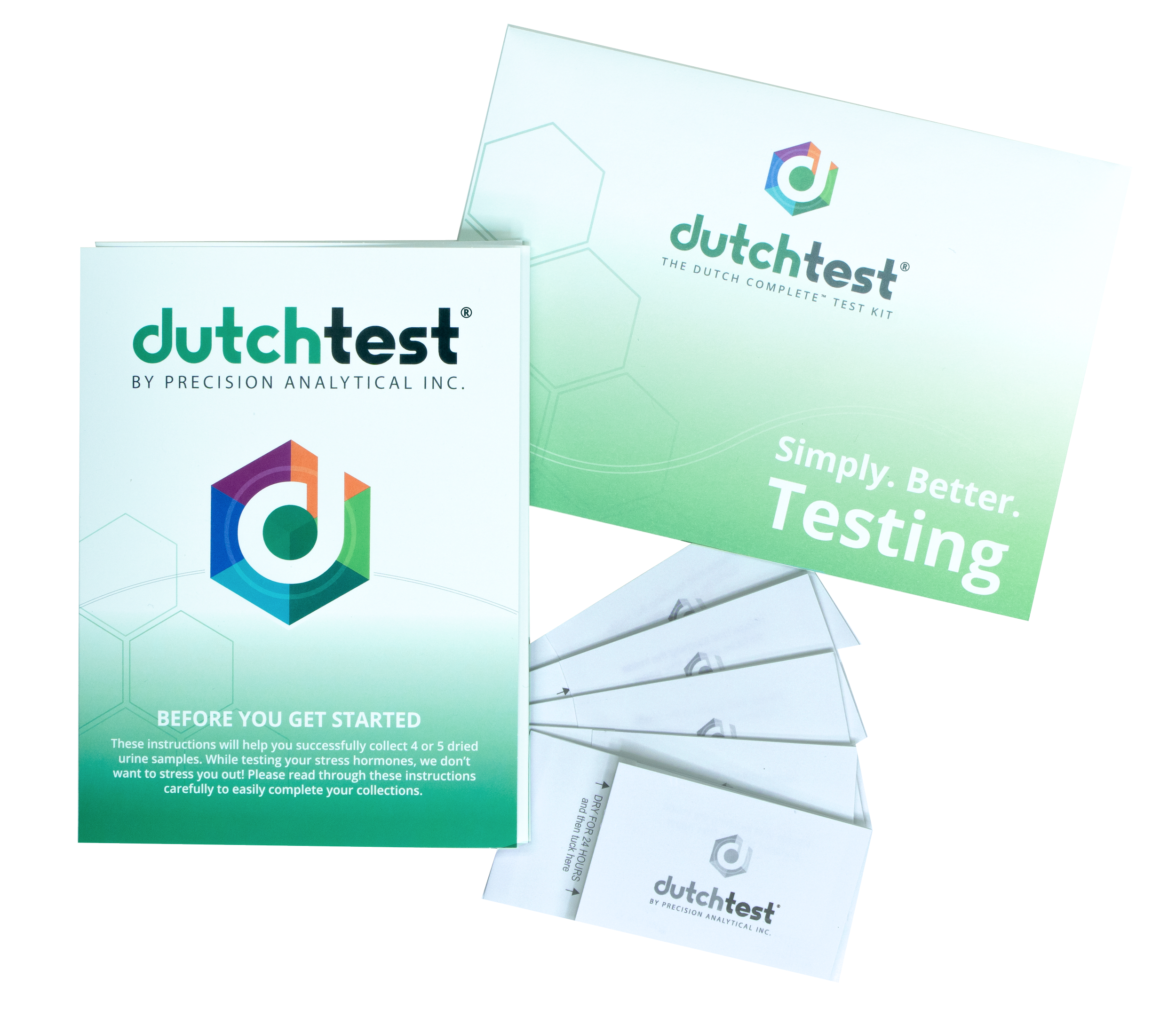
Source: www.dutchtest.com
What is the DUTCH Test and How Does it Work?
This innovative hormone panel assesses not only the level of hormones in your body, but also how they are being metabolized. By analyzing the patterns of both adrenal and sex hormones, the DUTCH test helps identify imbalances that can lead to symptoms such as fatigue, weight gain, and mood swings.
Unlike traditional blood tests, the DUTCH test uses saliva and urine samples collected over the course of the day to give a comprehensive picture of your hormone levels. With this information in hand, you and your healthcare provider can create a customized treatment plan to help you feel your best.
Consider joining the Bonza Health Portal to receive a DUTCH test and get direct, personalized access to Dr. Sarah Bonza for any questions you have about perimenopause!
My Experience with Testing and Results
After taking the DUTCH Plus test, my hormone panel assessment revealed that I have low levels of estrogen and even lower levels of progesterone. This means that even though I have low hormone levels overall, I am estrogen dominant. This means there is more estrogen in my body than progesterone. This hormonal imbalance can explain a variety of symptoms, most commonly fatigue, weight gain and mood swings.
It is important to note that It is not uncommon for U.S.-trained physicians to automatically prescribe estrogen when women are experiencing symptoms related to estrogen dominance, particularly if the individual is not experiencing menses. They also typically resort to antidepressants and recommendations for weight loss. However, my testing revealed that I may benefit from DHEA and Zinc to help boost my natural progesterone progesterone.
My testing also shows that I suffer from chronic stress and my adrenal glands are having trouble keeping up. Armed with this knowledge, I can also focus more on relaxation techniques including activation of my vagus nerve. I am also taking adaptogens including Ashwaghanda for my adrenal Testing is not necessary for everyone. I found it helpful in my case as lifestyle changes did not seem to improve all of my symptoms.

What is Estrogen Dominance?
Estrogen dominance is a condition in which the hormone estrogen is present in higher levels than progesterone. This occurs during early perimenopause when the ovaries produce less progesterone to counteract estrogen. The symptoms of estrogen dominance range from physical effects, such as irregular menstrual cycles, to emotional symptoms like mood swings and depression.
Learn more about Estrogen Dominance in my blog post, “Unpacking the Concept of Estrogen
Dominance: A Closer Look”,
Identifying estrogen dominance with the help of a DUTCH test can lead to better management strategies that target hormone imbalances, such as lifestyle changes, dietary adjustments and supplements. With early detection and treatment, women can achieve hormone balance during this important transition in their lives.
Benefits of Testing for Hormone Levels During Perimenopause
Perimenopause can be a challenging time for women, both physically and emotionally. Hormonal changes can result in a range of symptoms, from hot flashes and irritability to vaginal dryness and decreased sex drive. That's why testing for hormone levels during perimenopause can prove helpful.
By understanding how hormones are fluctuating, doctors can offer targeted treatment options that can alleviate symptoms and improve quality of life. Testing can also help identify any underlying health issues that may be contributing to symptoms, such as thyroid problems or polycystic ovary syndrome.
By addressing these issues early on, women can take proactive steps to manage their health and well-being during this often-difficult time.

Limitations of the DUTCH Test
While the DUTCH test is a helpful tool for understanding hormone levels during perimenopause, it does have some limitations. For one, the test may not be comprehensive enough to detect all types of hormone imbalances. It does not test thyroid levels.
Additionally, since saliva and urine samples are used in this test, there could be potential inaccuracies due to incorrect collection or storage methods. One of the biggest downfalls of testing hormone during perimenopause is the process of hormone changes is dynamic. This means your hormone levels can change dramatically from day to day and the testing offers a small snapshot of this process.
As with any medical testing procedure, results can vary based on individual differences and should always be discussed with a healthcare provider before making any changes to treatment plans. It is important not to generalize your overall health based upon the results of one test. In medicine, we learn to 'treat the patient, not the test result.
The cost of the DUTCH Plus test from Precision Analytical ranges from $499-$600 depending on the vendor. Genova Diagnostics also offers a comprehensive saliva and urine home based hormone test panel. These tests are completed at home using saliva and urine samples.
The cost of this hormone panel test is not covered by most health insurance benefits, however, so it is important to be aware of this additional financial burden when considering taking the test. Despite these limitations though, the DUTCH test can provide valuable insights into your hormonal health that can help you make informed decisions about how best to manage symptoms during perimenopause.

While menopause and perimenopause can be challenging times in a woman’s life, it is important to stay informed and take the best possible care of yourself. Testing your hormone levels allows you to identify imbalances and make changes to improve overall health. In my experience, the DUTCH test was easy to complete with results being available within two weeks.
After testing, I was able to more accurately target the lifestyle changes that were necessary for me during this time in order to achieve balance once again. I am grateful for the improved knowledge and understanding that I gained of my particular hormones through taking the DUTCH test and if you are experiencing perimenopause or menopausal symptoms don’t hesitate to find out which type of testing may be right for you.
As a physician who has gone through perimenopause, I encourage other women to proactively think about their hormonal health as they journey through menopause.
References:
1. Kazi, A., Kelly, S., & Lenton, E. (2014). Menopausal Hormone Testing with the DUTCH Test. Clinical Obstetrics and Gynecology, 57