Hysterectomy in Perimenopause: Beyond the Physical
Written and edited by Sarah Bonza MD, MPH, FAAFP, MSCP, DipABLM, NBC-HWC
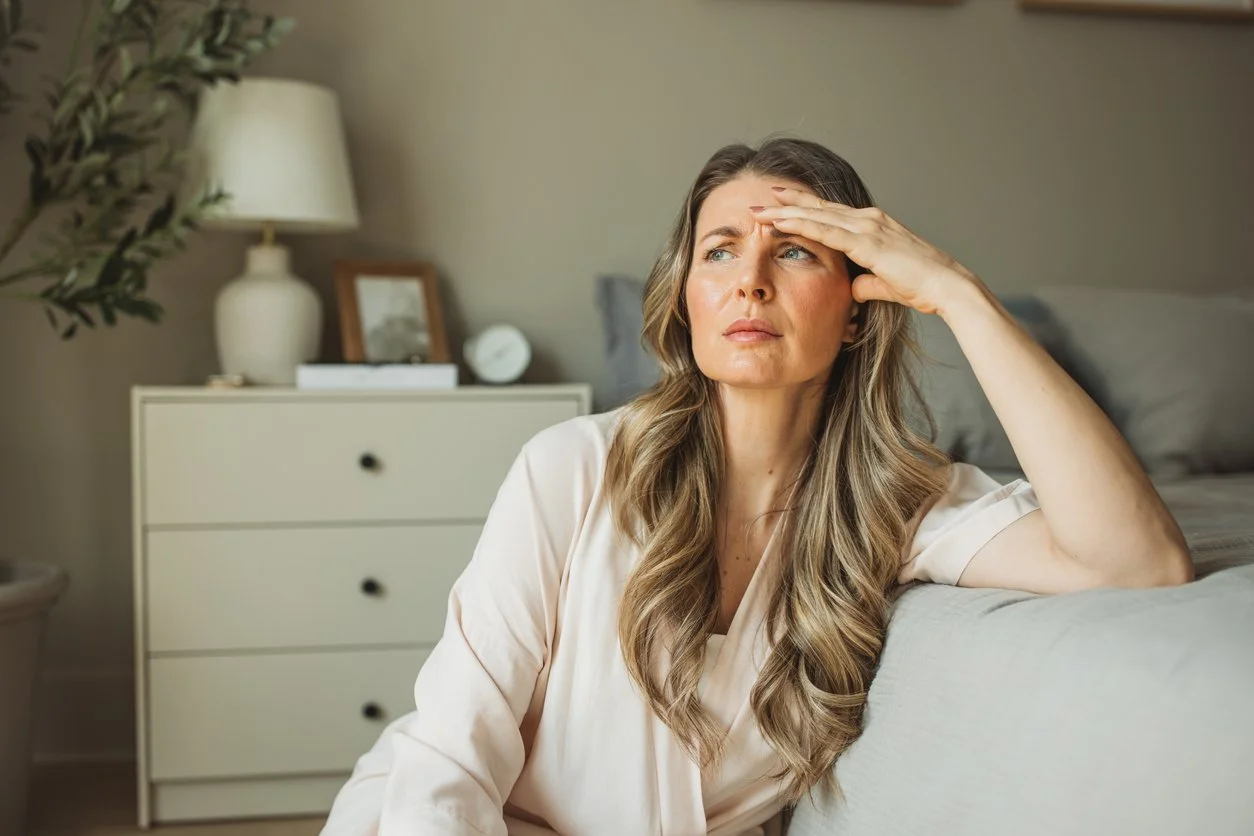
The emotional aftermath of hysterectomy is as varied as the women who undergo it. Some feel a profound sense of loss, others immense relief.
During perimenopause, hormonal fluctuations can cause periods to become unpredictable and much heavier. Fibroids, adenomyosis, or simple hormonal imbalances can all play a role.
When heavy bleeding persists despite hormonal therapy, tranexamic acid, or the levonorgestrel IUD, hysterectomy is often recommended as a definitive solution to the following:
Persistent symptoms: Heavy bleeding that doesn’t respond to medical management
Desire for relief: Years of symptoms drive many women to seek permanent solutions
Fertility considerations: By perimenopause, many have completed their families
Quality of life: Chronic bleeding affects work, relationships, and mental health

During perimenopause, hysterectomy is often recommended as a definitive solution to heavy bleeding that persists despite hormonal therapy, tranexamic acid, or the levonorgestrel IUD.
The Uterus: More Than an Organ
Across cultures, the uterus is seen as a source of life, creativity, and power. For some, it’s closely tied to identity, fertility, and sensuality. For others, it represents a burden of pain or fear.
Every story is unique, and every response to hysterectomy is valid. By age 60, about one in three women in the U.S. will have had a hysterectomy.
The Emotional Landscape: Grief, Relief, and Everything In Between
The emotional aftermath of hysterectomy is as varied as the women who undergo it. Some feel a profound sense of loss, others immense relief.
It’s common to experience:
Grief over the end of fertility or the loss of a body part central to identity
Relief at being free from chronic symptoms or fear
Uncertainty about living without a uterus
Empowerment from making a choice aligned with personal values

By age 60, about one in three women in the U.S. will have had a hysterectomy.
Sexuality and Sensation: A Patient's Story
One of the most important, yet often overlooked, aspects of hysterectomy is its impact on sexuality. I recently worked with a patient in her late 40s who underwent a total hysterectomy for severe perimenopausal bleeding. She shared with me, “No one told me I might feel different after surgery—emotionally or sexually.”
In the months following her surgery, she noticed a marked lack of libido and an inability to orgasm: both new experiences for her. This wasn’t just a physical change; it affected her sense of self, confidence, and connection with her partner. She described feeling isolated, as if her concerns were invisible in the larger conversation about recovery and physical health.
Her story is not unique. Research shows that changes in sexual desire and sensation after hysterectomy are highly individual. Some women experience improved sexual satisfaction, especially if pain or bleeding was a problem before. Others, like my patient, notice a decrease in desire or sensation, particularly if the cervix is removed or if hormonal changes occur following removal of the ovaries.

One of the most important, yet often overlooked, aspects of hysterectomy is its impact on sexuality.
Factors Influencing Sexual Outcomes
Type of hysterectomy: Total (removal of uterus and cervix) vs. partial
Ovarian status: Removal of ovaries can cause abrupt hormonal changes
Pre-existing sexual function: History of pain or discomfort may influence outcomes
Emotional and relational context: Support, communication, and psychological adjustment matter
The Energetic and Spiritual Dimension
In many healing traditions, the uterus is seen as a center of creative and emotional energy. Some women describe a sense of emptiness or disconnection after hysterectomy, while others feel lighter, as if a weight has been lifted.
Practices like meditation, breathwork, or creative expression can help reconnect with one’s body and sense of self, regardless of anatomy.

Explore practices that help you reconnect with your body after hysterectomy, such as mindfulness and meditation.
Honoring Your Whole Self: Before and After Surgery
If you are considering a hysterectomy—or healing from one—you deserve a full conversation. One that honors your body, your story, and your wholeness.
Before Surgery
Ask about the physical and emotional effects of hysterectomy, including impacts on sexuality and identity
Explore your feelings about fertility, cycles, and what the uterus means to you
Consider counseling or support groups to process emotions before surgery
After Surgery
Give yourself permission to grieve, celebrate, or feel ambivalent
Seek support from therapists, coaches, or peer groups who understand the emotional side of hysterectomy
Explore practices that help you reconnect with your body: movement, creativity, mindfulness
Communicate openly with partners about changes in sensation, desire, or needs

Your body, your story, and your wholeness matter after hysterectomy. Give yourself permission to grieve, celebrate, or feel ambivalent.
Your Experience Matters
Every woman’s journey with heavy menstrual bleeding during perimenopause is unique. Some feel liberated after hysterectomy, others mourn, many feel both. What matters most is that your experience is honored and that you have space to process the changes—physical, emotional, and spiritual.
As a physician, I believe in whole-person care. That means making room for all the dimensions of your experience, not just the surgical or medical.
If you’re facing heavy bleeding in perimenopause, know that you are not alone. Your body, your story, and your wholeness matter.
Resources for Support
Support groups: Many organizations offer online and in-person support for women before and after hysterectomy
Therapists and coaches: Professionals with experience in women’s health can help process emotional changes
Books and articles: Reading others’ stories can provide comfort and perspective
Creative outlets: Art, writing, and movement can be powerful tools for healing and self-expression
Final Thoughts
Heavy menstrual bleeding during perimenopause is common, disruptive, and often leads to the consideration of hysterectomy. But this decision is never just physical. It’s a transition that can touch every part of your life: body, mind, and spirit.
If you’re considering this path, or walking it now, you deserve a conversation that honors every part of you. Your feelings are valid. Your story matters. And you are whole, with or without a uterus.

If you’d like to share your experience or learn more about whole-person care for women in midlife, I invite you to connect with Bonza Health. Together, we can create a space that honors your journey and supports your vitality.
References
Wierman ME, et al. Sexual function after hysterectomy. Obstetrics & Gynecology Clinics of North America, 2006.
Flory N, Bissonnette F, Amsel R, Binik YM. Sexual function after hysterectomy: profiles of recovery and satisfaction. Obstetrics & Gynecology, 2005.