
The 4 Major Neurotransmitters and How They Influence Your Mental Health
Do you ever wonder why we are able to feel and do certain things? Each of us have a complex web of neurotransmitters in our nervous systems that help drive our behavior, emotion, and perceptions. Knowing the various roles they play can reveal crucial insights into how your body works to perceive the world around you. In this blog post, we'll be exploring some key details on these magical messengers between our brain cells and diving deeper into their significance for health and well-being. So let's get started!
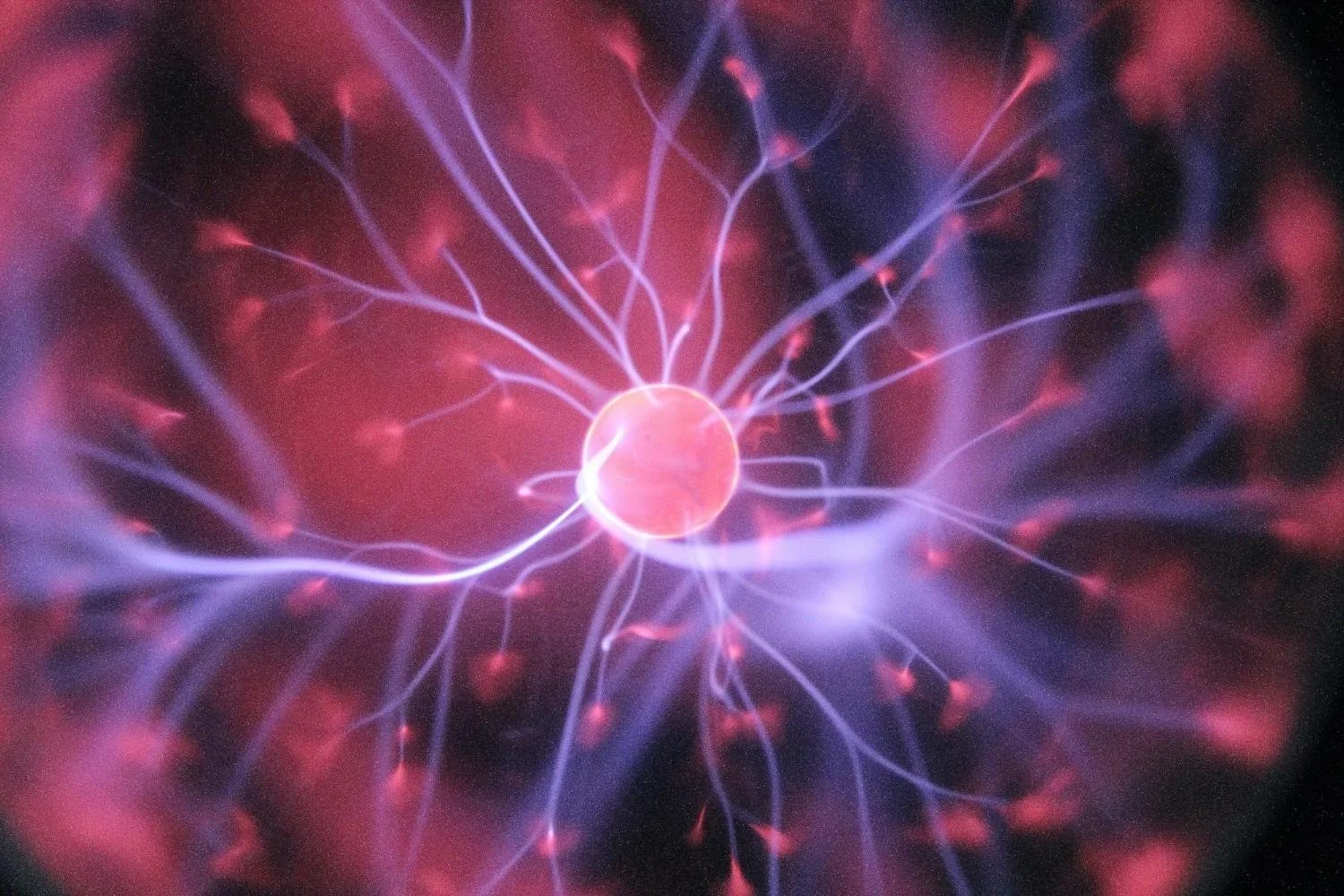
What are Neurotransmitters and How Do They Work in the Brain
Neurotransmitters are powerful chemicals that help regulate communication between cells in the brain. They play a vital role in our ability to think, feel, and react. While there are many different neurotransmitters involved in the brain's functioning, some of the most widely recognized include serotonin, dopamine, and norepinephrine. Serotonin helps to regulate our moods and emotional wellbeing, while dopamine impacts motivation and overall pleasure sensations. Norepinephrine aids in muscle movement control, focus, and decision making processes. Together they form a complex network that enables us to learn, remember information, and make choices with purpose. Understanding how these molecules interact is essential for understanding how our brains work on a deeper level.

Types of Neurotransmitters and Their Role in Mental Health
Neurotransmitters play an essential role in our mental health, affecting everything from basic behaviors to complex emotions. These powerful chemicals are produced within the brain and body, and act as messengers between neurons. Each type of neurotransmitter has different effects on the nervous system, and when functioning normally, help us maintain a balanced state of well-being. Major neurotransmitters include dopamine, norepinephrine, serotonin, GABA, and glutamate which all have major roles in normal neurological activity. Specifically, dopamine is connected with motivation; norepinephrine helps regulate alertness and focus; serotonin influences mood regulation; GABA decreases anxiety levels; and glutamate is involved in learning and memory processes. Collectively, these neurotransmitters play a vital role in maintaining good mental health by keeping our behavior regulated.
Serotonin - The Feel-Good Hormone
Serotonin is one of the most well-known neurotransmitters and also one of the most important - dubbed the "feel-good hormone", it is responsible for elevating our mood, reducing stress and anxiety, improving sleep, promoting healthy relationships, calming anger and rage, decreasing aggression, boosting motivation and concentration, and sharpening memory. It can even have an effect on physical health, regulating our cycles of digestion and appetite. Understanding serotonin's role in these essential functions is extremely beneficial to us all; an increased serotonin level can make us feel more at ease with life.
Dopamine - The Reward System Neurotransmitter
Dopamine is a neurotransmitter known to be responsible for feelings of pleasure, reward, and motivation - together they make up your brain's reward system. It plays a role in activating the reward centers in your brain when you do something enjoyable or beneficial – from something as small as taking a sip of refreshing water to achieving a daunting goal. Deficits in dopamine levels can result in reduced motivation and reward-seeking behaviour, and is thought to be heavily involved in the development of addiction, amongst other psychiatric disorders. Understanding how dopamine affects our lives on such a significant level opens up many doors and further opportunities for further research into how we can better manage our mental health.
GABA - The Calming Neurotransmitter
GABA, or Gamma-Aminobutyric Acid, is an inhibitory neurotransmitter that helps with managing anxiety and calming the mind. Throughout our bodies and brains, receptors are affected by this calming chemical to help quiet the neuronal signals that affect our physical and mental states. It works as a soothing influencer of behavior and can also help with reducing compulsive activities like worry or stress eating. Besides contributing to healthier behavior, levels of GABA can profoundly impact how we respond to fear or how vibrant our dreams may be. For those who suffer from too much mental clamor, naturally boosting your body's own production of GABA can be an effective way of finding inner peace and relaxation.
Glutamate - The Excitatory Neurotransmitter
Glutamate is an excitatory neurotransmitter, playing a key role in memory formation, learning, and cognitive function. It works by stimulating neurons, exciting electric impulses along their synapses to influence behavior. The release and removal of glutamate from the synapse through transport proteins is an integral part of the synaptic plasticity process that underlies our brains' capacity for memory storage and learning. In other words, it acts as fuel for our brains! Glutamate is also a key molecule for brain development. It helps build circuits during childhood, activate these circuits during adulthood, and maintain them through our aging years. Ultimately, glutamate is essential for functioning well mentally!
Neurotransmitters play a huge role in our bodies and brains, as they are responsible for regulating our emotions, movement, and how we process information. From serotonin to dopamine to GABA and glutamate, each neurotransmitter plays an important role in maintaining homeostasis. How much or how little of these important compounds we have can either contribute or take away from mental health. Therefore, having an adequate balance and understanding of the various neurotransmitters is essential for ensure optimum wellness. With awareness and communication about the different types of neurotransmitters and their effects on our mental health as well as action plans to increase healthy functioning, we can all strive for greater emotional wellbeing.
