
What are the treatments for early menopause
Early menopause is a condition that affects women of childbearing age. It is characterized by a sudden onset of hormonal menopause symptoms, such as hot flashes and irregular menstrual cycles. Early menopause can have a significant impact on a woman’s quality of life and her fertility. There are various treatments available to manage the symptoms of early menopause and preserve fertility. If you are experiencing early menopause, talk to your doctor about the best treatment options for you.
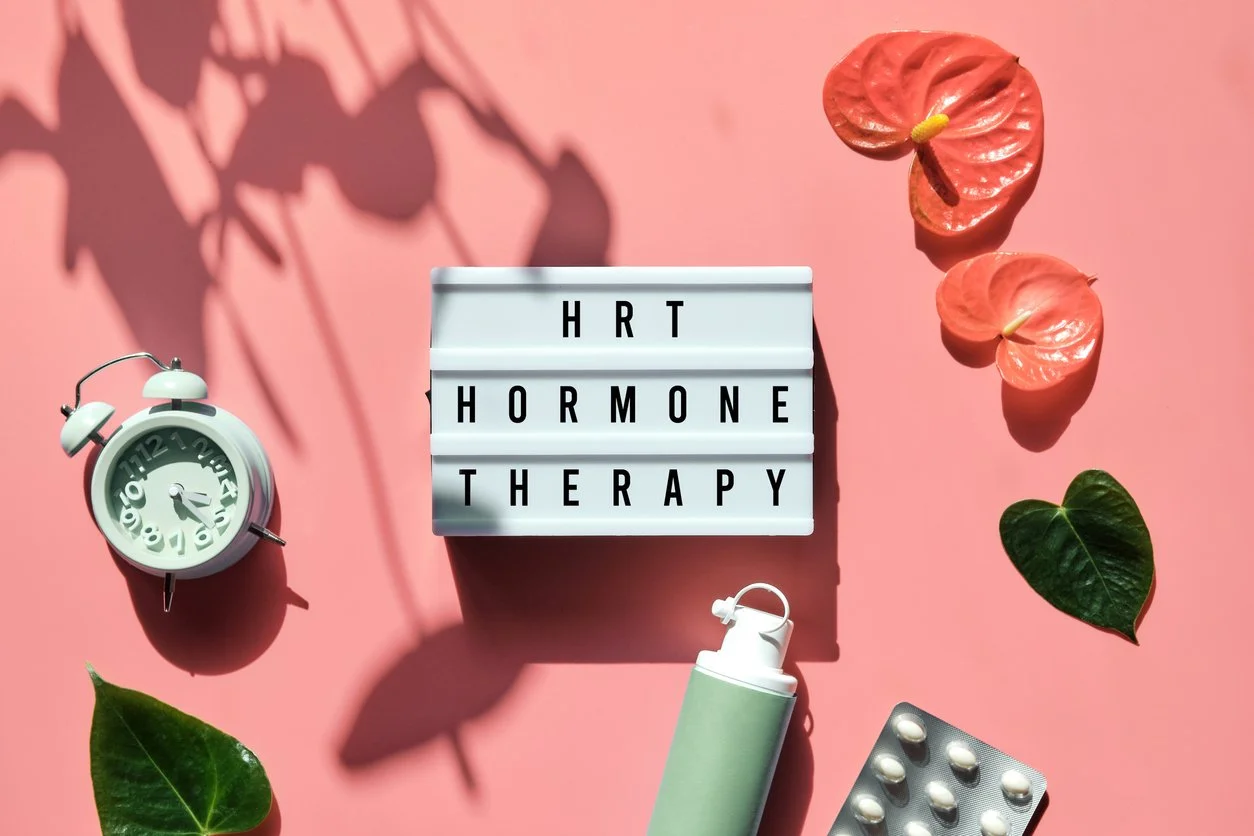
Hormone help for perimenopause and menopause - this can help to replace the hormones that your body is no longer producing
Hormone therapy, also known as HRT (hormone replacement therapy) or ERT (estrogen replacement therapy), is a viable option for anyone experiencing the effects of a lowered hormone level. Perimenopause and menopause are two stages where HRT can be useful. HRT can be used to supplement the natural hormones that our body is no longer creating, helping us maintain reproductive health, bone strength and overall well-being. Hormone help for perimenopause and menopause has been medically proven to help with bone loss, hot flashes and night sweats due to menopause and other hormone acne caused by hormonal imbalances. Hormone therapy works best when chosen in consultation with a healthcare practitioner so that the specific needs of each individual can be addressed. With HRT, you can find relief from your symptoms and enjoy an improved quality of life.
Antidepressants - these can help to relieve some of the symptoms associated with menopause, such as hot flashes and mood swings
When discussing hormone levels and perimenopause, it’s important to understand the changes in your mental health. Perimenopause and menopause can bring with it depression and anxiety, both of which can be treated effectively with antidepressants. For those who struggle with depression or anxiety associated with menopause, taking these medications is a wise step in managing the unwelcome symptoms of this period in life. Additionally, antidepressants can help to reduce hot flashes, another common and uncomfortable side effect of menopause. These medications are not just for depression but are sometimes prescribed as a preventative measure to manage the physical and emotional impact menopause may bring. Consulting your doctor about antidepressant therapy may prove beneficial in achieving physical and mental comfort during this time.

Exercise and relaxation techniques - these can help to reduce stress levels and improve your overall sense of well-being
Incorporating behavior lifestyle changes such as exercise and relaxation techniques can be greatly beneficial to reducing stress levels. Exercise helps release endorphins in the body, chemicals that naturally boost your mood; this also helps to reduce cortisol (the stress hormone) in the body. Relaxation techniques such as yoga and deep breathing bring awareness to the physical sensation of stress and encourage the body to get back into its parasympathetic mode (the rest-and-relax state). When done together they can be a powerful tool to achieving lower stress levels and improved overall sense of well-being.

Dietary changes - eating a healthy diet and avoiding triggers (such as caffeine and alcohol) can help to minimize menopausal symptoms
Eating a plant-based whole foods diet is an important dietary change that can help relieve symptoms associated with menopause. Not only do plant-based whole foods provide essential vitamins and minerals, they also contain natural bioactive compounds that protect our cells from inflammatory damage, which has been linked to contributing to menopausal symptoms. Additionally, avoiding triggers like caffeine and alcohol can make a huge difference in the intensity of symptoms experienced during menopause. It's essential to identify any food groups or substances defining quality of life - such as spicy food, red meat, carbonated drinks - and look for alternatives that don't trigger the same level of discomfort. Incorporating these dietary changes alongside exercise and restful sleep can empower women to move through menopause comfortably while getting proper nourishment for their body.

Supplements - there are a number of supplements that have been shown to be effective in treating menopausal symptoms, such as black cohosh and red clover
Supplements can be effective in relieving menopausal symptoms. Many clinical studies have confirmed black cohash and red clover to possess specific compounds which are useful in reducing occurrences of hot flashes, night sweats, and irritation commonly associated with the change of life. These supplements provide an interesting alternative to the traditional hormone replacement therapy. Black cohash is an herb that originates from North America and red clover is a type of flowering plant found in many parts of Europe. When combined with other treatments, black cohash and red clover can provide relief to many women who are experiencing uncomfortable menopausal episodes.
If you are experiencing menopausal symptoms, there are a number of things that you can do to help relieve them. Hormone therapy, antidepressants, exercise and relaxation techniques, dietary changes, and supplements have all been shown to be effective in treating menopausal symptoms. Talk to your doctor about which treatment options are right for you and give them a try. Be sure to let us know how they work for you!
