The Health and Longevity Benefits of NAC Supplementation in Perimenopause
Written and edited by Sarah Bonza MD, MPH, MSCP, FAAFP, DipABLM, NBC-HWC
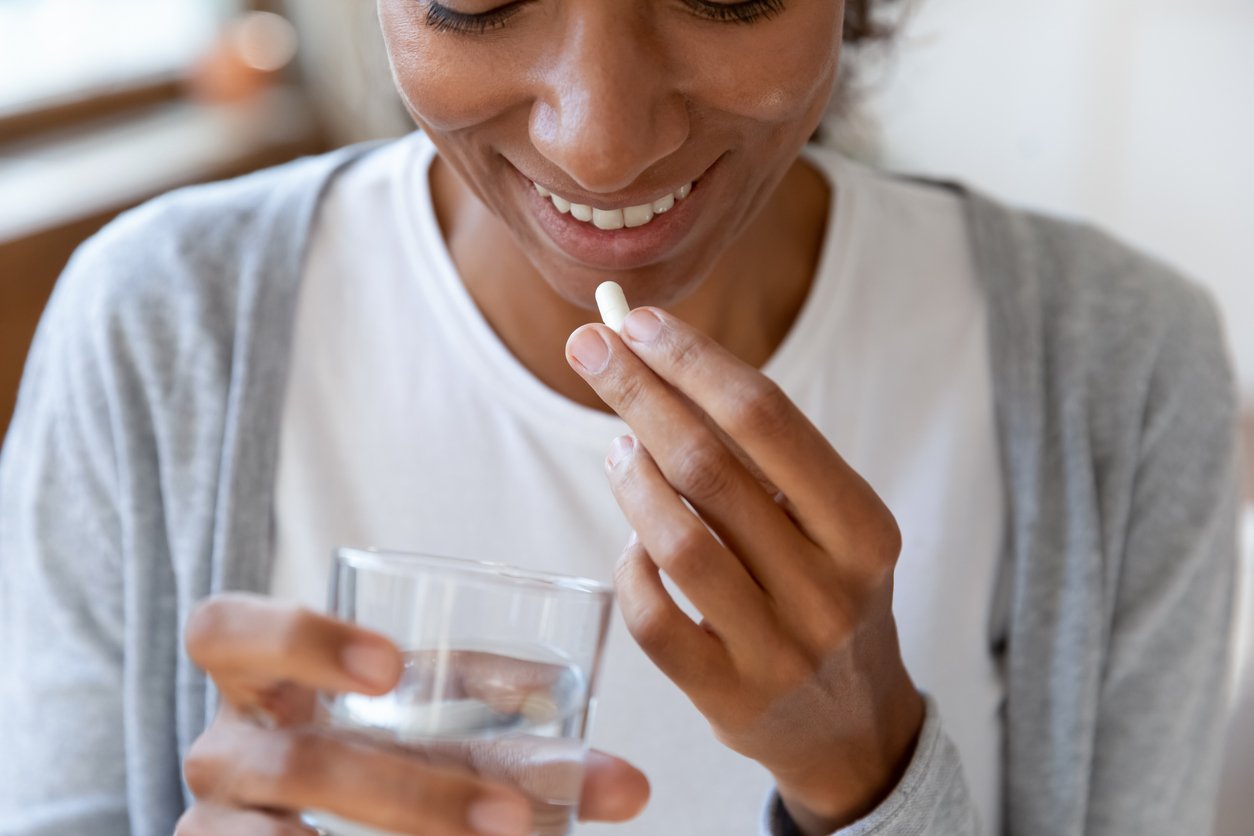
Perimenopause is a transformative phase, often accompanied by symptoms and health risks that can impact a woman’s vitality and longevity. At Bonza Health, our mission is to empower women to reclaim their health using evidence-based, integrative approaches. One supplement gaining attention for its potential to support women through perimenopause is N-acetylcysteine (NAC).
Let’s explore what NAC is, its benefits for perimenopausal women, and how it may fit into a holistic wellness plan.
What Is NAC?
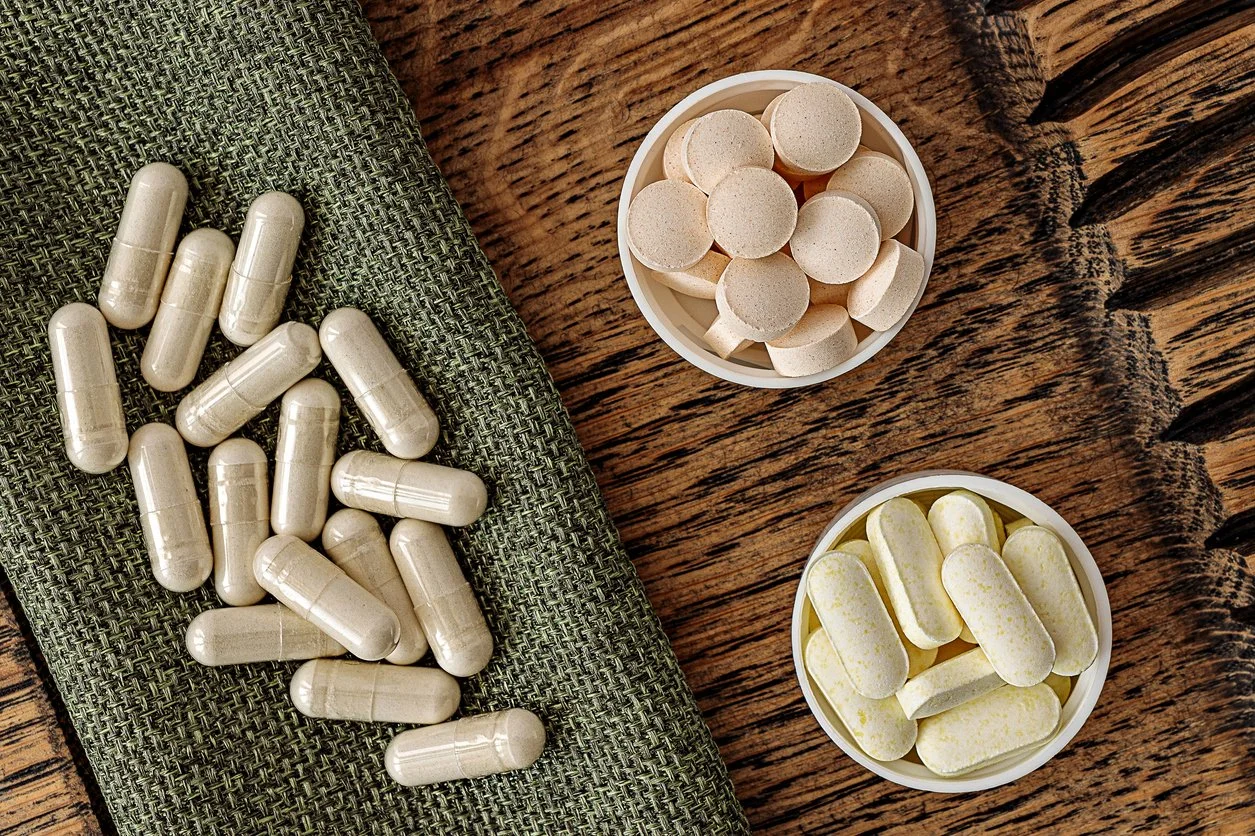
N-acetylcysteine (NAC) is a supplement form of the amino acid cysteine, a critical precursor to glutathione—one of the body’s most powerful antioxidants. Glutathione plays a central role in detoxification, immune defense, and cellular protection against oxidative stress, all of which are particularly relevant during the menopause transition.
Why Focus on NAC in Perimenopause?
Perimenopause brings hormonal fluctuations, increased oxidative stress, and a higher risk of metabolic and cardiovascular disease. These changes can contribute to symptoms like fatigue, mood swings, brain fog, and increased vulnerability to chronic disease.
NAC’s unique properties may help address several of these challenges:
1. Immune Support and Longevity
Aging and menopause are associated with a decline in immune function and increased oxidative stress. Clinical research shows that NAC supplementation (600 mg daily for 2–4 months) in postmenopausal women significantly improved immune cell function and reduced markers of oxidative stress.
Remarkably, these improvements persisted for months after stopping NAC, suggesting a lasting benefit for immune resilience and overall health.[1] By enhancing glutathione levels, NAC may help reduce the risk of infections and immune-related diseases as women age.[1]
2. Cardiometabolic Protection
Cardiovascular risk rises after menopause due to hormonal changes, increased insulin resistance, and central fat accumulation. Animal studies indicate that combining NAC with low-dose estrogen offers similar protection against cardiac dysfunction and metabolic syndrome as standard-dose estrogen therapy, but with potentially fewer risks.[2,3]
NAC alone also improves markers of oxidative stress, cholesterol, and inflammation in models of menopause, suggesting it may help mitigate heart disease risk.[4]
3. Hormonal Balance and Insulin Sensitivity
NAC’s antioxidant and anti-inflammatory effects extend to hormone regulation. In women with polycystic ovary syndrome (PCOS)—a condition sharing features with perimenopause such as insulin resistance and androgen excess—NAC supplementation has been shown to lower testosterone, improve follicle-stimulating hormone (FSH) levels, and enhance ovulation.[5]
While direct studies in perimenopausal women are limited, these findings suggest NAC may help support hormonal balance and metabolic health during the menopause transition.[6]

4. Mood, Brain Health, and Cognitive Function
Mood disturbances, anxiety, and brain fog are common complaints in perimenopause. NAC supports neurotransmitter balance, particularly glutamate and dopamine, which are crucial for mood regulation and cognitive clarity.
Women using NAC often report improved stress resilience and mood, likely due to its antioxidant effects and influence on brain chemistry. There is also emerging evidence that NAC may help preserve memory and slow cognitive decline by protecting brain cells from oxidative damage.[6]
5. Detoxification and Cellular Health
Perimenopausal women face increased exposure to environmental toxins and hormonal metabolites. NAC boosts glutathione production, enhancing the body’s ability to detoxify heavy metals, pollutants, and excess hormones.[7] This detoxification support may be especially valuable for women sensitive to environmental triggers or those with sluggish liver metabolism.
Longevity and Healthspan: What Does the Research Show?
Animal and cellular studies consistently demonstrate that NAC supplementation extends lifespan and increases resistance to oxidative stress.[8,9]While the effects are species- and sex-specific, the underlying mechanisms—boosting antioxidant defenses, reducing inflammation, and supporting mitochondrial health—are highly relevant to human aging and menopause.[4,8,9]
In women, the indirect evidence points to NAC’s potential to improve healthspan by reducing chronic disease risk, supporting immune function, and maintaining metabolic and cognitive health.[1,4]
Practical Considerations for NAC Supplementation
Typical Dosage: Most studies in humans use 600–1800 mg daily, often divided into two or three doses.[1] Always consult your healthcare provider to determine the right dose for your needs.
Safety: NAC is generally well-tolerated. Side effects are rare but may include mild gastrointestinal discomfort.
Synergy with Other Interventions: NAC can be used alongside hormone therapy, lifestyle medicine, and other supplements as part of a comprehensive wellness protocol.[2,3]

Integrating NAC into the Bonza Health Approach
At Bonza Health, we advocate for a personalized, evidence-based strategy to menopause care. NAC fits beautifully into this model, supporting:
B-Clear: Enhancing brain clarity and cognitive function
B-Calm: Supporting mood and stress resilience
B-Cut: Improving metabolic health and insulin sensitivity
B-Cool: Reducing inflammation and oxidative stress, which may help with vasomotor symptoms
B-Charged: Supporting energy and vitality by protecting mitochondria
NAC is a promising supplement for perimenopausal women seeking to optimize health, resilience, and longevity. By supporting antioxidant defenses, immune function, hormonal balance, and detoxification, NAC addresses many of the root causes of perimenopausal symptoms and chronic disease risk.
While more research is needed in perimenopausal populations, the current evidence and clinical experience suggest that NAC can be a valuable addition to a holistic menopause wellness plan.

Sign up for Fullscript to shop professional-grade perimenopause supplements.
References
[1] Arranz L, Fernández C, Rodríguez A, Ribera JM, De la Fuente M. The glutathione precursor N-acetylcysteine improves immune function in postmenopausal women. Free Radic Biol Med. 2008;45(9):1252-1262. https://doi.org/10.1016/j.freeradbiomed.2008.07.014
[2] Sivasinprasasn S, Chattipakorn K, Pratchayasakul W, Chattipakorn SC, Chattipakorn N. N-Acetylcysteine enhances low-dose estrogen efficacy against ischemia-reperfusion injury in estrogen-deprived obese insulin-resistant rats. Menopause. 2025;32(1):81-90. https://doi.org/10.1097/gme.0000000000002452
[3] Sivasinprasasn S, Palee S, Chattipakorn K, et al. N-acetylcysteine with low-dose estrogen reduces cardiac ischemia-reperfusion injury. J Endocrinol. 2019;242(2):37-50. https://doi.org/10.1530/joe-19-0108
[4] Meegaswatte H, Speer K, McKune AJ, Naumovski N. Functional Foods and Nutraceuticals for the Management of Cardiovascular Disease Risk in Postmenopausal Women. Rev Cardiovasc Med. 2024;25(12):460. Published 2024 Dec 25. https://doi.org/10.31083/j.rcm2512460
[5] Shahveghar Asl Z, Parastouei K, Eskandari E. The effects of N-acetylcysteine on ovulation and sex hormones profile in women with polycystic ovary syndrome: a systematic review and meta-analysis. Br J Nutr. 2023;130(2):202-210. https://doi.org/10.1017/s0007114522003270
[6] Mokhtari V, Afsharian P, Shahhoseini M, Kalantar SM, Moini A. A Review on Various Uses of N-Acetyl Cysteine. Cell J. 2017;19(1):11-17. https://pubmed.ncbi.nlm.nih.gov/28367412/
[7] Quig D. Cysteine metabolism and metal toxicity. Altern Med Rev. 1998;3(4):262-270. https://pubmed.ncbi.nlm.nih.gov/9727078/
[8] Shaposhnikov MV, Zemskaya NV, Koval LA, Schegoleva EV, Zhavoronkov A, Moskalev AA. Effects of N-acetyl-L-cysteine on lifespan, locomotor activity and stress-resistance of 3 Drosophila species with different lifespans. Aging (Albany NY). 2018;10(9):2428-2458. https://doi.org/10.18632/aging.101561
[9] Oh SI, Park JK, Park SK. Lifespan extension and increased resistance to environmental stressors by N-acetyl-L-cysteine in Caenorhabditis elegans. Clinics (Sao Paulo). 2015;70(5):380-386. https://doi.org/10.6061/clinics/2015(05)13