Leveraging the Current Political Climate: A Call for Integrated Care in Menopause
Written and edited by Sarah Bonza MD, MPH, MSCP, FAAFP, DipABLM, NBC-HWC
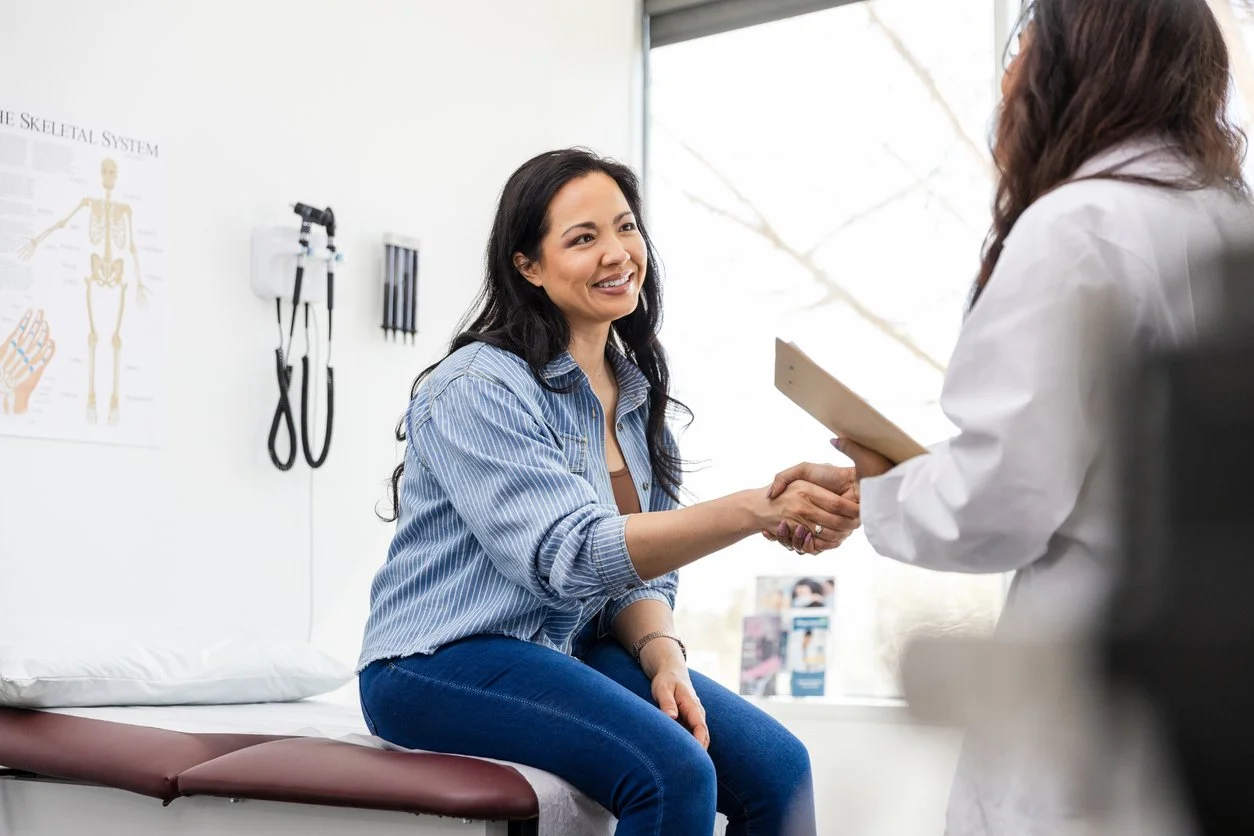
The U.S. healthcare system is facing a crisis of accessibility, affordability, and equity, especially for women.[1-3] Recent political shifts have put women’s health funding and research under threat, with cuts to essential programs and a rollback of protections for reproductive and preventive care.[4-6]
At the same time, there is a growing recognition, both in advocacy circles and some legislative efforts, of the need for comprehensive, high-quality, whole-person care for women at every stage of life, including menopause and perimenopause.[7,8] This creates both a challenge and an opportunity to advocate for an integrative, patient-centered approach that combines the strengths of traditional, functional, and lifestyle medicine.
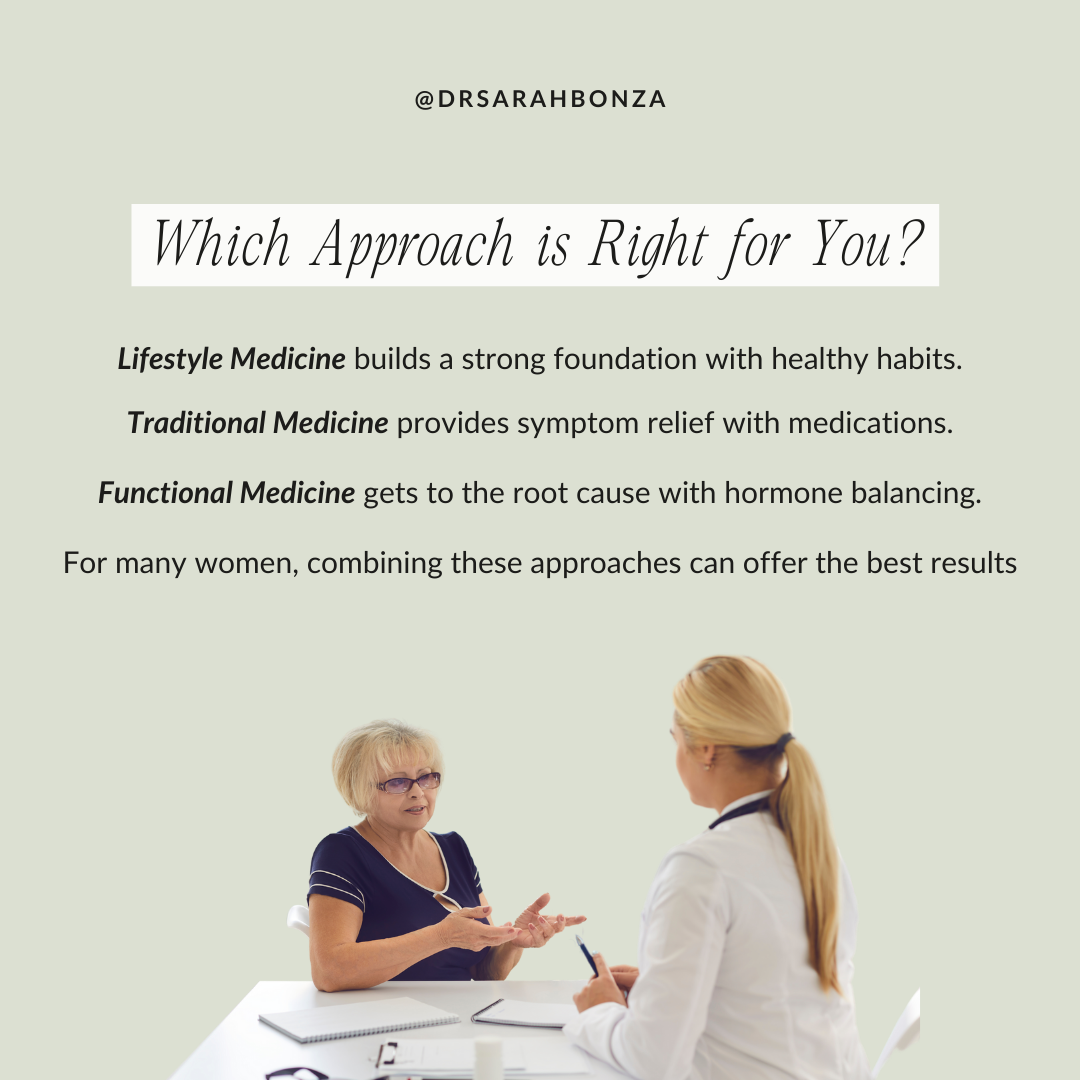
Why Integration Matters Now
Let’s look at a few of the reasons why an integrative approach to healthcare is essential during perimenopause, particularly in the current political climate:
Healthcare Gaps and Systemic Failures
Many women are struggling to access menopause care due to insurance gaps, high out-of-pocket costs, and a lack of provider training.[2,9,10] The system is often reactive, focusing on acute symptoms rather than prevention and long-term wellness.[1,3]
Political Threats to Women’s Health
Funding cuts and policy changes threaten to further limit access to essential services, research, and education for women’s health. This is especially true for underserved and marginalized populations.[4-6]
Persistent Gender Bias
Women’s symptoms are often dismissed, and research into female-specific health issues remains underfunded. This results in delayed diagnoses and suboptimal care.[3,11]
The Case for Integrating Traditional, Functional, and Lifestyle Medicine
Traditional Medicine
Conventional medicine excels at diagnosing and treating the root hormonal causes of menopause—declining estrogen and progesterone—through evidence-based therapies like hormone replacement therapy (HRT).[12,13] When appropriately prescribed, HRT can dramatically relieve symptoms and reduce long-term risks such as osteoporosis and cardiovascular disease.[9,13]
Limitations of Traditional Medicine
Traditional care alone often overlooks the broader context of a woman’s health, focusing narrowly on symptom suppression rather than holistic well-being.[14,15]
Functional Medicine
Functional medicine goes deeper by evaluating each woman’s unique hormonal profile, genetics, gut health, stress levels, and environmental exposures.[14-16] This approach seeks to restore balance and address the root causes of symptoms, not just mask them.
Complementary Therapies
Functional medicine incorporates bioidentical hormones, targeted nutrition, herbal supplements, and mind-body interventions, tailored to individual needs. It offers systems-based, personalized care.[15,17]
Bridging Gaps
This model is particularly powerful in a broken system, as it empowers women to take control of their health and fills gaps left by conventional care.[14,15]

Lifestyle Medicine
Lifestyle medicine focuses on the daily choices—such as nutrition, exercise, sleep, stress management, and social connection—that determine long-term health and resilience.[12,16,18]
Prevention and Empowerment
These habits not only alleviate menopausal symptoms but also reduce the risk of chronic diseases, supporting women’s ability to thrive in midlife and beyond.[15,16]
Sustainable Change
In a healthcare system that often fails to prioritize prevention, lifestyle medicine offers a sustainable, cost-effective path to wellness.[1,18]
A Vision for Menopausal Women in a Broken Healthcare System
In today’s climate, where women face barriers to care, financial strain, and political threats to their health autonomy, integrating these three approaches is not just ideal: it’s essential.[2,4,10,19]
By combining the precision of traditional medicine, the personalization of functional medicine, and the foundational support of lifestyle medicine, we can:
Help women navigate menopause with confidence and resilience.
Reduce dependence on a fragmented, reactive healthcare system.
Empower women to advocate for their own health, despite systemic barriers.
Model a new standard of care that is proactive, inclusive, and evidence-based.

Practical Steps and Advocacy Messages
There are a few things each of us can do to advocate for an integrative, patient-centered approach to healthcare:
Promote Education and Dialogue
Address the stigma and silence surrounding menopause by educating women and providers about all available options, including traditional, functional, and lifestyle interventions.[3,11]
Advocate for Policy Change
Support legislative efforts that mandate comprehensive menopause care coverage, provider training, and research funding.[2,8,9]
Empower Women
Encourage women to seek integrated care, ask questions, and demand personalized treatment plans that honor their unique needs.[14,15]
Build Community
Foster support networks where women can share experiences and resources, reducing isolation and amplifying their voices.
Where to Go From Here
The current political and healthcare landscape makes it more urgent than ever to champion an integrated approach to menopause care. By leveraging the strengths of traditional, functional, and lifestyle medicine, we can help women reclaim their health, autonomy, and quality of life—even in the face of systemic adversity.[1,4,9,15]
This is not only a personal act of empowerment but a collective call to action for a more just and effective healthcare system.

References
[1] American College of Surgeons, "US Healthcare System Is in Crisis," facs.org. Accessed: May 31, 2025.
[2] Society for Women's Health Research, "The Cost of Being a Woman in the U.S. Health Care System," swhr.org. Accessed: May 31, 2025.
[3] Ballard Brief, "Inadequate Healthcare for Women in the United States," ballardbrief.byu.edu. Accessed: May 31, 2025.
[4] Healthcare Huddle, "Women's Health Funding Faces Political Threats Amid 2025 Shift," Healthcare Huddle. Accessed: May 31, 2025.
[5] POLITICO, "How DOGE Cuts Will Change Women's Health," politico.com. Accessed: May 31, 2025.
[6] The Commonwealth Fund, "What's at Stake in the 2024 Election for Women's Health," commonwealthfund.org. Accessed: May 31, 2025.
[7] Society for Women's Health Research, "Women's Health Advocacy in Motion: From 2024 Success to 2025," swhr.org. Accessed: May 31, 2025.
[8] H.Res.7 - 119th Congress (2025-2026): Recognizing the importance of access to comprehensive, high-quality, life-affirming medical care for women of all ages," Congress.gov. Accessed: May 31, 2025.
[9] United States - “The Health and Economic Impacts of Menopause," impactsofmenopause.com. Accessed: May 31, 2025.
[10] GoodRx, "The Cost of Menopause: New Survey Highlights Financial Struggles," goodrx.com. Accessed: May 31, 2025.
[11] Constant Therapy Health, "Three key issues facing women's healthcare - and three ways to help," constanttherapyhealth.com. Accessed: May 31, 2025.
[12] Dr. Erin Thorne, "Menopause: Functional & Holistic Treatments," thrivenwmed.com. Accessed: May 31, 2025.
[13] Institute for Functional Medicine, "Menopause Hormone Therapy: Weighing Benefits & Risks," ifm.org. Accessed: May 31, 2025.
[14] Nourish House Calls, "Menopause Relief Through Functional Medicine: What to Expect," nourishhousecalls.com. Accessed: May 31, 2025.
[15] Flourish Counseling MD, "Functional Medicine for Menopause," flourishcounselingmd.com. Accessed: May 31, 2025.
[16] Institute for Functional Medicine, "Lifestyle Approaches for Maintaining Optimal Health and Wellness," ifm.org. Accessed: May 31, 2025.
[17] Dr Stavy Nikitopoulou, "Functional Medicine For Menopause," drstavy.com. Accessed: May 31, 2025.
[18] Denver Sports and Holistic Medicine, "Holistic Menopause Guide: Integrating BHRT with Lifestyle Changes," denversportsandholisticmedicine.com. Accessed: May 31, 2025.
[19] "What's causing US women to skip or delay medical care?" www2.deloitte.com. Accessed: May 31, 2025.