The Menopausal Transition: A Critical Time for Your Health and Wellbeing
Written and edited by Sarah Bonza MD, MPH, FAAFP, DipABLM, NBC-HWC

Focus on healthy habits in perimenopause and beyond.
As you approach menopause, you may be experiencing a range of symptoms that can be both frustrating and concerning. Hot flashes, night sweats, mood swings, and changes in your menstrual cycle are just a few of the signs that your body is entering this new phase of life. But did you know that this transition period is also a critical time to focus on your overall health and wellbeing?
At Bonza Health, we understand the unique challenges that women face during menopause. We also know that this period presents an incredible opportunity to set the stage for a healthier, more vibrant future. Here's why:
The Importance of the Menopausal Transition
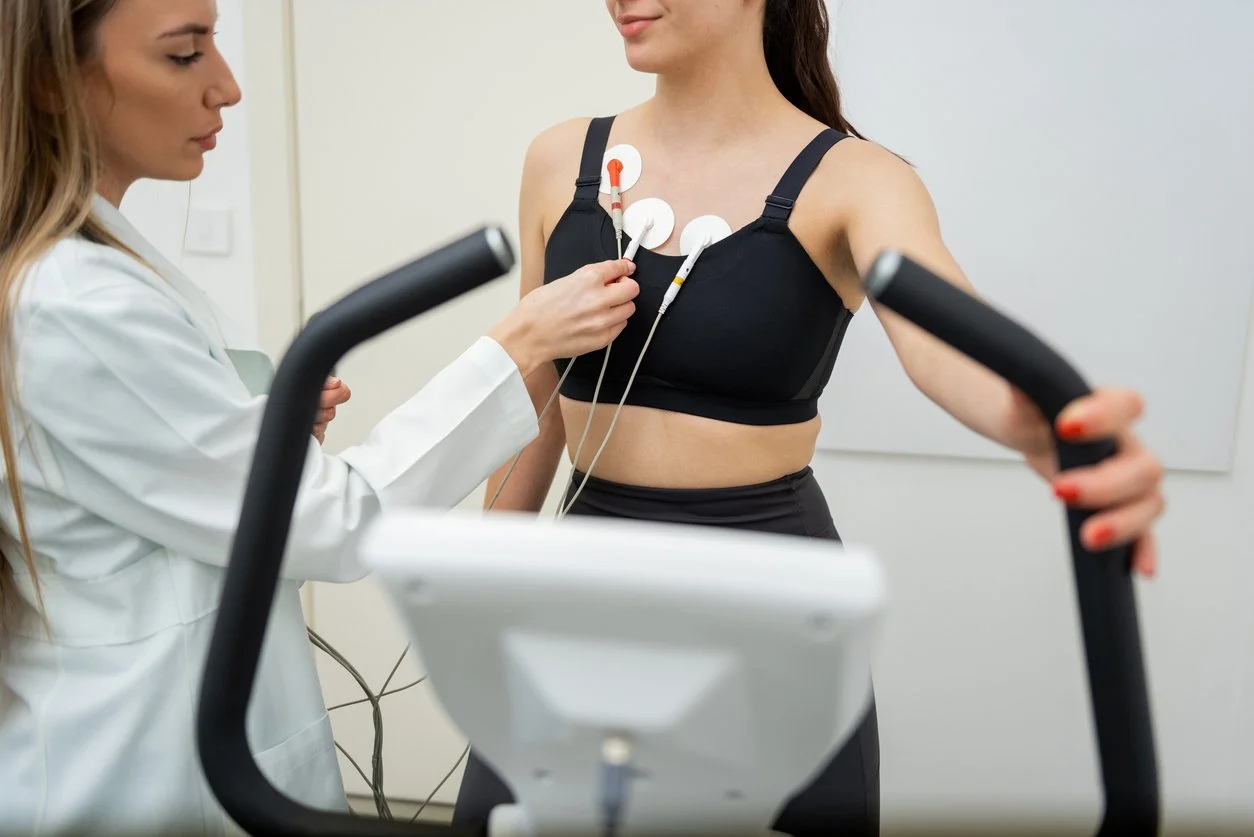
Perimenopause and menopause cardiovascular health
Research shows that women may spend more than a third of their lives after menopause [1] . This means that the choices you make now can have a significant impact on your long-term health and quality of life. During menopause, your body undergoes significant changes, including:
Declining estrogen levels, which can affect your cardiovascular health [2]
Changes in body composition, including increased abdominal fat [3]
Alterations in bone density, potentially leading to osteoporosis [4]
Increased risk of chronic diseases such as diabetes and heart disease [5]
These changes make the menopausal transition a critical time to focus on preventive health strategies. By adopting healthy lifestyle habits now, you can reduce your risk of chronic diseases and promote longevity.
Healthy Lifestyle Habits for Menopausal Women

Perimenopause, menopause and heart healthy diet
Embrace a Heart-Healthy Diet
A Mediterranean-style plant-based diet rich in fruits, vegetables, whole grains, lean proteins, and healthy fats can help manage weight, improve cholesterol levels, and reduce inflammation. Consider incorporating more plant-based proteins and omega-3 fatty acids into your meals.
Stay Active
Regular physical activity is crucial during menopause. Aim for at least 150 minutes of moderate-intensity exercise per week, including both aerobic activities and strength training . This can help maintain a healthy weight, improve mood, and strengthen bones.

Perimenopause, menopause and sleep
Prioritize Sleep
Good sleep hygiene is essential for managing menopausal symptoms and overall health. Establish a consistent sleep schedule, create a relaxing bedtime routine, and avoid screens before bed .
Manage Stress
Chronic stress can exacerbate menopausal symptoms and increase your risk of chronic diseases. Explore stress-reduction techniques such as meditation, yoga, or deep breathing exercises .
Limit Alcohol and Quit Smoking
Moderate alcohol consumption may have some health benefits, but excessive drinking can increase your risk of certain cancers and heart disease . If you smoke, quitting is one of the best things you can do for your health during menopause and beyond.

Women connecting perimenopause
Stay Socially Connected
Maintaining strong social connections can improve your mental health and overall wellbeing during menopause. Join a support group, engage in community activities, or spend quality time with friends and family.
Consider Hormone Therapy
For some women, hormone therapy may be an appropriate option to manage menopausal symptoms and protect against certain health risks. Discuss the potential benefits and risks with your healthcare provider .
At Bonza Health, we're committed to helping you navigate the menopausal transition with confidence and vitality. By focusing on these healthy lifestyle habits, you can take control of your health and set the stage for a vibrant, active future.
Remember, every woman's experience with menopause is unique. It's essential to work closely with your healthcare provider to develop a personalized plan that addresses your specific needs and concerns. Together, we can make this transition a time of empowerment and positive change for your health and wellbeing.

Sign up for Fullscript to shop professional-grade perimenopause supplements.
REFERENCES
1, Sapre S, Thakur R. Lifestyle and dietary factors determine age at natural menopause. J Midlife Health. 2014;5(1):3-5.
2. El Khoudary SR, et al. Menopause Transition and Cardiovascular Disease Risk: Implications for Timing of Early Prevention: A Scientific Statement From the American Heart Association. Circulation. 2020;142(25):e506-e532.
3. Lovejoy JC, et al. Increased visceral fat and decreased energy expenditure during the menopausal transition. Int J Obes (Lond). 2008;32(6):949-958.
4. Recker R, et al. Bone gain in young adult women. JAMA. 1992;268(17):2403-2408.
5. Carr MC. The emergence of the metabolic syndrome with menopause. J Clin Endocrinol Metab. 2003;88(6):2404-2411.
6. Sofi F, et al. Mediterranean diet and health status: an updated meta-analysis and a proposal for a literature-based adherence score. Public Health Nutr. 2014;17(12):2769-2782.
7. Grindler NM, Santoro NF. Menopause and exercise. Menopause. 2015;22(12):1351-1358.
8. Baker FC, et al. Sleep problems during the menopausal transition: prevalence, impact, and management challenges. Nat Sci Sleep. 2018;10:73-95.
9. Carmody J, et al. Mindfulness meditation for hot flashes: a randomized controlled trial. Menopause. 2011;18(6):611-620.
10. Scoccianti C, et al. European Code against Cancer 4th Edition: Alcohol drinking and cancer. Cancer Epidemiol. 2016;45:181-188.
11. Whiteley J, et al. The impact of menopausal symptoms on quality of life, productivity, and economic outcomes. J Womens Health (Larchmt). 2013;22(11):983-990.
12. Bromberger JT, et al. Longitudinal change in reproductive hormones and depressive symptoms across the menopausal transition: results from the Study of Women's Health Across the Nation (SWAN). Arch Gen Psychiatry. 2010;67(6):598-607.
13. The NAMS 2017 Hormone Therapy Position Statement Advisory Panel. The 2017 hormone therapy position statement of The North American Menopause Society. Menopause. 2017;24(7):728-753.