The Science of Libido in Menopause: Hormones, Stress, and Solutions
Written and edited by Sarah Bonza MD, MPH, MSCP, FAAFP, DipABLM, NBC-HWC

Menopause marks a significant transition in a woman’s life, often accompanied by shifts in sexual health. While libido changes are common, they stem from a complex interplay of hormonal, physical, and psychological factors. Understanding the science behind these changes—and the solutions available—can empower women to reclaim their sexual vitality.
Hormonal Shifts and Their Impact on Libido
Estrogen Decline
Estrogen plays a central role in sexual function by maintaining vaginal tissue elasticity, lubrication, and blood flow to the genital area.[1,7,11] During perimenopause and menopause, declining estrogen levels lead to:
Vaginal dryness and atrophy, causing discomfort during sex.[1,11]
Reduced clitoral sensitivity and delayed orgasmic response.[1]
Thinning of vaginal walls, which can make intercourse painful.[11]

Testosterone’s Role
Though often associated with men, testosterone is critical for female libido. Levels decline gradually during perimenopause and drop sharply postmenopause.[8,9] This hormone influences:
Mood regulation and energy levels.[8]
Muscle mass and bone density, indirectly supporting physical vitality.[8]
Postmenopausal women with low testosterone often report reduced sexual motivation and satisfaction.[8,9] While testosterone replacement therapy (TRT) is prescribed off-label in the U.S., studies show it can improve libido, cognitive function, and overall well-being.[6,8,12]
Progesterone Fluctuations
Progesterone balances estrogen’s effects and supports mood stability. Its decline during menopause can exacerbate anxiety and sleep disturbances, further dampening sexual interest.[7,9]
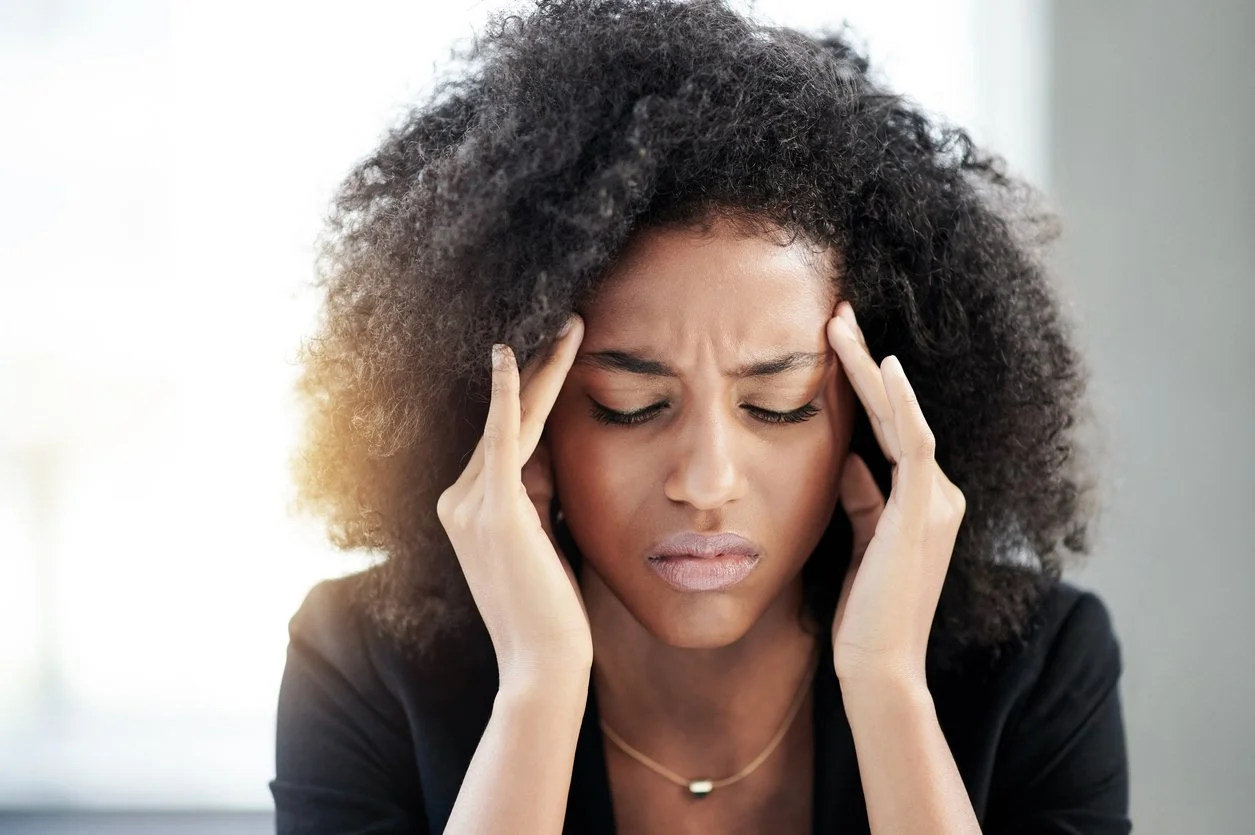

Breaking the Cycle
Mind-body practices: Yoga, meditation, or prayer can lower cortisol and enhance emotional resilience.[4,5]
Kundalini meditation: Activates the root and sacral chakras, which are believed to channel sexual energy.[1]
Spiritual grounding: For those aligned with Christian traditions, prayer or reflection on biblical themes of intimacy (e.g., Song of Solomon) can foster a sense of connection and safety.[1]
Solutions to Rekindle Desire
1. Hormone Replacement Therapy (HRT)

2. Lifestyle Interventions
Strength training: Builds muscle mass, which naturally elevates testosterone levels and enhances physical confidence[6,7]
Pelvic floor exercises: Improve blood flow to the vagina and strengthen orgasmic muscles.[4,5]
Balanced nutrition: A diet rich in phytoestrogens (e.g., soy) and omega-3s supports hormonal health.[5,7]

3. Stress Management
Prioritize sleep: Aim for 7–9 hours of sleep nightly to regulate cortisol and testosterone.[6]
Communicate openly: Building trust with a partner fosters emotional safety, a cornerstone of sexual fulfillment.[4]


A Holistic Path Forward
Libido changes in menopause are not inevitable. By addressing hormonal imbalances, mitigating stress, and embracing a multifaceted approach, women can rediscover sexual vitality. For some, hormone therapy provides immediate relief; for others, lifestyle adjustments and spiritual practices lay the foundation for long-term well-being.
As Dr. Sarah Bonza emphasizes, “Feeling safe, strong, and spiritually connected is key to unlocking desire.” Whether through Kundalini meditation, prayer, or strength training, empowering women to align mind, body, and spirit can transform menopause from a season of loss into one of renewal.

References
[1] Leventhal JL. Management of Libido Problems in Menopause. Perm J. 2000;4(3):29-34.
[2] HerKare. Hormone replacement therapy can improve your sex life. https://herkare.com/blog/hormone-replacement-therapy-improve-sex-life/
[3] Bonafide. Can stress affect sex drive during menopause? https://hellobonafide.com/blogs/news/can-stress-affect-sex-drive-during-menopause
[4] Tia Health. The impact of menopause on sexual health. https://asktia.com/article/menopause-perimenopause-postmenopause-sex-drive/
[5] MedicalNewsToday. How does menopause affect sex drive? https://www.medicalnewstoday.com/articles/320266
[6] Midi. 12 ways women can increase libido naturally: supplements, gummies & more. https://www.joinmidi.com/post/how-to-increase-libido
[7] BioRestore. How hormones for women influence sex drive (libido). https://biorestorehealth.com/newtown-connecticut/how-hormones-for-women-influence-sex-drive-libido/
[8] Balance Menopause. The importance of testosterone for women. https://www.balance-menopause.com/menopause-library/importance-of-testosterone-for-women/
[9] Mayo Clinic. Low sex drive in women. https://www.mayoclinic.org/diseases-conditions/low-sex-drive-in-women/diagnosis-treatment/drc-20374561
[10] Colorado Springs OBGYN. What is menopause and when does it typically occur? https://coolspringsobgyn.com/hrt-improve-sexual-function/
[11] Johns Hopkins Medicine. Sex after menopause. https://www.hopkinsmedicine.org/health/wellness-and-prevention/how-sex-changes-after-menopause
[12] Meziou N, Scholfield C, Taylor CA, Armstrong HL. Hormone therapy for sexual function in perimenopausal and postmenopausal women: a systematic review and meta-analysis update. Menopause. 2023;30(6):659-671. doi:10.1097/GME.0000000000002185
[13] The Menopause Society. Menopause topics: sexual health. https://menopause.org/patient-education/menopause-topics/sexual-health