How Muscle Building Boosts Testosterone and Libido in Women
Written and edited by Sarah Bonza MD, MPH, MSCP, FAAFP, DipABLM, NBC-HWC
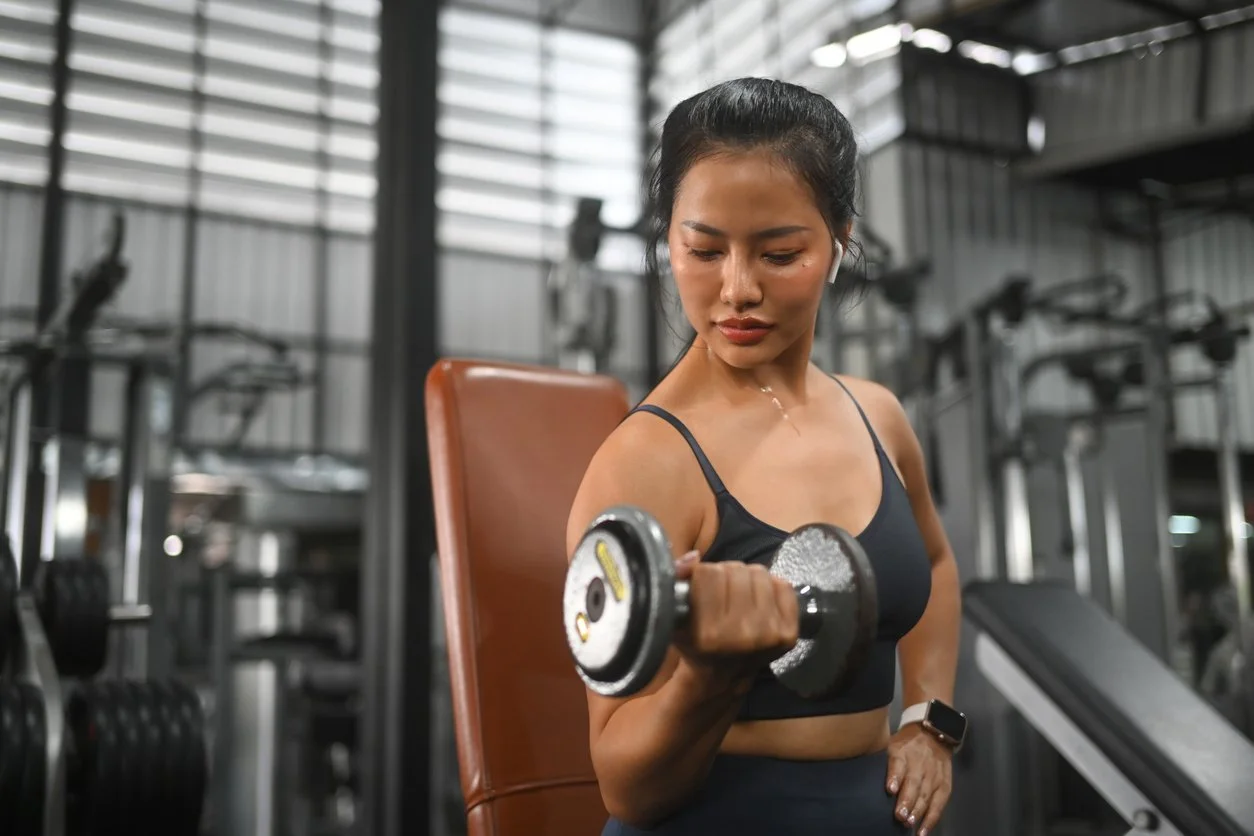
Menopause and perimenopause bring profound hormonal shifts that impact every aspect of a woman’s health—including sexual vitality. As estrogen and testosterone levels decline, many women experience reduced libido, vaginal dryness, and fatigue. However, emerging research reveals a powerful, often overlooked tool for reclaiming sexual health: strength training. This blog explores how building muscle can naturally enhance testosterone production, reignite sexual desire, and restore confidence during midlife transitions.
Hormonal Shifts: The Link Between Testosterone, Libido, and Menopause
During perimenopause and menopause, women face a dual hormonal challenge:
Estrogen decline leads to vaginal atrophy, reduced blood flow to genital tissues, and discomfort during sex.[1]
Testosterone drop contributes to diminished sexual desire, difficulty achieving orgasm, and lower energy levels.[2,3]
While testosterone is often associated with men, women produce it in smaller amounts—primarily in the ovaries and adrenal glands. By menopause, levels are roughly half of what they were in a woman’s 20s.[3] This decline directly impacts libido, as testosterone plays a key role in sexual arousal, sensitivity, and overall vitality.[2,4]
Strength Training: A Natural Testosterone Booster
Resistance exercises like weightlifting, squats, and resistance bands trigger physiological changes that counteract hormonal declines:
1. Increased Testosterone Production
Strength training stimulates the ovaries and adrenal glands to produce more testosterone.[2,5]
Studies show that even moderate resistance training (2–3 sessions/week) elevates free testosterone levels, enhancing sexual desire and arousal.[5,6]

2. Muscle Mass Preservation
Muscle tissue contains androgen receptors that bind to testosterone, amplifying its effects.[4]
Building lean muscle combats age-related sarcopenia (muscle loss), which accelerates during menopause due to estrogen decline.[2,7]
3. Metabolic and Mood Benefits
Exercise boosts endorphins, reducing stress and anxiety—common libido killers.[5,6]
Improved body composition and strength enhance self-confidence, a critical factor in sexual satisfaction.[5,6]
The Libido Connection: How Testosterone Reignites Desire
Higher testosterone levels from strength training improve sexual health through multiple pathways:
Enhanced Sensitivity: Improved blood flow to genital tissues increases clitoral and vaginal responsiveness.[2,3]
Psychological Empowerment: Feeling stronger and more physically capable fosters a positive body image, reducing inhibitions.[1,6]
Stress Reduction: Lower cortisol levels from regular exercise counteract the fatigue and irritability that dampen desire.[5,6]
A 2023 study of postmenopausal women found that those who strength-trained 2–3 times weekly reported 30% higher sexual satisfaction scores compared to sedentary peers.[6] Another trial noted improved lubrication and orgasm frequency linked to weekly resistance exercise.[6]

Practical Guide: Building a Libido-Boosting Routine
1. Optimal Exercises
Compound movements: Squats, deadlifts, and push-ups engage multiple muscle groups, maximizing hormonal response.
Pelvic floor training: Kegels and bridge poses improve vaginal tone and blood flow.[1]
Resistance bands: Accessible for beginners and effective for maintaining muscle mass.
2. Frequency and Intensity
Aim for 2–3 sessions weekly, focusing on moderate weights with 8–12 repetitions per set.[2,7]
Gradually increase resistance to avoid plateaus.
3. Complementary Strategies
Pair with HRT: Testosterone supplementation (gel or cream) can amplify results for women with severe deficiencies.[3]
Stress management: Yoga or meditation enhances the mood-boosting effects of exercise.[6]
Balanced nutrition: Protein-rich diets support muscle repair, while zinc and vitamin D optimize testosterone production.[2,4]

Beyond Libido: Whole-Body Benefits
Strength training offers holistic advantages for menopausal women:
Bone health: Reduces osteoporosis risk by stimulating bone density.[7,8]
Cardiovascular protection: Lowers inflammation linked to heart disease.[7,8]
Metabolic boost: Muscle tissue burns more calories at rest, aiding weight management.[2,7]
A New Perspective on Menopausal Vitality
The narrative that menopause marks the end of sexual vitality is being rewritten. By embracing strength training, women can harness their body’s innate ability to produce testosterone, reignite desire, and reclaim confidence. As Dr. Sarah Bonza emphasizes, “Strength isn’t just physical—it’s the foundation of feeling empowered in your skin, at any age.”
Whether through lifting weights, practicing yoga, or exploring hormone therapy, a multifaceted approach can transform menopause from a season of loss into one of renewed energy and connection.

References
[1] Moving Medicine. Menopause-may improve symptoms of vaginal dryness. https://movingmedicine.ac.uk/evidence/menopause-may-improve-symptoms-of-vaginal-dryness/
[2] OnePlus Strength & Conditioning. The final solution for menopause: strength training. https://www.oneplusfit.com/the-final-solution-for-menopause-strength-training/
[3] Midi. Testosterone for menopause: how this hormone can help women. https://www.joinmidi.com/post/testosterone-for-menopause
[4] Simply You Wellness. Testosterone and DHEA: a guide for women in perimenopause and menopause. https://simplyyouclinic.com/2024/05/28/testosterone-and-dhea-a-guide-for-women-in-perimenopause-and-menopause/
[5] Bonafide. Exercises for better sex after menopause. https://hellobonafide.com/blogs/news/exercises-for-better-sex-after-menopause
[6] Nazarpour S, Simbar M, Ramezani Tehrani F, Alavi Majd H. Sexual Function and Exercise in Postmenopausal Women Residing in Chalous and Nowshahr, Northern Iran. Iran Red Crescent Med J. 2016;18(5):e30120. Published 2016 Jan 20. doi:10.5812/ircmj.30120. https://pmc.ncbi.nlm.nih.gov/articles/PMC4939225/
[7] Bupa UK. Why is strength training important for menopause? https://www.bupa.co.uk/newsroom/ourviews/strength-training-menopause
[8] Capel-Alcaraz AM, García-López H, Castro-Sánchez AM, Fernández-Sánchez M, Lara-Palomo IC. The Efficacy of Strength Exercises for Reducing the Symptoms of Menopause: A Systematic Review. J Clin Med. 2023;12(2):548. Published 2023 Jan 9. doi:10.3390/jcm12020548