Beyond the Scale: Fitness Indicators for Menopausal and Perimenopausal Women
Written and edited by Sarah Bonza MD. MPH, FAAFP, DipABLM, NBC-
Original thought written and edited by Sarah Bonza MD with some AI enhancement
As women transition into menopause and perimenopause, they encounter unique physiological changes that can significantly impact their weight, body composition, and overall health. Traditional measures like the scale may not fully capture these changes, leading to frustration and confusion about health and fitness progress.
This blog post delves into why the scale and BMI are not the most reliable indicators during this life stage and explores alternative measures that offer a more accurate reflection of health for menopausal and perimenopausal women.
Understanding Weight Loss vs. Fat Loss in Menopause
Menopause brings about hormonal changes, notably a decline in estrogen, which can affect weight and body composition. These hormonal shifts can lead to an increase in abdominal fat and changes in weight distribution, even if the scale doesn't show a significant difference. It's crucial to differentiate between weight loss and fat loss, as the former can include water weight and muscle mass, neither of which accurately reflects health improvements.
The Myth of Muscle Weighing More Than Fat: A Menopausal Perspective
It's often said that muscle weighs more than fat, but this is misleading. Muscle is denser and takes up less space than fat. For menopausal women, maintaining or increasing muscle mass is vital for metabolic health, as it can counteract the slowdown in metabolism. Despite what the scale says, gaining muscle while losing fat can lead to a healthier body composition and a more toned appearance without a significant change in weight.
The Scale's Limitations for Menopausal Women
The scale can be particularly deceptive for menopausal women due to hormonal fluctuations that cause water retention and impact bone density. These changes can mask true progress in improving body composition and fitness. Relying solely on the scale may overlook significant health advancements, such as reduced visceral fat or increased muscle strength, which are crucial for preventing osteoporosis and cardiovascular disease.
Alternative Measures of Fitness Progress for Menopausal Women
Progress Pictures
Taking regular progress pictures can serve as a powerful visual tool to observe changes in body composition that the scale cannot show. These pictures can reveal reductions in abdominal fat, improved muscle tone, and other physical transformations that contribute to overall health.
Body Measurements
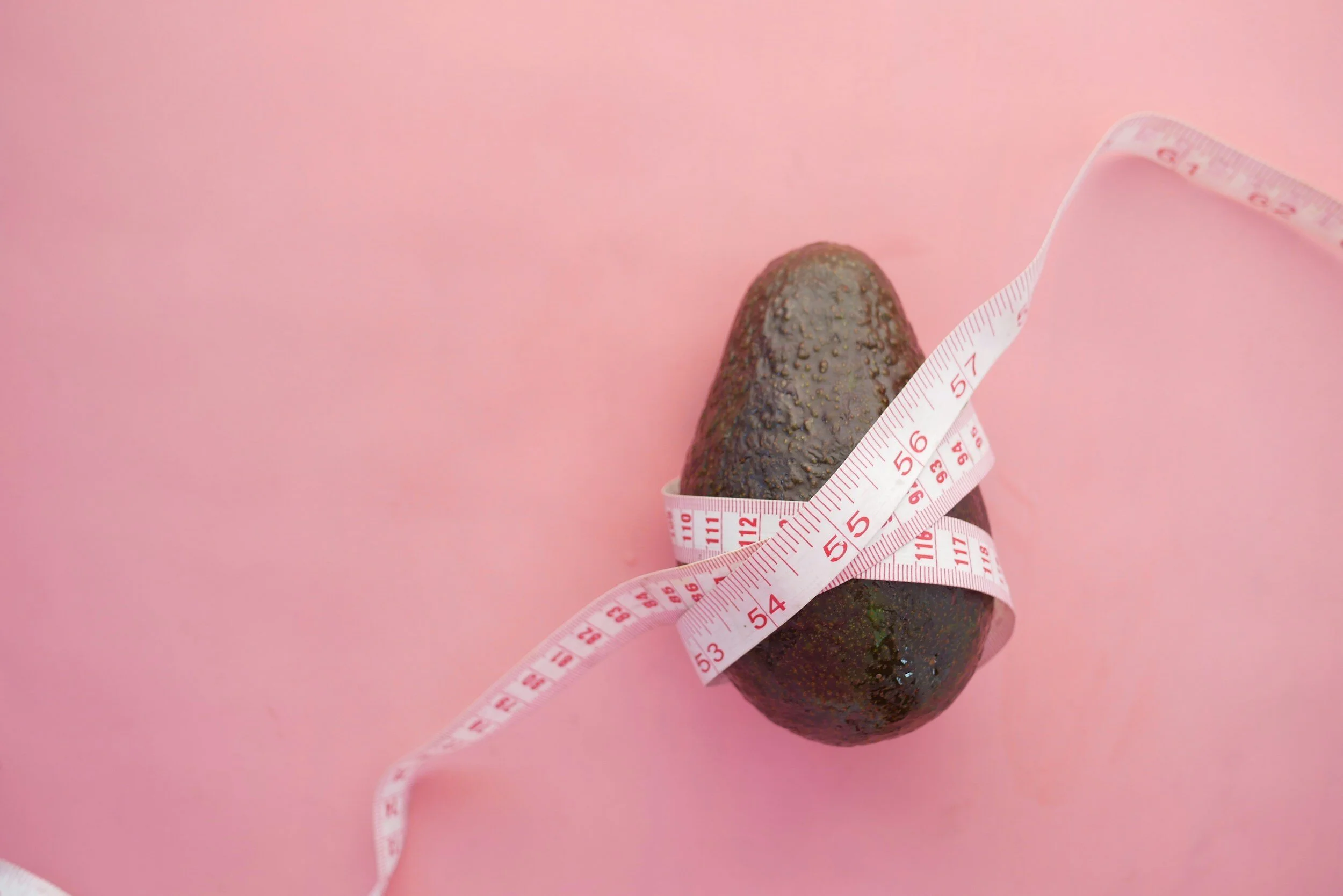
Tracking body measurements, especially around the waist and hips, can provide insights into changes in fat distribution, a common concern during menopause. A decrease in waist circumference is a positive sign of reduced visceral fat, which is linked to a lower risk of metabolic syndrome and heart disease.
Other Indicators of Fitness Improvement
Improvements in sleep quality, energy levels, mood stability, and other non-physical health indicators are also crucial measures of fitness progress. Physical activity can alleviate some menopausal symptoms, such as hot flashes and mood swings, enhancing overall well-being.
Why Body Composition Matters More Than Weight in Menopause
A healthy body composition, characterized by a balanced ratio of muscle to fat, is more indicative of good health than total body weight alone. For menopausal women, focusing on body composition is essential for mitigating risks associated with decreased estrogen levels, such as osteoporosis and cardiovascular disease.
Focusing on VO2 Max, Waist-to-Hip Ratio, and Body Fat Percentage
VO2 Max
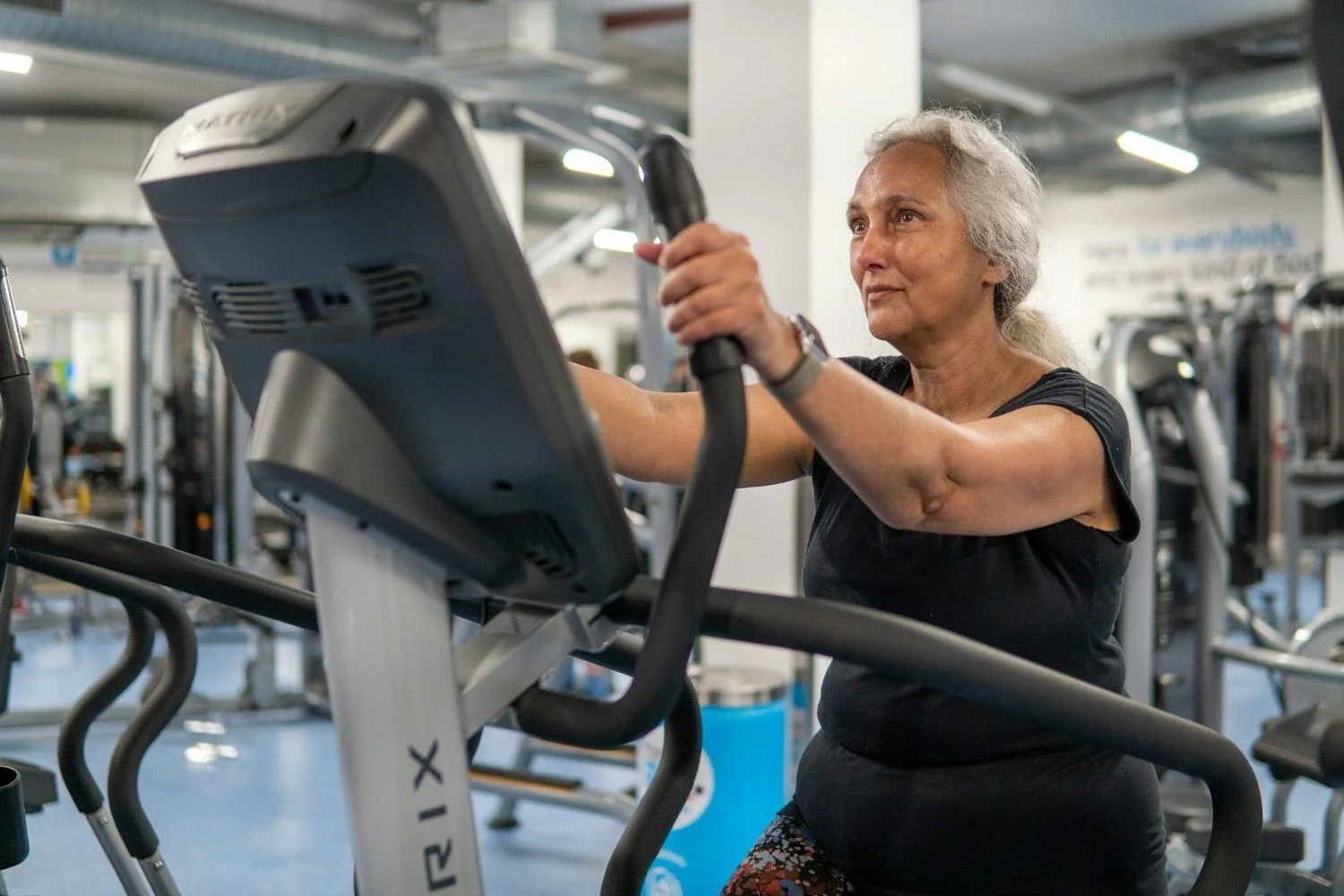
Improving VO2 max, a measure of cardiovascular fitness, can help counteract the increased risk of heart disease during menopause. Engaging in regular aerobic exercise can enhance VO2 max, promoting heart health and endurance. Learn more about VO2 and why it’s important to know in our recent blog post: Understanding VO2 Max: A Comprehensive Guide for Perimenopausal and Menopausal Women.
Waist-to-Hip Ratio
Monitoring the waist-to-hip ratio is vital for assessing the risk of metabolic syndrome and cardiovascular diseases, which can increase during menopause. A lower ratio indicates a healthier fat distribution, reducing disease risk.
Body Fat Percentage
Maintaining a healthy body fat percentage is crucial for menopausal women. Techniques such as DEXA scans or bioelectrical impedance analysis can provide accurate body fat measurements, offering a clearer picture of health status than BMI or scale weight.
Concluding Thoughts
For menopausal and perimenopausal women, it's time to look beyond the scale and embrace a more comprehensive approach to health assessment. By focusing on body composition, cardiovascular fitness, and other health indicators, women can gain a more accurate understanding of their fitness progress and overall well-being.
If you are suffering from perimenopause (or even menopause) symptoms, including weight gain, and struggle with weight loss or figuring out the best fitness routine for yourself, please consider signing up for our 14-Day Perimenopause Program, featuring Personalized Wellness Guidance with Dr. Sarah Bonza!

References:
Lynch, Nicole A., et al. "Comparison of VO2max and disease risk factors between perimenopausal and postmenopausal women." Menopause 9.6 (2002): 456-462. https://journals.lww.com/menopausejournal/abstract/2002/11000/comparison_of_vo2max_and_disease_risk_factors.12.aspx
Toth, M. J., Tchernof, A., Sites, C. K., & Poehlman, E. T. (2000). Menopause-related changes in body fat distribution. Annals of the New York Academy of Sciences, 904(1), 502–506. https://doi.org/10.1111/j.1749-6632.2000.tb06506.x https://nyaspubs.onlinelibrary.wiley.com/doi/abs/10.1111/j.1749-6632.2000.tb06506.x
World Health Organization. "Waist circumference and waist-hip ratio: report of a WHO expert consultation, Geneva, 8-11 December 2008." (2011).https://apps.who.int/iris/bitstream/handle/10665/44583/?sequence=1