
Bonza Health Blog
Gain the tools and understanding you need to help manage the challenges of perimenopause and beyond.
Women experiencing perimenopause or menopause can reclaim their health and vitality. At Bonza Health, we help women see hormone changes as a natural midlife transition and provide the doctor-backed information women need to navigate hormonal health conditions with confidence.
Check out our latest blog posts from our leading physician’s best tips and tools for easing hormonal symptoms, special announcements on our courses and services, and much more! Be a part of our ever-growing community of like-minded women who are thriving in health -- even with perimenopause or menopause conditions.






Menopause Hormone Therapy When You Have Multiple Sclerosis: What the Evidence Actually Says
Yesterday a patient sat across from me and asked a question I've been hearing more and more often. She's in her mid-fifties, three years past her last period, living with relapsing-remitting multiple sclerosis, and she is exhausted. Not the vague tiredness of a busy week — the kind of fatigue that makes her cancel plans. She's waking at 2 a.m. drenched. Her thinking feels slower than it did two years ago. Her neurologist tells her the MRI is stable. "So is this my MS getting worse," she asked, "or is this menopause? And if I start hormone therapy, am I going to make my MS worse?" It's a genuinely good question, and for a long time the honest answer was we're not sure. That's changed. Over the past two years, several large studies have given us far clearer footing. Here's what we know now — and what I told her.

Perimenopause Care for the Whole Woman
A woman in her late forties sits down and starts apologizing. She is sorry for taking up time. She is sorry the list is long. She has been to a gynecologist about her cycles, which have gone from clockwork to unpredictable. She has been to her primary care provider about her cholesterol, which suddenly started creeping up for seemingly no reason. Her primary care doctor mentioned her weight. Someone offered her an antidepressant when she cried in an exam room. Nobody asked about her sleep. Nobody asked about her libido, or her marriage, or the fact that she is now afraid of meetings because she keeps forgetting words. Four clinicians. Four problem lists. Not one of them looking at the same woman. That is not a failure of any individual doctor. It is what happens when a whole-body transition gets divided up.
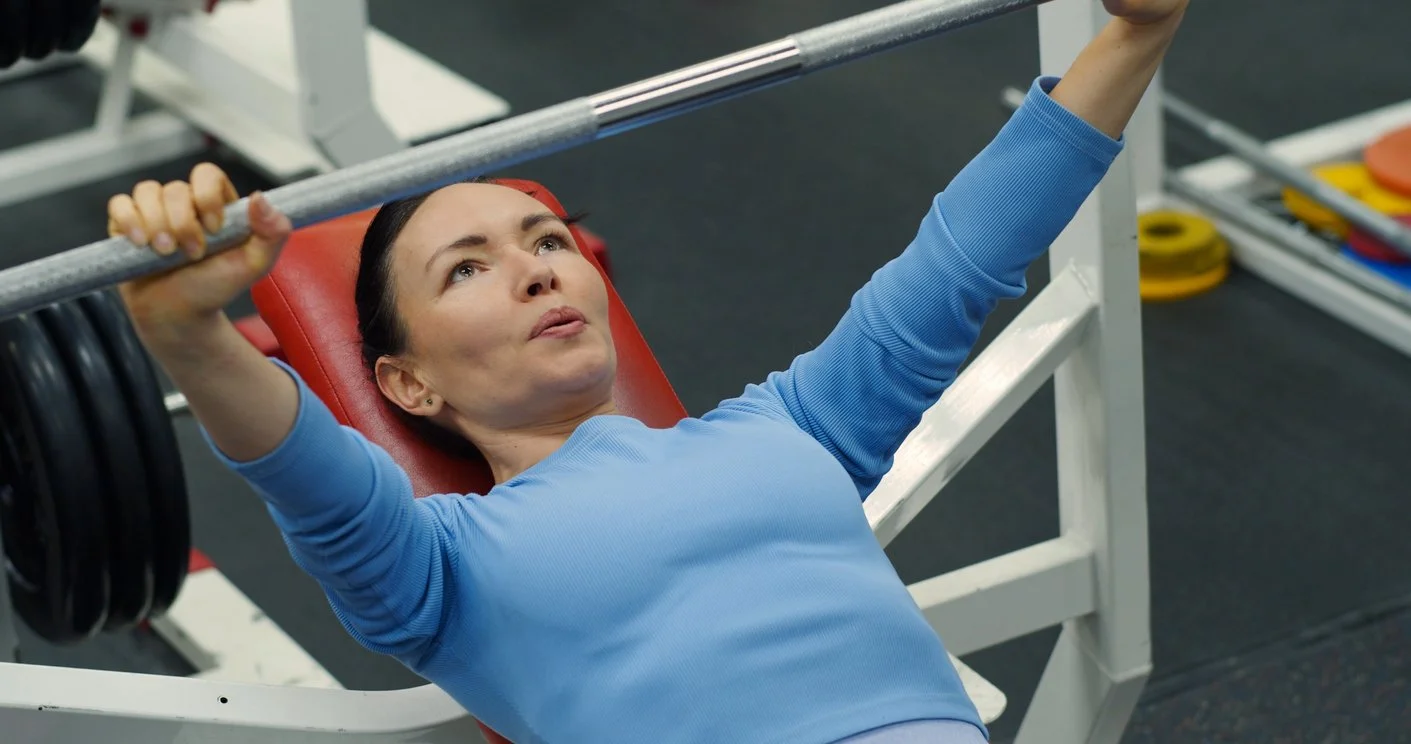
She's Already Lifting, Already Eating Well, and Still Gaining. This Isn't Vanity — It's Physiology
She is forty-six. She lifts three days a week and has for a decade. She tracks her protein. She walks the dog twice a day. Her labs, by most standards, look fine. And over the last two years she has gained eleven pounds that will not move — most of it through her midsection, in a pattern her body has never done before. Then she says the sentence I hear more than any other in my exam room: "I know it sounds vain, but—". I want to answer that sentence carefully, because it deserves two separate answers and most physicians only give the second one.