
Bonza Health Blog
Gain the tools and understanding you need to help manage the challenges of perimenopause and beyond.
Women experiencing perimenopause or menopause can reclaim their health and vitality. At Bonza Health, we help women see hormone changes as a natural midlife transition and provide the doctor-backed information women need to navigate hormonal health conditions with confidence.
Check out our latest blog posts from our leading physician’s best tips and tools for easing hormonal symptoms, special announcements on our courses and services, and much more! Be a part of our ever-growing community of like-minded women who are thriving in health -- even with perimenopause or menopause conditions.





She's Already Lifting, Already Eating Well, and Still Gaining. This Isn't Vanity — It's Physiology
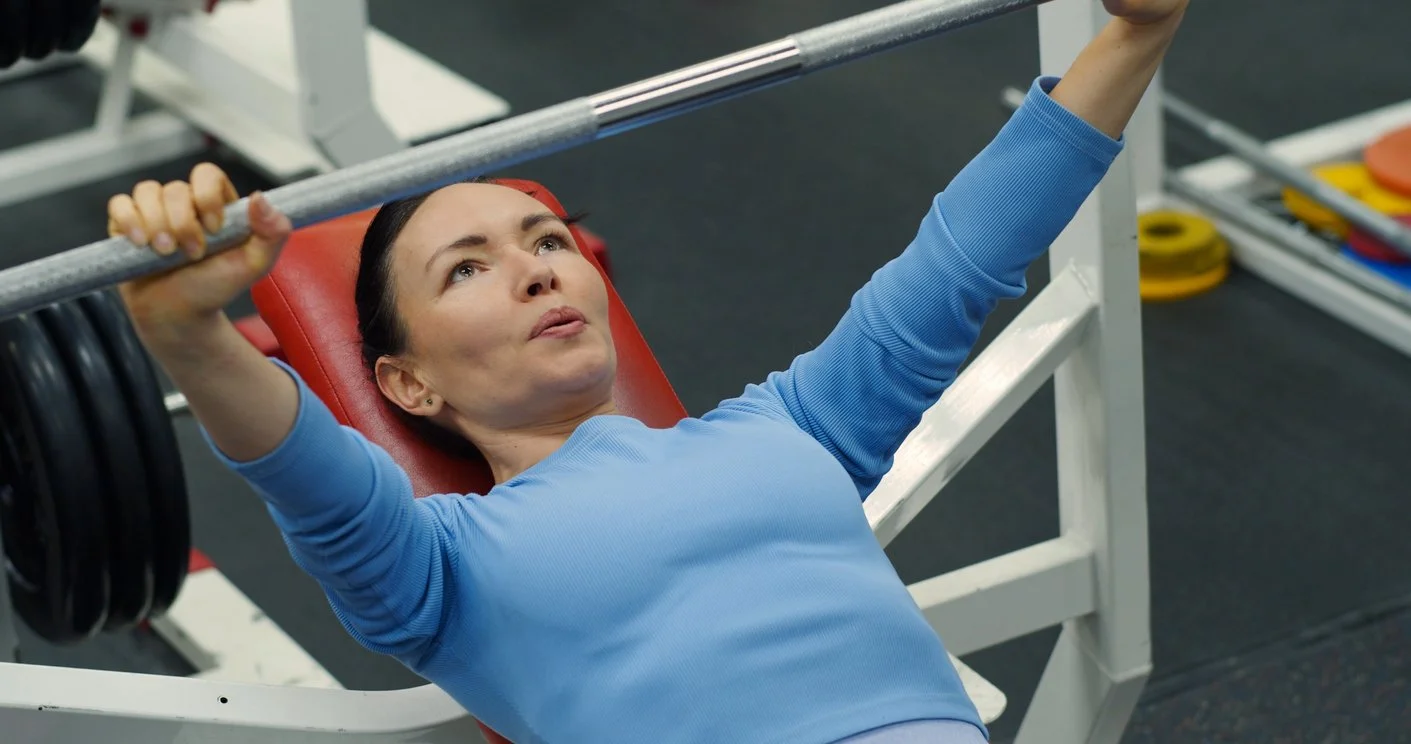
She is forty-six. She lifts three days a week and has for a decade. She tracks her protein. She walks the dog twice a day. Her labs, by most standards, look fine. And over the last two years she has gained eleven pounds that will not move — most of it through her midsection, in a pattern her body has never done before. Then she says the sentence I hear more than any other in my exam room: "I know it sounds vain, but—". I want to answer that sentence carefully, because it deserves two separate answers and most physicians only give the second one.

The Scale Didn't Move — And You Did Everything They Told You To
You put on the same jeans you've worn for three years, and they fit differently now. There's a roll at the waistband that wasn't there before. Your bra band digs in. The blazer you loved pulls across the back. Your arms look softer than you remember, and your middle has changed shape in a way you can't quite describe to anyone. Then you step on the scale, and it says roughly what it's always said. That combination is maddening. Your body clearly changed. The one number you've been taught to trust says nothing happened. And when you mentioned it, someone probably told you it was normal, or suggested you eat less and do more cardio. I want to show you what's actually going on, because you were right — and because the fix is not what you've been told.

Muscle Loss in Perimenopause: What the Scale Won't Tell You
Two years ago I picked up a barbell for the first time with the self-consciousness of someone who had spent two decades telling other people to exercise. I knew the physiology. I could recite the guidelines. What I did not know — what no textbook taught me, and what no lecture ever conveyed — is what it feels like to watch your own body reorganize itself from the inside out while the number on the scale barely moves. That gap between what I knew and what I learned is what this article is about. Because here is the thing about the sentence we've all repeated: you can't out-exercise a bad diet. It's true. It's also only half of a sentence, and the missing half has cost midlife women more than almost any other piece of health advice I can think of.
Subcutaneous vs. Sublingual GLP-1s in Perimenopause: A Cautious Physician's Honest Look at the Evidence
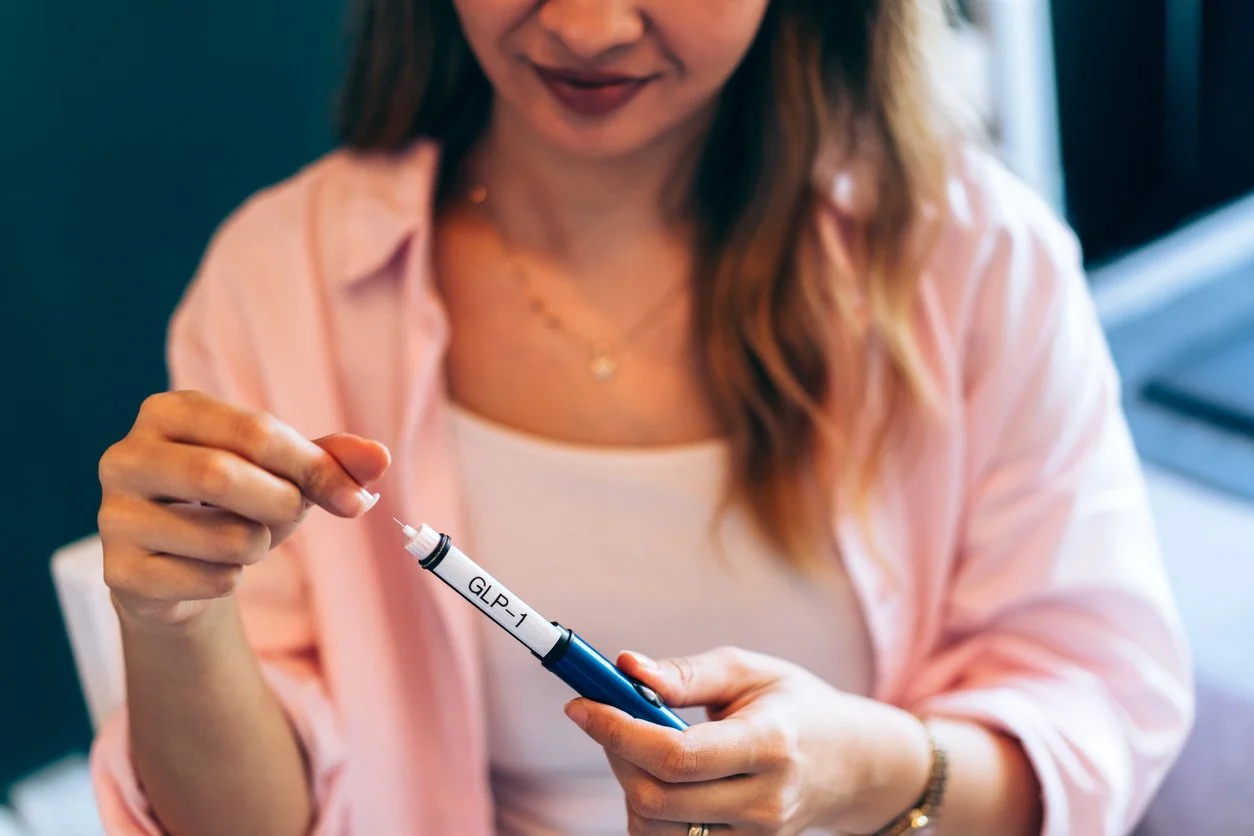
Estrogen decline in perimenopause and menopause drives measurable changes in body composition, insulin sensitivity, and visceral fat accumulation. Many of my patients describe gaining weight in their forties despite eating and exercising the same way they always have. They are not imagining this. The hormonal context has changed, and the metabolic machinery that used to work no longer works the same way. These are some of the most robust outcome data we have for any chronic-disease medication. The benefits are real. The side effects are also real, and they are not minor for a substantial subset of patients. Both of these facts deserve equal weight in the conversation about which form to use.

Why You Struggle to Burn Fat in Menopause (Even If You Lift Weights)
We tend to think of estrogen solely as a reproductive hormone—the thing that gives us periods and helps us make babies. But estrogen is actually a powerhouse metabolic regulator. It dictates how your body burns energy, where it stores fat, and how it responds to insulin. During the transition into menopause, your ovaries stop producing consistent levels of estradiol. This drop does far more than trigger hot flashes; it flips a switch in your metabolic engine.

Microdosing GLP-1 Receptor Agonists During Perimenopause: A Clinical Approach to Hormonal Weight Gain
The emergence of glucagon-like peptide-1 (GLP-1) receptor agonists, particularly through microdosing protocols, offers a promising therapeutic approach to address the unique metabolic challenges of perimenopause. Microdosing represents an innovative approach to GLP-1 therapy that involves using smaller, more flexible doses than standard protocols. This strategy allows for precise dose adjustments to optimize treatment outcomes while minimizing gastrointestinal side effects.

Battling Menopausal Weight Gain: Beyond GLP-1 Agonists
Menopausal weight management demands a multipronged strategy. While GLP-1 agonists offer robust benefits, alternatives like 5-Amino-1MQ, LGD-4033, and LDN provide targeted solutions for visceral fat, muscle preservation, and metabolic repair. Integrating these with plant-based nutrition, stress management, and tailored exercise can transform midlife health.

Understanding Body Shape Changes During Menopause: Hormones, Leptin, and Evidence-Based Strategies
Many women experience shifts in body weight during perimenopause, usually due to fluctuating hormone levels. We often hear about estrogen, but there's a more complex picture involving additional hormones such as leptin and ghrelin.

Creatine Supplementation During Perimenopause Mitigates Sarcopenia, the Age-Related Loss of Muscle Mass and Strength
Estrogen levels decline sharply during perimenopause, reducing muscle protein synthesis and accelerating sarcopenia. Supplementing with creatine monohydrate enhances cellular energy production and muscle protein synthesis, protecting against muscle catabolism during perimenopause.

Collagen vs. Protein Powder: A Guide for Vegetarian Women to Build Muscle and Maintain Youthful Skin
Choosing between collagen and protein powder can be confusing, especially for vegetarian women striving for both muscle strength and youthful skin. While traditional collagen supplements are animal-based, plant-powered alternatives can still support collagen production through vitamin C, lysine, and antioxidants. Meanwhile, pea protein offers a high-quality, muscle-building option that rivals whey—allowing you to fuel your body effectively without compromising your values.

Perimenopause Weight Woes? This Could Be the Best-Kept Secret for Healthier Aging
Metformin, also known as Glucophage, is an affordable and effective option for women in perimenopause or menopause who aren’t eligible for GLP-1 medications but still want to manage weight and support healthy aging. This well-studied drug enhances insulin sensitivity and can stabilize blood sugar levels, potentially reducing stubborn midsection fat. Some women also report better bowel regularity, which can be a welcome relief during hormone fluctuations. One patient, Cassandra, lost eight pounds of body fat over six months without major changes to her lifestyle. Metformin’s decades of data and accessibility make it a compelling choice for those seeking a steady, evidence-based approach to weight control and vitality.

Why Your Body Doesn’t Feel Full in Perimenopause: A Physician’s Look at Leptin
Perimenopause's hormonal shifts can disrupt leptin signaling, creating a disconnect between our fat cells and brain. This leptin resistance often results in difficulty feeling full and increased stress eating, especially after demanding days.The interplay between leptin resistance and perimenopausal metabolic changes creates a complex scenario affecting weight, energy, and overall well-being. However, there are effective strategies to improve leptin sensitivity

Perimenopause: The Power of Protein for Muscle Health and Weight Management
As hormones shift, maintaining muscle mass becomes more challenging, and you might notice unexpected changes in your body Increasing protein not only supports muscle maintenance but also aids in managing weight by promoting fullness and boosting metabolism.

Understanding VO₂ Max During Perimenopause and Menopause
Menopause brings significant changes, and understanding your body's needs is crucial during this time. This blog explains VO₂ max—a key indicator of cardiovascular fitness—and its importance for women in perimenopause and menopause. It offers practical advice on improving VO₂ max through exercises like High-Intensity Interval Training (HIIT) and hill training, tailored to support your health and well-being during this transition.

Darwin’s Theory of Natural Selection: What It Means for Us as Our Reproductive Years Wind Down
This blog explores how Darwin’s theory of natural selection and the concept of entropy relate to the menopausal transition, reframing this life stage as a powerful new beginning rather than an end. By understanding menopause as an opportunity to enhance both lifespan and healthspan, women can embrace this phase with renewed vitality, focusing on proactive health strategies to mitigate entropy’s effects and reclaim their well-being.

Short on Time? Try This 7-Minute Strength Training to Navigate Perimenopause Like a Pro!
Navigating perimenopause can be challenging, especially with a busy schedule. In this blog, Dr. Sarah Bonza shares essential healthy habits and the importance of strength training for weight loss, metabolism maintenance, and long-term bone health. Discover how S.J. Scott's habit stacking can help you seamlessly integrate her favorite 7-minute full-body strength workout into your daily routine.

Perimenopause & Weight Gain: Myths & Strategies for Maintaining a Healthy Weight
Are you struggling with weight gain during perimenopause? You're not alone. Many women find that the hormonal fluctuations and metabolic changes characteristic of perimenopause make maintaining a healthy weight more challenging. In this comprehensive blog, Dr. Sarah Bonza, a board-certified family physician and lifestyle medicine expert, delves into effective strategies for managing weight during this pivotal stage of life. Learn about FDA-approved hormone treatments, dietary adjustments, and tailored exercise plans that have helped countless women like Shannon reclaim their health and vitality. Whether you're looking for ways to boost your metabolism, balance your hormones, or integrate relaxation techniques into your daily routine, this blog provides valuable insights and practical advice to help you navigate the complexities of weight management during perimenopause. Join Dr. Bonza as she guides you through personalized approaches and success stories that demonstrate you can achieve and maintain a healthy weight during perimenopause.

Optimizing Your Gut Health During Perimenopause: The Link Between Gut Microbiome and Hormone Balance
Dr. Bonza will guide you through the crucial role your gut microbiome and estrobolome play in your health during perimenopause. You'll learn about the complex world of microorganisms that reside in your digestive tract and their profound impact on everything from your hormone balance to mood, weight, and overall well-being. Discover how these tiny bacteria can have a big impact on managing symptoms like hot flashes, mood swings, and weight gain. We'll delve into practical tips for nurturing your gut microbiome through diet, lifestyle changes, and targeted supplements to help you feel more balanced and vibrant during perimenopause.
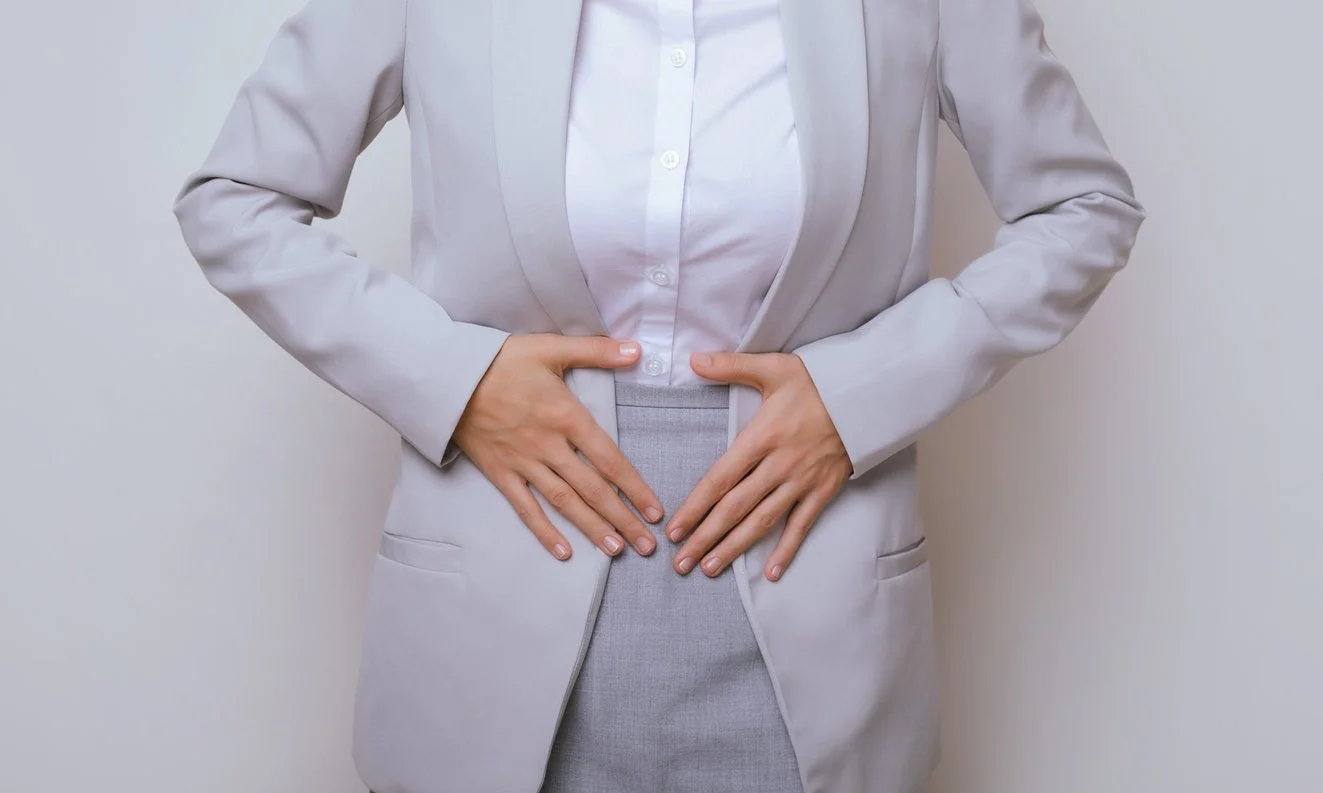
Understanding the Importance of Waist to Hip Ratio During Menopause
Explore the crucial role of monitoring waist-to-hip ratio during menopause with our comprehensive blog. Uncover the significant body changes women face as they approach this transitional stage, including the redistribution of body fat which can heighten the risk of chronic diseases. Discover why the waist-to-hip ratio is a more reliable health indicator than BMI, offering insights into your risk for conditions like cardiovascular disease, type 2 diabetes, and more. Learn how to accurately measure your ratio at home, interpret the results, and the importance of maintaining a healthy ratio through diet, exercise, and lifestyle adjustments. This guide emphasizes proactive health management to mitigate menopause-related health risks, empowering women with the knowledge to support their well-being during and after menopause.

Interpreting the Latest on Intermittent Fasting: A Physician's Balanced Perspective on Heart Health and Diet
A recent study suggests a link between intermittent fasting and an increased risk of heart disease, sparking widespread concern. Our latest blog explores the nuances of this research, highlighting its preliminary status and several limitations. From the demographic characteristics of the study participants to the crucial distinction between association and causation, at Bonza Health, we maintain a balanced perspective on intermittent fasting and its effects on heart health. This blog serves as a discussion that goes beyond the headlines, emphasizing the importance of personalized healthcare and the ongoing journey of scientific discovery.