Testosterone Therapy for Women
Written and edited by Sarah Bonza, MD, MPH, FAAFP, MSCP, DipABLM, NBC-HWC | Bonza Health

Why the FDA's September 17 workshop on testosterone in menopausal women is the most important thing happening in women's health this fall — and what my exam room looks like while we wait.
I have a three-page handout I give to women who want to try testosterone.
It exists because there is no other way to do this. It tells them that the medication I am prescribing has no FDA-approved version for their sex, anywhere in this country. It tells them insurance will almost certainly not cover it, and to budget roughly $130 out of pocket. It tells them to ignore the instructions printed on the pharmacy label, because those instructions were written for a 200-pound man, and following them would deliver roughly ten times the dose I intend. It tells them to squeeze out a pea-sized amount of gel — about half a gram — from a packet designed to be emptied in one application, and to make that packet last ten days.
Then I explain the part that isn't in the handout. That the pharmacist may look at them sideways. That they may be asked why they want this. That the packets, once opened, will live in a Ziploc bag in a bathroom drawer, because male testosterone packaging has no mechanism for a partial dose. That some of them will be refused outright, cash in hand.
I hand women this document, and I watch them read it, and I think: no one would accept this for any other patient population.
On September 17, 2026, the FDA's Office of Women's Health and the Center for Drug Evaluation and Research are holding a public workshop on testosterone use in menopausal women. The agency's own framing acknowledges the gaps: the role of testosterone in sexual function, cognition, mood, and musculoskeletal health; the difficulty of measuring and interpreting testosterone levels in women; and the absence of long-term safety data. A public docket (FDA-2026-N-5479) is open for comment through October 19, 2026.
This is the first serious federal movement on this question in more than twenty years. Here is what I want the record to show.
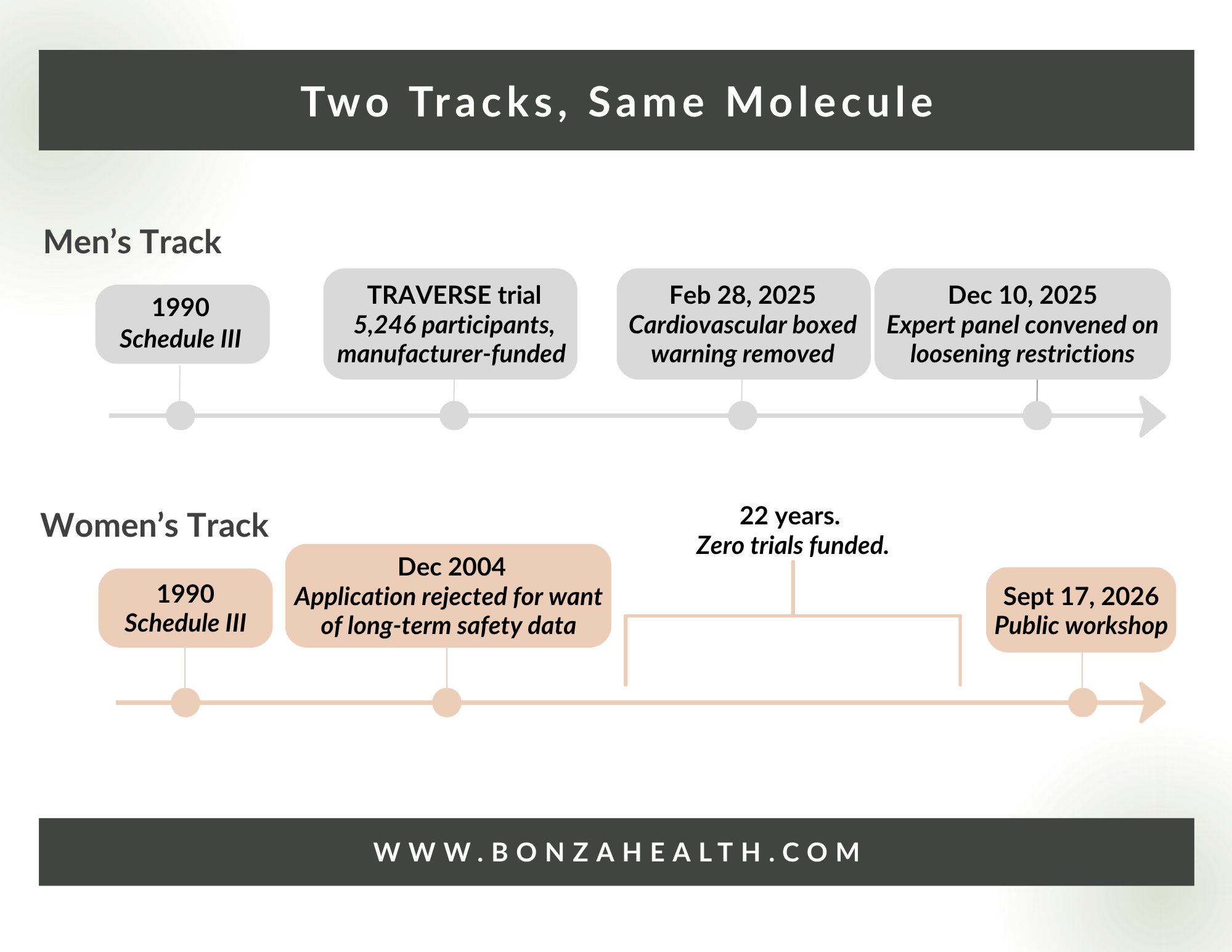
On September 17, 2026, the FDA's Office of Women's Health and the Center for Drug Evaluation and Research held a public workshop on testosterone use in menopausal women: the first serious federal movement on this question in more than twenty years.
Testosterone is not a male hormone. It is a female hormone that men also make.
By total circulating quantity, testosterone is the most abundant biologically active sex steroid in a woman's body. It comes from the ovaries, the adrenal glands, and peripheral conversion of precursors in fat and skin. Androgen receptors sit in muscle, bone, brain, breast, vascular endothelium, and the genitourinary tract.
Here is the part that surprises most clinicians, and that matters enormously for perimenopausal women: testosterone does not fall off a cliff at menopause the way estradiol does. It declines steeply across the twenties and thirties. In a community sample of 1,423 women aged 18 to 75, total and free testosterone fell sharply with age, and natural menopausal status had no independent effect on androgen levels — although bilateral oophorectomy did, substantially [1]. The most recent and most rigorous data, from a nationally representative Australian cohort measured by mass spectrometry, found median testosterone declining from ages 40–44 through the late fifties, reaching a nadir around 58–59, with only androstenedione tracking menopause itself [2].
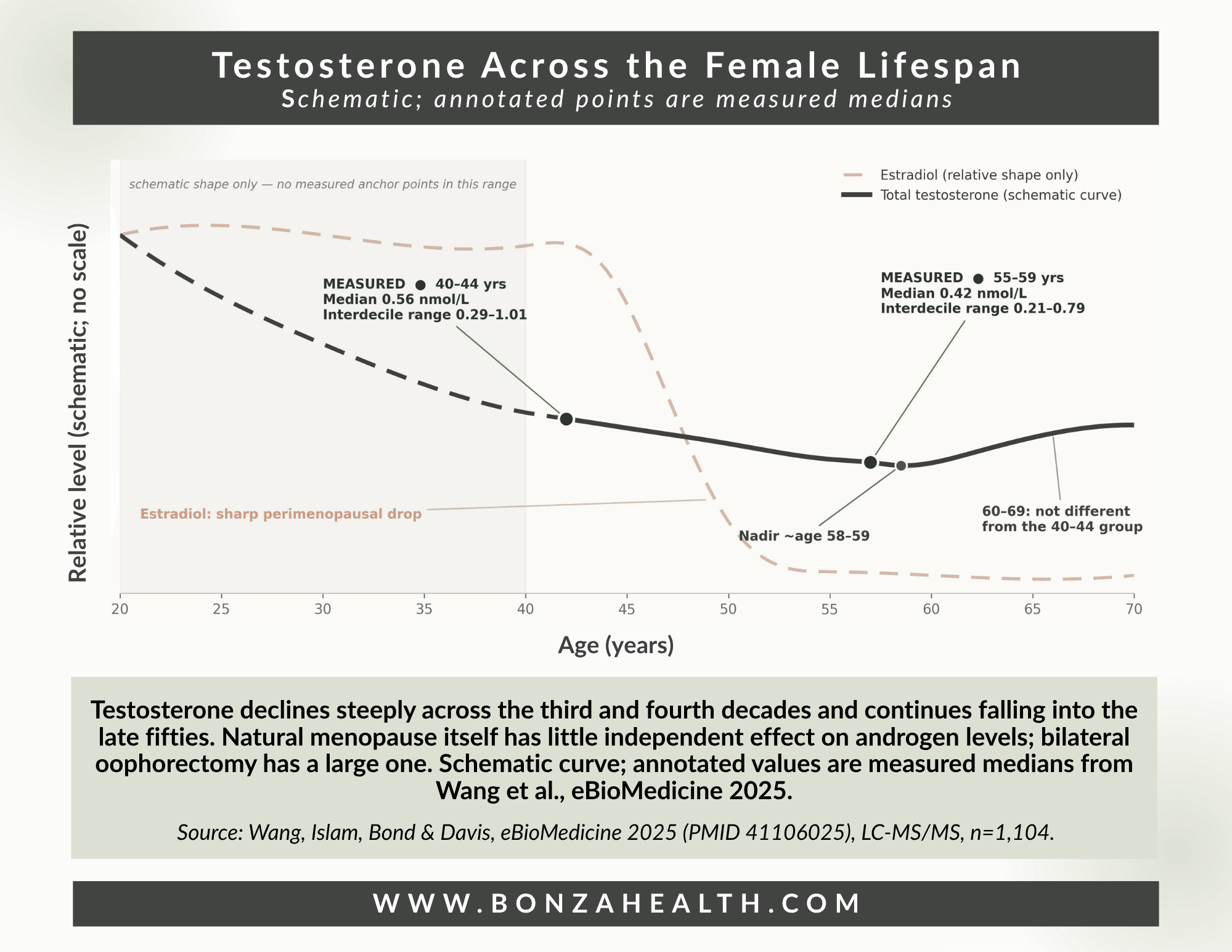
Figure 1. Testosterone across the female lifespan
What that means clinically: the woman sitting in front of me at 44, reporting that her drive is gone and her workouts don't build anything anymore and her brain feels like it's running through gravel, has already lost a large fraction of her lifetime testosterone. She lost it gradually, over two decades, which is precisely why nobody noticed — including her.
It also means that measuring her level is harder than it sounds. Most commercial immunoassays were designed and validated for male concentrations and perform poorly at the low end of the female range [3]. The free androgen index is confounded by obesity, age, and oral estrogen. This is exactly the measurement gap the FDA has put on the workshop agenda, and it is a real one. It is also not a reason to withhold treatment — it is a reason to fund better assays.
What the evidence actually says
The largest synthesis we have pooled 36 randomised controlled trials in more than 8,000 women [4]. It is the evidence base underpinning the 2019 Global Consensus Position Statement, which was developed by a task force representing and endorsed by eleven international societies, including the Endocrine Society, the International Menopause Society, ISSWSH, RCOG and RANZCOG [5].

Table 1. Testosterone therapy in women: what the randomized evidence shows
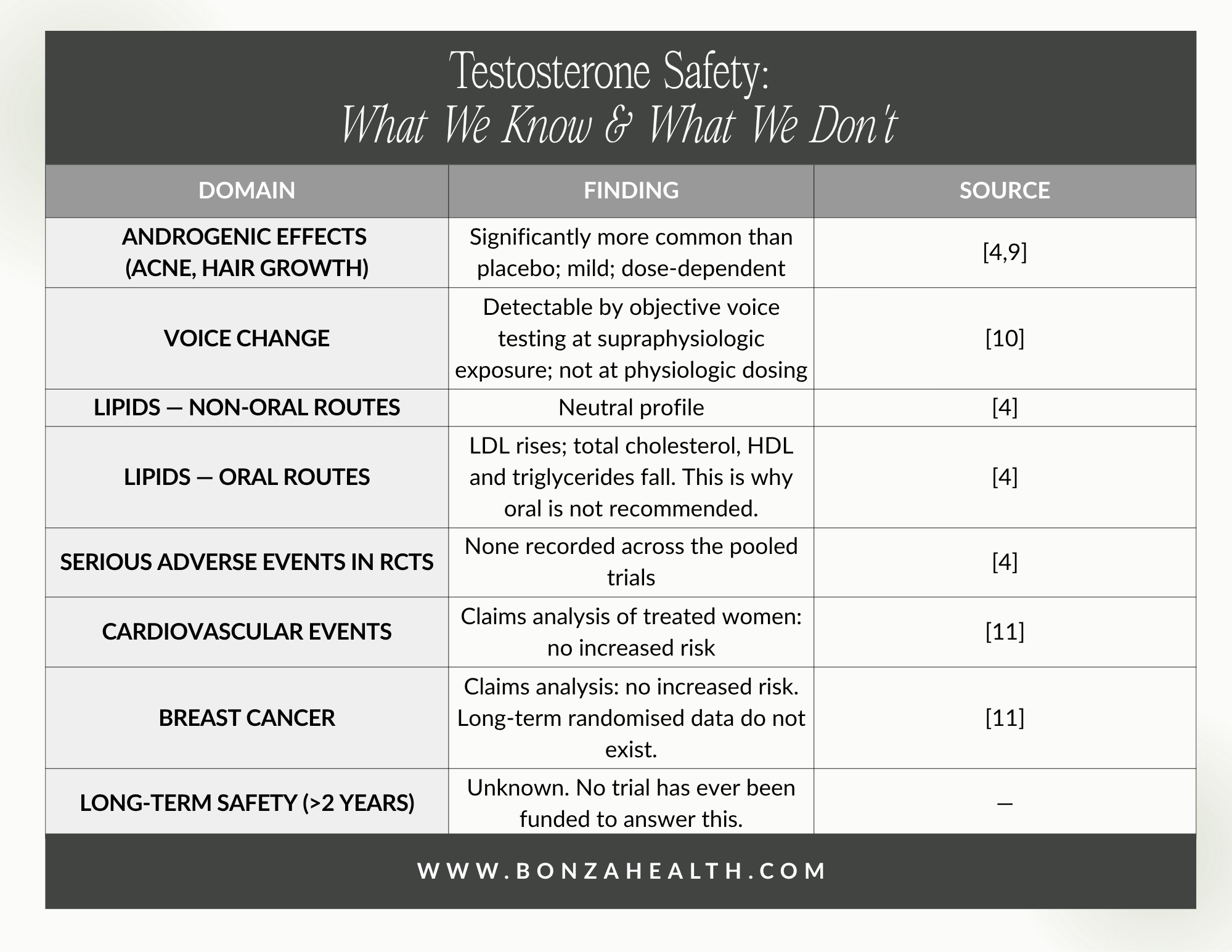
Table 2. Safety: what we know and what we don't
That last row is the crux of the whole argument, so let me be direct about it.
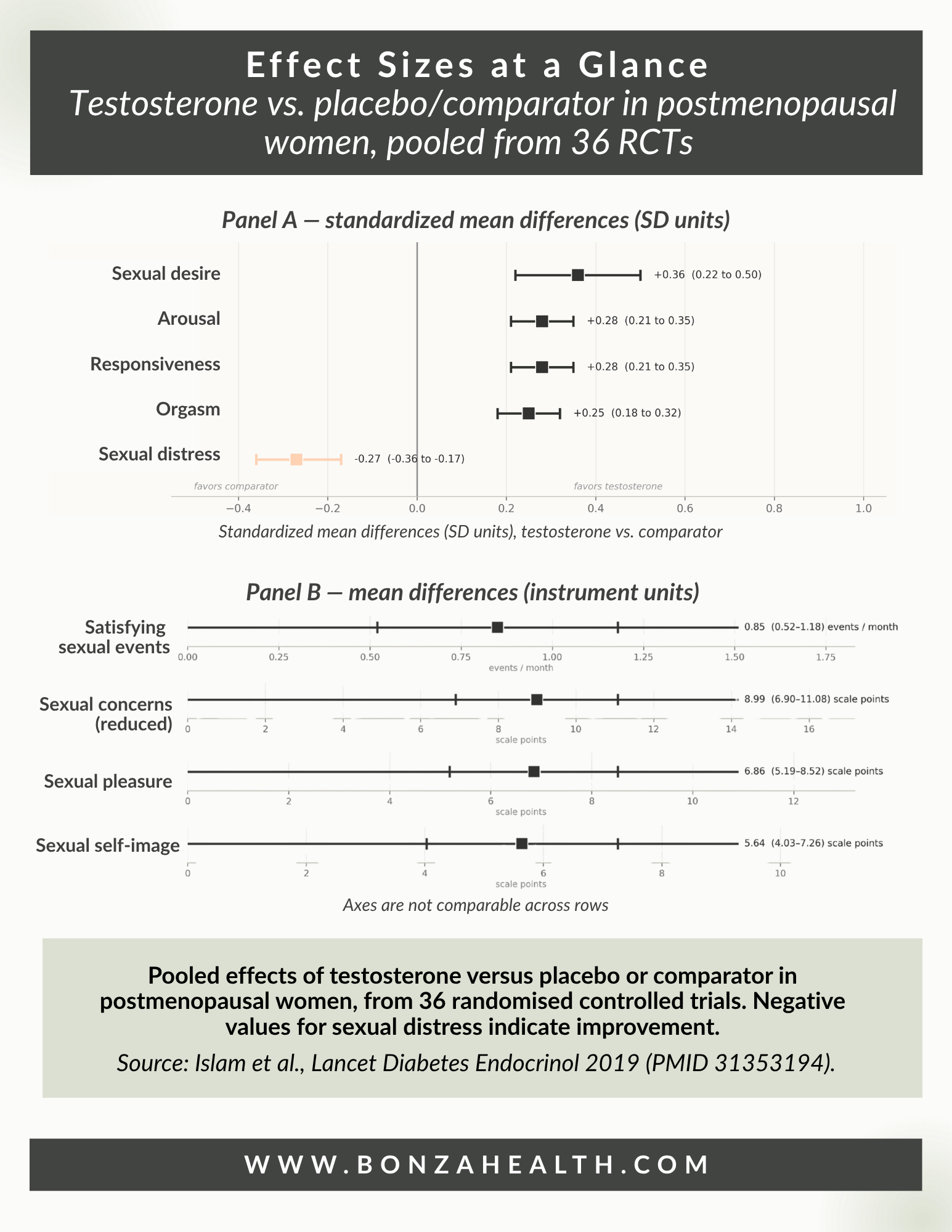
Pooled effects of testosterone versus placebo or comparator in postmenopausal women, from 36 randomised controlled trials. Negative values for sexual distress indicate improvement.
The evidence gap is a funding artifact, not a biological finding
In December 2004, an FDA advisory committee voted unanimously against approving Intrinsa, a 300 μg/day testosterone patch for surgically menopausal women. The efficacy was real. The panel's objection was that six-month trials couldn't establish long-term cardiovascular and breast safety. Procter & Gamble withdrew the application. Europe approved the patch in 2006; the marketing authorisation was voluntarily withdrawn in 2012 for commercial reasons.
So the FDA said: come back with long-term safety data. And then nobody funded the study. For twenty-two years.
Meanwhile, for men: the TRAVERSE trial enrolled 5,246 men at high cardiovascular risk, was funded by a consortium of testosterone manufacturers, and answered the cardiovascular safety question definitively. On the strength of it, the FDA removed the cardiovascular boxed warning from every testosterone product on the US market in February 2025. In December 2025, the agency convened an expert panel to consider whether the remaining restrictions on men's testosterone are too strict.
Read those two paragraphs next to each other.
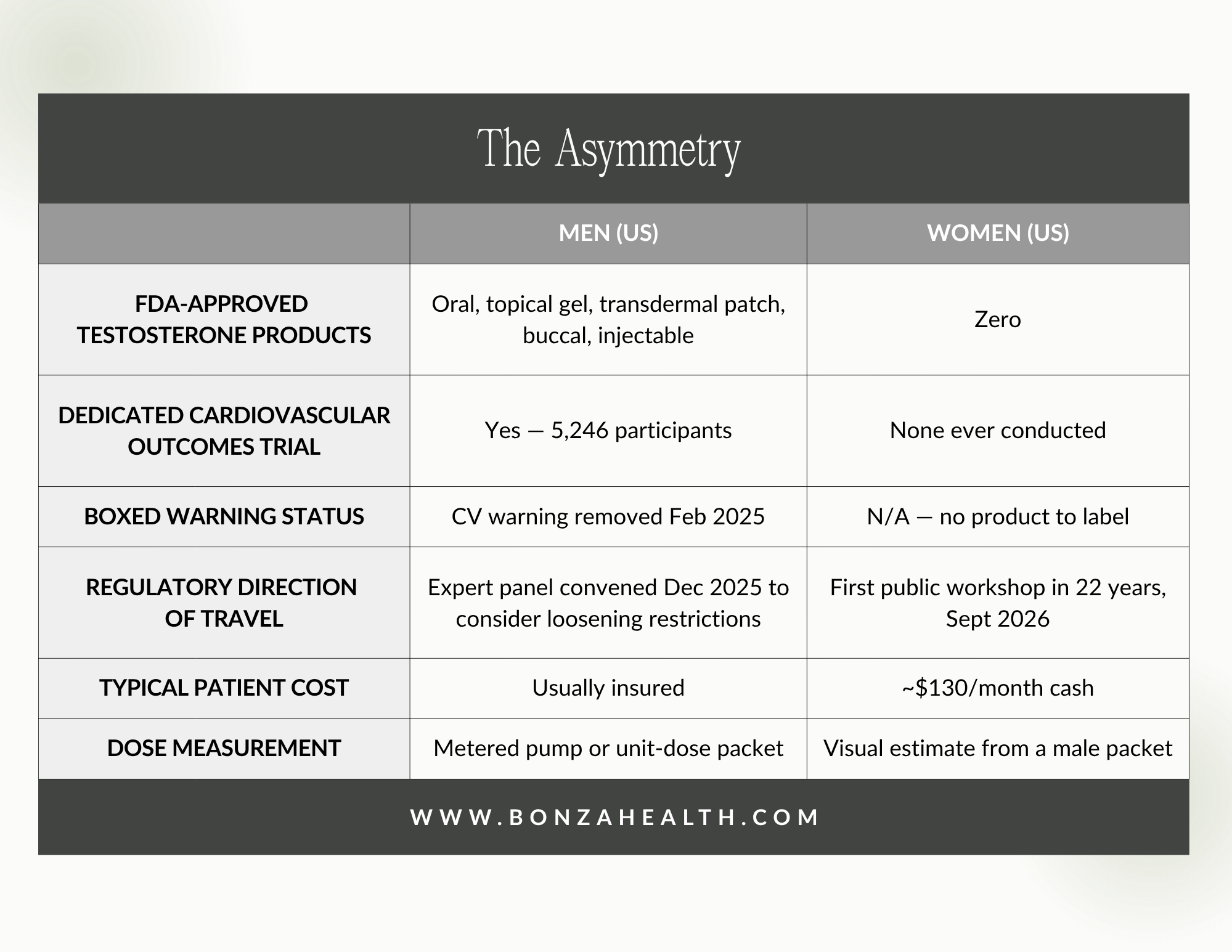
Table 3. The asymmetry
This is not a claim that men's testosterone prescribing is a scandal of overtreatment. It's a claim about what happens when a market exists. Trials get funded. Products get approved. Labels get updated. Patients get metered dispensers.

FDA-approved products
Four countries have already done the obvious thing. AndroFeme 1, a 1% testosterone cream formulated and dosed for women — with a graduated applicator, because measurement matters — was registered by Australia's TGA in November 2020 and reached pharmacies in April 2021. New Zealand and South Africa followed. The UK's MHRA granted a marketing authorisation in July 2025. The United States, which invented the regulatory framework everyone else copied, has nothing.
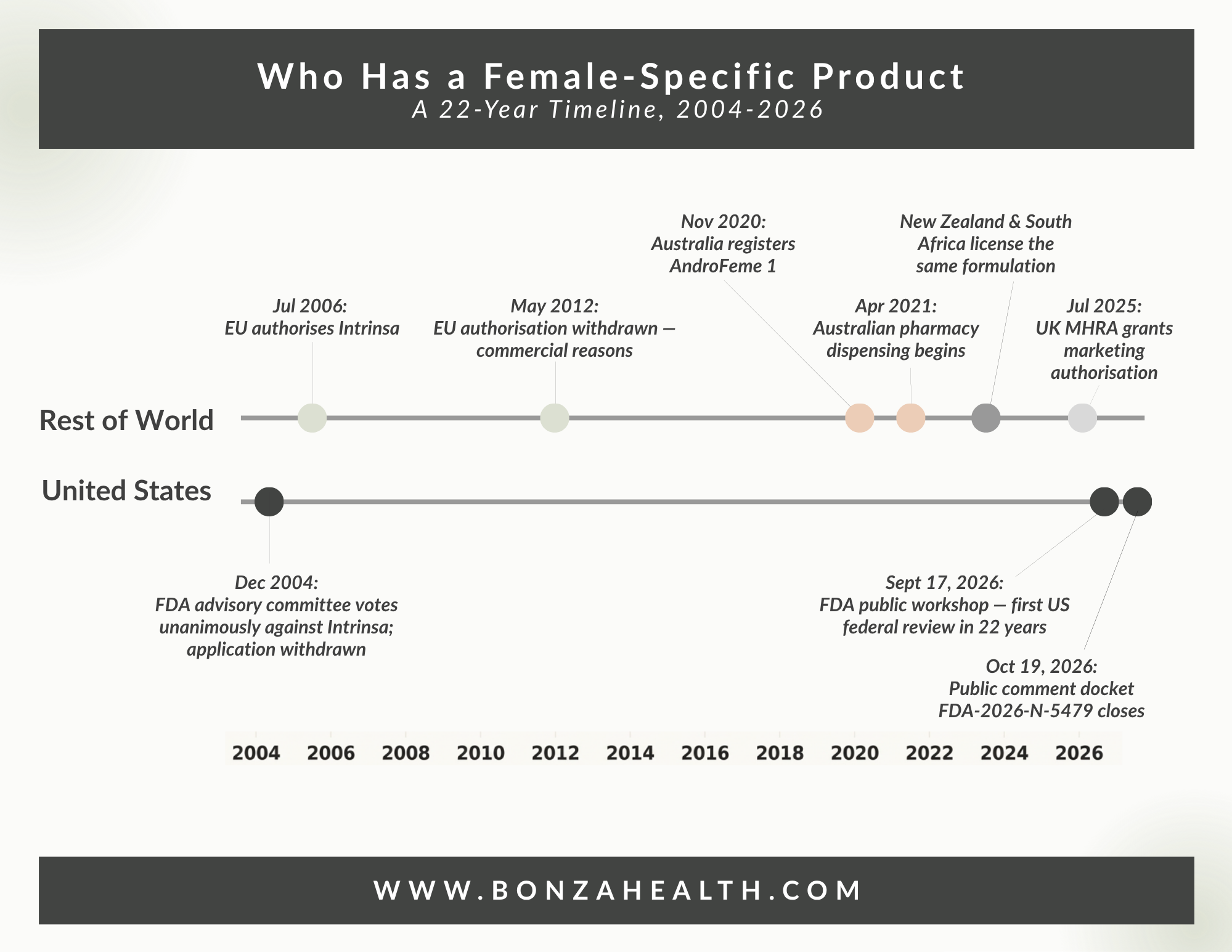
Who has a female-specific product: a timeline
What the restrictions actually do in my clinic
Testosterone has been a Schedule III controlled substance since the Anabolic Steroids Control Act of 1990 — a law aimed at Olympic doping, which both the DEA and the AMA opposed applying to therapeutic testosterone. Federal law permits five refills within six months, but state rules and payer policies frequently tighten that, and in practice my patients get thirty days at a time. Every prescription lands in a state monitoring database. Every one requires a DEA number.
Here is what that produces:
Women are refused at the counter. Not because of a drug interaction. Because a pharmacist sees a Schedule III androgen on a female patient and declines. I have had to send prescriptions to a different pharmacy, sometimes a different county, for women who were standing there with a credit card out.
Women store medication in sandwich bags. Because male packaging assumes you use the whole packet.
Women are asked to measure something unmeasurable. "Pea-sized" is not a unit. I say it because there is no better instruction available to me. AndroFeme comes with a syringe marked in millilitres. My patients get a visual approximation and a hope.
And I get phone calls asking whether I am treating transgender patients. I want to be careful and precise here, because this is a politically charged area and my point is narrow. Whatever anyone's views on gender-affirming care, the surveillance climate around testosterone prescribing has a spillover effect: it makes pharmacies, employers, and prescribers more cautious about any androgen prescription written for a female patient. The 52-year-old woman with HSDD did not ask to be caught in that. She is anyway.
None of this is a clinical risk-benefit calculation. It is friction — and friction, applied selectively to one sex, is a health disparity.
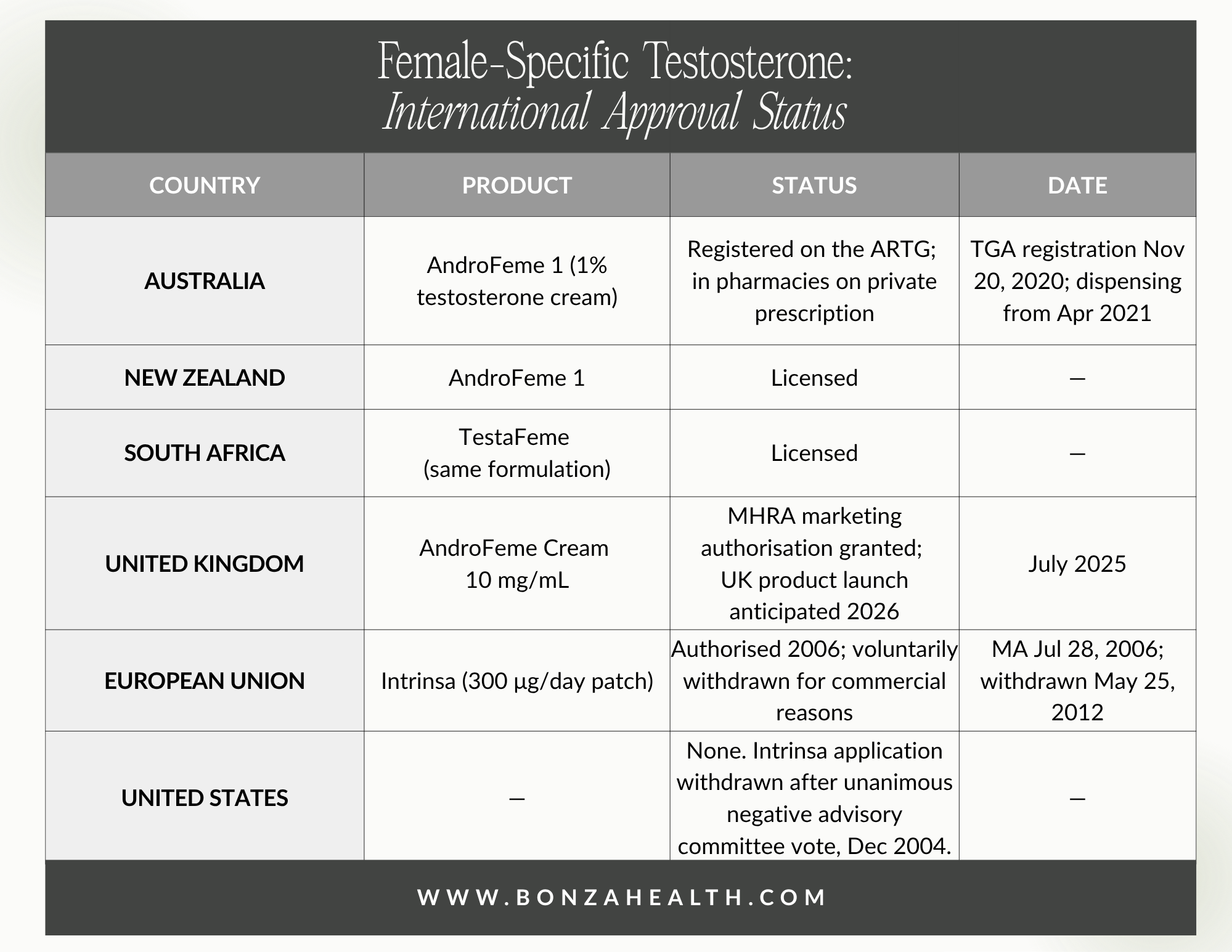
Table 4. Female-specific testosterone: international approval status
What I want, and what you can do
Three things:
A female-specific, FDA-approved testosterone formulation with a metered delivery system and a label written for the actual dose.
Federal funding for a long-term safety and efficacy trial that includes perimenopausal women — the group with the least evidence and, in my clinic, the highest symptom burden. The Global Consensus Position Statement endorses testosterone for postmenopausal HSDD; ISSWSH extended its recommendation to the late reproductive stage [12]. Beyond that, we are extrapolating. That is not a reason to stop asking; it is a reason to fund the question.
Reconsideration of Schedule III status for physiologic-dose hormone replacement in women. A 5 mg daily dose is not a doping regimen.

Table 5. The handout as evidence — what each line reveals
The FDA docket is open until October 19, 2026. Comments from clinicians matter. Comments from patients matter more, because nobody writing regulatory policy has ever tried to divide a male testosterone packet into ten portions in a bathroom at 6 a.m.
If you are a woman who has been refused, overcharged, interrogated, or handed a Ziploc bag — write it down and submit it. Go to Regulations.gov and search docket FDA-2026-N-5479.
And if you want to see the handout I've been describing, it's linked below. I would genuinely like to stop needing it.

Download my Testosterone Therapy for Women Handout
This article is for educational purposes and is not individual medical advice. Testosterone therapy in women is prescribed off-label in the United States and requires clinical evaluation, individualized dosing, and monitoring. Discuss your situation with a qualified clinician.
References
Davison SL, Bell R, Donath S, Montalto JG, Davis SR. Androgen levels in adult females: changes with age, menopause, and oophorectomy. J Clin Endocrinol Metab. 2005;90(7):3847–3853. https://doi.org/10.1210/jc.2005-0212
Wang Y, Islam RM, Bond M, Davis SR. Testosterone and pre-androgens by age and menopausal stage at midlife: findings from a cross-sectional study. eBioMedicine. 2025;121:105972. PMID: 41106025. https://doi.org/10.1016/j.ebiom.2025.105972
Handelsman DJ, Davis SR. Measuring serum testosterone in women. Lancet Diabetes Endocrinol. 2024;12(7):437–439. https://doi.org/10.1016/s2213-8587(24)00134-7
Islam RM, Bell RJ, Green S, Page MJ, Davis SR. Safety and efficacy of testosterone for women: a systematic review and meta-analysis of randomised controlled trial data. Lancet Diabetes Endocrinol. 2019;7(10):754–766. PMID: 31353194. https://doi.org/10.1016/s2213-8587(19)30189-5
Davis SR, Baber R, Panay N, et al. Global Consensus Position Statement on the Use of Testosterone Therapy for Women. J Clin Endocrinol Metab. 2019;104(10):4660–4666. PMID: 31498871. (Also published in Maturitas 2019;128:89–93, PMID 31484631; J Sex Med 2019;16(9):1331–1337, PMID 31488288; and Climacteric 2019.) https://doi.org/10.1210/jc.2019-01603
Huang G, Basaria S, Travison TG, et al. Testosterone dose-response relationships in hysterectomized women with or without oophorectomy: effects on sexual function, body composition, muscle performance and physical function in a randomized trial. Menopause. 2014;21(6):612–623. PMID: 24281237. https://doi.org/10.1097/GME.0000000000000093
Glynne S, Kamal A, Kamel AM, Reisel D, Newson L. Effect of transdermal testosterone therapy on mood and cognitive symptoms in peri- and postmenopausal women: a pilot study. Arch Womens Ment Health. 2025;28(3):541–550. PMID: 39283522. https://doi.org/10.1007/s00737-024-01513-6
Glynne S, Kamal A, McColl L, et al. Transdermal oestradiol and testosterone therapy for menopausal depression and mood symptoms: retrospective cohort study. Br J Psychiatry. 2025 (online ahead of print). PMID: 40519046. https://doi.org/10.1192/bjp.2025.101
Achilli C, Pundir J, Ramanathan P, Sabatini L, Hamoda H, Panay N. Efficacy and safety of transdermal testosterone in postmenopausal women with hypoactive sexual desire disorder: a systematic review and meta-analysis. Fertil Steril. 2017;107(2):475–482.e15. PMID: 27916205. https://doi.org/10.1016/j.fertnstert.2016.10.028
Huang G, Pencina KM, Coady JA, Beleva YM, Bhasin S, Basaria S. Functional voice testing detects early changes in vocal pitch in women during testosterone administration. J Clin Endocrinol Metab. 2015;100(6):2254–2260. PMID: 25875779. https://doi.org/10.1210/jc.2015-1669
Agrawal P, Singh SM, Hsueh J, et al. Testosterone therapy in females is not associated with increased cardiovascular or breast cancer risk: a claims database analysis. J Sex Med. 2024;21(5):414–419. PMID: 38459625. https://doi.org/10.1093/jsxmed/qdae032
Parish SJ, Simon JA, Davis SR, et al. International Society for the Study of Women's Sexual Health clinical practice guideline for the use of systemic testosterone for hypoactive sexual desire disorder in women. Climacteric. 2021;24(6):533–550. PMID: 33792440. (Also J Sex Med 2021;18(5):849–867, PMID 33814355.) https://doi.org/10.1016/j.jsxm.2020.10.009
Mirin AA. Gender disparity in the funding of diseases by the U.S. National Institutes of Health. J Womens Health (Larchmt). 2021;30(7):956–963. PMID: 33232627. https://doi.org/10.1089/jwh.2020.8682