Written and edited by Sarah Bonza, MD, MPH, FAAFP, MSCP, DipABLM, NBC-HWC | Certified Menopause Practitioner | Bonza Health

Your estrogen patch may be easy to fill one month and hard the next, and it can differ from one pharmacy to the next.
She has used the same estradiol patch for two years. It gave her back her sleep, her patience, and her brain. Then the pharmacy calls: back-ordered. She tries a second pharmacy, then a third. She has four patches left, and someone in a Facebook group just told her to cut them in half.
If that's you, hear this first: you are not being difficult, and you are not overreacting. Losing access to a medicine that works is stressful, and fearing your symptoms will come back is real. The good news is that there is almost always a safe plan, and it starts before your last patch.
Here is what's happening, why, and what I want my own patients to do.
Is there really an estrogen patch shortage?
It depends on who you ask, and that confusion is part of why this feels so maddening.
The U.S. Food and Drug Administration (FDA) says estradiol patches "remain available," although specific brands and strengths vary by pharmacy and location [1]. The American Society of Health-System Pharmacists (ASHP), whose list tracks every product and strength, has listed estradiol patches as a shortage since January 30, 2026 [2]. Both can be true. The FDA treats supply as adequate when manufacturers can meet national demand overall. Pharmacists keep a drug on their list until every strength and package size is back on the shelf.
In a letter dated October 29, 2026, U.S. Representative Kevin Mullin asked the FDA to add estradiol patches to its Drug Shortage Database and to support efforts to increase supply [3]. What it means for you: your patch may be easy to fill one month and hard the next, and stock can differ from one pharmacy to the next.
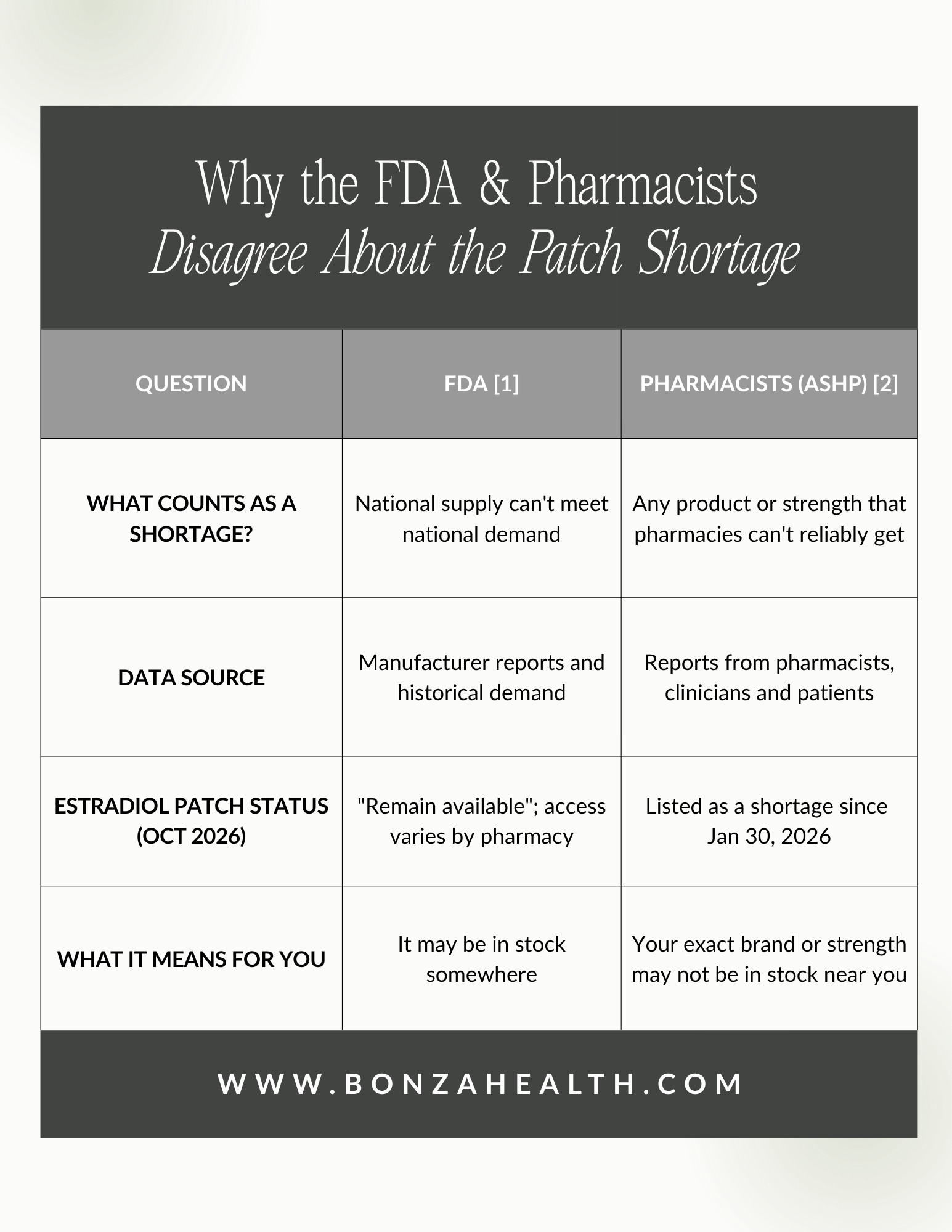
Table 1: Why the FDA and pharmacists disagree about the patch shortage
Why is this happening now?
Mostly because more women are finally getting treated.
For more than 20 years, hormone therapy labels carried a boxed warning that frightened women and many clinicians away from treatment. Use among postmenopausal women in the U.S. fell from 26.9% in 1999 to 4.7% in 2020 [4]. In November 2025, federal health officials announced plans to remove the boxed warnings about heart disease, breast cancer, and dementia, and in February 2026 the FDA approved the first labeling changes [5,6].
Demand rose quickly. In one large health-records analysis, the rate of women filling estrogen patches more than tripled between 2018 and early 2026, making the patch the most common form of estrogen therapy [7].
Another data analysis estimates patch prescriptions rose from about 594,000 in June 2024 to 1.6 million in May 2026 [8]. The FDA reports that the supply of FDA-approved patches has nearly doubled over the past year, and it is still not enough [1].
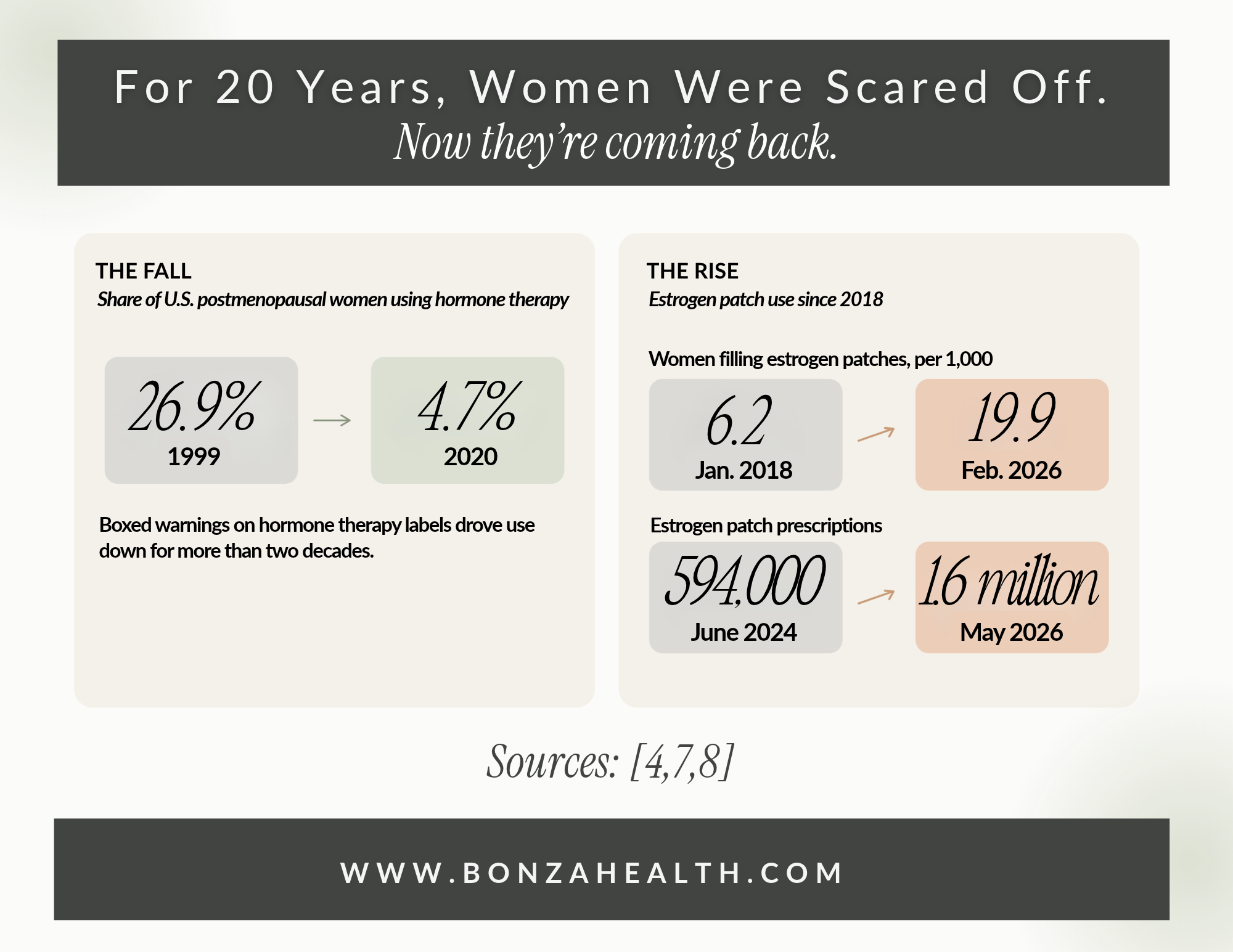
Figure 1. The rise, fall and rise of hormone therapy
Patches are also harder to make than pills. They need specialized equipment, so manufacturers can't add capacity overnight. The FDA says it is working with all six manufacturers to add shifts, expand capacity, and speed up reviews related to supply [1]. On October 20, 2026, it approved the first generic version of a once-weekly combination estradiol and levonorgestrel patch [9]. More options help, but no one has given a firm end date, and at least one manufacturer expects constraints on one strength into early 2027 [10].
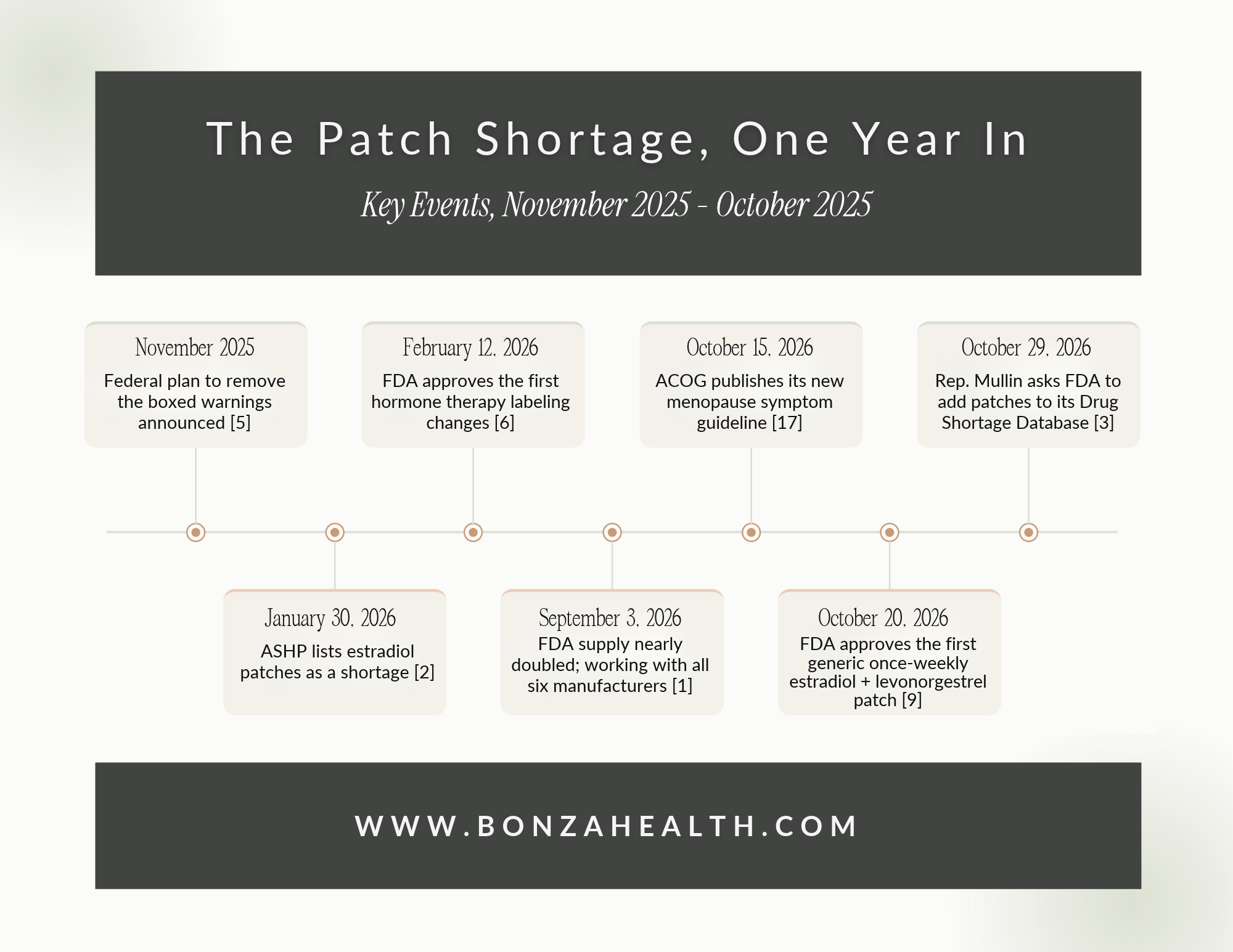
Figure 2: The Patch Shortage, One Year In
Why do so many women (and doctors) prefer the patch?
A patch delivers estradiol through the skin into the bloodstream, so it doesn't pass through the liver first the way a pill does. That matters. Large observational studies have linked oral estrogen to a higher risk of blood clots in the veins, while transdermal estradiol has not shown the same increase [11,12]. For women with certain risk factors, such as migraine with aura, high triglycerides, or a higher baseline clot risk, a clinician may strongly prefer a transdermal route [13].
Many women also just like it: one patch once or twice a week, steady levels, no daily pill. So when the patch disappears, it's more than an inconvenience. For some women, it's the form of estrogen that best fits their health history.

What happens if I suddenly stop my estrogen?
For many women, symptoms come back. When women in the Women's Health Initiative stopped hormone therapy, more than half of those who had moderate or severe symptoms before treatment reported symptoms again [14]. Mood changes, joint aches, and brain fog can return too.
Stopping estrogen isn't dangerous the way stopping some medicines is. But an unplanned, sudden gap can be miserable, and repeated gaps make it hard to tell what's working. The goal is no surprises. If you and your clinician decide to stop or pause, that should be a choice, not something a back-order makes for you.

Should I refill early?
Yes, as early as your plan allows. This is the advice I give my own patients. Don't wait for your last patch to call in a refill. Ask for it on the first day your insurance will cover it, so your pharmacy has time to order your strength or find it at another location. Ask your clinician whether a 90-day supply makes sense for you.
What I don't recommend is stockpiling months of extra patches. Insurance usually won't pay for refills that come too soon. And when everyone hoards during a shortage, the women whose refills are due this week are the ones left without.

Is it safe to cut my patch in half or wear it longer?
Please don't, unless your own prescriber has told you to and explained how.
Patches are designed to release a steady dose over a set number of days. Patches are built differently, and pharmacists warn that cutting some of them can make the dose you actually get unpredictable [2]. Wearing a patch longer than labeled usually means the dose drops off toward the end. The FDA's advice is direct: don't stop or change your medication without talking to your healthcare provider [1].
The other thing I see online is women skipping their progesterone to "save" it, or because they ran out of estrogen. If you have a uterus, your progestogen protects the uterine lining from estrogen. Don't stop or change it on your own. If your estrogen is interrupted, call your clinician about what to do with your progesterone [13].

Is compounded estrogen cream a good substitute?
This is the question I'm getting most this month, because some clinics and websites are marketing compounded creams as the answer to the shortage.
A compounding pharmacy mixes hormones for one person's prescription. These products aren't FDA-approved, so they don't have to meet the same standards for dose consistency, purity, and effectiveness [15,16]. A 2020 National Academies review found too little evidence to support compounded bioidentical hormone therapy for most uses. It recommended limiting it to specific situations, such as a documented allergy to an ingredient in an approved product [15]. The Menopause Society also recommends against routine use of compounded hormones when FDA-approved options are available [13].
Here's the part many people miss: FDA-approved estradiol is already "bioidentical." It's the same molecule your ovaries made. You don't need a compounding pharmacy to get bioidentical estrogen, and during a shortage, there are several FDA-approved options to try first.

What are my FDA-approved options if my patch isn't available?
Your clinician and pharmacist may consider, roughly in this order:
The same strength from a different manufacturer. Shortages vary by brand and strength, and a pharmacist can often substitute another FDA-approved patch at the same dose [1].
A different schedule. Some patches are changed twice a week and some once a week. Switching can work, but you'll need a new prescription and a new change day on your calendar.
An estradiol gel or spray. These are also transdermal, so they keep the skin-not-liver advantage. You apply them daily.
A systemic vaginal ring. One FDA-approved estradiol ring delivers a whole-body dose and is changed every three months. This isn't the same as low-dose vaginal estrogen.
Oral estradiol. It's widely available and inexpensive, and a reasonable choice for many women. But it isn't a one-for-one swap for a patch, and it may not be right if your clot risk is higher [11,12].
Nonhormonal prescriptions. If estrogen isn't available or isn't right for you, ACOG's October 2026 guideline strongly recommends several nonhormonal medicines for hot flashes: certain SSRIs and SNRIs, fezolinetant and elinzanetant [17].
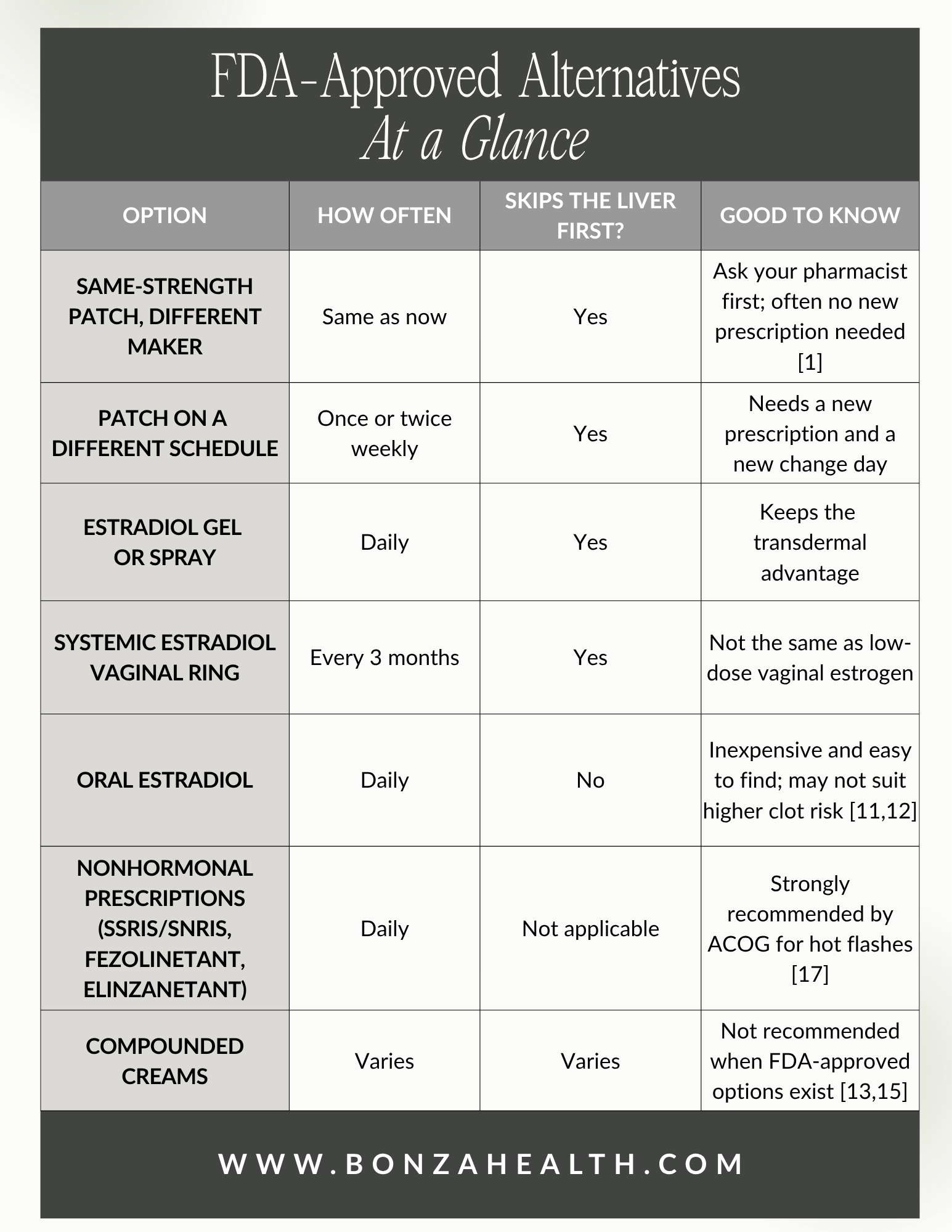
Table 2: FDA-approved alternatives at-a-glance (talk to your clinician about dosing)
One more thing that may ease your mind: low-dose vaginal estrogen for dryness, painful sex and recurrent urinary infections is a different product from the patch, so a patch back-order doesn't touch your vaginal estrogen. It treats genitourinary symptoms, though, not hot flashes, so it can't replace systemic estrogen.
Each of these is a prescribing decision. I'm deliberately not listing "equivalent doses" here. The right dose depends on your symptoms, your health history, and how you responded to your current dose.
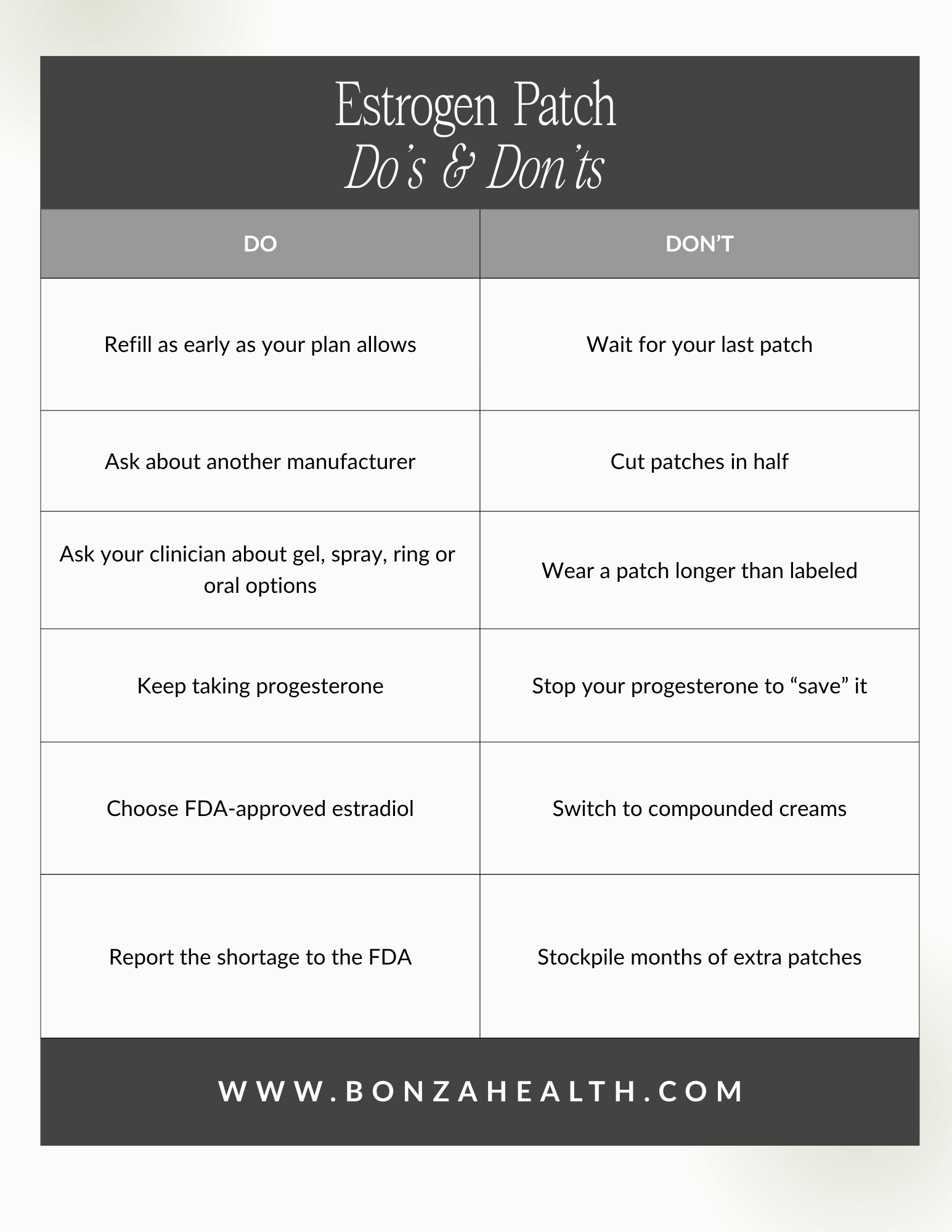
Table 3: Do’s and Don’ts
What should I do right now?
Count your patches today. If you have fewer than two weeks left, call now. Don't wait for the last one.
Refill on the first day your plan allows, and ask whether a 90-day supply is possible.
Ask your pharmacist three questions. Can you order my strength from another manufacturer? Do your other locations have it? When is your next shipment?
Try more than one pharmacy. Independent, hospital outpatient, mail-order, and cost-plus pharmacies may have different stock.
Message your clinician early. Ask for a backup plan before you need it.
Keep taking your progesterone as prescribed unless your clinician tells you otherwise.
Track your symptoms if you switch, so you and your clinician can tell whether the new form is working.
Report it. If you can't find your patch, tell the FDA (1-888-INFO-FDA) [1]. Reports show the agency where supply is falling short.
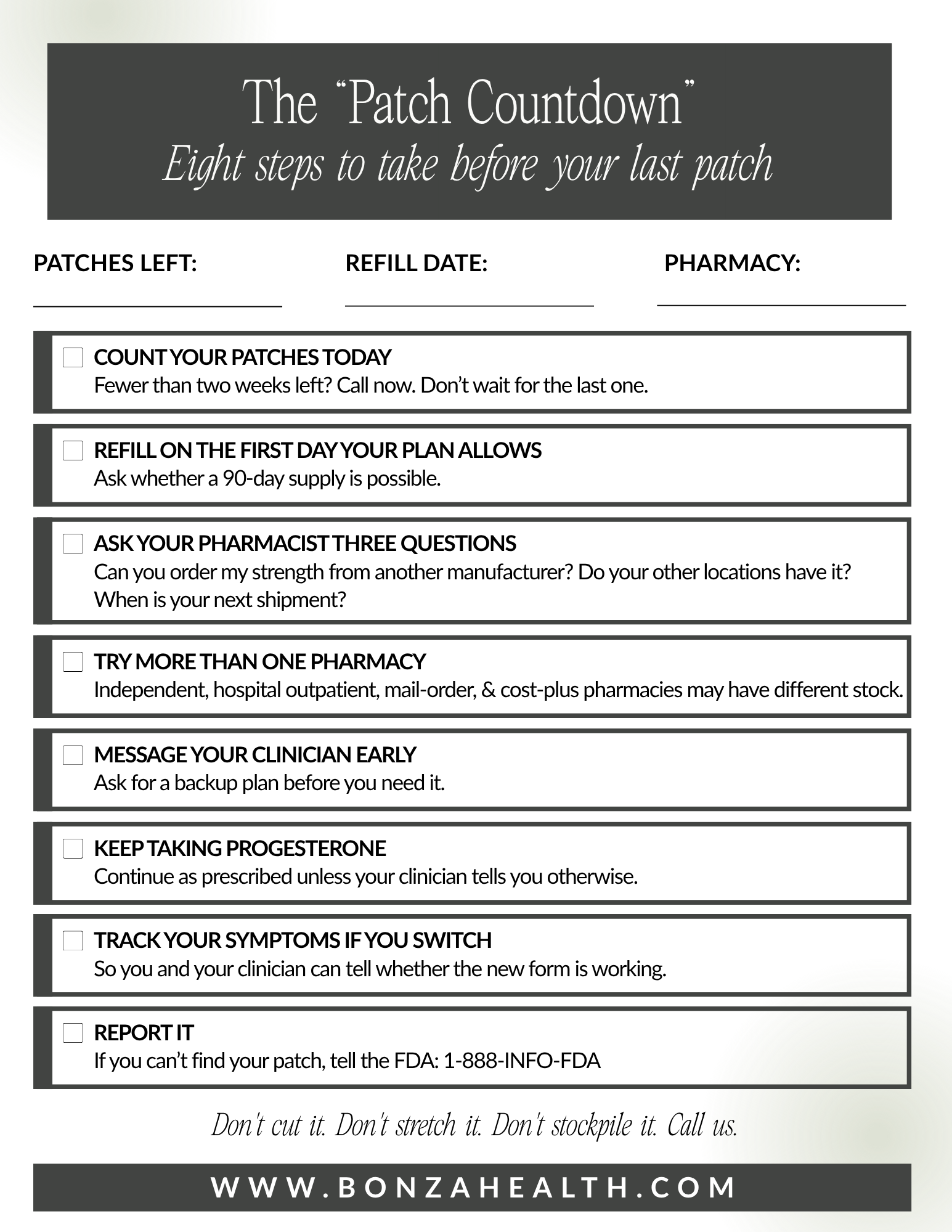
Figure 3: The Patch Countdown Checklist
What should clinicians be doing?
Colleagues, a few things are helping in my practice:
Check refill dates proactively, and send refills when the plan allows rather than when the patient runs out.
Write prescriptions that allow manufacturer substitution where appropriate.
Document why each patient is on transdermal therapy, so you know who should stay transdermal (gel or spray) and who can safely move to oral.
Remind every patient with a uterus to keep taking her progestogen without interruption.
Steer patients to FDA-approved products, not compounded substitutes [13,15,17].
The bottom line
The patch shortage is real and frustrating. In a strange way, it's also a sign of progress: more women are finally being offered treatment that works. It isn't a reason to ration, cut, or quietly stop your medicine, and it isn't a reason to turn to unregulated products. There are several FDA-approved ways to get estradiol, and a clinician who knows menopause can help you find the one that fits.
You worked hard to feel like yourself again. A supply problem should not take that away.
If you are a Bonza Health patient and are running low, send us a message through the patient portal. To book a visit, go to bonzahealth.com, and follow me on Instagram for updates.
This article is for education only and is not a substitute for individual medical advice. Please talk with your own clinician before changing any medication.

Save up to 15% on physician-recommended perimenopause supplements and wellness products
References
[1] U.S. Food and Drug Administration, "FDA update on estradiol transdermal patch availability," Sep. 3, 2026. [Online]. Available: https://www.fda.gov/drugs/drug-alerts-and-statements/fda-update-estradiol-transdermal-patch-availability
[2] American Society of Health-System Pharmacists, "Drug shortage detail: Estradiol transdermal system," created Jan. 30, 2026, updated 2026. [Online]. Available: https://www.ashp.org/drug-shortages/current-shortages/drug-shortage-detail.aspx?id=1206
[3] Office of Rep. K. Mullin, "Rep. Mullin urges FDA to address shortage of estradiol patches," Oct. 30, 2026. [Online]. Available: https://kevinmullin.house.gov/2026/10/30/rep-mullin-urges-fda-to-address-shortage-of-estradiol-patches/
[4] L. Yang and A. T. Toriola, "Menopausal hormone therapy use among postmenopausal women," JAMA Health Forum, vol. 5, no. 9, Art. no. e243128, Sep. 2024, https://doi.org/10.1001/jamahealthforum.2024.3128.
[5] U.S. Department of Health and Human Services, "HHS advances women's health, removes misleading FDA warnings on hormone replacement therapy," Nov. 10, 2025. [Online]. Available: https://www.hhs.gov/press-room/hhs-advances-womens-health-removes-misleading-fda-warnings-hormone-replacement-therapy.html
[6] U.S. Food and Drug Administration, "FDA approves labeling changes to menopausal hormone therapy products," Feb. 12, 2026. [Online]. Available: https://www.fda.gov/news-events/press-announcements/fda-approves-labeling-changes-menopausal-hormone-therapy-products
[7] Truveta Research, "Estrogen-based hormone replacement therapy use is rising," Apr. 9, 2026. [Online]. Available: https://www.truveta.com/blog/research/estrogen-based-hormone-replacement-therapy/
[8] USA TODAY, "Women can't find this medication. The shortage could last years," republished by Money Talks News, 2026 (HealthVerity prescription data). [Online]. Available: https://www.moneytalksnews.com/women-cant-find-this-medication-the-shortage-could-last-years/
[9] U.S. Food and Drug Administration, "FDA approves once-weekly generic hormone therapy patch for women," Oct. 20, 2026. [Online]. Available: https://www.fda.gov/news-events/press-announcements/fda-approves-once-weekly-generic-hormone-therapy-patch-women
[10] FOX 7 Austin (Reuters), "Surging demand for menopause patches prompts FDA action," Sep. 4, 2026. [Online]. Available: https://www.fox7austin.com/news/menopause-patches-demand-fda
[11] M. Canonico et al., "Hormone therapy and venous thromboembolism among postmenopausal women: Impact of the route of estrogen administration and progestogens: The ESTHER study," Circulation, vol. 115, no. 7, pp. 840–845, Feb. 2007, https://doi.org/10.1161/CIRCULATIONAHA.106.642280.
[12] Y. Vinogradova, C. Coupland, and J. Hippisley-Cox, "Use of hormone replacement therapy and risk of venous thromboembolism: Nested case-control studies using the QResearch and CPRD databases," BMJ, vol. 364, Art. no. k4810, Jan. 2019, https://doi.org/10.1136/bmj.k4810.
[13] The NAMS 2022 Hormone Therapy Position Statement Advisory Panel, "The 2022 hormone therapy position statement of The North American Menopause Society," Menopause, vol. 29, no. 7, pp. 767–794, Jul. 2022, https://doi.org/10.1097/gme.0000000000002028.
[14] J. K. Ockene et al., "Symptom experience after discontinuing use of estrogen plus progestin," JAMA, vol. 294, no. 2, pp. 183–193, Jul. 2005, https://doi.org/10.1001/jama.294.2.183.
[15] National Academies of Sciences, Engineering, and Medicine, The Clinical Utility of Compounded Bioidentical Hormone Therapy: A Review of Safety, Effectiveness, and Use. Washington, DC, USA: National Academies Press, 2020, https://doi.org/10.17226/25791.
[16] American College of Obstetricians and Gynecologists, "Compounded bioidentical menopausal hormone therapy," Clinical Consensus No. 6, Obstet. Gynecol., vol. 142, no. 5, pp. 1266–1273, Nov. 2023, https://doi.org/10.1097/aog.0000000000005395.
[17] American College of Obstetricians and Gynecologists, "Management of menopause-related vasomotor, sleep, and mood symptoms," Clinical Practice Guideline No. 13, Obstet. Gynecol., vol. 148, pp. e345–e369, 2026. https://doi.org/10.1097/aog.0000000000006428.