Perimenopause Unveiled: The Complete Guide to Recognizing Symptoms, Understanding Your Body, and Reclaiming Vitality
Written and edited by Sarah Bonza MD, MPH, FAAFP, MSCP, DipABLM, NBC-HWC

Research reveals that perimenopause can cause more than 34 distinct symptoms, affecting physical, mental, and gynecological health.
Perimenopause can be a significant transition in a woman’s life—one that is widely misunderstood and often neglected in conventional healthcare. If you’re experiencing shifts in mood, energy, cognition, or bodily comfort in your 30s, 40s, or early 50s, you are not alone.
This comprehensive guide will empower you to understand perimenopause, recognize its earliest and most surprising signs, and know when to seek help. At Bonza Health, our holistic approach centers your unique experience—because perimenopause is not “one size fits all.”

Perimenopause is the stage leading up to menopause when your ovaries gradually begin producing less estrogen and progesterone.
What Is Perimenopause?
Perimenopause, or the “menopausal transition,” is the stage leading up to menopause when your ovaries gradually begin producing less estrogen and progesterone. Unlike menopause, which is defined as the point when you’ve gone 12 months without a period, perimenopause often spans 4-10 years and brings an array of evolving symptoms—physical, mental, and emotional.
Ovarian hormone production doesn’t decline in a steady line; instead, it fluctuates wildly, causing a ripple effect throughout every system of the body. In fact, women can experience their first symptoms of perimenopause years before their periods stop. Because these changes are gradual and varied, they’re often mistaken for stress, aging, depression, or even thyroid issues.
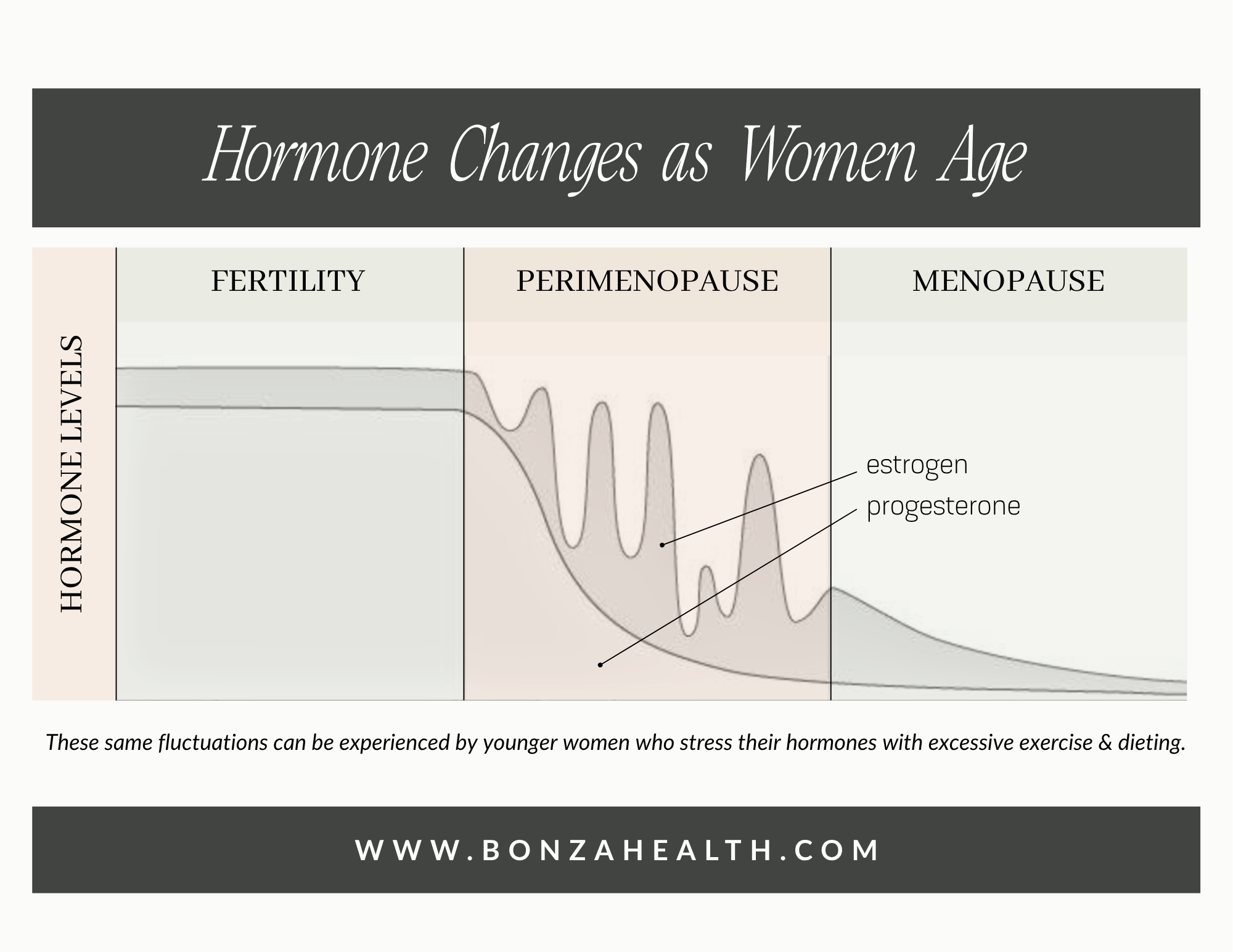
Perimenopause, or the “menopausal transition,” is the stage leading up to menopause when your ovaries gradually begin producing less estrogen and progesterone.
Why Is Perimenopause So Complex?
Perimenopause is a true mind-body experience:
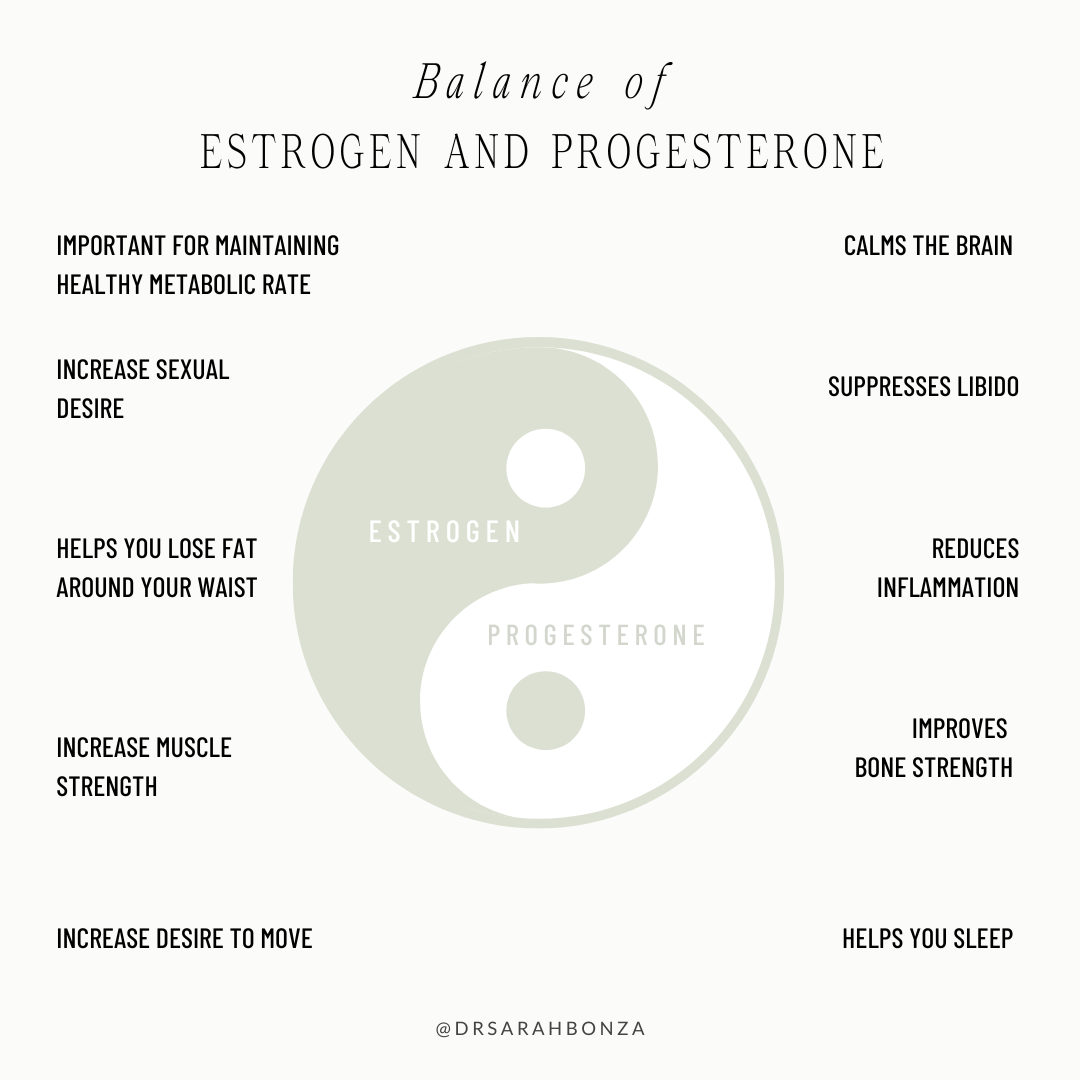
Estrogen, progesterone, and testosterone interact with your adrenal, thyroid, and gut hormones.
These hormones influence everything from your metabolic rate and sleep patterns to emotional regulation, pain perception, and cognitive clarity.
Symptoms may ebb and flow, intensify or fade, and are profoundly impacted by genetics, life stress, nutrition, and your body’s sensitivity to changing hormones.
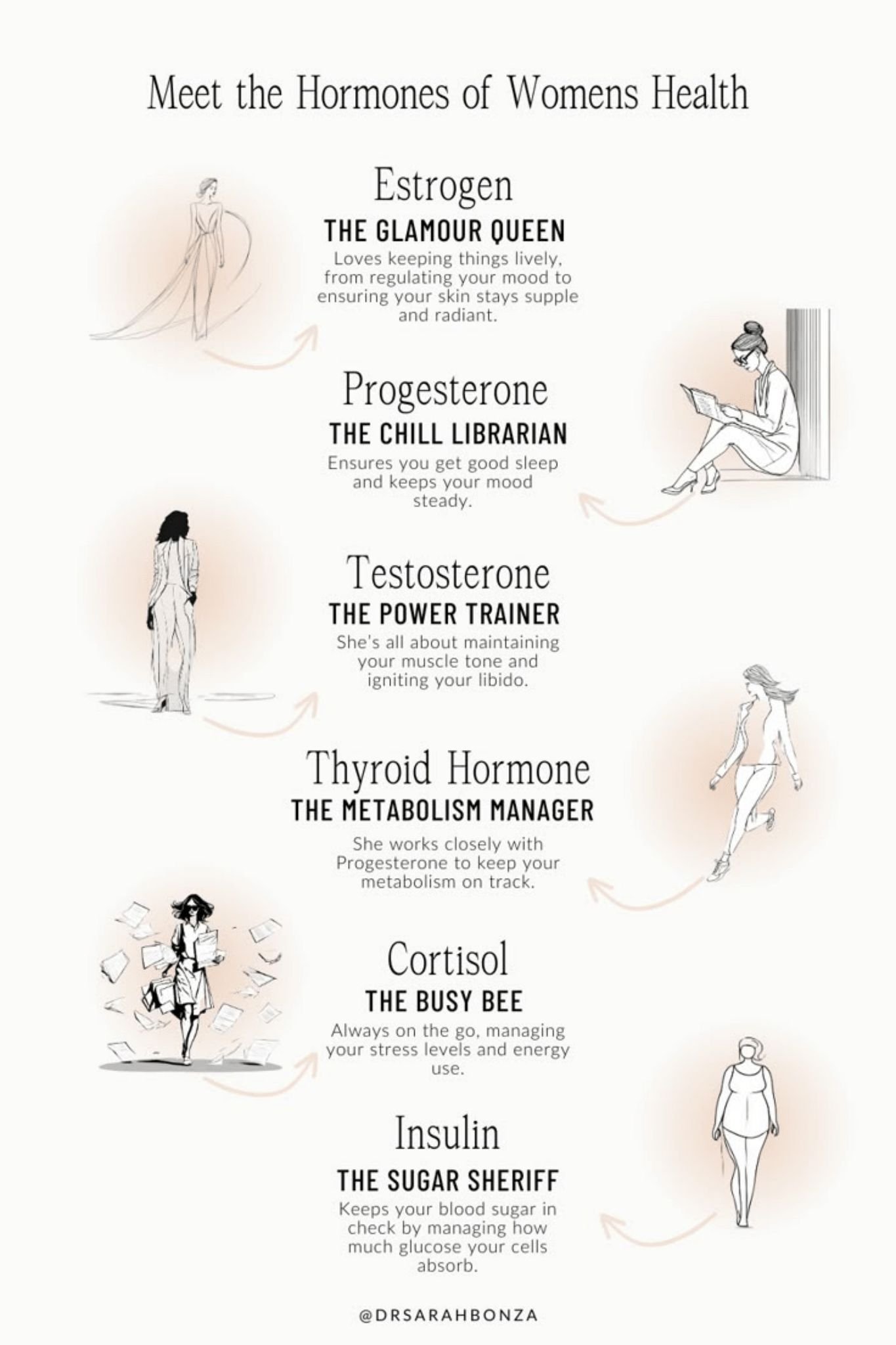
Estrogen, progesterone, and testosterone interact with your adrenal, thyroid, and gut hormones.
The Full Spectrum of Perimenopausal Symptoms
Unlike the common narrative that focuses mostly on hot flashes and missed periods, research reveals that perimenopause can cause more than 34 distinct symptoms, affecting physical, mental, and gynecological health.
Here’s a detailed look:
Neuroendocrine and Cognitive Changes
Mood Swings: Intense anxiety, increased irritability, or “emotional volatility”—often feeling out of character.
Depression: New or worsening depressive feelings, sometimes alongside crying spells or feeling “flat”.
Brain Fog: Trouble focusing, forgetfulness, word-finding difficulty, reduced multitasking ability.
Insomnia or Sleep Disruption: Difficulty falling asleep, frequent awakenings, early morning wakening, especially around periods.
Fatigue: Persistent loss of energy that isn’t relieved by rest.
Panic Attacks: Periods of sudden overwhelming anxiety or heart palpitations.

Neuroendocrine and cognitive changes are common in perimenopause. Symptoms often include brain fog, depression, fatigue, and insomnia or other sleep disturbances.
Physical and Metabolic Symptoms
Menstrual Changes: Periods become shorter, longer, lighter, heavier, or sporadic—sometimes skipping months entirely.
Hot Flashes: Sudden, transient feelings of heat in the upper body, sometimes accompanied by sweating, flushing, heart palpitations, or chills. Occur anytime, sometimes multiple times a day.
Night Sweats: Hot flashes at night that can drench bedding, often followed by shivering.
Headaches or Migraines: More frequent or intense headaches, often mid-cycle or premenstrually.
Heart Palpitations: Sensations of the heart racing, pounding, or fluttering without clear cause.
Joint Pain and Muscle Aches: “Stiffness” or pain in joints, back, or muscles resembling arthritis, especially upon waking.
Breast Tenderness: Swelling or heightened sensitivity, especially in the upper arms.

Joint pain and muscle aches are commonly experienced in perimenopause.
Weight and Bodily Changes
Weight Gain: Particularly gained around the abdomen, even without major change in diet or exercise. May result from changes in insulin sensitivity and metabolism.
Bloating: Digestive discomfort or “water retention” sensation.
Digestive Issues: Changes in gut motility or symptoms mimicking IBS.
Hair and Skin Changes: Thinning or dry skin, dull or thinning hair, brittle nails.
Body Odor or “Strange Smells”: Changes in sweat or body chemistry.
Itchy Skin/Scalp or Tingling Extremities: Nerve-related sensations such as tingling, numbness, “electric shocks”.

Weight gain, particularly around the abdomen, is a common symptom of perimenopause.
Vulvovaginal and Sexual Changes
Vaginal Dryness: Burning, itching, discomfort with intercourse, sometimes persistent urinary tract infections.
Decreased Libido: Diminished interest in or pleasure from sex.
Painful Sex (Dyspareunia): Vaginal atrophy, reduced elasticity, and lubrication can make intercourse uncomfortable.
Urinary Changes: Increased urinary frequency, urgency, incontinence, or recurrent infections due to thinning bladder and urethral tissue.

Vulvovaginal and sexual changes are common during perimenopause.
Other Surprising Symptoms
Dizziness or Faintness: Occasional lightheadedness or unsteadiness.
Tinnitus: Ringing in the ears.
Taste Changes or Burning Mouth: Altered taste or burning sensations in the mouth.
Bleeding Gums: Increased sensitivity and bleeding.
Electric Shock Sensations: Sudden, brief “zaps” often related to nerve sensitivity changes.
Changes in Smell: Sensitivity or aversion to certain odors.
Allergies or Immune Sensitivity: New sensitivities or allergic reactions.
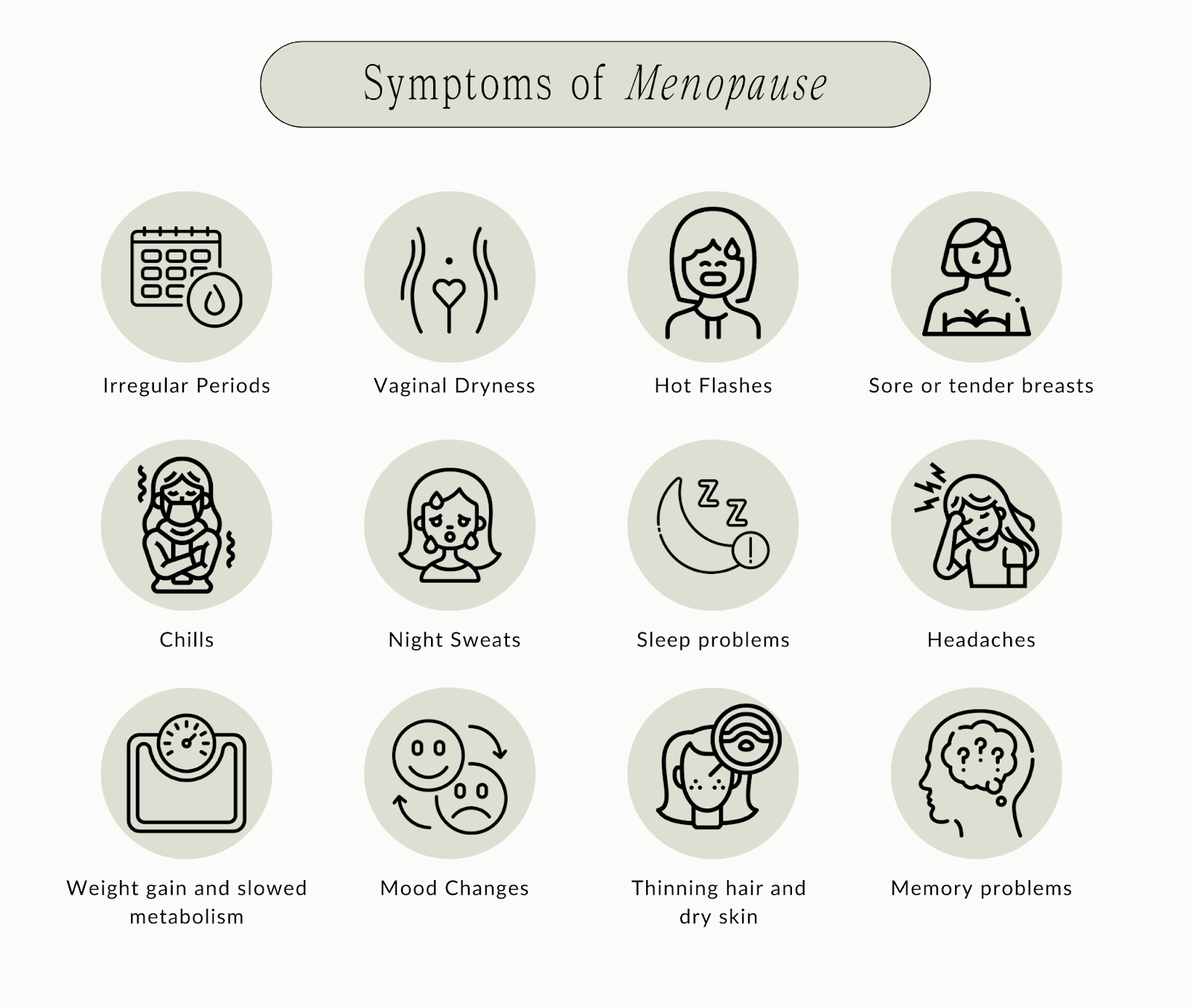
Unlike the common narrative that focuses mostly on hot flashes and missed periods, research reveals that perimenopause can cause more than 34 distinct symptoms, affecting physical, mental, and gynecological health.
The Emotional Experience: “Is This Really Perimenopause?”
Women often feel misunderstood or dismissed—even by healthcare professionals. You may be told you’re too young, your bloodwork is “normal,” or that your symptoms are “just stress.”
But you are the expert on your own body. The experience of perimenopause is defined by your symptoms—not by a test result or arbitrary age.
If you feel “off” but your tests are inconclusive, you deserve both validation and a careful, holistic approach to care.
A “normal” blood test may miss these dynamic changes, making lived experience—your story—crucial to diagnosis.
Causes and Triggers: Why Do Symptoms Vary?
The unpredictable symptoms of perimenopause stem from:
Fluctuating Estrogen and Progesterone: The most fundamental driver, creating physical and mental symptoms.
Lifestyle Factors: Diet, sleep, exercise, and stress can amplify or ease symptoms.
Genetic Factors: Family history affects age at onset and symptom severity.
Underlying Health Conditions: Thyroid, adrenal, and autoimmune conditions can complicate the picture.
Women with a history of PMS, postpartum depression, thyroid issues, or trauma may be more sensitive to hormone fluctuations.
How Long Do Perimenopausal Symptoms Last?
Symptoms can start as early as your mid-30s and persist for 4-10 years—the average being around 7 years, but some experience a longer journey. Some symptoms (such as hot flashes) may persist even after periods stop, while others, like mood swings, often resolve with menopause.
There’s no "typical" timeline—duration, severity, and combination of symptoms are highly individual.
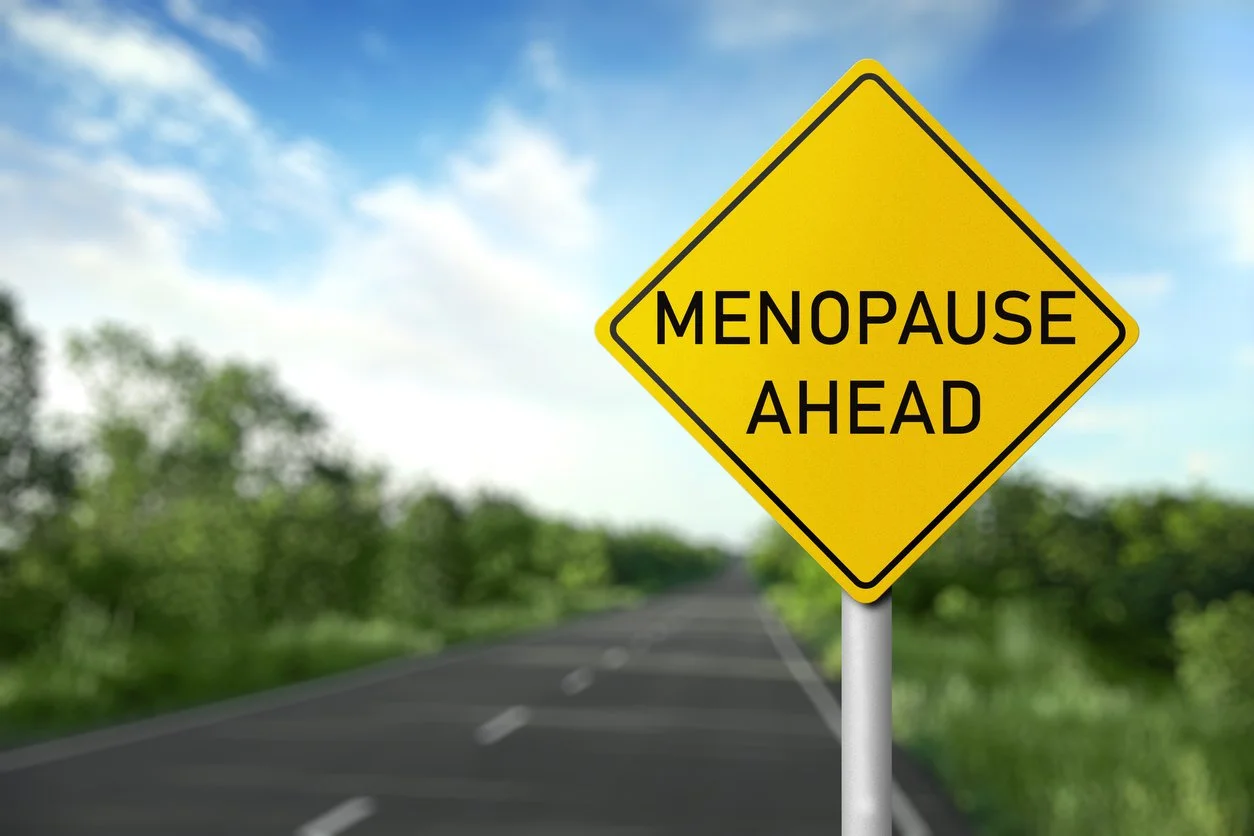
Perimenopausal symptoms can start as early as your mid-30s and persist for 4-10 years—the average being around 7 years—but some experience a longer journey.
Why Personalized, Holistic Care Matters
At Bonza Health, women’s midlife care is about partnership, not protocol. Instead of taking a “watch-and-wait” approach, Dr. Bonza listens to your symptoms, validates your experience, and uses advanced assessment—functional lab testing, hormone panels, and takes a deep dive into lifestyle and nutrition—to build a customized care plan.
Dr. Bonza integrates her training modalities for a comprehensive approach:
Functional Medicine: Identifies imbalances beyond routine labs by considering gut health, adrenals, inflammation, micronutrient status, and metabolic health.
Lifestyle Medicine: Nutrition, movement, stress management, and sleep optimization play a pivotal role in symptom management and long-term well-being.
Evidence-Based Therapies: Menopausal hormone therapy (when appropriate and individualized), targeted supplements, mind-body strategies, cognitive therapies, and more.
Ongoing Support: Perimenopause is a moving target; ongoing partnership ensures your plan evolves with your needs.

To build a customized care plan, Dr. Bonza listens to your symptoms, validates your experience, and uses advanced assessment—functional lab testing, hormone panels, and takes a deep dive into lifestyle and nutrition.
When to Seek Help—and Why It’s Empowering
If perimenopause is disrupting your quality of life, you deserve more than “reassurance.” Symptoms interfering with work, relationships, or self-esteem are a signal to reach out—not just for symptom relief, but for optimal long-term health.
Don't wait for your symptoms to become unbearable. Personalized intervention can:
Ease transitions and restore well-being sooner.
Reduce risk of long-term effects of hormonal decline—including heart disease, osteoporosis, and cognitive decline.
Reinforce that your experience is real and deserving of care.

If perimenopause is disrupting your quality of life, you deserve more than “reassurance.”
How to Take Your First Step Today
Not sure if you’re “just stressed” or if these changes are hormonally driven? Take our confidential, medically-informed quiz: Could I Be Perimenopausal?
Based on the Greene Climacteric Scale, it evaluates multiple domains of symptoms—mood, cognition, physical comfort, and daily life impact.
Score 15 or less: You may have few or mild symptoms. Stay proactive and revisit the quiz regularly as things change.
Score 15-30: You could be in perimenopause. It’s time to consider targeted lifestyle changes and possibly functional lab evaluation.
Score 30+: Your symptoms are likely moderate to severe and may warrant a thorough, holistic evaluation and discussion of hormone therapy.
Take the quiz now and bookmark your results—this is the first step in understanding, tracking, and reclaiming your health.
Embracing Perimenopause as a Catalyst for Thriving
Perimenopause isn’t a disease—it’s a powerful, transformative time. When supported with personalized care, it can be a catalyst for greater energy, clarity, sexual fulfillment, and resilience.
At Bonza Health, Dr. Sarah Bonza is dedicated to helping you move from confusion and frustration to clarity and empowerment. If you’re ready to reclaim your vitality, don’t wait until you’re “past it.” The right interventions can change your trajectory—at any age or symptom stage.

Dr. Sarah Bonza is dedicated to helping you move from confusion and frustration to clarity and empowerment.
Your Next Steps
Take the Quiz: Could I Be Perimenopausal? It’s quick, private, and a powerful first step to insight.
Learn More: Explore the resources, blogs, and evidence-based protocols at www.bonzahealth.com
Request a Consultation: Schedule a personalized, holistic evaluation with Dr. Sarah Bonza—compassionate, science-based care is just a conversation away.
Stay Connected: Sign up for our newsletter for exclusive tips, Fullscript supplements, and wellness invitations.

Book your consult with Dr. Bonza to find out if you are a candidate for menopause hormone therapy.