Why You’re Exhausted, Foggy, and Stuck in Midlife — And How to Reclaim Your Vitality
Written and edited by Sarah Bonza MD, MPH, FAAFP, MSCP, DipABLM, NBC-HWC

Brain fog and exhaustion are common symptoms that occur during the menopausal transition.
If you’ve found yourself dragging through your day, wondering why you’re exhausted even after a full night’s sleep, or if you’ve noticed brain fog, sudden weight gain, or hot flashes that feel like your body is on fire, you’re not alone.
I see women in their 40s and 50s every day who sit across from me and say the same thing: “I don’t even feel like myself anymore.”
This phase of life is called perimenopause and menopause, but most women aren’t told what’s happening or why their bodies suddenly feel like they’re working against them. The truth is, these symptoms are not “all in your head.” They are the result of powerful hormonal shifts that affect nearly every system in your body.
The good news? With the right tools — evidence-based hormone therapy, functional medicine support, and lifestyle strategies — you can feel like yourself again.

Hot flashes, night sweats, or that sudden 3:00 a.m. wake-up call with a racing mind? These are some primary drivers of fatigue.
Why You Feel Exhausted, Foggy, and Stuck
1. Hormones Are Shifting Behind the Scenes
During perimenopause, your estrogen and progesterone levels begin to fluctuate unpredictably. Some days you may feel fine, and other days it feels like a truck hit you. Estrogen isn’t just about periods and reproduction. It impacts your brain, bones, metabolism, and heart health.
Estrogen supports brain function — When levels drop, you may feel foggy, forgetful, or struggle to focus.
Progesterone calms the brain — Without enough of it, anxiety and sleep problems often appear.
Hormonal shifts affect metabolism — Making it easier to gain weight, especially around the midsection.
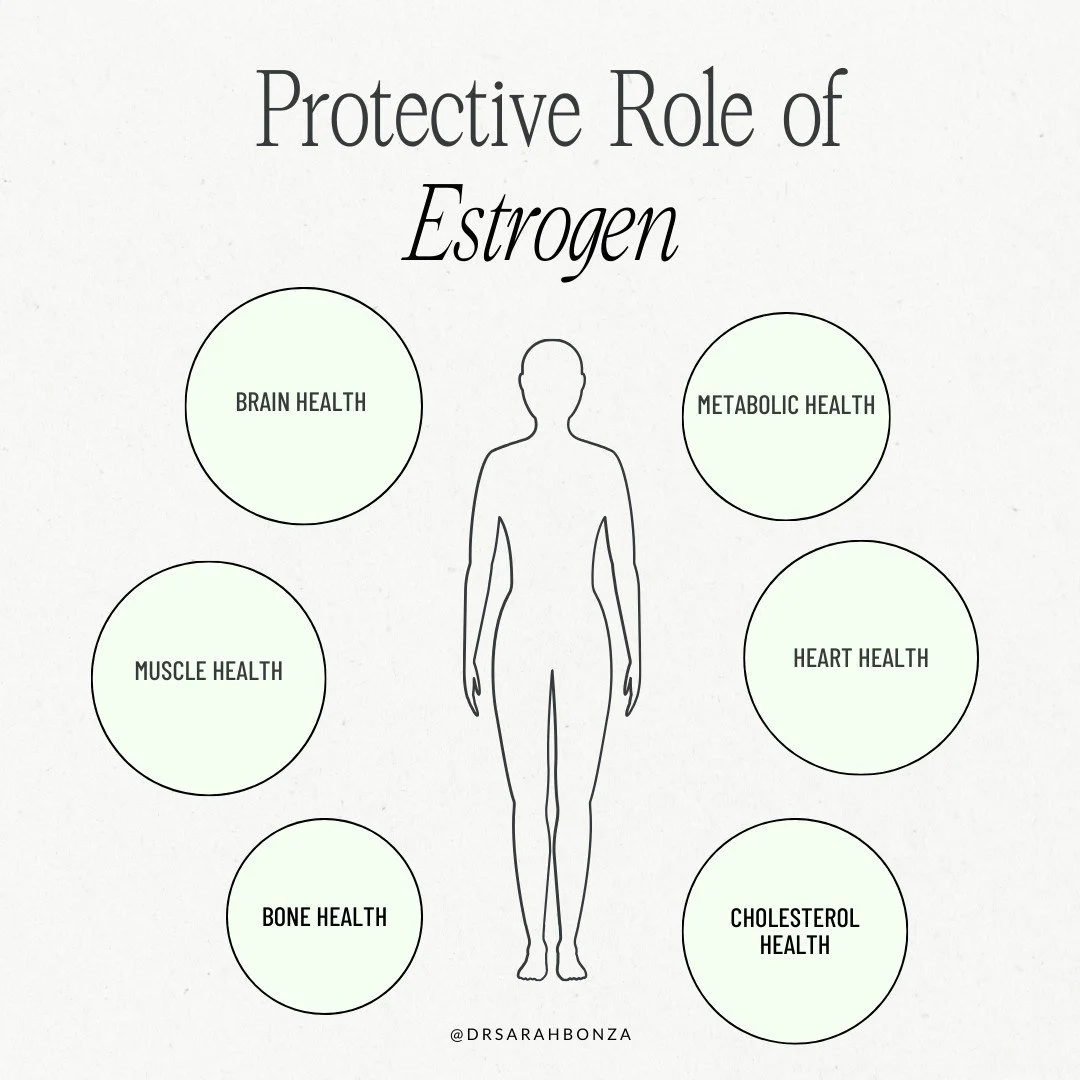
Estrogen impacts your brain, bones, metabolism, and heart health.
2. Sleep Disruption and Night Sweats
Hot flashes, night sweats, or that sudden 3:00 a.m. wake-up call with a racing mind? This is one of the biggest drivers of fatigue. Poor sleep compounds everything: mood, weight, concentration, and energy.

Poor sleep can affect your mood, weight, concentration, and energy levels.
3. Stress, Cortisol, and Midlife Responsibilities
Perimenopause often collides with the busiest years of your life: raising teens, supporting aging parents, managing demanding careers, and keeping relationships afloat. Cortisol (your stress hormone) stays high, which worsens weight gain, fatigue, and mood swings.

Hormone changes, sleep disruption, increased stress, and nutrient deficiencies can all affect energy levels and brain health in perimenopause.
4. Nutrient Deficiencies and Metabolic Changes
Many women I see are unknowingly low in iron, vitamin D, magnesium, or B vitamins. These nutrients are critical for energy, neurotransmitters, and hormone balance. At the same time, insulin resistance often creeps in, leading to blood sugar crashes and stubborn belly fat.

Iron, vitamin D, magnesium, and B vitamins are crucial for energy, neurotransmitters, and hormone balance.
Why Hormone Therapy Can Help
I practice by the guidelines of both the North American Menopause Society and the Institute of Functional Medicine. Both agree: for healthy women under 60 or within 10 years of menopause, hormone therapy is the most effective treatment for hot flashes, night sweats, sleep disruption, vaginal dryness, and mood swings.
But the benefits go beyond symptoms. Estrogen replacement:
Protects bone health and prevents osteoporosis.
Supports cardiovascular health by improving blood vessel flexibility and cholesterol balance.
Promotes brain health, with emerging evidence that early estrogen therapy may reduce dementia risk.
Prevents genitourinary syndrome of menopause, the thinning of vaginal and urinary tissues that can cause dryness, pain, or recurrent infections.
Progesterone, when prescribed alongside estrogen (if you have a uterus), also supports restful sleep and calms mood.

Hormone therapy is the most effective treatment for hot flashes, night sweats, sleep disruption, vaginal dryness, and mood swings associated with menopause.
The Lifestyle Medicine Advantage
Hormones are powerful, but they’re only one part of the solution. I am also board-certified in Lifestyle Medicine, which means I use the six pillars of health to help your body thrive:
Nutrition — A plant-forward, whole-foods diet reduces hot flashes, stabilizes blood sugar, and supports heart and brain health.
Movement — Strength training builds muscle, prevents weight gain, and protects bones.
Sleep — Optimizing sleep routines and reducing nighttime cortisol spikes restores energy.
Stress Resilience — Techniques like meditation, yoga, or simple breathing practices lower cortisol and improve mood.
Social Connection — Supportive relationships are linked to better mental and physical health outcomes.
Avoidance of Risky Substances — Reducing alcohol and processed foods supports hormone balance and brain clarity.

The six pillars of health can help your body thrive during perimenopause.
Functional Medicine: Personalized Menopause Care
No two women experience perimenopause or menopause in exactly the same way. That’s why I also integrate functional medicine testing: comprehensive labs that evaluate your hormones, thyroid, nutrient status, blood sugar balance, and inflammation levels.
For example:
If your ferritin (iron storage) is low, fatigue won’t improve until we replenish it.
If your thyroid is underactive, you may struggle with weight and brain fog until it’s addressed.
If your cortisol curve is off, we may need to use adaptogens or stress-reduction strategies.
By personalizing your care, we can address root causes: not just mask symptoms.
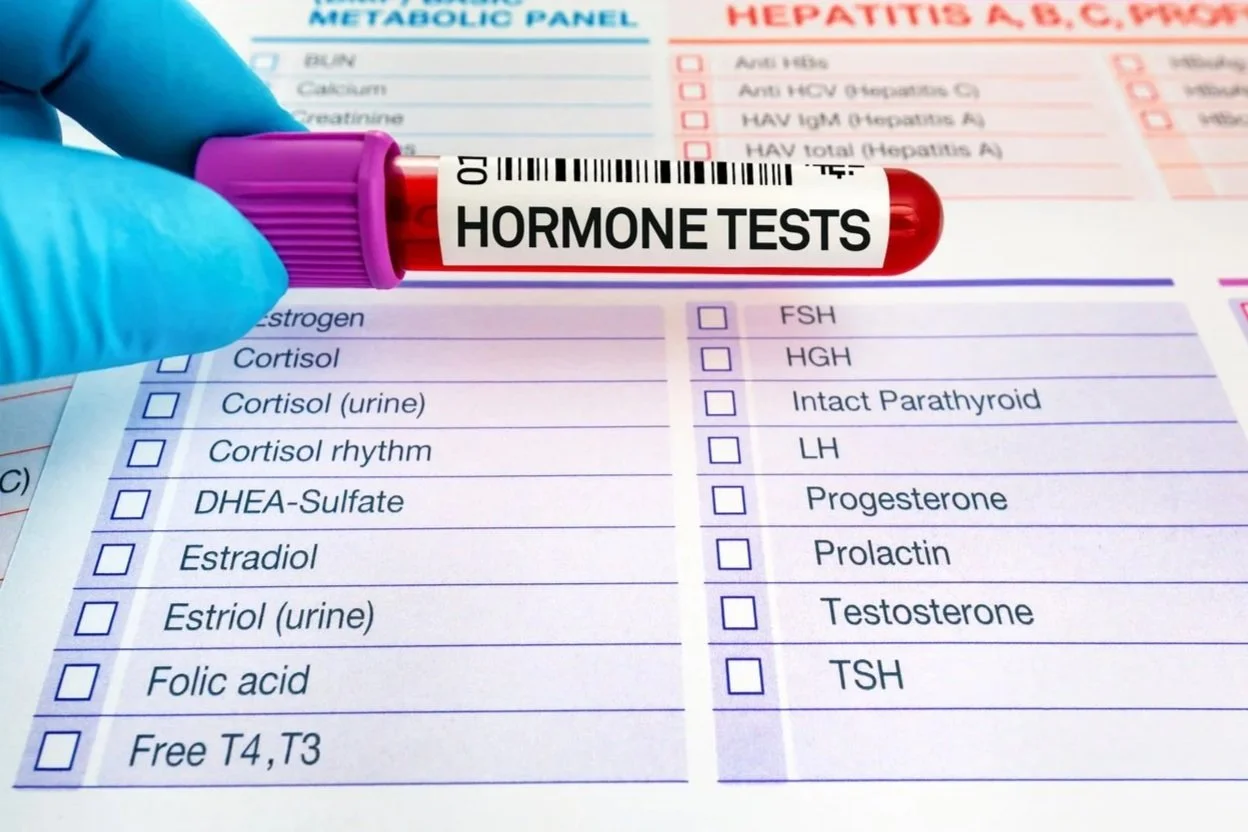
Functional medicine uses comprehensive lab tests to evaluate hormones, thyroid, nutrient status, blood sugar balance, and inflammation levels.
You Don’t Have to Stay Stuck
If you’re reading this and nodding along, please hear me: this is not just aging. This is not inevitable. You deserve to feel clear, energetic, strong, and connected again.
Menopause is a natural transition, but suffering through it is not. With the right support, you can:
Sleep through the night.
Wake up with energy.
Feel focused and sharp at work.
Restore intimacy and libido.
Finally stop fighting your body and start feeling like yourself again.

You deserve to feel clear, energetic, strong, and connected again
Next Step: Watch My Free Masterclass
I created a free training called The Vitality Code™ Masterclass where I walk you through:
Why perimenopause and menopause symptoms happen.
How hormone therapy, lifestyle medicine, and functional medicine fit together.
My Cycle of Better™ framework to help women go from exhausted and invisible to energized and invincible.
Click below to watch The Vitality Code Masterclass now.

You don’t have to keep pushing through, hoping this is just a “phase.” There are proven, evidence-based options to reclaim your vitality, and I’d be honored to guide you.