

Bonza Health Blog
Gain the tools and understanding you need to help manage the challenges of perimenopause and beyond.
Women experiencing perimenopause or menopause can reclaim their health and vitality. At Bonza Health, we help women see hormone changes as a natural midlife transition and provide the doctor-backed information women need to navigate hormonal health conditions with confidence.
Check out our latest blog posts from our leading physician’s best tips and tools for easing hormonal symptoms, special announcements on our courses and services, and much more! Be a part of our ever-growing community of like-minded women who are thriving in health -- even with perimenopause or menopause conditions.






The Bill Comes Due in Midlife: Allostatic Load in the Woman Who Takes Care of Everyone Else
She is forty-seven. She has held this family together through a job change, a parent's diagnosis, a teenager's hard year, and a marriage that required more of her than she has ever said out loud. She has been, by every available measure, extraordinarily competent. And now she cannot answer a simple email without her chest tightening. She tells me she thinks something is wrong with her. She uses the word weak. She wants to know why she can no longer do the thing she has always done, which is absorb whatever arrives and keep moving. I want to tell you what I tell her.

The Progesterone Conversation Most Women Never Get to Have
I've been practicing medicine for over two decades. I've sat with women in clinic, on hospital floors, and now through telehealth — and I can tell you that one of the most common moments I witness is this: a woman describes months of fragmented sleep, hot flashes at 2 a.m., anxiety that arrived out of nowhere, a fog that won't lift — and then adds, almost apologetically, "But I'm afraid of hormones." That fear is real, and it didn't come from nowhere. It came from a 2002 study that made headlines around the world and led millions of women to stop — or never start — hormone therapy. What those headlines missed, and what took two more decades of research to fully untangle, is that not all hormones behave the same way in your body. The type matters enormously.

When PMDD Gets Worse in Perimenopause: The Estrogen-Histamine Connection
A patient came into my office recently — 43 years old, regular cycles since adolescence, diagnosed with PMDD in her late twenties. She had spent more than a decade managing it well: an SSRI during the luteal phase, consistent sleep, regular exercise, a diet that worked for her. She knew her pattern. But in the past year, that pattern had changed. This presentation is common in my practice, and the reason for it is something most clinicians were never taught: the relationship between estrogen and histamine, and what happens to that relationship during perimenopause.
The Hidden Value of Lab Testing in Perimenopause: A Clinical Perspective on Prescribing Hormone Therapy
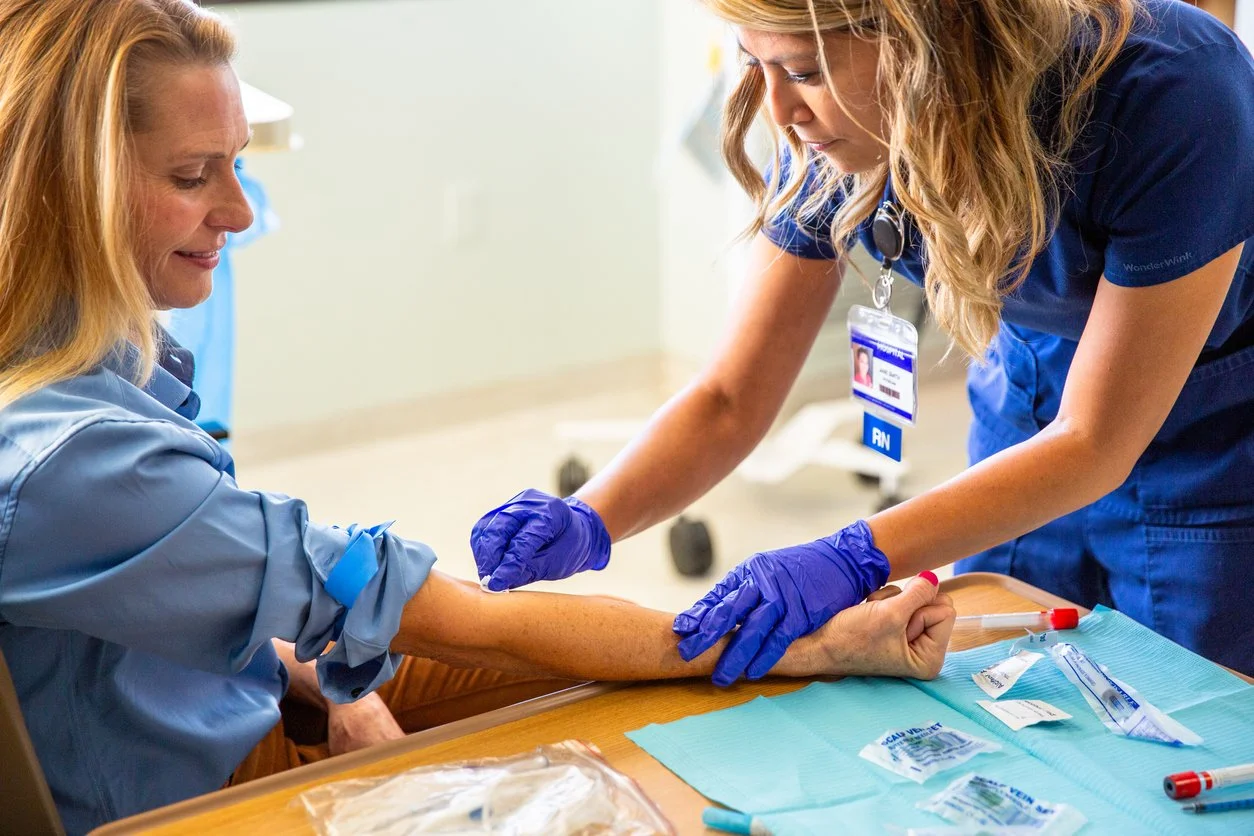
If you've been told your labs are "normal" while experiencing brain fog, night sweats, crippling anxiety, or sleep disturbances, you're not imagining things. You are not crazy. And you're certainly not alone. At Bonza Health, we hear this story constantly: women in their late 30s, 40s, and early 50s who know something has changed in their bodies seek help from their healthcare providers, only to be told that because their FSH isn't elevated or their estradiol looks "fine," they don't need hormone therapy. They're sent home with suggestions to reduce stress, exercise more, or consider an antidepressant.

Getting Menopausal Hormone Therapy Right: Why the Details Matter
If you're waking up multiple times a night drenched in sweat, unable to fall back asleep, and feeling exhausted all day, you're not alone. For many women going through menopause, severe sleep disruption is more debilitating than hot flashes. Yet the conversation around menopausal hormone therapy often oversimplifies the solution. The truth is, not all hormone therapy is created equal. The type of hormones you use, how they're delivered, and when you start them can mean the difference between relief and continued suffering, or even between safety and risk.

Key Hormone Players During Perimenopause
Hormones play a critical role in women's health, influencing everything from mood and metabolism to reproductive functions. As women age, particularly during menopause, fluctuations in key hormones like estrogen, progesterone, testosterone, thyroid hormones, cortisol, and insulin can lead to significant physical and emotional changes. Understanding these hormones and their effects can help women navigate the aging process and maintain their overall well-being through lifestyle interventions and personalized healthcare.