Top Science-Backed Anti-Aging Therapies for Menopausal Women
Written and edited by Sarah Bonza MD, MPH, MSCP, FAAFP, DipABLM, NBC-HWC
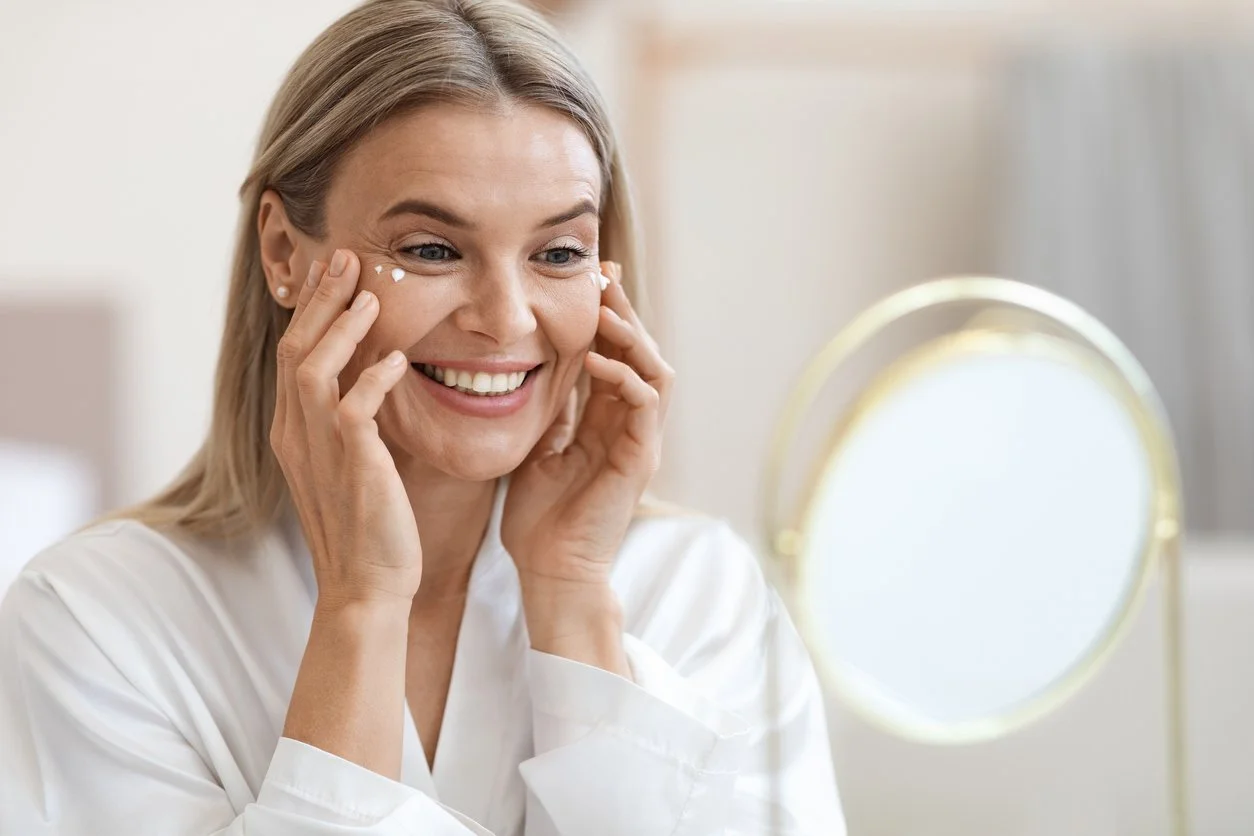
As a board-certified family physician, Fellow of the American Academy of Family Physicians, and founder of Bonza Health—a telemedicine practice dedicated to helping perimenopausal and menopausal women reclaim their vitality—I'm passionate about offering science-backed, innovative therapies.
Today, I want to share the emerging evidence on advanced anti-aging interventions: GHK-Cu, Niacinamide (Versapro), and Rapamycin (Sirolimus). These therapies hold promise for addressing the most pressing concerns of women in midlife: weight gain, energy, hair and skin health, libido, and mood.
Understanding the Impact of Menopause on Aging
The Role of Estrogen and Progesterone
Menopause is a profound physiological transition marked by the loss of estrogen and progesterone. This hormonal decline accelerates many aspects of aging, including immune senescence, metabolic changes, and tissue degeneration.
Research shows that menopause not only diminishes immune response and increases vulnerability to chronic disease, but also impacts skin, hair, mood, and even respiratory function.[1] Estrogen replacement therapy can partially reverse these changes, improving immune function and overall vitality in postmenopausal women.[2]
Why Do Women Age Faster After Menopause?
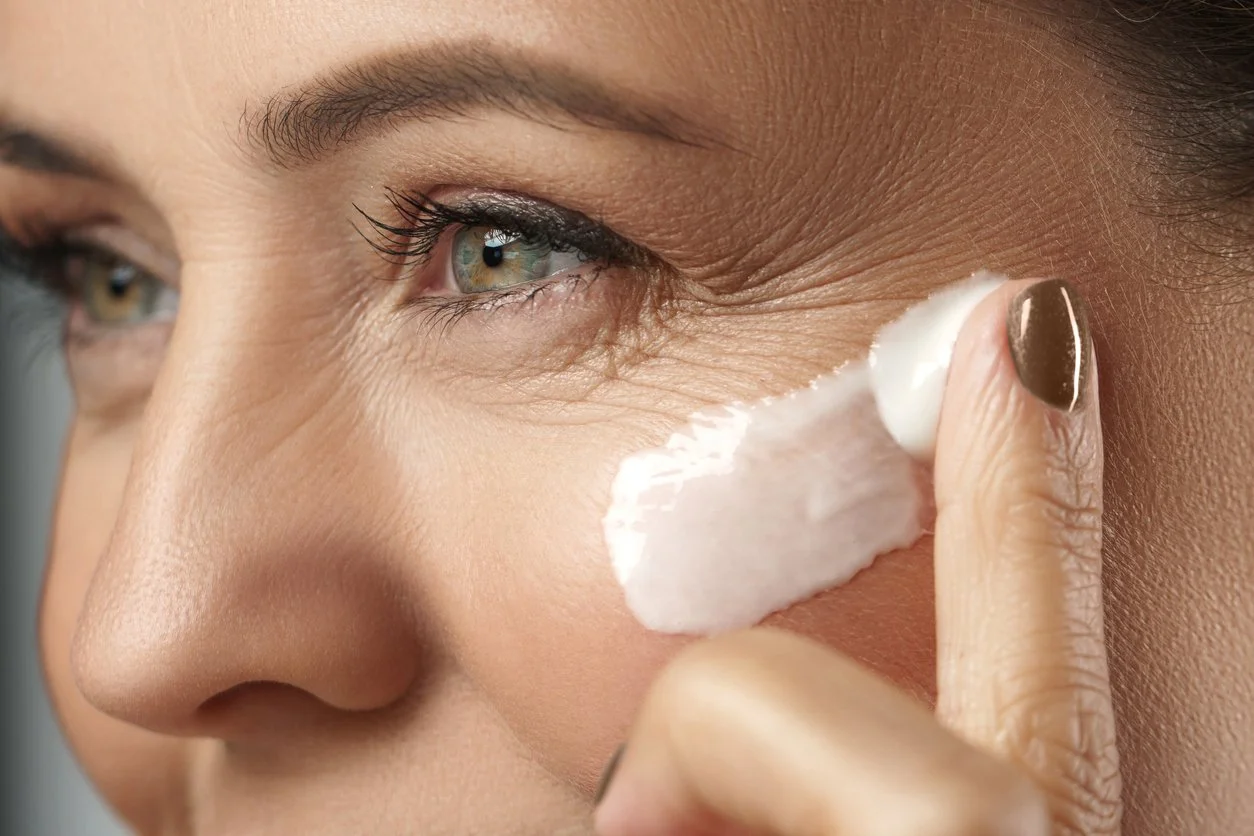
Skin and Hair: Collagen production drops, leading to thinner, less elastic skin and increased hair loss. This reduction leads to thinner, less elastic skin, which is more prone to the development of wrinkles and fine lines, including crow’s feet around the eyes. Lower collagen levels also compromise the skin’s firmness and its ability to retain moisture, making the skin appear more lax and accentuating lines and folds.
Metabolism: As estrogen levels decline, insulin sensitivity decreases, leading to increased systemic inflammation and a preferential accumulation of central (visceral) adipose tissue. This metabolic shift promotes weight gain, particularly in the abdominal region, and elevates the risk for cardiometabolic disease.
Mood and Cognition: Hormonal shifts contribute to mood swings, anxiety, and brain fog. Estrogen plays a critical role in modulating neurotransmitters such as serotonin, dopamine, and norepinephrine, which are essential for mood regulation, emotional stability, and cognitive clarity. Progesterone has anxiolytic (anxiety-reducing) effects through its action on GABA receptors in the brain, promoting relaxation and emotional resilience. Lower progesterone can therefore contribute to irritability, sleep disturbances, and a heightened stress response.
Libido and Energy: Both decline as hormone levels fall. Estrogen enhances sexual desire and arousal by increasing blood flow to the pelvic region and modulating neurotransmitters associated with sexual function. It also acts on specific neurons in the brain that regulate motivation and physical activity; for example, estrogen receptor alpha (ERα) signaling in the hypothalamus stimulates pathways that increase spontaneous physical activity and overall energy expenditure. When estrogen levels decline, these neural circuits become less active, leading to reduced energy, increased sedentary behavior, and diminished sexual receptivity.[2]
While FDA-approved menopausal hormone therapy remains foundational, many women need more targeted solutions. This is where advanced therapies like GHK-Cu, Niacinamide, and Rapamycin come into play.
GHK-Cu: The Regenerative Peptide
What is GHK-Cu?
GHK-Cu (glycyl-L-histidyl-L-lysine copper) is a naturally occurring peptide that declines with age. Its functions are diverse and profound, especially for aging women:
Stimulates Collagen and Elastin Production: Essential for maintaining youthful, resilient skin and healthy hair.[3]
Promotes Wound Healing and Tissue Regeneration: Supports repair in skin, hair follicles, and even internal organs.[4]
Antioxidant and Anti-inflammatory Effects: Reduces oxidative stress, a key driver of aging and chronic disease.[5]
Enhances Cellular Stemness: Encourages cells to retain their regenerative capacity, potentially reversing age-related tissue decline.[5]
Improves Angiogenesis and Nerve Growth: Supports better blood flow and nerve health, which can impact skin vitality and sensation.[6]
Benefits for Perimenopausal and Menopausal Women
Skin Health: GHK-Cu increases collagen, elastin, and glycosaminoglycans, improving skin thickness, firmness, and reducing wrinkles.
Hair Growth: By stimulating hair follicle repair and growth, GHK-Cu can help counteract menopausal hair thinning.
Anti-inflammatory Action: Helps reduce the chronic low-grade inflammation that accelerates aging post-menopause.
Cellular Protection: May protect against DNA damage and support overall tissue health.[7]
Future Potential
As research on GHK-Cu expands, its applications may grow to include even broader regenerative and protective effects, offering hope for reversing some of the visible and invisible signs of aging in women.
Niacinamide (Versapro): The Cellular Energizer
What is Niacinamide?
Niacinamide, a form of vitamin B3, is a well-established ingredient in dermatology and cellular health. It supports energy production, DNA repair, and skin barrier function.
Benefits for Midlife Women
Enhances Cellular Energy: Niacinamide boosts NAD+ levels, a molecule essential for mitochondrial function and cellular repair.
Improves Skin Barrier: Reduces transepidermal water loss, leading to plumper, more hydrated skin.[8]
Reduces Inflammation: Calms redness and irritation, making it ideal for sensitive, aging skin.[8]
Supports DNA Repair: Helps counteract the DNA damage that accumulates with age and hormonal decline.[9]
While niacinamide is not a peptide, its synergy with GHK-Cu may amplify skin rejuvenation and cellular vitality, making it a valuable adjunct in anti-aging protocols.
Rapamycin (Sirolimus): The mTOR Inhibitor and Longevity Agent
What is Rapamycin?
Rapamycin is a drug that inhibits the mTOR pathway, a central regulator of cell growth, metabolism, and aging. Originally used as an immunosuppressant, it is now recognized as one of the most promising pharmacological agents for extending healthspan and lifespan.[10]
How Does Rapamycin Work?
Suppresses Cellular Senescence: Rapamycin slows down the process by which cells lose function and become "senescent," a key driver of aging.[8,10]
Delays Age-Related Diseases: In animal studies, rapamycin extends lifespan and delays the onset of diseases like cancer, cardiovascular disease, and neurodegeneration.[8-12]
Reduces Inflammation and Hyperfunction: By modulating mTOR, rapamycin lowers chronic inflammation and prevents the overactivity of aging cells.[11]
Benefits for Perimenopausal and Menopausal Women
Weight Management: By improving metabolic efficiency and reducing inflammation, rapamycin may help counteract the weight gain associated with menopause.[11,12]
Energy and Mood: Slowing cellular aging can translate to higher energy and improved resilience, potentially supporting better mood and cognitive function.[12]
Skin and Hair Health: By suppressing cellular senescence, rapamycin may help preserve skin and hair vitality, though more research is needed in humans.[8,10,11,13]
Libido and Overall Vitality: By delaying the onset of age-related decline, rapamycin may help women maintain a higher quality of life for longer.[14]
Safety and Future Directions
While rapamycin’s anti-aging effects are compelling, its long-term safety and optimal dosing in healthy women are still under investigation. Side effects can include mouth ulcers, mild immunosuppression, and metabolic changes, but low-dose regimens appear to be well-tolerated in many studies.[15]
The Synergy: Reversing the Impact of Hormone Loss
Why Combine These Therapies?
The loss of estrogen and progesterone accelerates aging through multiple pathways: increased inflammation, reduced tissue repair, and metabolic decline. By targeting these pathways, GHK-Cu, Niacinamide, and Rapamycin offer a multi-pronged approach:
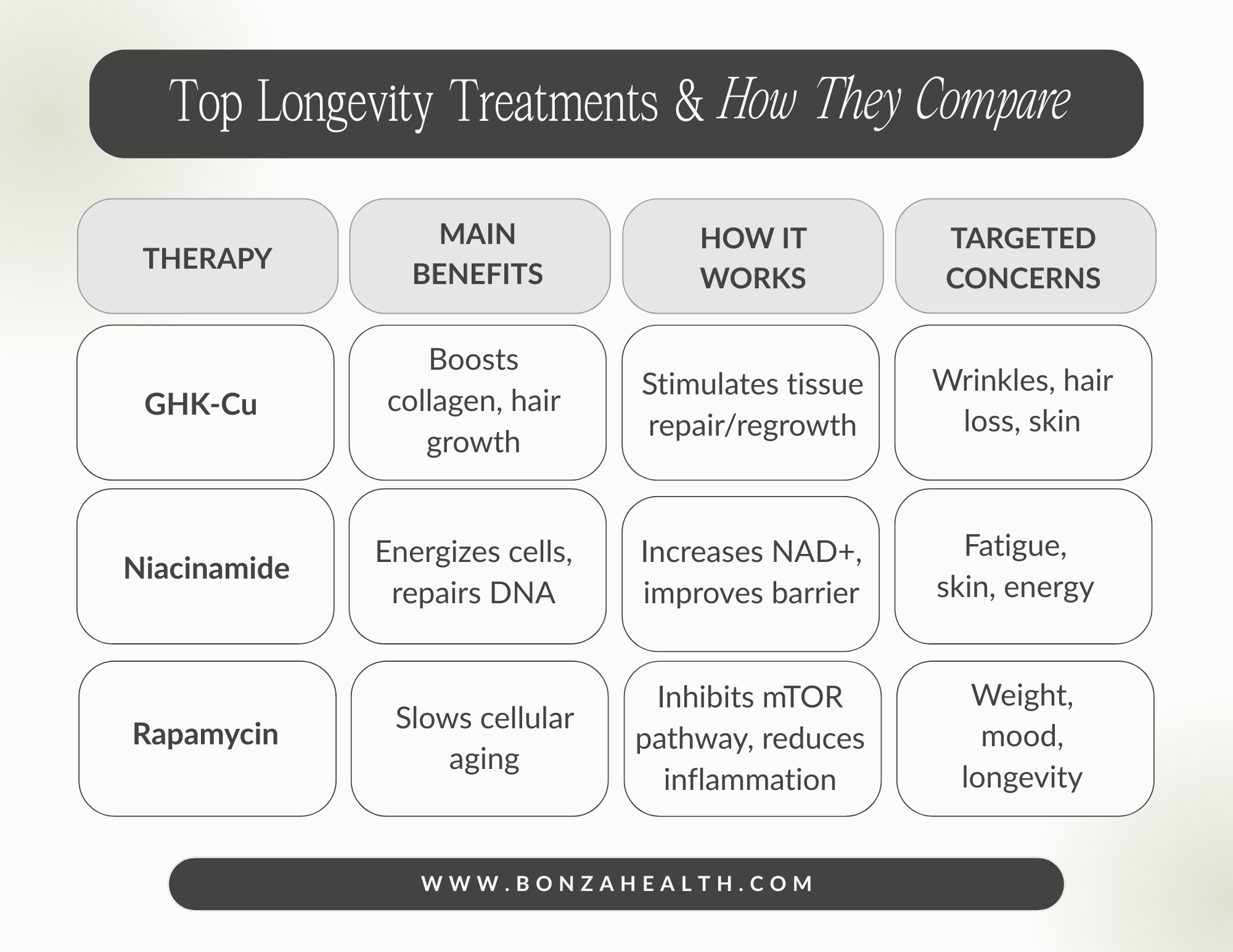
GHK-Cu: Restores tissue repair, collagen, and hair health.
Niacinamide: Energizes cells and supports DNA repair.
Rapamycin: Slows cellular aging, reduces inflammation, and preserves metabolic health.
Together, these interventions may help reverse or slow the visible and invisible impacts of menopause, offering women renewed vitality and resilience.
Practical Considerations and My Approach
As a physician dedicated to evidence-based, personalized care, I integrate these advanced therapies with foundational lifestyle interventions: a whole food plant-based diet, regular movement, stress management, and hormone therapy when indicated.
My protocols—B-Cut (weight loss), B-Cool (hot flashes), B-Clear (brain fog), B-Calm (mood), and B-Charged (libido and fatigue)—are designed to address the unique constellation of symptoms women face in midlife.
How I Use These Therapies
GHK-Cu/Niacinamide: Topical or systemic use for skin and hair rejuvenation, combined with lifestyle and nutritional support.
Rapamycin: Carefully considered for women at high risk of age-related disease or with significant symptoms of accelerated aging, always with close monitoring and individualized dosing.
Looking Ahead: The Future of Anti-Aging in Women’s Health
The science of longevity is evolving rapidly. While more clinical trials are needed, the evidence for GHK-Cu, Niacinamide, and Rapamycin as anti-aging interventions is compelling, especially for women navigating the challenges of menopause.
By combining these therapies with proven lifestyle and hormonal strategies, we can help women not only live longer, but thrive through midlife and beyond.
If you’re interested in exploring these advanced therapies, I invite you to join me at Bonza Health, where we’re redefining what’s possible for women’s health and vitality.

References
[1] Z.-M. Ouyang et al., “Early menopause is associated with higher disease activity independent of inflammation in postmenopausal-onset rheumatoid arthritis,” BMC Womens Health, vol. 25, no. 1, Mar. 2025, https://doi.org/10.1186/s12905-025-03670-x
[2] C. Camon, M. Garratt, and S. M. Correa, “Exploring the effects of estrogen deficiency and aging on organismal homeostasis during menopause,” Nat. Aging, vol. 4, no. 12. Nature Portfolio, p. 1731, Dec. 13, 2024. https://doi.org/10.1038/s43587-024-00767-0
[3] S. J. Hwang, G. Ha, W.-Y. Seo, C. K. Kim, K. Kim, and S. B. Lee, “Human collagen alpha-2 type I stimulates collagen synthesis, wound healing, and elastin production in normal human dermal fibroblasts (HDFs),” BMB Reports, vol. 53, no. 10, p. 539, Oct. 2020, https://doi.org/10.5483/bmbrep.2020.53.10.120
[4] L. Pickart, J. M. Vasquez-Soltero, and A. Margolina, “GHK and DNA: Resetting the Human Genome to Health,” BioMed Research International, vol. 2014, p. 1, Jan. 2014, https://doi.org/10.1155/2014/151479
[5] Y. Dou, A. Lee, L. Zhu, J. Morton, and W. Ladiges, “The potential of GHK as an anti-aging peptide,” Aging Pathobiology and Therapeutics, vol. 2, no. 1, p. 58, Mar. 2020, https://doi.org/10.31491/apt.2020.03.014
[6] L. Pickart, J. M. Vasquez-Soltero, and A. Margolina, “The Human Tripeptide GHK-Cu in Prevention of Oxidative Stress and Degenerative Conditions of Aging: Implications for Cognitive Health,” Oxidative Medicine and Cellular Longevity, vol. 2012. Hindawi Publishing Corporation, p. 1, Jan. 01, 2012. https://doi.org/10.1155/2012/324832
[7] L. Pickart and A. Margolina, “Regenerative and Protective Actions of the GHK-Cu Peptide in the Light of the New Gene Data,” International Journal of Molecular Sciences, vol. 19, no. 7. Multidisciplinary Digital Publishing Institute, p. 1987, Jul. 07, 2018. https://doi.org/10.3390/ijms19071987
[8] L. Camillo, E. Zavattaro, and P. Savoia, “Nicotinamide: A Multifaceted Molecule in Skin Health and Beyond,” Medicina, vol. 61, no. 2. Multidisciplinary Digital Publishing Institute, p. 254, Feb. 01, 2025. https://doi.org/10.3390/medicina61020254
[9] D. L. Bissett, J. E. Oblong, and C. A. Berge, “Niacinamide: A B Vitamin that Improves Aging Facial Skin.” Jun. 2025. Accessed: Jun. 29, 2025. [Online]. Available: https://journals.lww.com/dermatologicsurgery/citation/2005/07001/niacinamide__a_b_vitamin_that_improves_aging.12.aspx
[10] Z. D. Sharp and R. Strong, “Rapamycin, the only drug that has been consistently demonstrated to increase mammalian longevity. An update,” Experimental Gerontology, vol. 176. Elsevier BV, p. 112166, Apr. 07, 2023. doi: https://doi.org/10.1016/j.exger.2023.112166
[11] M. Sanati, A. R. Afshari, S. Aminyavari, M. Banach, and A. Sahebkar, “Impact of Rapamycin on Longevity: Updated Insights,” Archives of Medical Science, Jul. 2024, https://doi.org/10.5114/aoms/191565
[12] “Exploring the Potential of Rapamycin for Weight Loss: A Comprehensive Review.” Oct. 2023. Accessed: Jun. 29, 2025. [Online]. Available: https://valhallavitality.com/blog/exploring-the-potential-of-rapamycin-for-weight-loss-a-comprehensive-review
[13] G.-L. Bai et al., “Rapamycin Protects Skin Fibroblasts From UVA-Induced Photoaging by Inhibition of p53 and Phosphorylated HSP27,” Frontiers in Cell and Developmental Biology, vol. 9, Feb. 2021, https://doi.org/10.3389/fcell.2021.633331
[14] X. Dou et al., “Short‐term rapamycin treatment increases ovarian lifespan in young and middle‐aged female mice,” Aging Cell, vol. 16, no. 4, p. 825, May 2017, https://doi.org/10.1111/acel.12617
[15] A. R. Konopka et al., “Blazing a trail for the clinical use of rapamycin as a geroprotecTOR,” GeroScience, vol. 45, no. 5, p. 2769, Oct. 2023, doi: https://doi.org/10.1007/s11357-023-00935-x