10 Ways Your Hormones Can Impact Intimate Relationships in Midlife – and How to Navigate Them
By Sarah Bonza MD, MPH, FAAFP, MSCP, DipABLM, NBC-HWC

The hormonal fluctuations of menopause can ripple through every layer of personal connection: physical intimacy, emotional closeness, and day-to-day communication.
Midlife can feel like a season of contradictions. You may have more wisdom than ever, but less patience. More self-awareness, yet less tolerance for what drains you. Your body feels both familiar and strangely foreign. And in the midst of it all, your hormones are shifting—quietly at first, then sometimes chaotically—affecting not just your mood and energy, but also your relationships.
Perimenopause and menopause aren’t only about biology. They’re emotional, relational, and even spiritual milestones. If you’ve noticed changes in your partnership—or even in how you relate to yourself—you’re not alone. Hormonal fluctuations can ripple through every layer of connection: physical intimacy, emotional closeness, and day-to-day communication.
Here are 10 ways hormonal changes can impact intimate relationships in midlife and how to navigate them with awareness, grace, and compassion.
1. Mood Swings and Irritability
Fluctuating estrogen and progesterone can make your emotional thermostat feel broken. One day you’re calm; the next, a minor comment feels like a personal attack.
Anecdote: A patient once told me she snapped at her partner for breathing “too loudly” during dinner—something she laughed about later, but in the moment felt overwhelming.
What helps: Let your partner know this is a hormonal shift, not a personality transplant. Track your symptoms to notice patterns and share them. Tools like mindfulness, deep breathing, and guided meditation can create a buffer. If swings are severe, consider talking to your healthcare provider about hormone therapy or other targeted options.

Track your symptoms to notice patterns in your thoughts and feelings.
2. Lower Libido
Estrogen and testosterone dips can make desire feel elusive. Not because you love your partner less, but because your brain and body are processing pleasure differently.
Anecdote: One woman described feeling “like my desire was locked in a safe I couldn’t find the key to.”
What helps: Communication is essential. Tell your partner this is not rejection: it’s biology. Rediscover touch without the pressure of sex: back rubs, cuddling, even holding hands while watching TV. If vaginal dryness or discomfort is contributing, address it (more on that next). Sometimes desire returns when intimacy feels safe and pleasurable again.

Rediscover touch without the pressure of sex. Examples include back rubs, cuddling, and even holding hands while watching TV.
3. Vaginal Dryness and Discomfort
Loss of estrogen thins vaginal tissues, leading to dryness and even pain during intimacy. Avoidance is common; not because of lack of love, but because pain changes the equation.
What helps: This is one of the most treatable symptoms of menopause. Vaginal estrogen, DHEA creams, or moisturizers can restore comfort and confidence. Don’t assume discomfort is “just part of aging.” Addressing it can bring closeness back without fear.

Shop professional-grade creams and moisturizers to ease vaginal dryness and discomfort.
4. Sleep Disruption
Night sweats, hot flashes, and hormonal shifts can rob you of restorative sleep. Sleep deprivation doesn’t just affect your mood: it impacts your patience, libido, and emotional resilience.
Anecdote: A patient joked, “It’s hard to feel romantic when you’re drenched in sweat and flipping your pillow to the cool side all night.”
What helps: Keep your bedroom cool, use breathable sheets, and avoid alcohol or caffeine near bedtime. If symptoms are severe, seek medical strategies to reduce night sweats. A well-rested mind and body are more open to connection.
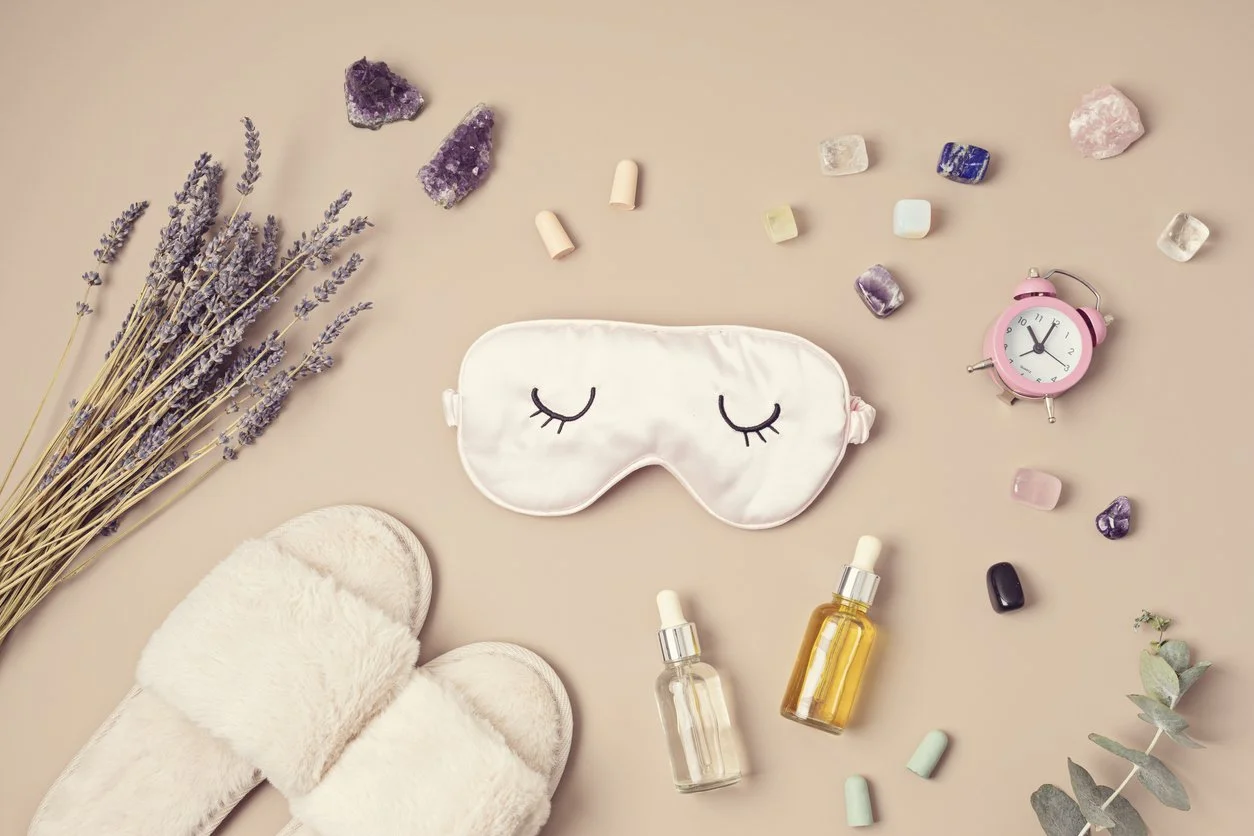
To improve your sleep quality, keep your bedroom cool, use breathable sheets, and avoid alcohol or caffeine near bedtime.
5. Body Image Shifts
Midlife can bring weight redistribution, skin changes, and hair texture shifts. Even subtle differences can affect self-confidence and openness to intimacy.
What helps: Reframe how you see your body: less about its appearance and more about its capability. Strength training, nourishing food, and self-care rituals improve both how you feel and how you carry yourself. Confidence is magnetic.

Midlife can bring weight redistribution, skin changes, and hair texture shifts.
6. Emotional Sensitivity
As progesterone’s calming influence declines, you may feel more easily hurt or anxious. Little comments can land heavily.
Anecdote: A woman once told me she teared up when her partner asked if she wanted tea, because she thought it meant she “looked tired.”
What helps: Notice when emotions are running high and pause before reacting. Share with your partner that your emotional filter is thinner right now. Journaling, therapy, or wellness coaching can help you process feelings more constructively.

Tools like mindfulness, deep breathing, and guided meditation can help support mood stability during the menopausal transition.
7. Shifts in Attraction and Connection
Hormonal changes can spark deep reflection: Am I living in alignment with my needs? Is my relationship still nourishing me? This can feel unsettling but also deeply clarifying.
What helps: Honest self-reflection is healthy, but try to keep your partner in the conversation. Express what you need now versus five years ago. Midlife can be a time to re-write relationship scripts together.

8. Communication Breakdowns
Brain fog, word-finding trouble, and forgetfulness can make expressing yourself harder—and misunderstandings more likely.
Anecdote: One woman told me she forgot the word “microwave” mid-sentence, and her partner thought she was ignoring him.
What helps: Keep humor alive. Use gentle reminders or even a shared note app for conversations. Partners who can laugh together about the occasional “mental pause” are often the strongest.

9. Energy Fluctuations
Fatigue from hormonal shifts can make intimacy feel like another chore on your list.
What helps: Adjust timing. If evenings leave you drained, explore morning or midday connections. Keep intimacy alive through micro-moments: touching your partner’s arm, sending a flirty text, or cooking together.

During menopause, fatigue from hormonal shifts can make intimacy feel like another chore on your list.
10. A New Sense of Self
For many women, hormonal changes usher in clarity. You may speak up more, set firmer boundaries, and rediscover personal passions. This can be exhilarating for you, and surprising for your partner.
Anecdote: A patient said, “I’m finally speaking up for myself, and my partner’s a little stunned. But we’re learning to meet each other in this new chapter.”
What helps: Invite your partner into this growth. Share what excites you about this phase and how you’d like them to be part of it. Relationships that adapt together often emerge stronger.

Use this time in your life to build more honest, resilient, and fulfilling relationships with yourself and your partner.
The Bigger Picture: Why Awareness Changes Everything
When you understand that mood changes, lower libido, or even irritability are linked to hormonal fluctuations—not moral failings—you can approach them with compassion. Your partner, too, can shift from confusion or defensiveness to empathy and teamwork.
This is not about “getting through it” until hormones settle. It’s about using this time to build more honest, resilient, and fulfilling relationships. Menopause intimacy can be richer, more connected, and more authentic when it’s grounded in open conversation and mutual understanding.
A Gentle Reminder
If your relationship feels strained right now, it doesn’t mean you’re failing. It means your body is sending new signals, and you’re both learning to listen differently.
Perimenopause and menopause are not the end of your vibrant, intimate life. They can be the beginning of a deeper, more authentic connection with yourself and those you love.
Reclaim your vitality in perimenopause using the 12 stages of behavior change.
If you’re navigating perimenopause or menopause and want personalized strategies to feel better—physically, emotionally, and in your relationships—Bonza Health can help. Book a consultation to reclaim your vitality and rediscover connection in midlife.