

Bonza Health Blog
Gain the tools and understanding you need to help manage the challenges of perimenopause and beyond.
Women experiencing perimenopause or menopause can reclaim their health and vitality. At Bonza Health, we help women see hormone changes as a natural midlife transition and provide the doctor-backed information women need to navigate hormonal health conditions with confidence.
Check out our latest blog posts from our leading physician’s best tips and tools for easing hormonal symptoms, special announcements on our courses and services, and much more! Be a part of our ever-growing community of like-minded women who are thriving in health -- even with perimenopause or menopause conditions.






The Science of Libido in Menopause: Hormones, Stress, and Solutions
While libido changes are common during the menopausal transition, they stem from a complex interplay of hormonal, physical, and psychological factors. Understanding the science behind these changes—and the solutions available—can empower women to reclaim their sexual vitality.

Testosterone Replacement Therapy in Perimenopausal and Menopausal Women
While testosterone is commonly associated with men, it plays a vital role in women’s health as well. For perimenopausal and menopausal women experiencing symptoms such as low libido, fatigue, or brain fog, testosterone replacement therapy (TRT) can be a transformative option. By addressing issues like low libido, fatigue, and cognitive decline, TRT has the potential to restore vitality during this transitional phase of life.

Rethinking the Pill in Perimenopause: Why Menopause Hormone Therapy May Be a Better Fit
For years, the go-to solution to managing perimenopause symptoms has been oral contraceptives. And in certain situations, they can help—especially when contraception is still a must. But here’s the catch—and it’s an important one: oral contraceptives suppress your body’s natural hormone production. That’s where menopause hormone therapy (MHT) comes in. This approach mimics the way your body would naturally produce hormones if you were still ovulating regularly. Instead of suppressing your hormonal landscape, MHT can support and strengthen it.

Collagen vs. Protein Powder: A Guide for Vegetarian Women to Build Muscle and Maintain Youthful Skin
Choosing between collagen and protein powder can be confusing, especially for vegetarian women striving for both muscle strength and youthful skin. While traditional collagen supplements are animal-based, plant-powered alternatives can still support collagen production through vitamin C, lysine, and antioxidants. Meanwhile, pea protein offers a high-quality, muscle-building option that rivals whey—allowing you to fuel your body effectively without compromising your values.

Menopause and Heart Health: Understanding the Impact of Hormonal Changes on Cardiovascular Risk
As women transition through menopause, the decline in estrogen and progesterone levels can significantly affect cardiovascular health. Understanding these hormonal changes and their implications is crucial for promoting not only a longer life but also a healthier one.

What It Means to Be a Strong Woman
This piece highlights the quiet yet powerful resilience of women facing midlife changes, emphasizing that strength goes far beyond physical power. It acknowledges the dismissals many experience in healthcare and calls on them to stand firm in seeking the care and support they deserve. Ultimately, it offers an invitation to join a community where women can lift each other up, challenge outdated norms, and embrace their evolving bodies with confidence.

Perimenopause Weight Woes? This Could Be the Best-Kept Secret for Healthier Aging
Metformin, also known as Glucophage, is an affordable and effective option for women in perimenopause or menopause who aren’t eligible for GLP-1 medications but still want to manage weight and support healthy aging. This well-studied drug enhances insulin sensitivity and can stabilize blood sugar levels, potentially reducing stubborn midsection fat. Some women also report better bowel regularity, which can be a welcome relief during hormone fluctuations. One patient, Cassandra, lost eight pounds of body fat over six months without major changes to her lifestyle. Metformin’s decades of data and accessibility make it a compelling choice for those seeking a steady, evidence-based approach to weight control and vitality.

Understanding Genitourinary Syndrome of Menopause: Why Vaginal Estrogen Matters
This blog sheds light on Genitourinary Syndrome of Menopause (GSM), a commonly overlooked condition involving vaginal and urinary changes after midlife. It underscores the role of local estrogen therapy in easing dryness, preventing infections, and improving quality of life. A real-life patient example illustrates how GSM can manifest through recurrent urinary tract infections and discomfort. By citing key research and insights from The Menopause Society, the blog highlights practical approaches and encourages open communication with healthcare providers. It reinforces that relief is attainable, and no one should feel alone or dismissed when seeking answers for these concerns.

Healthy Eating Habits During Menopause: Nourishing Your Body Through Change
Menopause triggers hormonal changes that often result in hot flashes, mood swings, and altered metabolism. Emphasizing fiber, healthy fats, and phytoestrogens can help balance hormones and reduce symptoms. Staying hydrated, limiting added sugars, and including antioxidant-rich foods promotes well-being. Supporting emotional health completes a holistic, positive approach for women everywhere.

How Menopause Affects Your Sex Life
Menopause marks a season of significant change that may impact your body, mood, and relationships—particularly when it comes to intimacy and sexual wellness. Learn how shifting hormone levels, including declines in estrogen, progesterone, and testosterone, can affect your libido, vaginal comfort, and emotional state. Understand how to find balance through medical options like localized or systemic hormone therapy, along with practical steps such as pelvic floor exercises and thoughtful communication. While menopause can bring challenges—like dryness, pain, or lower desire—it can also introduce a newfound sense of freedom once fertility concerns fade.

Working with a Trainer During Perimenopause: Why Strength Matters and How Guidance Can Help
This blog offers practical guidance and personal reflections on working with an exercise trainer during the physical shifts of perimenopause. It explains why strength training matters at this stage, not only to maintain muscle and manage changes in body composition, but also to support bone health and help prevent osteoporosis. Readers will find straightforward discussions on technique, form, and how a trained professional can provide steady support, accountability, and tailored programs to keep them progressing safely.

Why Your Body Doesn’t Feel Full in Perimenopause: A Physician’s Look at Leptin
Perimenopause's hormonal shifts can disrupt leptin signaling, creating a disconnect between our fat cells and brain. This leptin resistance often results in difficulty feeling full and increased stress eating, especially after demanding days.The interplay between leptin resistance and perimenopausal metabolic changes creates a complex scenario affecting weight, energy, and overall well-being. However, there are effective strategies to improve leptin sensitivity

Perimenopause: The Power of Protein for Muscle Health and Weight Management
As hormones shift, maintaining muscle mass becomes more challenging, and you might notice unexpected changes in your body Increasing protein not only supports muscle maintenance but also aids in managing weight by promoting fullness and boosting metabolism.

Sipping Through Perimenopause: Health Benefits of a Warm Cup of Tea
Perimenopause can feel like an unpredictable journey filled with hot flashes, mood swings, and sleepless nights. Embracing the concept of "food as medicine," we can find comfort in the simple ritual of sipping healing teas. In my latest blog, I delve into how teas like red clover, sage, and chamomile offer not just warmth but potential relief from perimenopausal symptoms. These natural remedies have been cherished for their soothing properties—red clover may help balance hormones, sage could reduce night sweats, and chamomile might ease sleep disturbances. By integrating these teas into our daily routines, we create moments of mindfulness and self-care, nurturing ourselves from the inside out. Remember, it's important to consult with a healthcare provider before introducing new herbal teas, especially those affecting hormone levels. Here's to finding tranquility and support in each comforting cup as we navigate this significant life transition together.

Understanding VO₂ Max During Perimenopause and Menopause
Menopause brings significant changes, and understanding your body's needs is crucial during this time. This blog explains VO₂ max—a key indicator of cardiovascular fitness—and its importance for women in perimenopause and menopause. It offers practical advice on improving VO₂ max through exercises like High-Intensity Interval Training (HIIT) and hill training, tailored to support your health and well-being during this transition.

Understanding Menopause: What’s Happening in Your Body
Menopause is a natural stage of life, but its symptoms can feel anything but natural. From hot flashes and night sweats to mood swings and fatigue, these changes often leave women wondering how to regain a sense of balance. The good news is that while menopause symptoms can be disruptive, there are practical, evidence-based steps you can take to feel better and support your overall health during this transition.
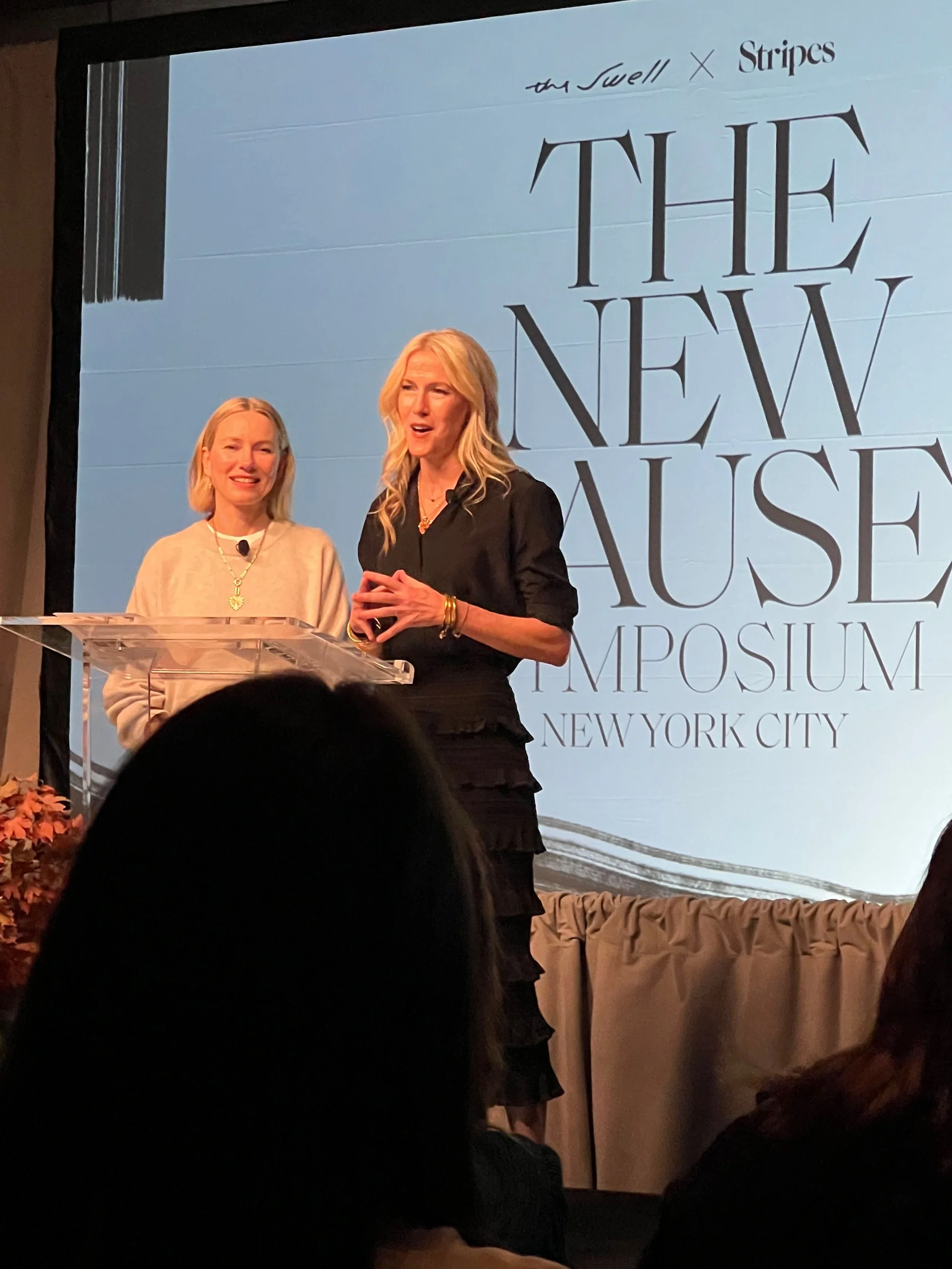
Reimagining Menopause: Insights from the New Pause Symposium Experience
Highlights from the New Pause symposium on October 19, 2024

The Biological Functions of Estrogen: Understanding It’s Role in Perimenopause and Beyond
Estrogen is often referred to as the "fountain of youth" due to its vital role in maintaining cognitive function, bone strength, skin elasticity, and cardiovascular health. As women approach menopause and estrogen levels decline, the protective effects of this powerful hormone wane, making it essential to explore ways to support estrogen levels and reclaim vitality during this life stage.

The Menopausal Transition: A Critical Time for Your Health and Wellbeing
At Bonza Health, we believe menopause offers an opportunity to set the stage for a vibrant, healthy future. This blog highlights the importance of addressing the cardiovascular risks, body composition changes, and increased risk of chronic diseases like diabetes and heart disease that come with declining estrogen levels.

Taming the Crimson Tide: What Every Woman Needs to Know About Heavy Periods in Perimenopause
Menorrhagia, or heavy menstrual bleeding, is a common but often alarming symptom during perimenopause, marked by hormonal fluctuations that can disrupt normal menstrual cycles. This condition can lead to severe health issues like iron deficiency anemia, resulting in extreme fatigue and other serious symptoms. Understanding the causes and effective management strategies, including hormonal treatments, lifestyle adjustments, and iron supplementation, is crucial for women navigating this challenging phase. By addressing menorrhagia, women can better maintain their health and quality of life during perimenopause.