
Perimenopause, Bone Loss, and the Problem With "Lowest Effective Dose"
Written and edited by Sarah Bonza, MD, MPH, FAAFP, MSCP, DipABLM, NBC-HWC — Bonza Health

Bone loss is silent and asymptomatic by definition.
Key Takeaways
Bone loss in midlife women does not begin at menopause. According to the Study of Women's Health Across the Nation (SWAN), bone mineral density begins declining approximately one year before the final menstrual period — during late perimenopause [1].
During this rapid-loss window, women lose an average of 2.5% of lumbar spine bone density per year [1].
The phrase "lowest effective dose" comes from The Menopause Society's position statement, which actually reads: the appropriate, often lowest, effective dose consistent with treatment goals [2].
Hot flash relief is a poor proxy for bone protection: in randomized trials, roughly 79% of the treatment response for hot flash frequency is placebo response [3].
Research suggests bone benefit clusters around a serum estradiol threshold of 60–90 pg/mL, with no additional benefit at higher levels [4,5].
Identical hormone doses produce wildly different blood levels. In a 2025 study of 1,508 women, nearly 1 in 4 using the highest licensed transdermal dose still had subtherapeutic levels [6].
Routine estradiol testing is not recommended for most women. This article argues for a narrow exception when the treatment goal is skeletal protection.
For twenty years, women have been handed the same phrase: use the lowest effective dose of hormone therapy. It appears in visit notes, pharmacy leaflets, and patient handouts. It has become clinical shorthand.
The phrase isn't wrong. But the shorthand quietly dropped the most important half of it — and for midlife women whose real concern is their skeleton, that missing half matters enormously.
What does "lowest effective dose" actually mean?
Here is what The Menopause Society's 2022 hormone therapy position statement actually says. The therapeutic goal is the appropriate, often lowest, effective dose of systemic estrogen therapy consistent with treatment goals [2].
Two qualifiers, both routinely lost in translation. Often lowest — not always. And consistent with treatment goals — which presumes someone has said out loud what the goal is.
That's the entire argument of this article. When the treatment goal is hot flashes, symptom relief is an excellent endpoint. When the goal is protecting a skeleton for the next thirty years, it may not be an endpoint at all.
Hormone therapy prevents bone loss and fracture at standard doses [2].
When does bone loss actually start in perimenopause?
Most women assume bone loss begins at menopause. It doesn't.
The Study of Women's Health Across the Nation followed a multiethnic cohort of 862 women who entered the study pre- or early perimenopausal. Researchers found that bone mineral density loss began one year before the final menstrual period and decelerated — but did not stop — two years after it [1]. Prior to that window, there was no appreciable change in bone density at either the lumbar spine or femoral neck.
The investigators named this three-year window the transmenopause, and the numbers are sobering. During it, white women in the cohort lost an average of 2.5% of lumbar spine bone density per year and 1.8% at the femoral neck [1]. Cumulative femoral neck loss reached 9.1%, with most of it concentrated in that narrow window.
This is the single most under-communicated fact in midlife women's health. The period of fastest bone loss happens in late perimenopause — while a woman is still having periods, still being told she's "not there yet," and often still years away from anyone ordering a DXA scan.
It gets more consequential. A 2021 SWAN analysis found that faster lumbar spine bone loss during midlife predicted subsequent fracture independent of starting bone density [7]. The rate of loss carries risk information that a single snapshot doesn't capture.
So by the time many women begin hormone therapy, the question is no longer theoretical. It's whether the regimen is doing anything about a process already underway.

Bone loss in midlife women does not begin at menopause.
Why symptom relief is a weak proxy for bone protection
There's a second problem with using symptoms as the yardstick, and it's underappreciated even among clinicians: vasomotor symptoms carry an enormous placebo response.
A meta-analysis of six randomized controlled trials of paroxetine for hot flashes, including 1,486 women, found that 79% of the mean treatment response for hot flash frequency — and 68% for severity — was accounted for by placebo response [3].
That is not an argument that women imagine their symptoms. It's an argument about what a symptom report can and cannot certify. "I feel better on this dose" is genuinely meaningful for quality of life. It is not a measurement of estrogen adequacy in bone.
And bone gives no feedback at all. Bone loss is silent and asymptomatic by definition. There is no sensation corresponding to resorption. A woman can feel entirely well while her bone turnover runs unfavorably for a decade. A strategy built on how do you feel has nothing to read in the tissue we're actually worried about.
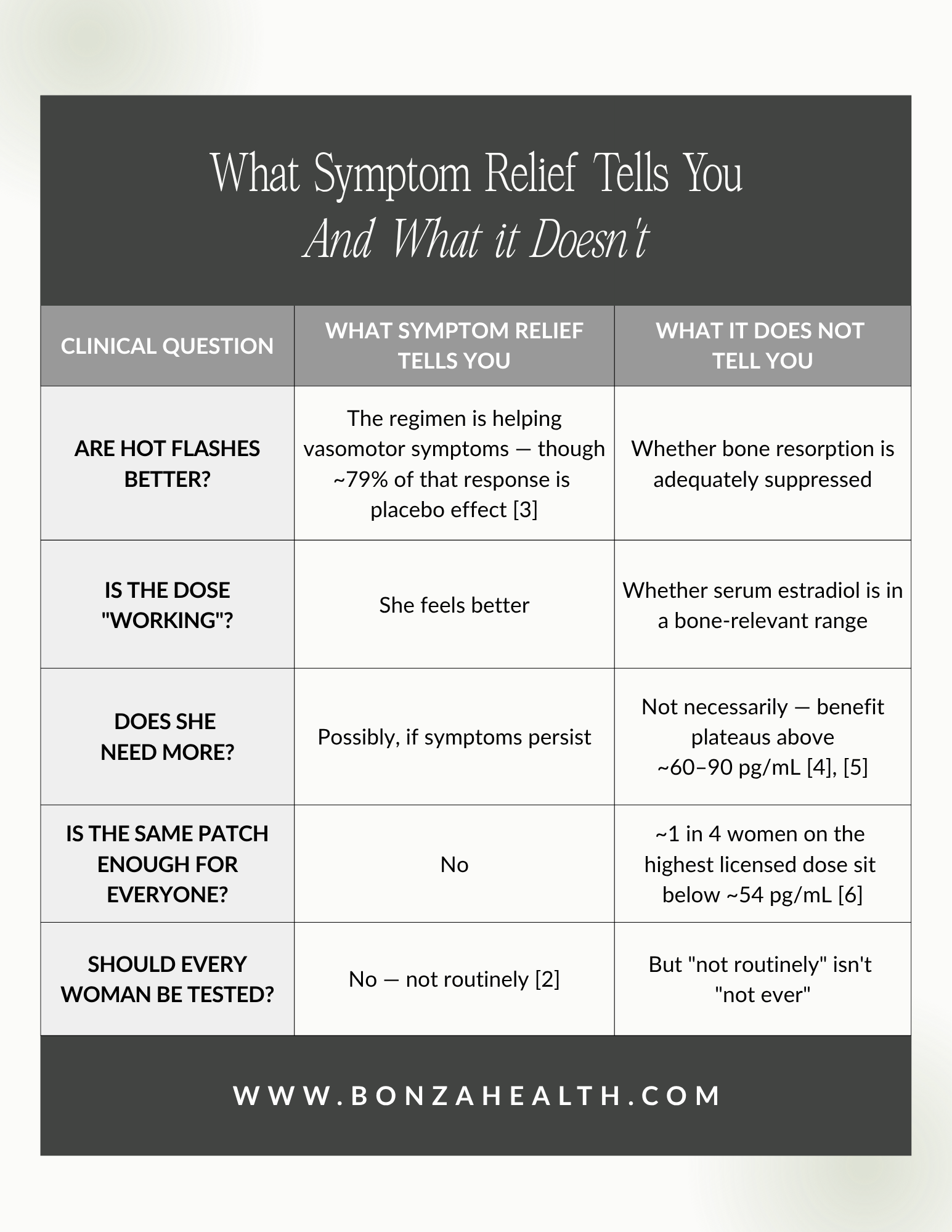
Table 1 — What symptom relief tells you, and what it doesn't
What estradiol level does bone need?
The most frequently cited threshold study is Reginster and colleagues, published in Calcified Tissue International in 1992 [4]. (This paper is often miscited in online summaries — the number gets quoted far more often than the paper gets read.)
The researchers related urinary markers of bone resorption — calcium/creatinine and hydroxyproline/creatinine — to serum estrogen levels in 262 women, including 158 on estrogen replacement therapy for at least six months.
Two findings matter, and the second is almost always omitted.
First: women with circulating estradiol between 60 and 90 pg/mL showed significantly lower resorption markers than women below that range. The authors proposed 60 pg/mL as the minimum level estrogen therapy should achieve to prevent postmenopausal bone loss [4].
Second — and I want to be emphatic — higher estradiol values conferred no additional benefit [4]. This is a threshold-and-plateau relationship, not a dose-response ladder.
A more recent analysis points the same direction. Using NHANES 2013–2016 data, Zhu and colleagues studied 608 postmenopausal women aged 40–59 and found serum estradiol positively associated with lumbar bone density (β 0.65; 95% CI 0.38–0.93) — but in an inverted U-shaped relationship, inflecting at approximately 70 pg/mL [5]. Beyond that point, the association reverses.
Two studies, three decades apart, different populations, different methods — converging on the same shape. More is not linearly better. Anyone quoting 60 pg/mL as license to climb has read half a paper.
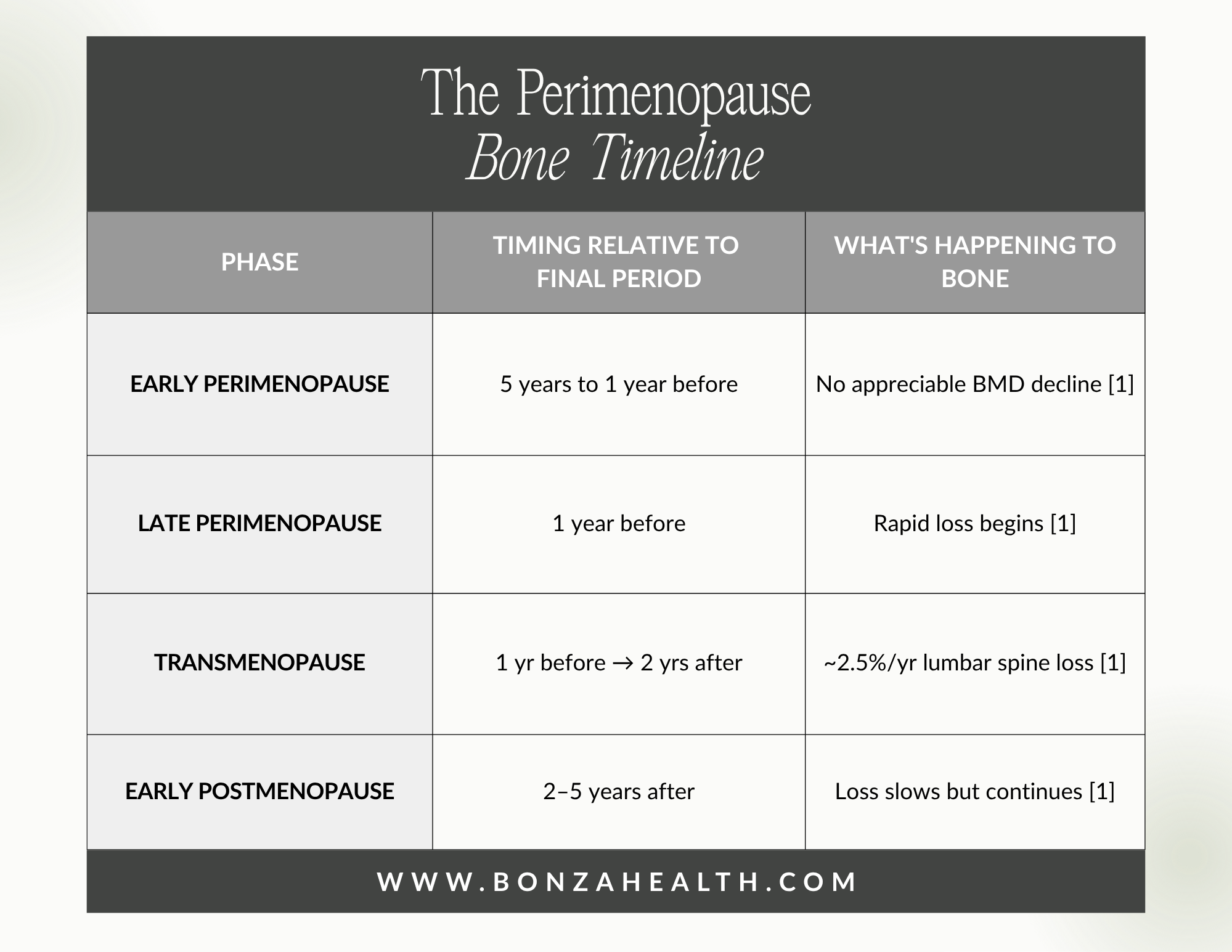
Table 2 — The perimenopause bone timeline
Where this evidence is limited
I'd rather say this myself than have it said to me. Reginster measured resorption markers, not fractures, in a correlational study from 1992. Zhu measured endogenous estradiol cross-sectionally, which cannot establish what a treated woman's target should be. And critically: no randomized trial has compared level-targeted dosing against symptom-targeted dosing for bone outcomes. That trial has not been done, and it should be.
None of that makes the signal meaningless. It makes it a well-supported hypothesis — a fair description of much of what we do in midlife medicine.

Data: Reginster et al. 1992; Zhu et al. 2021.
Why the same dose produces different blood levels in different women
This is the practical crux, and here the evidence is recent and considerably stronger.
A 2025 study in Menopause measured serum estradiol in 1,508 perimenopausal and postmenopausal women using transdermal estradiol in real-world practice [6]. The reference interval across the cohort spanned roughly 15 to 558 pg/mL.
The finding that should stop us: 24.84% — nearly one in four women — using the highest licensed transdermal dose still had levels below approximately 54 pg/mL [6]. Women aged 50 and over, and patch users specifically, were significantly more likely to fall low.
In fairness: this was a single UK specialist clinic with a selected referral population, and it drew critical correspondence in the same journal. Selection bias is real. But the core observation — enormous interindividual variance in serum level at a given dose — is consistent with decades of transdermal pharmacokinetic research and isn't seriously disputed.
Absorption varies with skin thickness, application site, body composition, adherence, technique, and hepatic metabolism. Two women can wear identical patches and land hundreds of picograms apart.
Which means: "50 mcg patch" describes what was prescribed. It does not describe what she received.
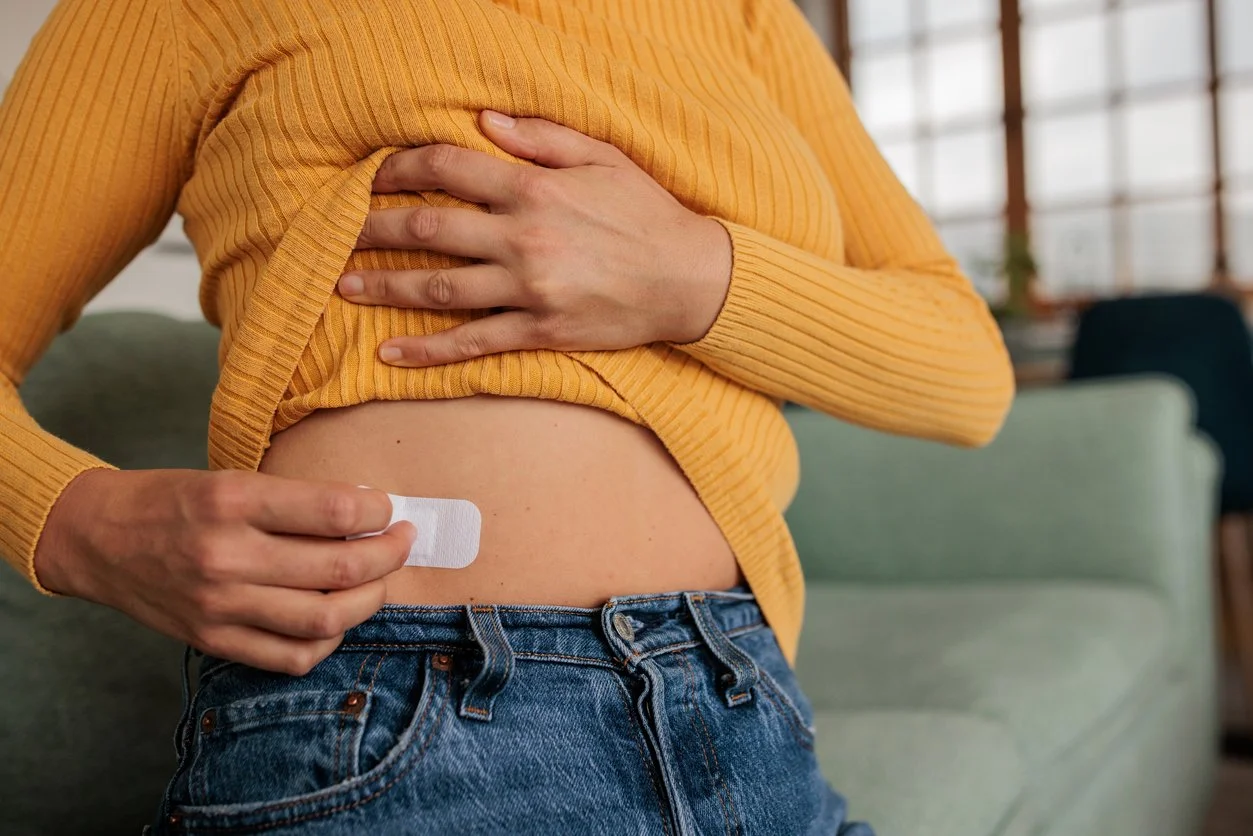
HRT absorption varies with skin thickness, application site, body composition, adherence, technique, and hepatic metabolism. Two women can wear identical patches and land hundreds of picograms apart.
The honest case against checking levels
Routine estradiol monitoring is not recommended for standard hormone therapy, and the reasoning is sound:
Symptom response is a functional endpoint. For the woman whose goal is hot flash control, a level adds nothing her own report doesn't already provide.
Assays are genuinely imperfect at the low concentrations that matter after menopause. Immunoassays perform poorly here; LC-MS/MS is better but not universally available.
Numbers invite chasing. Given the plateau data above, escalating a dose toward a target number is a real iatrogenic risk, not a theoretical one.
Hormone therapy prevents bone loss and fracture at standard doses [2]. That is Level I evidence and it is not in dispute.
Every one of those points is correct. They're why routine monitoring is the right default, and why I don't order levels on most of my patients.
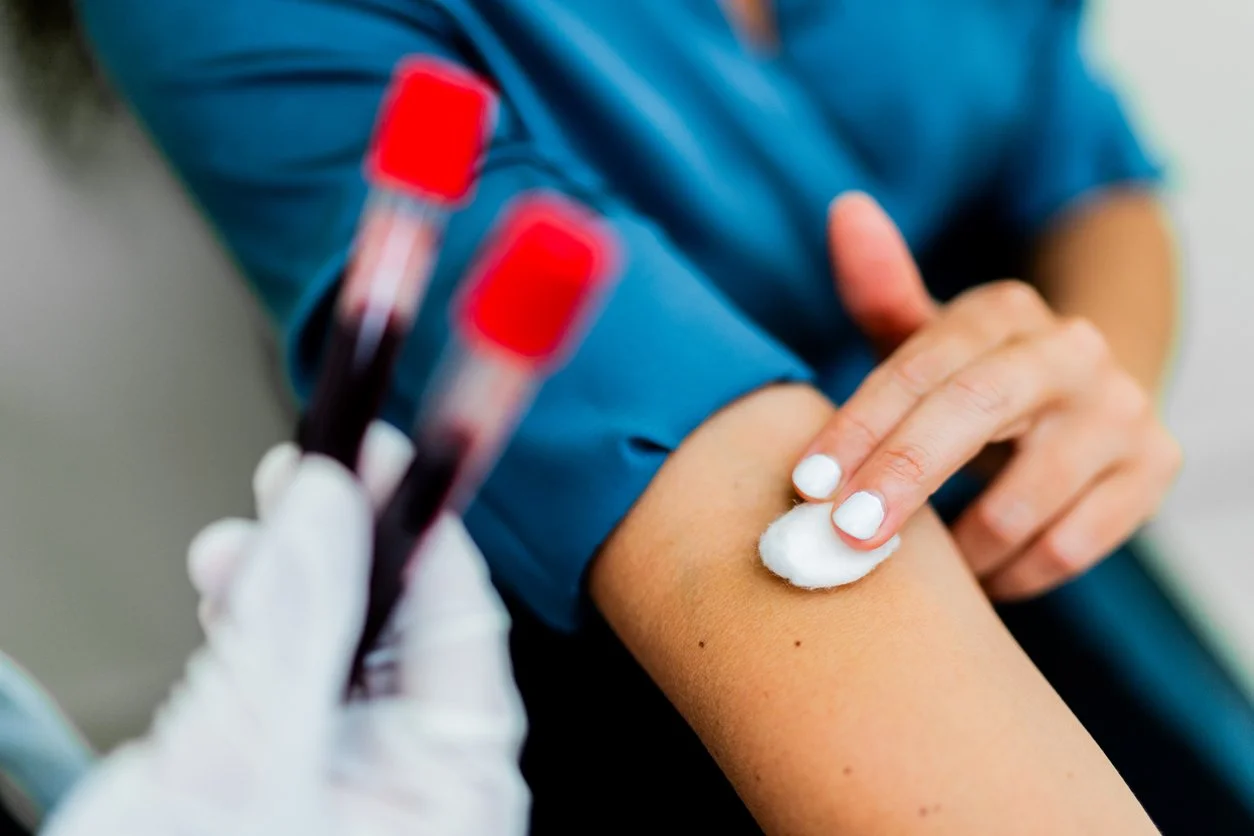
Routine estradiol monitoring is not recommended for standard hormone therapy, and the reasoning is sound.
Who I do discuss estradiol levels with
My position is narrow, and I'd like it read narrowly:
For the woman whose primary treatment goal is long-term skeletal protection — particularly early menopause, primary ovarian insufficiency, established osteopenia, or a strong personal or family fracture history — a serum estradiol level answers a question symptom relief cannot: is this regimen actually delivering estrogen, or only delivering comfort?
This is not a proposal for population-wide screening. It's a proposal that when the stakes shift from comfort to structure — and especially with transdermal therapy, where absorption variance is greatest — one number is a reasonable input alongside DXA, fracture risk assessment, symptom response, and clinical judgment.
Guidelines already accept this logic in the adjacent case. In primary ovarian insufficiency, the treatment goal is explicitly replacement rather than symptom suppression. International guidance recommends higher estrogen doses than standard postmenopausal therapy [8], and published evidence indicates standard postmenopausal dosing is inadequate for bone density in these women [9]. Nobody calls that reckless. It's the same principle: the goal sets the target, and the target sets the dose.
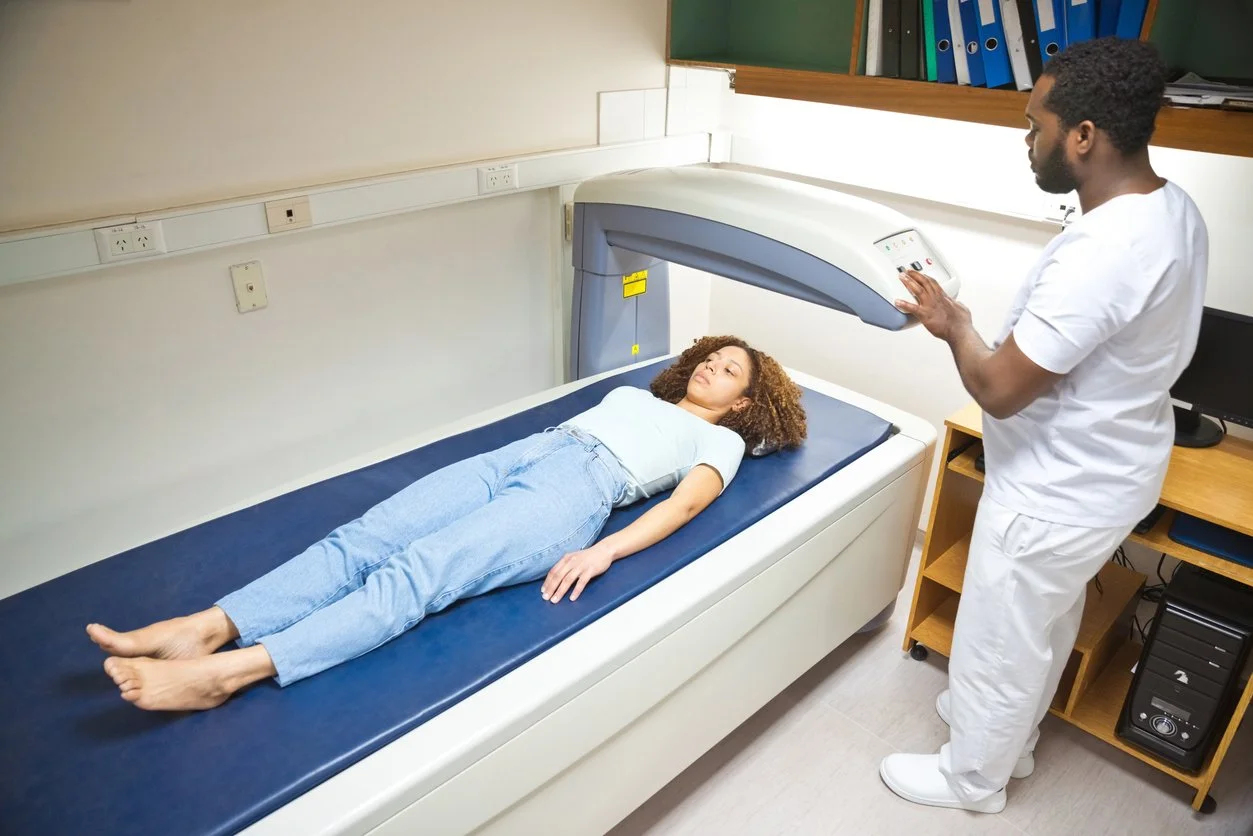
The period of fastest bone loss happens in late perimenopause, often while a woman is still years away from anyone ordering a DXA scan.
A prediction, labeled as one
I'll state this plainly as opinion rather than evidence: I believe we will look back on level-blind dosing in high-risk midlife women the way we look back on treating thyroid disease by symptoms alone.
As assays improve, as mass spectrometry becomes routine, and as we begin taking a woman's forty-year post-menopausal skeletal trajectory as seriously as her five-year symptom window, I expect selective monitoring to become standard practice for this subgroup.
I could be wrong — that's what makes it a prediction. But the direction of the evidence points one way: enormous variance at fixed dose, a plausible biological threshold, and a treatment goal that no symptom can report on.
The takeaway for midlife women
"Lowest effective dose" was built to answer the symptom question in an era of risk minimization. It answers that question well.
It was never designed to answer the bone question. And for the woman in perimenopause or early menopause whose bones are the reason she's on therapy, the most honest question is not whether she feels better.
It's whether her regimen is reaching her skeleton at all.
Frequently Asked Questions
Q: When does bone loss start in perimenopause?
A: Bone loss begins approximately one year before the final menstrual period — during late perimenopause, while a woman is still menstruating. According to SWAN data, there is no appreciable bone density decline in the five years to one year before the final period, then rapid loss begins and continues for about three years [1].
Q: How fast do women lose bone in midlife?
A: During the three-year "transmenopause" window, women lose an average of about 2.5% of lumbar spine bone density per year and 1.8% at the femoral neck [1]. Cumulative femoral neck loss across the transition reaches roughly 9%.
Q: What estradiol level is needed to protect bone?
A: Research from 1992 suggests bone resorption markers fall significantly once serum estradiol reaches approximately 60 pg/mL, with benefit clustering in the 60–90 pg/mL range [4]. Importantly, higher levels showed no additional benefit, and a 2021 NHANES analysis found an inverted U-shaped relationship inflecting near 70 pg/mL [5].
Q: Should I get my estradiol level checked on hormone therapy?
A: For most women, no — routine monitoring is not recommended, because symptom response guides dosing and assays are imperfect [2]. A level may be worth discussing if your primary treatment goal is bone protection, particularly with early menopause, primary ovarian insufficiency, existing osteopenia, or a strong fracture history.
Q: Does the same hormone patch give every woman the same estradiol level?
A: No. A 2025 study of 1,508 women found serum estradiol levels ranging from roughly 15 to 558 pg/mL among transdermal users, and nearly one in four women on the highest licensed dose still had subtherapeutic levels [6]. Absorption varies with skin, application site, body composition, and metabolism.
Q: Does a higher estrogen dose mean better bone protection?
A: No. The available data describe a threshold-and-plateau relationship rather than a linear one. Above roughly 60–90 pg/mL, studies found no additional bone benefit [4], and one analysis found the association reversed above ~70 pg/mL [5].
Sarah Bonza, MD, is a physician at Bonza Health specializing in the care of women through perimenopause and midlife. This article is educational and is not a substitute for individual medical advice. Do not change your hormone therapy dose without speaking to your own clinician.

Book a consultation with Dr. Bonza to start making sense of your hormones in midlife.
References
[1] G. A. Greendale, M. Sowers, W. Han, M. H. Huang, J. S. Finkelstein, C. J. Crandall, J. S. Lee, and A. S. Karlamangla, "Bone mineral density loss in relation to the final menstrual period in a multiethnic cohort: results from the Study of Women's Health Across the Nation (SWAN)," Journal of Bone and Mineral Research, vol. 27, no. 1, pp. 111–118, Jan. 2012, https://doi.org/10.1002/jbmr.534. PMID: 21976317.
[2] "The 2022 hormone therapy position statement of The North American Menopause Society," Menopause, vol. 29, no. 7, pp. 767–794, Jul. 2022, https://doi.org/10.1097/gme.0000000000002028.
[3] J. R. Rhodes, C. T. Alldredge, and G. R. Elkins, "Magnitude of placebo response in clinical trials of paroxetine for vasomotor symptoms: a meta-analysis," Frontiers in Psychiatry, vol. 14, art. 1204163, 2023, https://doi.org/10.3389/fpsyt.2023.1204163.
[4] J. Y. Reginster, N. Sarlet, R. Deroisy, A. Albert, U. Gaspard, and P. Franchimont, "Minimal levels of serum estradiol prevent postmenopausal bone loss," Calcified Tissue International, vol. 51, no. 5, pp. 340–343, Nov. 1992, https://doi.org/10.1007/bf00316876. PMID: 1458336.
[5] Z. Zhu, J. Zhao, Y. Fang, et al., "Association between serum estradiol level, sex hormone binding globulin level, and bone mineral density in middle-aged postmenopausal women," Journal of Orthopaedic Surgery and Research, vol. 16, art. 648, 2021, https://doi.org/10.1186/s13018-021-02799-3. PMID: 34717706.
[6] S. Glynne, D. Reisel, A. Kamal, A. Neville, L. McColl, R. Lewis, and L. Newson, "The range and variation in serum estradiol concentration in perimenopausal and postmenopausal women treated with transdermal estradiol in a real-world setting: a cross-sectional study," Menopause, vol. 32, no. 2, pp. 103–111, Feb. 2025, https://doi.org/10.1097/gme.0000000000002459.
[7] A. Shieh, A. S. Karlamangla, M. H. Huang, W. Han, and G. A. Greendale, "Faster lumbar spine bone loss in midlife predicts subsequent fracture independent of starting bone mineral density," Journal of Clinical Endocrinology & Metabolism, vol. 106, no. 7, pp. e2491–e2501, Jul. 2021. https://doi.org/10.1210/clinem/dgab279. PMID: 33903908.
[8] European Society of Human Reproduction and Embryology, Premature Ovarian Insufficiency: International Guideline. ESHRE, 2024. https://www.eshre.eu/Guidelines-and-Legal/Guidelines/Premature-ovarian-insufficiency
[9] H. Giraldo, C. Benetti-Pinto, V. Ferreira, H. Garmes, D. Yela, and P. Giraldo, "Standard hormone therapy is inadequate for bone density in premature ovarian insufficiency," Gynecological Endocrinology, vol. 33, no. 4, pp. 283–286, 2017. https://doi.org/10.1080/09513590.2016.1257602. PMID: 27910707.