The Perimenopause-Gut Connection: Why Your Digestive Health Matters During the Transition
Written and edited by Sarah Bonza MD, MPH, FAAFP, MSCP, DipABLM, NBC-HWC

Menopause is associated with lower gut microbial diversity and a shift toward a gut profile more similar to that of men.
Perimenopause, the years of hormonal evolution leading up to menopause, is a time of profound change for the entire body—especially the digestive system. As estrogen and progesterone fluctuate and ultimately decline, women often notice unexpected symptoms like bloating, irregular bowel habits, or even food intolerances.
Behind these digestive issues is a crucial player: the gut microbiome, a complex ecosystem of trillions of microbes that deeply influences hormone regulation, immune function, and even mental health. Recent research has shown that menopause is associated with lower gut microbial diversity and a shift toward a gut profile more similar to that of men.
Women now spend an estimated three decades of life post-menopause—making protective, proactive gut health a vital part of long-term wellness strategies.

As estrogen and progesterone fluctuate and ultimately decline in perimenopause, women often notice unexpected symptoms like bloating, irregular bowel habits, or even food intolerances.
The Gut Microbiome and the Estrobolome: Gatekeepers of Hormone Health
The gut microbiome performs myriad functions: digesting fiber, synthesizing vitamins, supporting immunity, and modulating inflammation. Yet, one of its most remarkable jobs is handling hormone metabolism.[1] Of particular interest is a subset of the microbiome called the estrobolome—the collection of bacterial genes capable of metabolizing estrogens. The estrobolome is the biochemical bridge between hormone health and digestive wellness.[2]
How the Estrobolome Works
Estrogens, after use in the body, are conjugated in the liver and excreted into the gut via bile. The estrobolome’s enzymes—especially β-glucuronidase—can deconjugate these estrogens, allowing them to be reabsorbed through the intestinal wall and recirculated into the bloodstream. When the estrobolome is disrupted (dysbiosis), this recycling diminishes, systemic estrogen levels drop further, and symptoms of hormone deficiency may worsen.
Lower estrogen leads to a less diverse estrobolome, reduced reactivation of estrogen, and persistent low-estrogen states.[3]
Dysregulation of the estrobolome is linked to endometriosis, certain cancers, inflammation, and worsening hormonal symptoms during perimenopause.[4].
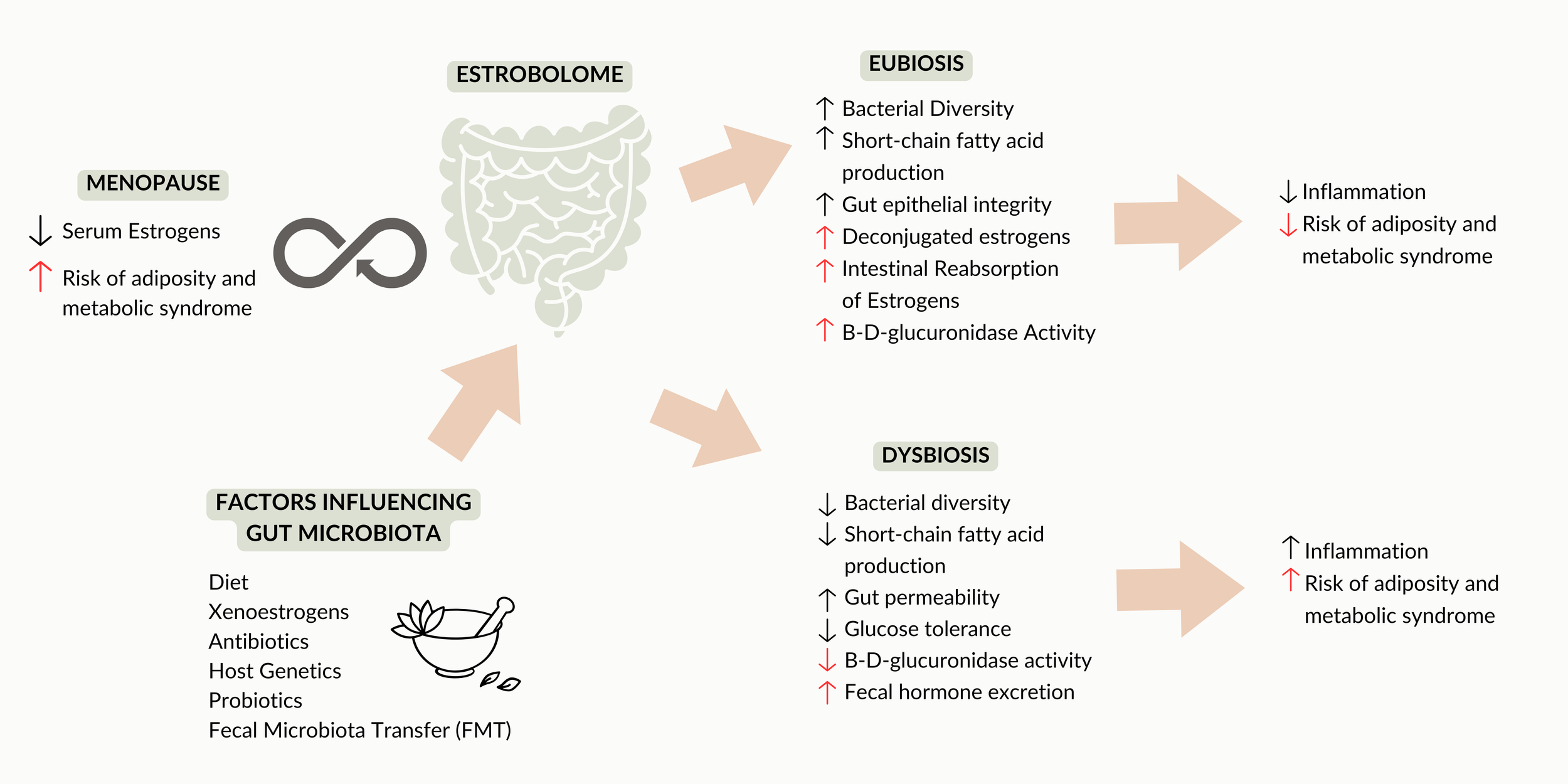
The estrobolome is the biochemical bridge between hormone health and digestive wellness.
Why Gut Diversity Matters
A diverse estrobolome supports better hormone recycling and symptom relief. Loss of microbial richness (α-diversity) is linked to increased inflammation, reduced resilience to stressors, and higher postmenopausal risk for chronic diseases such as diabetes and cardiovascular disorders.[5]
The Brain-Gut Connection: Why Digestion and Mood Are Intertwined
The “gut-brain axis” describes the constant communication between the gut microbiome and the central nervous system—via the vagus nerve, immune messengers, and biochemical signals like neurotransmitters. Hormonal transitions strongly influence both sides of this axis, and recent research confirms that perimenopause uniquely increases the risk of anxiety, depression, and cognitive symptoms due to these gut-brain interactions.[6]
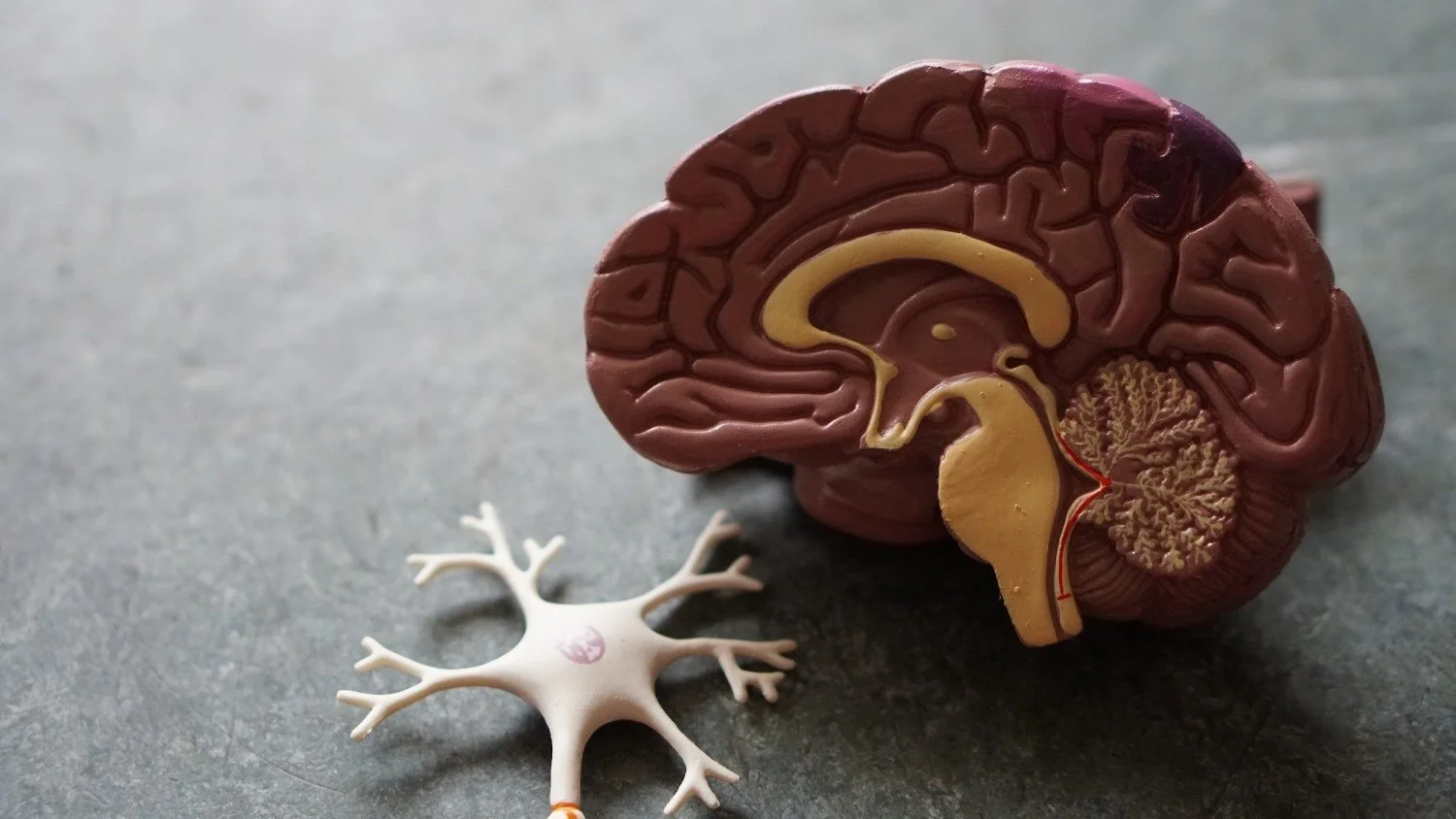
The gut produces more than 90% of the body’s serotonin and about half of its dopamine, playing a major role in mood and brain health.
Estrogen’s Role in Neurotransmitter Production
Estrogen is a master regulator, not just of reproductive tissues, but of mood and cognition. The gut produces more than 90% of the body’s serotonin and about half of its dopamine—critical neurotransmitters for emotional balance, motivation, and mental clarity.
Estrogen boosts the expression of key enzymes required for serotonin and dopamine synthesis in the gut.[7]
It upregulates gut, brain, and peripheral serotonin receptor density and function.
Declining estrogen leads to lower gut- and brain-derived serotonin and dopamine, which may explain the prevalence of mood swings, sleep disruption, and cognitive complaints during perimenopause.[8]

Perimenopause uniquely increases the risk of anxiety, depression, and cognitive symptoms due to changes in the gut microbiome.
Gut Microbiota: The “Second Brain”
Beneficial microbes help synthesize and modulate neurotransmitters like serotonin, dopamine, and gamma-aminobutyric acid (GABA). Imbalances in the gut biome directly affect neurotransmitter production and can worsen anxiety, depression, and even pain sensitivity—features many women report during menopause transition.
Changes in the Gut Microbiome During Perimenopause
Studies show that menopause is associated with:
Lower microbial α-diversity (fewer species, less resilience)
Reduction in beneficial bacteria such as Akkermansia and Ruminococcus
Increased prevalence of genera linked with inflammation or obesity (e.g., Dorea, Prevotella, Butyricimonas)
Gut communities in postmenopausal women are more similar to those of men, who typically have less diverse microbiomes and a higher risk of metabolic disease[5]
The drop in estrogen also weakens the gut barrier, a phenomenon referred to as increased gut permeability or “leaky gut.” Estrogen—and to a lesser extent, progesterone—support the tight junction proteins in the intestinal lining, helping to keep out toxins, bacteria, and inflammatory molecules. When these hormone levels decline, gut permeability can increase, leading to chronic, low-grade inflammation.
The Clinical Implications: How Gut Dysbiosis Affects Women in Perimenopause
Gut dysbiosis (microbial imbalance) and increased permeability during perimenopause amplify risks for:
Metabolic syndrome, insulin resistance, abdominal weight gain
Cardiovascular disease
Mood and cognitive disorders
Osteoporosis and bone loss, partly due to inflammation-related mechanisms and reduced calcium absorption
Menopausal Hormone Therapy and the Gut Microbiome
Preclinical and pilot studies suggest estrogen replacement may help restore beneficial gut bacteria and barrier function. There is growing interest in whether menopausal hormone therapy can mitigate some of the adverse gut changes of perimenopause, though more human research is needed in this area.

Foods like yogurt introduce and nurture healthy bacterial colonies, while berries and seeds fuel beneficial gut bacteria and support digestion.
Supporting Gut-Brain-Hormone Health: Nutrition and Lifestyle Strategies
Women can actively shape their gut and hormone health through holistic, personalized approaches:
1. Emphasize a Whole Food, Plant-Based Diet
High-fiber foods fuel beneficial bacteria, support estrobolome diversity, lower inflammation, and promote the synthesis of short-chain fatty acids (SCFAs) vital for gut barrier function.
Key foods: legumes, oats, flaxseed, leafy greens, berries, nuts, cruciferous vegetables.
2. Include Fermented and Probiotic-Rich Foods
Foods like yogurt, kefir, sauerkraut, kimchi, and miso introduce and nurture healthy bacterial colonies, supporting both mood and digestion.
3. Boost Prebiotic Intake
Prebiotics (indigestible fibers) feed beneficial microbes, promoting SCFA production and estrobolome function.
Sources: onions, garlic, leeks, artichokes, asparagus, bananas, and flaxseed.
4. Explore Phytoestrogen-Containing Foods
Soy, flaxseed, and legumes contain compounds that gently mimic estrogen—potentially supporting both hormone balance and the microbiome in perimenopausal women
These may be especially beneficial for women with lower circulating estrogen or reduced estrobolome activity
5. Avoid Dietary Disruptors
Minimize ultra-processed foods, sugars, and alcohol, which promote inflammation and disrupt both the estrobolome and the wider microbiome
6. Consider Functional Testing and Targeted Supplementation
Stool microbiome testing and functional GI panels—offered at Bonza Health—can personalize strategies by identifying dysbiosis, permeability markers, or specific nutrient needs.
Probiotic and prebiotic supplements may be indicated based on individual results and clinical context.
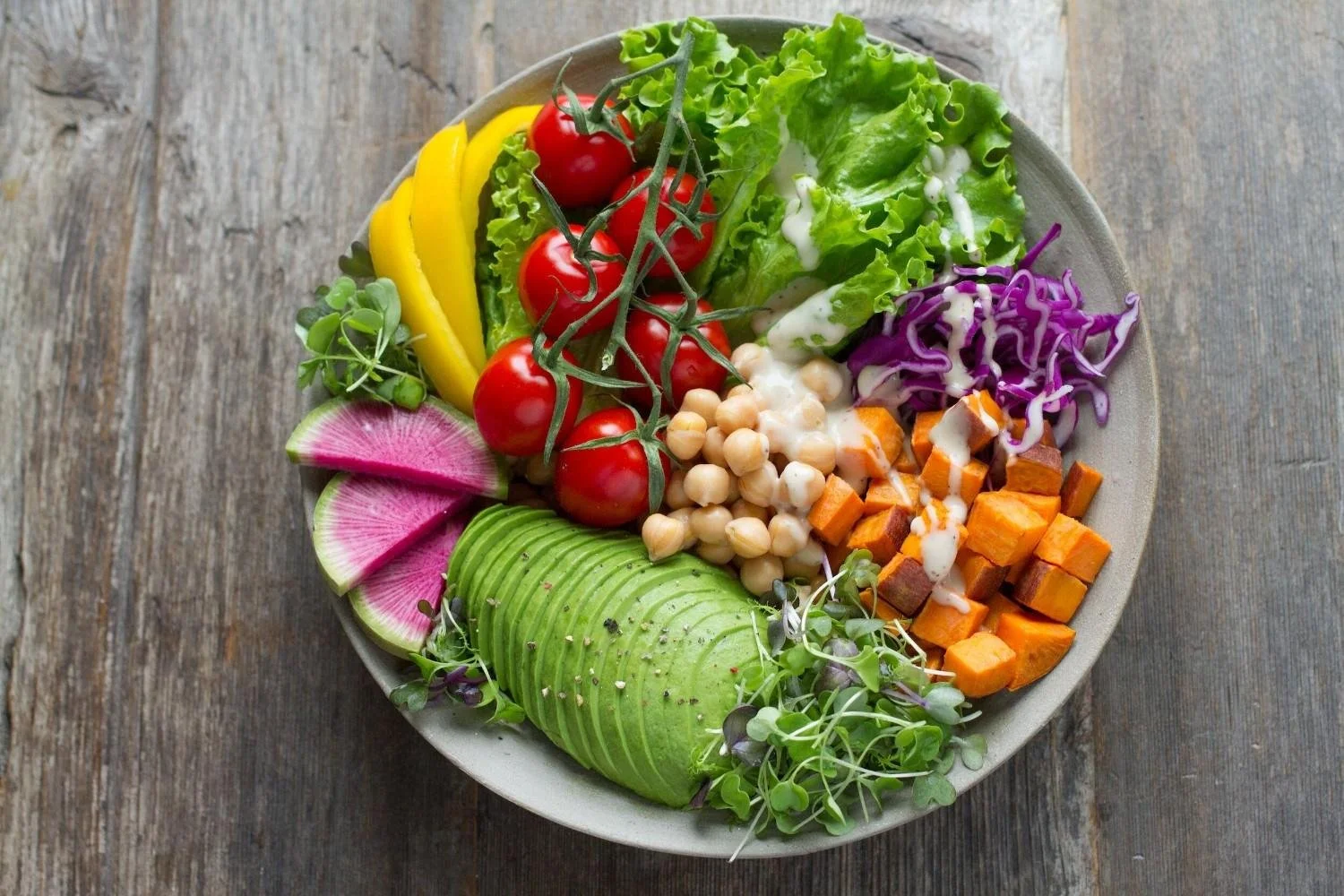
High-fiber foods fuel beneficial bacteria, support estrobolome diversity, lower inflammation, and promote the synthesis of short-chain fatty acids (SCFAs).
The Broader Impact: Preventing Chronic Disease Through the Gut
Research shows the health of the gut microbiome during perimenopause and menopause affects not just day-to-day symptoms (like bloating, mood swings, and hot flashes) but also the risk of serious, chronic diseases later in life:
Metabolic Health: Gut dysbiosis has been linked to insulin resistance, weight gain, and the development of type 2 diabetes. Women with more diverse and resilient microbiomes tend to have lower rates of these conditions.[9]
Bone Health: The gut microbiota influences absorption of minerals such as calcium and magnesium and modulates inflammation, directly impacting osteoporosis risk.[10]
Neuroprotection: Healthy gut flora and intact estrogen signaling synergistically lower the risk of Alzheimer’s disease and cognitive decline, likely via anti-inflammatory effects, improved neurotransmitter balance, and protection of brain energy metabolism.[11]
Immunity: Estrogen is immunoprotective, and its decline coupled with increased gut permeability, may promote autoimmunity and higher susceptibility to infections.[12]

The Science Behind the Brain-Gut-Estrogen Axis
Recent studies emphasize the “triple impact” of estrogen on mood, cognition, and gut health:
Estrogen upregulates serotonin and dopamine synthesis and receptor activity in both gut and brain.
Gut-derived neuroactive metabolites (e.g., SCFAs, tryptophan metabolites) communicate with the brain to influence mood, cognition, and stress resilience.
When gut health falters, not only does physical discomfort arise, but emotional and cognitive symptoms may intensify—highlighting why holistic perimenopausal care is so essential.
Animal and clinical research also demonstrate that specific probiotics (e.g., Lactobacillus, Bifidobacterium) can affect neurotransmitter levels and mood, suggesting a potential therapeutic option for depressive symptoms in perimenopausal women.

Specific probiotics, such as Lactobacillus and Bifidobacterium, can affect neurotransmitter levels and mood.
Beyond Diet: Stress, Sleep, and Movement
A truly comprehensive approach addresses more than nutrition alone:
Chronic Stress: Elevates cortisol, disrupts the gut barrier and microbiome, and reduces estrogen’s beneficial activity.
Sleep Quality: Poor sleep alters both hormones and gut flora, amplifying perimenopausal symptoms.
Physical Activity: Regular movement increases microbial diversity and reduces “permeable gut” risk, supporting both mood and metabolism.

Regular movement supports gut health and mood in perimenopause.
Action Steps: Personalizing Gut and Hormone Wellness
Work with a Specialist: Functional medicine practitioners, registered dietitians, and integrative women’s health physicians (like those at Bonza Health) can identify gut-hormone links and develop customized dietary and supplement regimens.
Test, Don’t Guess: Consider functional GI and hormone assessments to create the most targeted, effective plan.
Track Wellness Metrics: Monitor changes in digestion, mood, energy, heart rate variability, waist-to-hip ratio, and other vitality markers as part of a prevention-oriented plan.
Optimize Gut, Brain, and Hormones to Thrive in Perimenopause
The gut is truly the epicenter of perimenopausal wellness—modulating hormones, brain chemistry, metabolism, immunity, and inflammation. By optimizing the estrobolome, supporting neurotransmitter balance, and healing the gut-brain axis with nutrient-dense, anti-inflammatory foods and lifestyle strategies, women can reclaim their vitality and dramatically reduce health risks during the menopausal transition and beyond.

Ready to restore balance to your gut, brain, and hormones? Bonza Health offers cutting-edge, evidence-based support, telemedicine consultations, and individualized protocols to help you thrive at every stage.
References
[1] H. Neuman, J. W. Debelius, R. Knight, and O. Koren, “Microbial endocrinology: the interplay between the microbiota and the endocrine system,” FEMS Microbiology Reviews, vol. 39, no. 4. Oxford University Press, p. 509, Feb. 19, 2015. https://doi.org/10.1093/femsre/fuu010
[2] N. Kumari et al., “From Gut to Hormones: Unraveling the Role of Gut Microbiota in (Phyto)Estrogen Modulation in Health and Disease,” Molecular Nutrition & Food Research, vol. 68, no. 6, Feb. 2024, https://doi.org/10.1002/mnfr.202300688
[3] S. M. Ervin et al., “Gut microbial β-glucuronidases reactivate estrogens as components of the estrobolome that reactivate estrogens,” Journal of Biological Chemistry, vol. 294, no. 49, p. 18586, Oct. 2019, https://doi.org/10.1074/jbc.RA119.010950
[4] A. H.-Y. Pai, Y. Wang, P. Lu, H. Wu, J. Xu, and H.-Y. Huang, “Gut Microbiome–Estrobolome Profile in Reproductive-Age Women with Endometriosis,” International Journal of Molecular Sciences, vol. 24, no. 22, p. 16301, Nov. 2023, https://doi.org/10.3390/ijms242216301
[5] B. A. Peters et al., “Menopause Is Associated with an Altered Gut Microbiome and Estrobolome, with Implications for Adverse Cardiometabolic Risk in the Hispanic Community Health Study/Study of Latinos,” mSystems, vol. 7, no. 3, Apr. 2022, https://doi.org/10.1128/msystems.00273-22
[6] A. Verma, S. S. Inslicht, and A. Bhargava, “Gut-Brain Axis: Role of Microbiome, Metabolomics, Hormones, and Stress in Mental Health Disorders,” Cells, vol. 13, no. 17. Multidisciplinary Digital Publishing Institute, p. 1436, Aug. 27, 2024. https://doi.org/10.3390/cells13171436
[7] S. Qu et al., “Gut Microbiota Modulates Neurotransmitter and Gut-Brain Signaling,” Microbiological Research, vol. 287. Elsevier BV, p. 127858, Jul. 26, 2024. https://doi.org/10.1016/j.micres.2024.127858
[8] L. A. Rybaczyk, M. J. Bashaw, D. R. Pathak, S. M. Moody, R. M. Gilders, and D. L. Holzschu, “An overlooked connection: serotonergic mediation of estrogen-related physiology and pathology,” BMC Women s Health, vol. 5, no. 1, Dec. 2005, https://doi.org/10.1186/1472-6874-5-12
[9] D. Festi, R. Schiumerini, L. H. Eusebi, G. Marasco, M. Taddia, and A. Colecchia, “Gut microbiota and metabolic syndrome,” World Journal of Gastroenterology, vol. 20, no. 43. Baishideng Publishing Group, p. 16079, Jan. 01, 2014. https://doi.org/10.3748/wjg.v20.i43.16079
[10] J. K. Knudsen, P. D. C. Leutscher, and S. Sørensen, “Gut Microbiota in Bone Health and Diabetes,” Current Osteoporosis Reports, vol. 19, no. 4. Springer Science+Business Media, p. 462, Feb. 01, 2021. https://doi.org/10.1007/s11914-020-00629-9
[11] J. Yao and R. D. Brinton, “Estrogen Regulation of Mitochondrial Bioenergetics,” in Europe PMC (PubMed Central), European Bioinformatics Institute, 2012, p. 327. https://doi.org/10.1016/B978-0-12-394816-8.00010-6
[12] Y. Wang, A. Mishra, and R. D. Brinton, “Transitions in metabolic and immune systems from pre-menopause to post-menopause: implications for age-associated neurodegenerative diseases,” F1000Research, vol. 9, p. 68, Jan. 2020, https://doi.org/10.12688/f1000research.21599.1