The Dark Side of GLP-1s: Why Women Should Exercise Caution
Written and edited by Sarah Bonza, MD, MPH, FAAFP, MSCP, DipABLM, NBC-HWC | Bonza Health
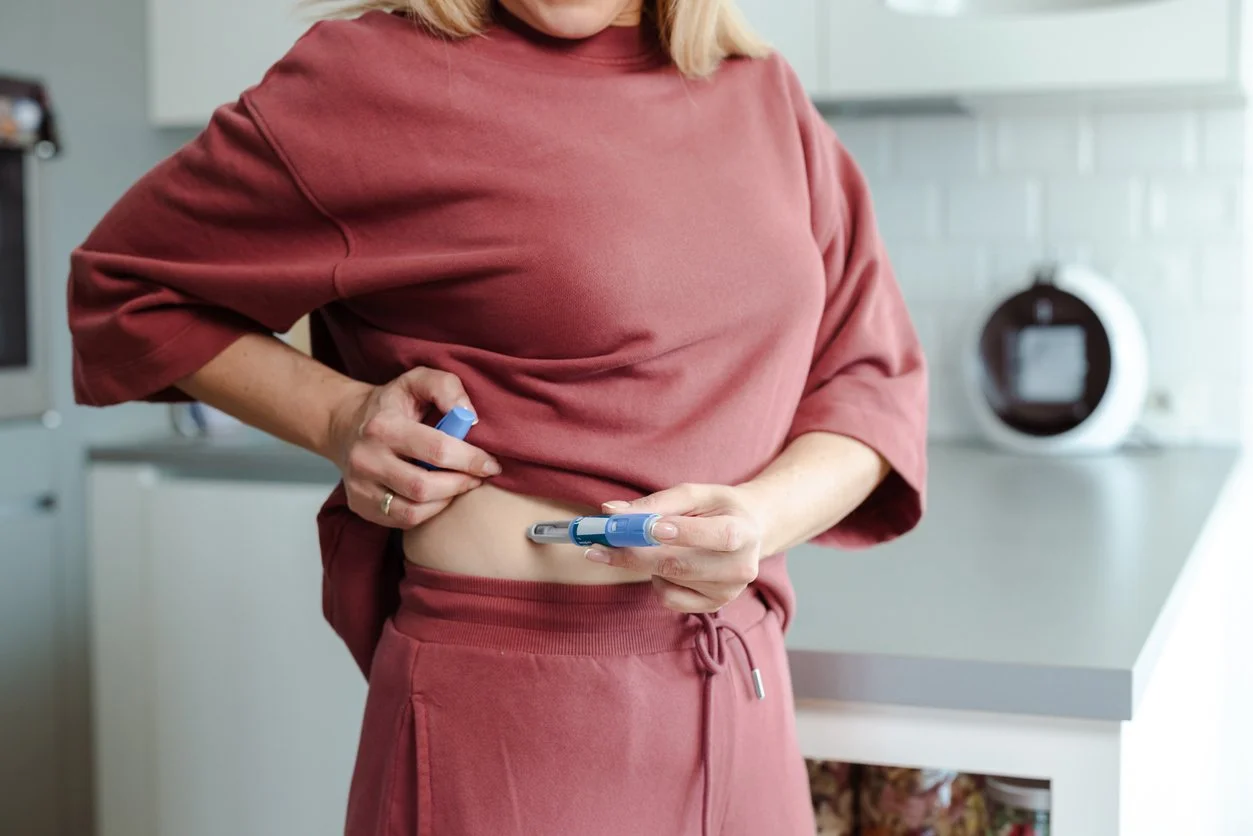
What women deserve to know before the first injection — from a physician who has stood on both sides of the prescription pad
When Mayim Bialik published her essay "My GLP-1 Nightmare" in June 2026, I realized maybe it was time to share my very similar story.
She had taken a single low dose — not for weight loss, but because three separate physicians thought it might quiet the inflammation driving her autoimmune conditions, including Graves' disease. What followed was days of explosive diarrhea, violent sulfur burps, cramping, bloating, flu-like body aches, and sneezing attacks every time she tried to eat or drink. She could not keep down a sip of water; her physician sent a nurse to her home to run IV fluids. What unsettled her most was not the illness — it was how completely unsurprised her clinicians seemed by it [1].
I recognized every line. Because in 2022, one injection landed me in the emergency department.
The one and only time I was a patient in my own ER
I had gained weight during the pandemic. I was in early perimenopause, watching my body change in ways that felt frustrating and outside my control. I am a physician; I knew the data; I decided to try semaglutide.
I took one injection.
For five days afterward, I could not tolerate anything by mouth — not food, not water, not ice chips. I retched so violently while driving myself to work at the hospital that a police officer pulled me over for erratic driving. I checked myself into the emergency department, where I had to explain to a colleague I had worked beside for years that I had done this to myself trying to lose a few pounds. I received a liter of saline, and my bloodwork showed I was in ketosis with low potassium. I was so sick I could barely stay upright to round on my own patients.
For six weeks after that single dose, I had almost no appetite. I lost about fifteen pounds. When the drug finally cleared, the hunger returned with a force I had never experienced, and I regained more than thirty pounds.
I felt deeply ashamed — not of my body, but of my vanity. I was above my ideal weight, yes. But what I had done to myself was wildly disproportionate to the problem I was trying to solve.
That was the turning point. I stopped chasing a number and started building a body that worked: strength training, metabolism focus, sleep, hormones. It was slower. It was also the only approach that ever held.
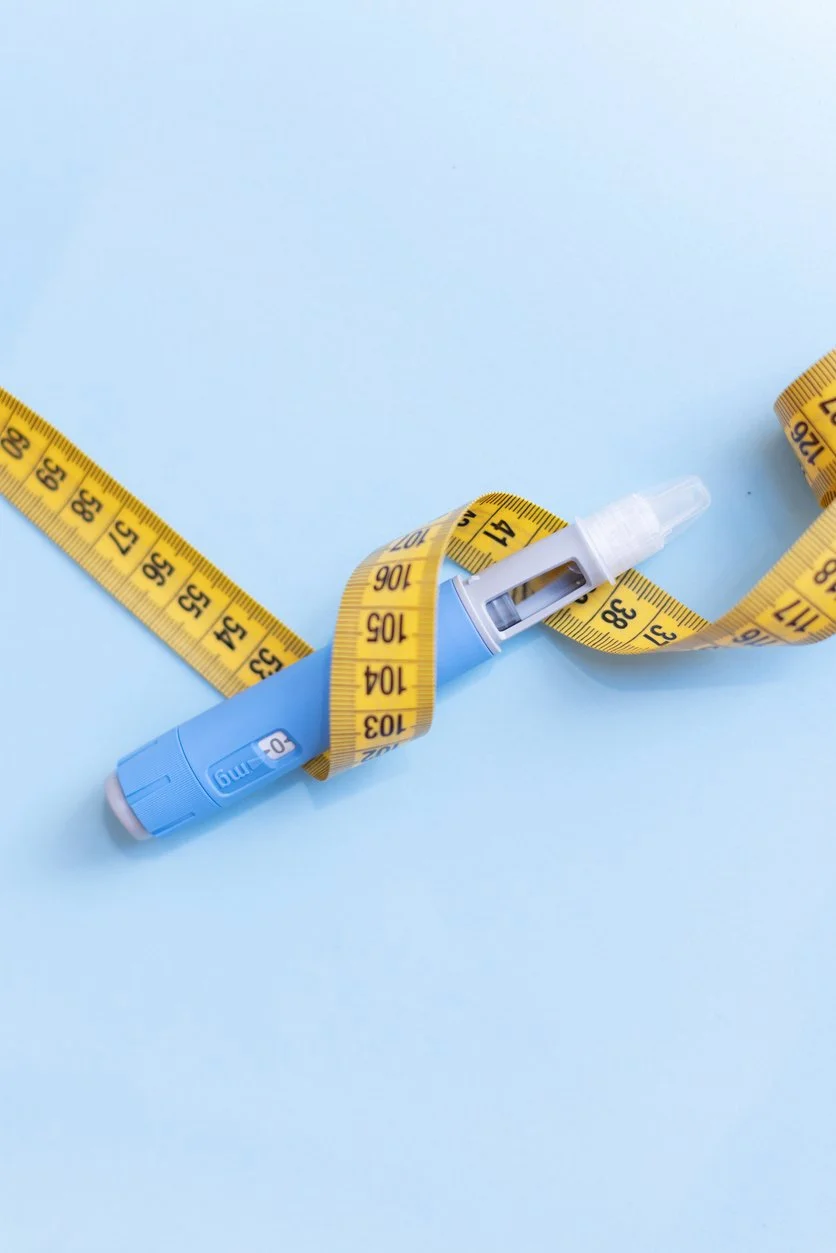
GLP-1 receptor agonists are the most effective pharmacologic tools for obesity we have ever had.
So why do I still write these prescriptions?
Because my experience is one data point, not a body of evidence.
GLP-1 receptor agonists are the most effective pharmacologic tools for obesity we have ever had. In STEP 1, semaglutide 2.4 mg produced roughly 15% mean body-weight reduction over 68 weeks [2]. The class also reduces major adverse cardiovascular events, slows diabetic kidney disease, and improves metabolic liver disease. For a patient with type 2 diabetes, established cardiovascular disease, or a BMI that is actively shortening her life, declining to offer a GLP-1 would be poor medicine. Bialik said the same: these drugs have helped people in serious need [1].
What I refuse to do is pretend the risks are trivial. I do believe this is a remarkable class of drugs, but I also feel the marketing has vastly outpaced the informed consent.
GLP-1 receptor agonists are the most effective pharmacologic tools for obesity we have ever had.
What the evidence actually shows
Gastrointestinal effects are the rule, not the exception — and women get more of them
Nausea, vomiting, diarrhea, and constipation are the most common adverse events in every trial and every real-world cohort. In the NIH All of Us cohort, 57.6% of GLP-1 users reported abdominal pain and roughly a third reported diarrhea — and every gastrointestinal event studied was more common in women than in men [3].
Roughly 70% of people taking these drugs for weight are women [4]. Women also reach higher plasma concentrations at the same milligram dose, largely because of lower body weight — and GI effects are exposure-dependent [5]. Even after adjusting for exposure, women still report more nausea and vomiting, which points to biology beyond pharmacokinetics [5]. Real-world records suggest women experience persistent nausea and vomiting at roughly two-and-a-half times the male rate, and discontinue more often [4].
Put plainly: the dose that makes a 200-pound man mildly queasy can flatten a 150-pound woman. My four days were not a freak event. They were the tail of a distribution women sit farther out on.

Gastrointestinal effects are the rule, not the exception — and women get more of them
The rare-but-serious tail
Among patients using GLP-1s specifically for weight loss, compared against bupropion-naltrexone users, adjusted hazard ratios were elevated for pancreatitis (9.09; 95% CI 1.25–66.0), bowel obstruction (4.22; 95% CI 1.02–17.4), and gastroparesis (3.67; 95% CI 1.15–11.9) [6]. Confidence intervals are wide and absolute incidence is low; later analyses adjusting for BMI have not consistently reproduced the pancreatitis signal. A meta-analysis of randomized trials did find increased gallbladder and biliary disease, rising with dose and duration [7]. I have cared for patients with GLP-1-associated pancreatitis in the hospital; it is not an abstraction to me.
Regulators have responded: ileus was added to the semaglutide label in 2023, and in November 2024 the FDA added a class warning about rare reports of pulmonary aspiration during general anesthesia or deep sedation in patients with residual gastric contents despite documented preoperative fasting [8].
Nausea, vomiting, diarrhea, and constipation are the most common adverse events in every trial and every real-world cohort.
The eye signal I cannot unsee
Non-arteritic anterior ischemic optic neuropathy (NAION) causes sudden, painless, usually permanent vision loss in one eye. There is no treatment.
A matched cohort study from a neuro-ophthalmology practice first raised the alarm in 2024 [9]. Since then, a Danish registry cohort of 424,152 people with type 2 diabetes found roughly a doubling of five-year NAION risk [10], and a Danish–Norwegian active-comparator cohort found a pooled hazard ratio of 2.81 (95% CI 1.67–4.75) — an absolute excess of about 1.4 cases per 10,000 person-years [11]. Other analyses found smaller effects or none [12], and the systematic reviews remain split.
I have one patient with permanent monocular vision loss following GLP-1 therapy. The population risk is small. Hers is 100%.
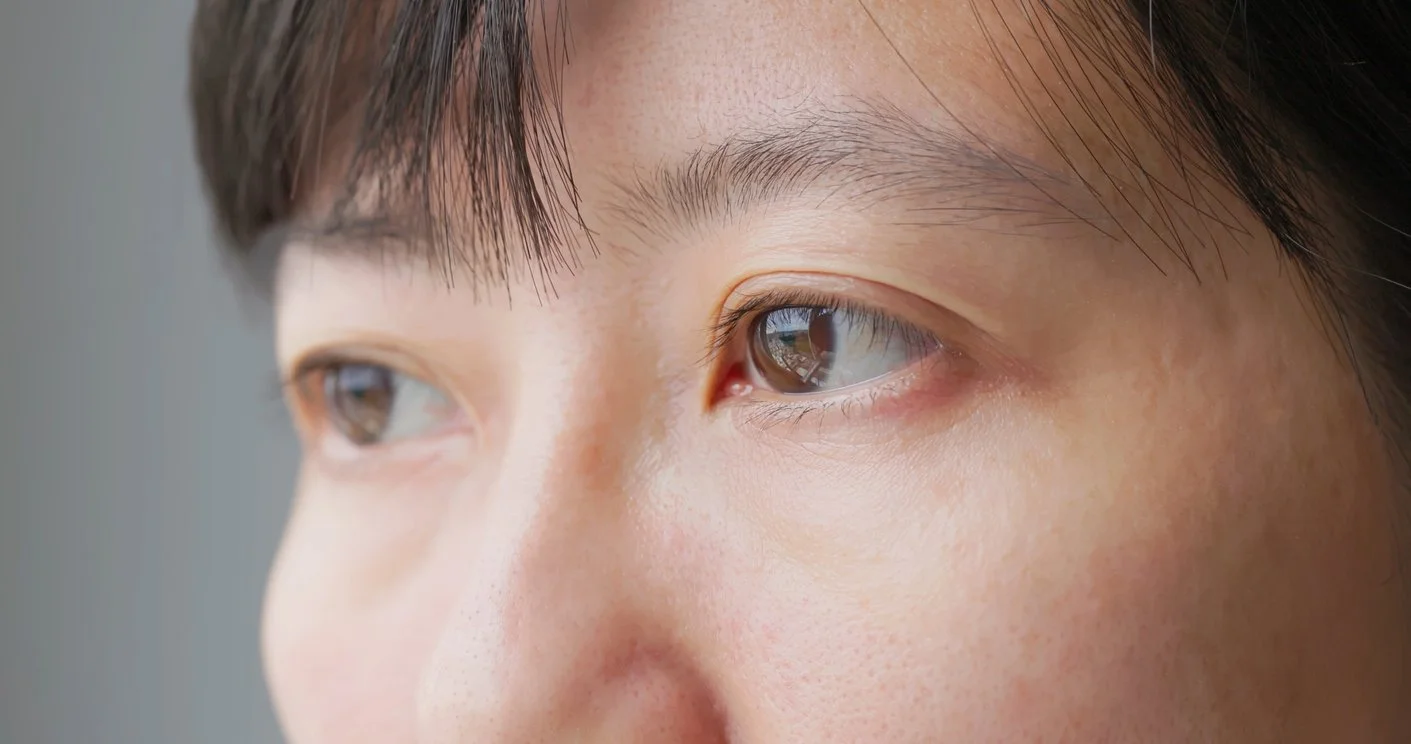
Non-arteritic anterior ischemic optic neuropathy (NAION) causes sudden, painless, usually permanent vision loss in one eye.
Muscle and bone — the part that matters most in perimenopause
Weight loss is never purely fat loss. In the SUSTAIN 8 DXA substudy, semaglutide reduced fat mass by 3.4 kg but also lean mass by 2.3 kg [13]; newer data are more reassuring, with lean mass stabilizing and grip strength improving when training is part of the plan [14].
Bone tells the same story. In a randomized trial, a year of liraglutide alone reduced bone mineral density at the hip and spine more than exercise alone did, despite similar weight loss. Exercise alone preserved BMD. Exercise plus GLP-1 was the only arm that achieved substantial weight loss and protected the skeleton [15].
Add that to the menopause transition, when women lose lean mass independent of any medication — roughly 2.5% less in perimenopausal and 5.7% less in postmenopausal women versus premenopausal — alongside accelerated bone loss and a blunted muscle-building response to protein and training [16].
A perimenopausal woman losing weight rapidly without resistance training and adequate protein is not just losing fat. She is spending down the muscle and bone she will need for the next forty years. That is the risk that worries me most, and it is almost never raised in a fifteen-minute telehealth visit.

Weight loss is never purely fat loss.
What happens when you stop — and most people stop
In the STEP 1 extension, one year after withdrawal, participants had regained two-thirds of their lost weight and cardiometabolic gains reverted toward baseline [17]. And most people do stop: a US analysis of 125,474 adults found 12-month discontinuation of 46.5% among those with type 2 diabetes and 64.8% among those without [18,19] — driven by GI side effects, cost, and perceived lack of benefit.
So the question at the start is not "will this work?" It will. The question is what is the plan for year five, and can I sustain this — financially, physically, practically? If the answer is no, rapid loss followed by rapid regain is not a neutral outcome for a woman's muscle and bone.

Most people taking GLP-1s eventually discontinue them.
Reproductive health is an afterthought in the marketing and shouldn't be
Delayed gastric emptying can impair absorption of oral medications, including contraceptives; tirzepatide labeling advises patients on oral hormonal contraception to add a barrier method or switch to a non-oral method for four weeks after starting and after each dose increase [21]. Vomiting and diarrhea compromise pill absorption independently. Meanwhile, fertility may improve as insulin resistance and ovulation improve, particularly in PCOS — which is how unplanned "Ozempic babies" happen [22]. GLP-1s are not recommended in pregnancy, and US semaglutide labeling advises stopping at least two months before planned conception.
If pregnancy would be unwelcome, do not rely on the pill alone.

Delayed gastric emptying can impair absorption of oral medications, including contraceptives.
Compounded and gray-market products are their own risk category
The FDA has alerted providers and patients to dosing errors with compounded injectable semaglutide — doses five to twenty times higher than intended, sometimes causing hospitalization — largely from confusion between milligrams, milliliters, and "units" [20]. If you are buying a GLP-1 from a website that never examined you, never ordered labs, and cannot be reached when you are vomiting at 2 a.m., the product is not your biggest problem.
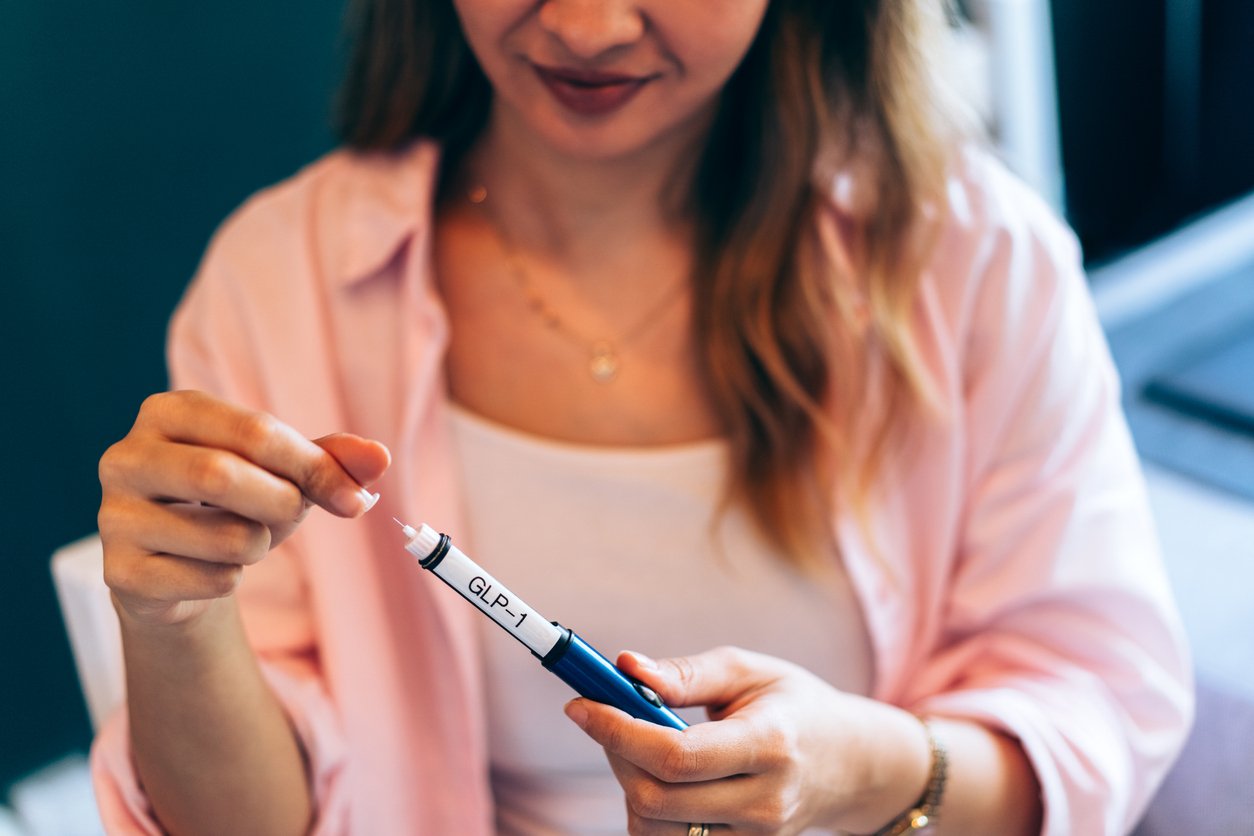
The FDA has alerted providers and patients to dosing errors with compounded injectable semaglutide.
What the evidence does not support
I want to be as rigorous about the overstated risks as the real ones. On suicidality, the European Medicines Agency's PRAC concluded in April 2024 that the evidence does not support a causal link with GLP-1s; the FDA and MHRA agreed, and a large real-world cohort found lower rates of suicidal ideation among semaglutide users [23], [24]. On thyroid cancer, the boxed warning rests on rodent C-cell tumors; human data are mixed, with a French case-control study finding increased risk after 1–3 years of use (adjusted HR 1.58; 95% CI 1.27–1.95) [25] but unable to adjust for BMI or exclude detection bias, while larger real-world reviews have not found a clear increase [18]. Personal or family history of medullary thyroid carcinoma or MEN2 remains a contraindication.
I want to be as rigorous about the overstated risks of GLP-1s as the real ones.
Why I ask women, specifically, to slow down
Three reasons. Biology: women are the overwhelming majority of users, reach higher drug exposure per milligram, report more GI toxicity, and discontinue more often — yet the trials were not designed to answer sex-specific questions and the labels carry no sex-specific dosing [4,5]. Timing: the women marketed to most aggressively, in their forties and fifties, are simultaneously in the window of fastest natural muscle and bone loss [16]. Culture: I know the difference between a patient who needs a medication and a patient who needs permission to stop hating her body. My motivation was the second; I did not need semaglutide in 2022. I needed to stop treating my body as a problem to be solved quickly.
What I actually do in clinic
I prescribe GLP-1s. I also:
Name the indication out loud. Metabolic disease is an indication. Two dress sizes is not.
Start low and titrate slowly, especially in smaller women — never on a schedule set by a coupon or a supply window.
Build the muscle and bone plan before the first injection: resistance training at least twice weekly, protein at every meal, vitamin D and calcium assessed.
Screen for personal or family history of pancreatitis, gallbladder disease, gastroparesis, medullary thyroid carcinoma or MEN2, prior bariatric surgery, optic-nerve risk factors, and disordered eating; address contraception and pregnancy intent every time; insist on FDA-approved product from a real pharmacy.
Tell every patient to report severe abdominal pain, persistent vomiting, or sudden vision change immediately, and to disclose GLP-1 use before any sedation.
Say plainly that stopping is allowed. Intolerance is information, not failure. Then let her decide — my job is to make sure the decision is informed, not to make it for her.

How I prescribe GLP-1s in clinic.
Where I landed
I would not take a GLP-1 again for the reason I took it in 2022. If I developed type 2 diabetes or cardiovascular disease tomorrow, I would reconsider — carefully, with a physician who knew my history.
That is not hypocrisy. It is what individualized medicine looks like when you are honest about it. A drug can provide excellent benefits for the right patient. I happened to use semaglutide for the wrong reason, at the wrong moment in my life.
What I want for you is the conversation I never had: a clear look at what you are treating, what it will cost your muscle and bone, what happens when you stop, and whether what you actually want is a smaller body or a healthier one. Those are not always the same request.
You deserve the whole story. Then the choice is yours.
Dr. Sarah Bonza is a board-certified family physician and the founder of Bonza Health. This article is educational and does not constitute individual medical advice. Discuss any medication decision with your own clinician.

Book your consult with Dr. Sarah Bonza at bonzahealth.com
References
[1] M. Bialik, "My GLP-1 nightmare," The Free Press, Jun. 5, 2026. [Online]. Available: https://www.thefp.com/p/mayim-bialik-glp1-side-effects
[2] J. P. H. Wilding, R. L. Batterham, S. Calanna, et al., "Once-weekly semaglutide in adults with overweight or obesity," N. Engl. J. Med., vol. 384, no. 11, pp. 989–1002, Mar. 2021, https://doi.org/10.1056/nejmoa2032183. PMID: 33567185.
[3] A. A. Alsaedi, S. Alkhamesi, et al., "Glucagon-like peptide-1 receptor agonists associated gastrointestinal adverse events: a cross-sectional analysis of the National Institutes of Health All of Us cohort," Pharmaceuticals, vol. 17, no. 2, p. 199, Feb. 2024, https://doi.org/10.3390/ph17020199.
[4] Olio Labs and Truveta Research, "Sex differences in GLP-1 signaling across species," bioRxiv, preprint, Mar. 2025, https://doi.org/10.1101/2025.03.17.643822.
[5] E. Rentzeperi, S. Pegiou, T. Koufakis, et al., "Sex differences in response to treatment with glucagon-like peptide 1 receptor agonists: opportunities for a tailored approach to diabetes and obesity care," J. Pers. Med., vol. 12, no. 3, p. 454, Mar. 2022, https://doi.org/10.3390/jpm12030454.
[6] M. Sodhi, R. Rezaeianzadeh, A. Kezouh, and M. Etminan, "Risk of gastrointestinal adverse events associated with glucagon-like peptide-1 receptor agonists for weight loss," JAMA, vol. 330, no. 18, pp. 1795–1797, Nov. 2023, https://doi.org/10.1001/jama.2023.19574. PMID: 37796527.
[7] L. He, J. Wang, F. Ping, et al., "Association of glucagon-like peptide-1 receptor agonist use with risk of gallbladder and biliary diseases: a systematic review and meta-analysis of randomized clinical trials," JAMA Intern. Med., vol. 182, no. 5, pp. 513–519, May 2022, https://doi.org/10.1001/jamainternmed.2022.0338.
[8] Novo Nordisk, OZEMPIC (semaglutide) injection: US prescribing information, Section 5.7, "Pulmonary aspiration during general anesthesia or deep sedation," US Food and Drug Administration, 2025.
[9] J. T. Hathaway, M. P. Shah, D. B. Hathaway, et al., "Risk of nonarteritic anterior ischemic optic neuropathy in patients prescribed semaglutide," JAMA Ophthalmol., vol. 142, no. 8, pp. 732–739, Aug. 2024, https://doi.org/10.1001/jamaophthalmol.2024.2296. PMID: 38958939.
[10] J. Grauslund, A. Abou Taha, L. D. Molander, et al., "Once-weekly semaglutide doubles the five-year risk of nonarteritic anterior ischemic optic neuropathy in a Danish cohort of 424,152 persons with type 2 diabetes," Int. J. Retina Vitreous, vol. 10, Dec. 2024, https://doi.org/10.1186/s40942-024-00620-x.
[11] E. Simonsen, L. C. Lund, M. T. Ernst, et al., "Use of semaglutide and risk of non-arteritic anterior ischemic optic neuropathy: a Danish–Norwegian cohort study," Diabetes Obes. Metab., vol. 27, no. 6, pp. 3094–3103, Jun. 2025, https://doi.org/10.1111/dom.16316.
[12] A. Y. Hsu, H.-T. Kuo, Y.-H. Wang, et al., "Semaglutide and nonarteritic anterior ischemic optic neuropathy risk among patients with diabetes," JAMA Ophthalmol., vol. 143, no. 5, pp. 400–407, May 2025, https://doi.org/10.1001/jamaophthalmol.2025.0349. PMID: 40146102.
[13] R. J. McCrimmon, J. P. Catarig, J. Frias, et al., "Effects of once-weekly semaglutide vs once-daily canagliflozin on body composition in type 2 diabetes: a substudy of the SUSTAIN 8 randomised controlled clinical trial," Diabetologia, vol. 63, no. 3, pp. 473–485, Mar. 2020. https://doi.org/10.1007/s00125-019-05065-8.
[14] SEMALEAN Study Investigators, "Impact of semaglutide on fat mass, lean mass and muscle function in patients with obesity: the SEMALEAN study," Diabetes Obes. Metab., 2025, https://doi.org/10.1111/dom.70141.
[15] S. B. K. Jensen, V. Sørensen, R. M. Sandsdal, et al., "Bone health after exercise alone, GLP-1 receptor agonist treatment, or combination treatment: a secondary analysis of a randomized clinical trial," JAMA Netw. Open, vol. 7, no. 6, p. e2416775, Jun. 2024, https://doi.org/10.1001/jamanetworkopen.2024.16775. PMID: 38916894.
[16] "Menopause, female sex hormones, skeletal muscle mass and muscle protein turnover in humans," J. Cachexia Sarcopenia Muscle (narrative review), 2026. https://doi.org/10.1002/jcsm.70232. PMID: 41707658.
[17] J. P. H. Wilding, R. L. Batterham, M. Davies, et al., "Weight regain and cardiometabolic effects after withdrawal of semaglutide: the STEP 1 trial extension," Diabetes Obes. Metab., vol. 24, no. 8, pp. 1553–1564, Aug. 2022, https://doi.org/10.1111/dom.14725. PMID: 35441470.
[18] R. W. Thomsen, A. Mailhac, J. B. Løhde, and A. Pottegård, "Real-world evidence on the utilization, clinical and comparative effectiveness, and adverse effects of newer GLP-1RA-based weight-loss therapies," Diabetes Obes. Metab., vol. 27, suppl. 2, pp. 66–88, Apr. 2025, https://doi.org/10.1111/dom.16364. PMID: 40196933.
[19] P. J. Rodriguez, B. M. Goodwin Cartwright, S. Gratzl, et al., "Discontinuation and reinitiation of dual-labeled GLP-1 receptor agonists among US adults with overweight or obesity," JAMA Netw. Open, vol. 8, no. 1, p. e2457349, Jan. 2025, https://doi.org/10.1001/jamanetworkopen.2024.57349. PMID: 39888616.
[20] US Food and Drug Administration, "FDA alerts health care providers, compounders and patients of dosing errors associated with compounded injectable semaglutide products," Jul. 26, 2024. [Online]. Available: https://www.fda.gov/drugs/human-drug-compounding
[21] Eli Lilly and Company, ZEPBOUND (tirzepatide) injection: US prescribing information, Section 7, "Drug interactions — oral hormonal contraceptives," US Food and Drug Administration, 2025.
[22] S. Nadarajah, "Ozempic babies: are weight loss drugs leading to unintended pregnancies?," BMJ, vol. 388, p. q2440, Jan. 2025, https://doi.org/10.1136/bmj.q2440. PMID: 39880463.
[23] European Medicines Agency, Pharmacovigilance Risk Assessment Committee, "Meeting highlights from the Pharmacovigilance Risk Assessment Committee (PRAC), 8–11 April 2024," Apr. 12, 2024.
[24] W. Wang, N. D. Volkow, N. A. Berger, P. B. Davis, D. C. Kaelber, and R. Xu, "Association of semaglutide with risk of suicidal ideation in a real-world cohort," Nat. Med., vol. 30, no. 1, pp. 168–176, Jan. 2024, https://doi.org/10.1038/s41591-023-02672-2. PMID: 38182782.
[25] J. Bezin, A. Gouverneur, M. Pénichon, et al., "GLP-1 receptor agonists and the risk of thyroid cancer," Diabetes Care, vol. 46, no. 2, pp. 384–390, Feb. 2023, https://doi.org/10.2337/dc22-1148. PMID: 36356111.