Written and edited by Sarah Bonza, MD, MPH, FAAFP, MSCP, DipABLM, NBC-HWC | Bonza Health
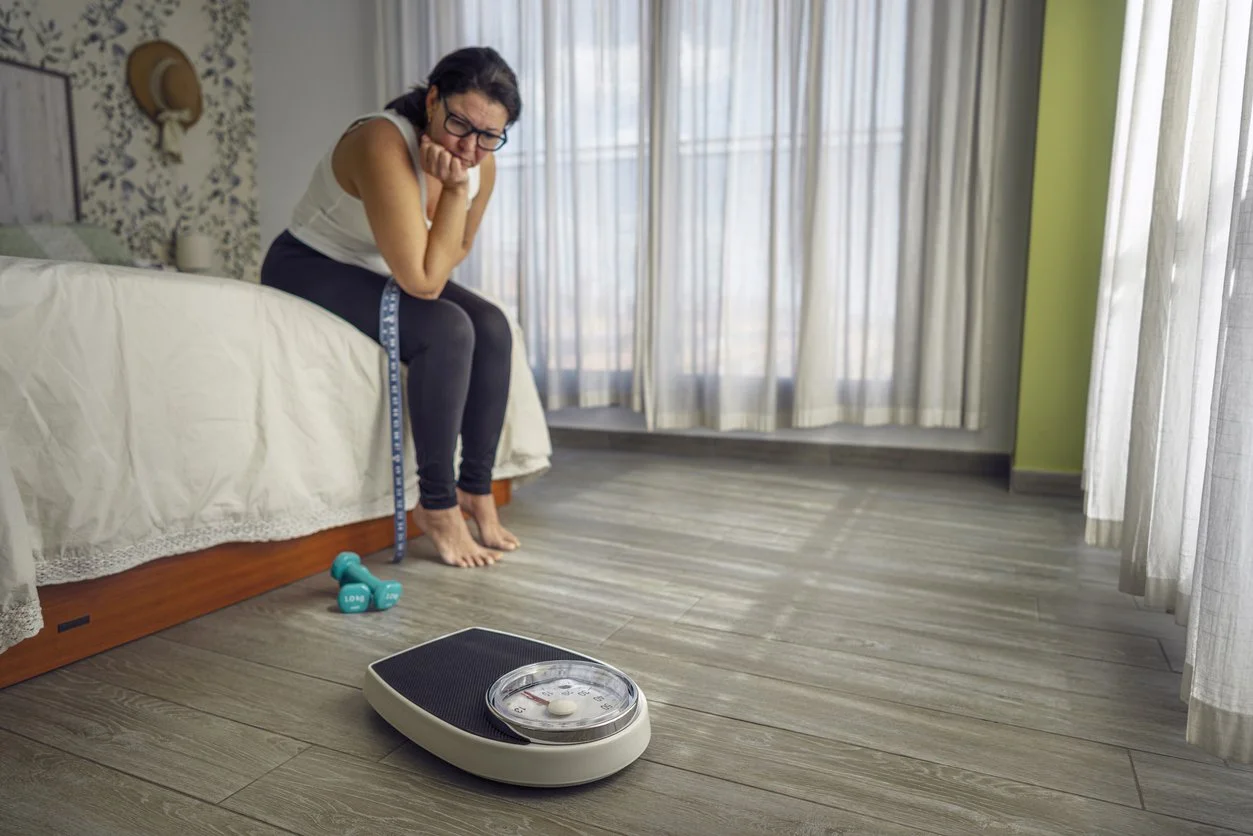
The perimenopause metabolism shift no one warned you about
You're eating better than you did in your thirties. You walk, you lift a little, you've cut back on wine. And yet your jeans don't button, a soft roll has settled around your middle that was never there before, and your last bloodwork came back with a cholesterol number your doctor "wants to keep an eye on."
If that sounds familiar, I want you to hear this first: Your habits have not stopped working. Your body just is not as responsive as it once was.
Perimenopause, the years of fluctuating and eventually declining hormones before your final period, is one of the biggest metabolic transitions of a woman's life. Understanding what is happening inside your body is the difference between quitting in frustration and adjusting your strategy so your effort finally shows up.
Estrogen Was Doing More Than You Knew
Most of us were taught that estrogen is a reproductive hormone. It is also a metabolic one. Estrogen influences where your body stores fat, how your body handles cholesterol, and how your muscles respond to exercise and repair themselves [1-2].
During your reproductive years, estrogen tends to direct fat toward the hips and thighs. That fat sits just under the skin and is relatively harmless metabolically. Researchers point to this difference in fat storage as one reason premenopausal women tend to have lower cardiometabolic risk than men of the same age [1].
As estrogen becomes erratic and then falls, that protection fades. Three things begin to change at once, and together they explain almost every frustration I hear from women in my practice.
Estrogen influences where your body stores fat, how your body handles cholesterol, and how your muscles respond to exercise and repair themselves [1-2].
Change #1: Fat Moves to Your Middle
The first change isn't necessarily how much fat you have. It's where the fat goes.
Fat begins migrating to your abdomen, and specifically to visceral fat: the deep fat that wraps around your liver, intestines, and other organs. Visceral fat is not a cosmetic issue. It is metabolically active tissue linked to insulin resistance, inflammation, and heart disease.
The American Heart Association's scientific statement on the menopause transition describes this shift directly: the transition brings an increase in central fat and a redistribution of fat toward the trunk, beyond what aging alone explains [3].
This is why the scale can feel misleading. You may have gained only a few pounds, yet your waistline has grown and your shape has changed. It's also why the old playbook of eating less and doing more cardio often stops working here. That playbook was built for a different hormonal environment.
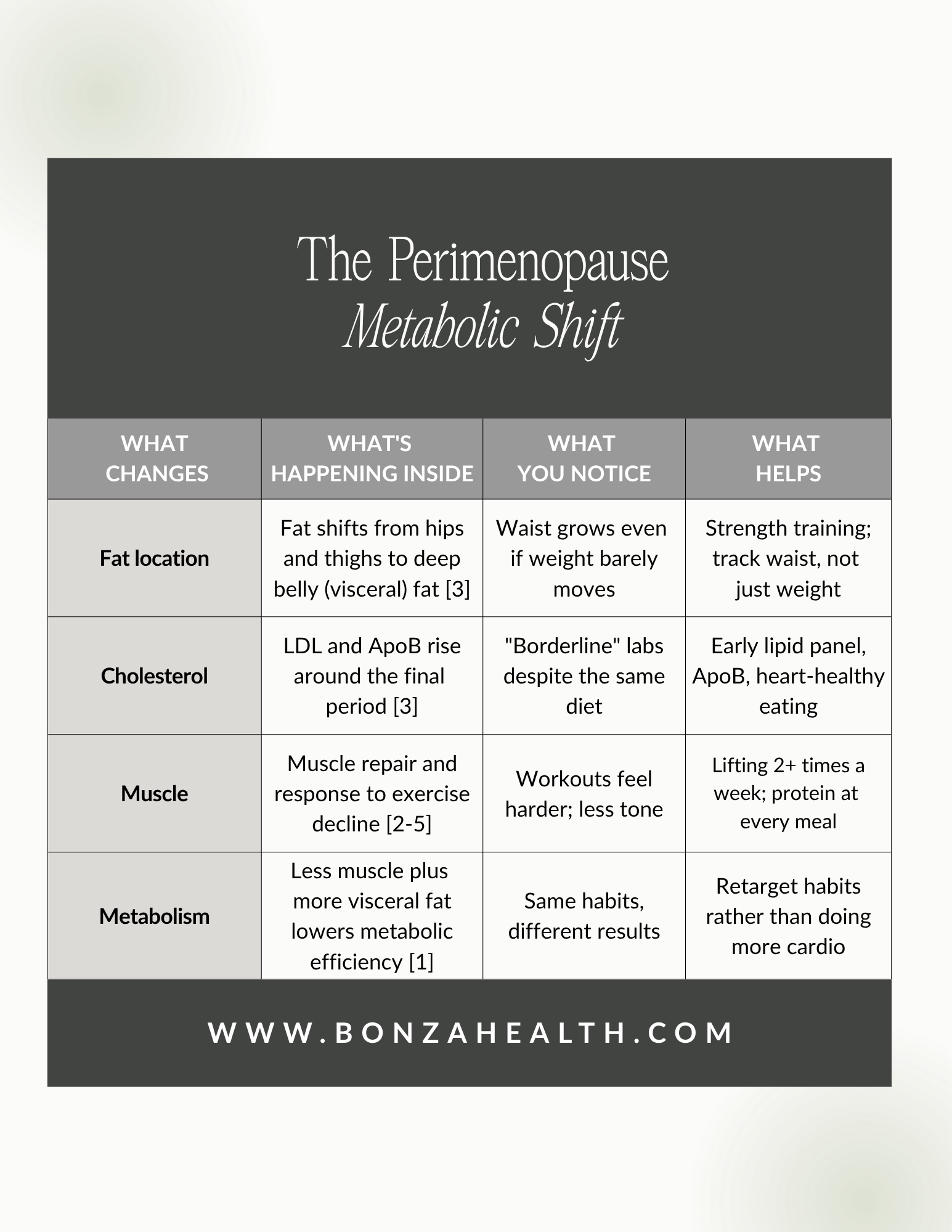
Table 1. The Perimenopause Metabolic Shift
Change #2: Your Cholesterol Creeps Up
Many women are surprised when their cholesterol rises even though their diet hasn't changed. You're not imagining it. The AHA statement notes that LDL cholesterol (the "bad" cholesterol) and apolipoprotein B rise around the final menstrual period, a change tied to the menopause transition itself rather than simply getting older [3]. HDL, the "good" cholesterol, may also become less protective during this time, even if the number looks fine on paper [3].
Put simply, the hormonal shift changes how your body handles cholesterol. Add more visceral fat, and you have a setup for rising cardiovascular risk, a risk that in women often goes underappreciated until years later.
That is exactly why the AHA calls the menopause transition a critical window for early prevention, not something to simply wait out [3].

Many women are surprised when their cholesterol rises even though their diet hasn't changed.
Change #3: Muscle Quietly Slips Away
The third change is the one few people talk about, and it makes the other two worse.
Estrogen supports muscle in several ways. It helps muscle repair after exercise, supports mitochondrial function (your cells' energy factories), and appears to affect how well muscle responds to the work you put in [2,4]. As estrogen falls, many women find it harder to build and keep muscle [5].
Why does that matter for your weight? Muscle is your body's largest destination for blood sugar and a major driver of metabolic health. Less muscle means a less efficient metabolism, which makes it easier for fat to accumulate even when you eat the way you always have.

Table 2. Hormone Therapy and Your Body: What the Research Shows
So Where Does Hormone Therapy Fit?
This is the question I'm asked most often, and the research gives a clear but nuanced answer.
On fat, the evidence is strong. In the OsteoLaus cohort of more than 1,000 women, current users of menopausal hormone therapy (MHT) had less visceral fat, less abdominal fat, and a lower BMI than women who had never used it. Over ten years, users were largely spared the visceral fat gain seen in non-users [6]. A meta-analysis found hormone therapy reduced waist circumference and abdominal fat in women without diabetes [7], and a 2022 meta-analysis found it reduced fat mass compared with placebo [8].
Timing and type matter. In the Baltimore Longitudinal Study of Aging, hormone therapy users over 60 gained about 869 grams (roughly 2 pounds) less fat per year than non-users, though that advantage faded by the 70s and 80s [9]. In a two-year trial, oral estradiol with dydrogesterone was the only regimen that prevented the shift toward central fat; transdermal estradiol, tibolone, and no treatment all drifted toward the middle [10]. That doesn't make oral therapy automatically better. The route also affects other risks, such as blood clots and triglycerides, which is why this is an individual decision.
There's also a catch. In OsteoLaus, past users did not keep the fat benefits [6]. The effect seems to last only while therapy continues.
On muscle, the evidence is honestly modest. A JAMA Network Open meta-analysis of randomized trials found hormone therapy users lost just 0.06 kg less lean mass than women not taking it, a difference that was not statistically significant [11]. OsteoLaus also found no difference in lean mass or grip strength [6]. Some research suggests small strength benefits even without bigger muscles [2], and a Korean national survey linked longer hormone therapy use with 40% lower odds of sarcopenia (age-related muscle loss), most clearly in women under 65 [12]. Overall, though, the muscle research is low quality, and any effect appears small [5,11].
One more important note: most of these studies were done in postmenopausal women, not women still in perimenopause. Researchers suggest muscle benefits may be greater when therapy starts earlier, in perimenopause or early menopause [4-5], but that is still being studied.
My takeaway: Hormone therapy can be a powerful tool for where fat goes. It is not a muscle builder, and it is not a weight-loss drug. For women who are good candidates, it can help your healthy habits work better. It does not replace them.
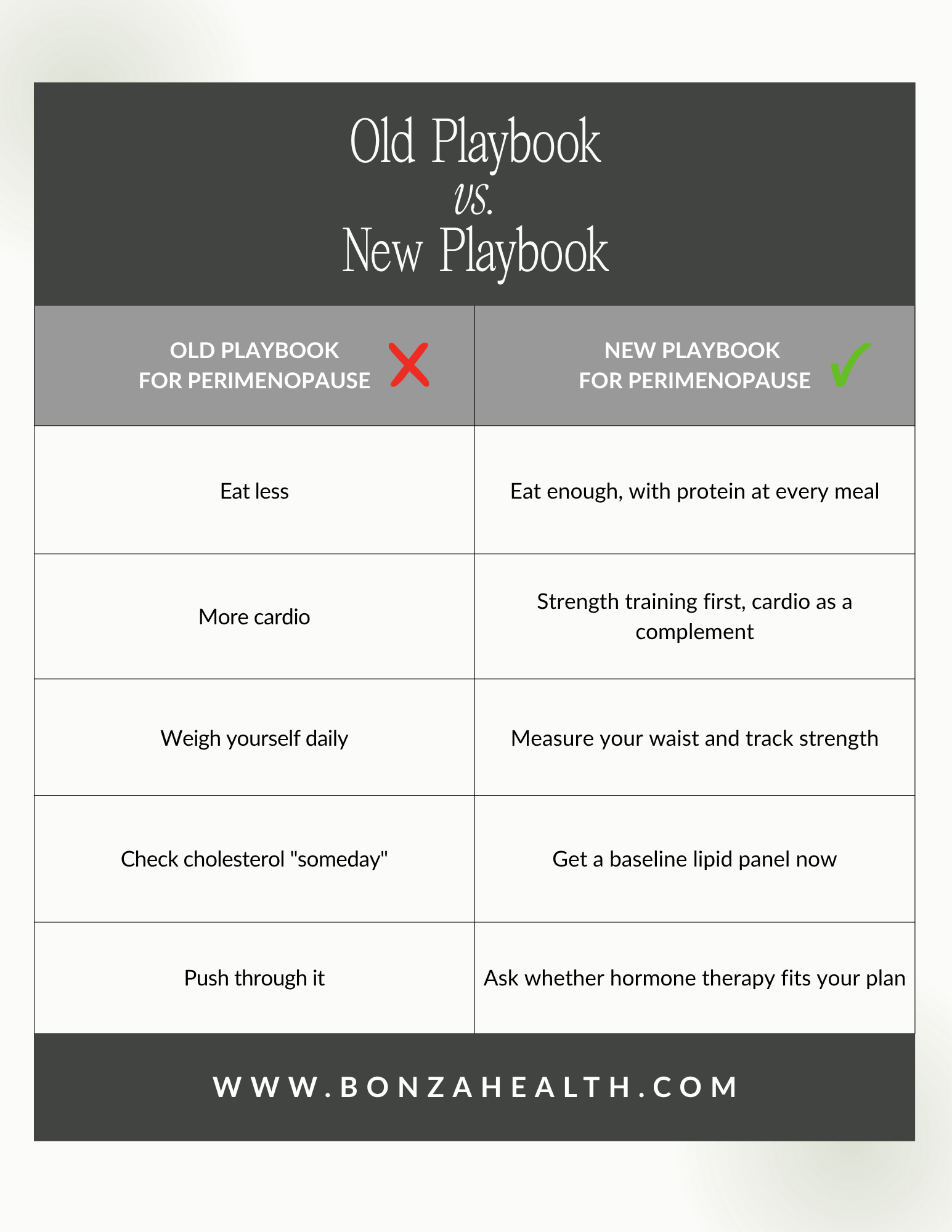
Table 3. Old Playbook vs. New Playbook
Why Your Habits Still Matter (and How to Retarget Them)
Here's the reframe I want you to leave with: your habits haven't failed. They may be holding back changes that would otherwise be worse. But they likely need to be retargeted for the body you have now.
Make strength training non-negotiable. Because hormone therapy doesn't reliably preserve muscle, resistance exercise remains the evidence-based backbone for protecting it [5,11]. Train every major muscle group at least twice a week with weights that feel challenging by the last few reps. Notably, a 2022 meta-analysis ranked hormone therapy combined with exercise as the most effective approach for reducing fat while maintaining lean mass [8].
Prioritize protein. The way your muscles build and break down protein changes around menopause [5]. Build each meal around a quality protein source instead of treating it as an afterthought.
Make cardio a complement, not the whole plan. Walking and aerobic exercise are great for your heart. But hours of cardio paired with aggressive calorie cutting can speed up muscle loss, the opposite of what you need.
Stop letting the scale run the show. Track your waist measurement, how your clothes fit, your strength, and your lab work. These reflect visceral fat and metabolic health far better than body weight alone.
Know your numbers early. Ask for a lipid panel during perimenopause, not years later. Ask whether ApoB, fasting glucose or HbA1c, and blood pressure should be checked too. Because the cholesterol rise clusters around the final period [3], checking now gives you a baseline.
Have the hormone conversation. If you're struggling with symptoms and body changes, talk with a clinician experienced in menopause care about whether hormone therapy makes sense for you, including the route, the timing, and your personal risk profile.
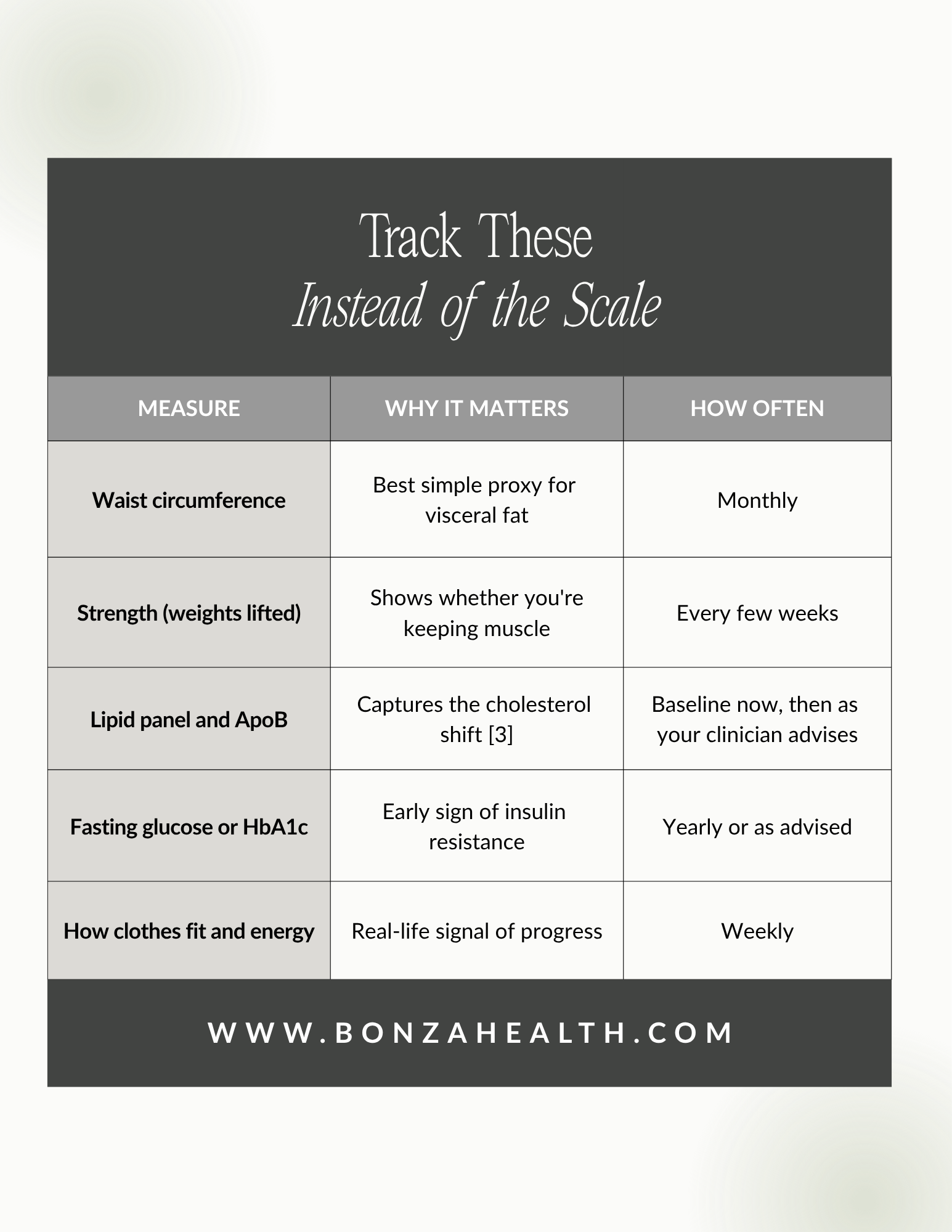
Table 4. Track These Instead of the Scale
The Bottom Line
If you've been doing "everything right" and still watching your waist expand and your cholesterol climb, you're not imagining it, and you're not lazy. Your body is moving through a well-documented metabolic transition driven by changing hormones.
The goal now isn't to try harder at the old plan. It's to work smarter with a new one: protect your muscle, watch your waist instead of the scale, check your labs early, and have an informed conversation about whether hormone therapy belongs in your toolkit.
Perimenopause isn't the end of feeling strong in your body. It's a signal that it's time for a new strategy.
This article is for educational purposes and is not a substitute for personalized medical advice. Talk with your healthcare provider about your individual situation.
Learn more about the Bonza Health Method
References
[1] G. H. Goossens, J. W. E. Jocken, and E. E. Blaak, "Sexual dimorphism in cardiometabolic health: The role of adipose tissue, muscle and liver," Nat. Rev. Endocrinol., vol. 17, no. 1, pp. 47–66, 2021. https://doi.org/10.1038/s41574-020-00431-8
[2] A. Pellegrino, P. M. Tiidus, and R. Vandenboom, "Mechanisms of estrogen influence on skeletal muscle: Mass, regeneration, and mitochondrial function," Sports Med., 2022. https://doi.org/10.1007/s40279-022-01733-9
[3] S. R. El Khoudary et al., "Menopause transition and cardiovascular disease risk: Implications for timing of early prevention: A scientific statement from the American Heart Association," Circulation, vol. 142, no. 25, pp. e506–e532, 2020. https://doi.org/10.1161/cir.0000000000000912
[4] P. M. Tiidus, D. A. Lowe, and M. Brown, "Estrogen replacement and skeletal muscle: Mechanisms and population health," J. Appl. Physiol., vol. 115, no. 5, pp. 569–578, 2013. https://doi.org/10.1152/japplphysiol.00629.2013
[5] C. Menzies, R. Bowtell, N. Shur, and M. S. Brook, "Menopause, female sex hormones, skeletal muscle mass and muscle protein turnover in humans," J. Cachexia Sarcopenia Muscle, 2026. https://doi.org/10.1002/jcsm.70232
[6] G. E. Papadakis et al., "Menopausal hormone therapy is associated with reduced total and visceral adiposity: The OsteoLaus cohort," J. Clin. Endocrinol. Metab., vol. 103, no. 5, pp. 1948–1957, 2018. https://doi.org/10.1210/jc.2017-02449
[7] S. R. Salpeter et al., "Meta-analysis: Effect of hormone-replacement therapy on components of the metabolic syndrome in postmenopausal women," Diabetes Obes. Metab., vol. 8, no. 5, pp. 538–554, 2006. https://doi.org/10.1111/j.1463-1326.2005.00545.x
[8] L. Shi, X. Xu, G. Xiang, and S. Duan, "Anti-osteoporosis treatments changed body composition in postmenopausal women: A systematic review and meta-analysis," Medicine, 2022. https://doi.org/10.1097/md.0000000000030522
[9] E. Ghotbi et al., "Hormone replacement therapy and muscle loss: Repeated measures analysis from the Baltimore Longitudinal Study of Aging using DXA," Skeletal Radiol., 2025. https://doi.org/10.1007/s00256-025-05018-w
[10] W. Hänggi, K. Lippuner, P. Jaeger, M. H. Birkhäuser, and F. F. Horber, "Differential impact of conventional oral or transdermal hormone replacement therapy or tibolone on body composition in postmenopausal women," Clin. Endocrinol., vol. 48, no. 6, pp. 691–699, 1998. https://doi.org/10.1046/j.1365-2265.1998.00481.x
[11] A. A. Javed, A. J. Mayhew, A. K. Shea, and P. Raina, "Association between hormone therapy and muscle mass in postmenopausal women: A systematic review and meta-analysis," JAMA Netw. Open, vol. 2, no. 8, Art. no. e1910154, 2019. https://doi.org/10.1001/jamanetworkopen.2019.10154
[12] S. W. Kim and R. Kim, "The association between hormone therapy and sarcopenia in postmenopausal women: The Korea National Health and Nutrition Examination Survey, 2008–2011," Menopause, vol. 27, no. 5, pp. 506–511, 2020. https://doi.org/10.1097/gme.0000000000001509