

Bonza Health Blog
Gain the tools and understanding you need to help manage the challenges of perimenopause and beyond.
Women experiencing perimenopause or menopause can reclaim their health and vitality. At Bonza Health, we help women see hormone changes as a natural midlife transition and provide the doctor-backed information women need to navigate hormonal health conditions with confidence.
Check out our latest blog posts from our leading physician’s best tips and tools for easing hormonal symptoms, special announcements on our courses and services, and much more! Be a part of our ever-growing community of like-minded women who are thriving in health -- even with perimenopause or menopause conditions.






Oxytocin for Perimenopause: The "Love Hormone" That May Help Libido, Mood, and Vaginal Atrophy
Oxytocin is a nine–amino-acid peptide hormone produced in the hypothalamus and released by the posterior pituitary gland. Most of us learned about it in two contexts: labor and breastfeeding. Synthetic oxytocin (Pitocin) has been used clinically for more than fifty years to induce contractions and support milk letdown. What we didn't learn in medical school is that oxytocin receptors are found throughout the body — in the brain, the cardiovascular system, the gut, the bones, the skin, and the vaginal epithelium. This receptor distribution is the reason oxytocin has been investigated for an unusually wide range of conditions: chronic pain, social anxiety, postpartum depression, autism spectrum traits, gastroparesis, weight regulation, and — most relevant to us — sexual function and vaginal tissue health in women.

Building Bones for Life: A Perimenopausal Woman's Guide to Preventing Osteoporosis
By the time many women notice their first hot flash or skipped period, their bones have already started a quiet countdown. In the years surrounding menopause, women can lose up to 10% of their bone mass — and the steepest decline begins in perimenopause, often before any "official" diagnosis of menopause is made. The good news? This is also when intervention works best. Bone is living tissue. It responds — sometimes dramatically — to mechanical loading, hormonal signaling, and the right micronutrients. This guide covers the four pillars of perimenopausal bone protection: strategic exercise, whole-body vibration, early estradiol therapy, and targeted nutrient support (vitamin D3 with K2) — all backed by peer-reviewed evidence.
Why FSH Is Not a Reliable Indicator of Perimenopause—And What Is
Many women entering perimenopause are told by their clinicians that a single follicle-stimulating hormone (FSH) blood test will determine whether they are in the menopausal transition and whether they are candidates for menopause hormone therapy (MHT). This practice is widespread, but it is not supported by current evidence or by leading menopause guidelines. Understanding why requires a clear look at what FSH is, how it behaves during perimenopause, and what measures actually correlate with both menopausal status and the likelihood of benefit from treatment.

Your Body in Transition: A System-by-System Guide to Perimenopause
Yesterday, a patient in her early forties sat across from me describing something she had never experienced before: her heart would suddenly race for no apparent reason, jolting her awake at 2 a.m. She could not fall back asleep. She felt foggy at work. She wondered if something was seriously wrong. Nothing was wrong with her heart. What she was experiencing were some of the earliest signals of perimenopause. The purpose of this blog is to walk you through the major body systems affected by perimenopause and to show you what to expect at each phase. My hope is that by understanding these changes, you will feel empowered rather than frightened, and that you will recognize the signals your body is sending you as it moves through this natural, but sometimes disorienting, transition.

Your Gut, Neurotransmitters, and Perimenopause: What Every Woman Should Know
In our last blog, we discussed how the erratic estrogen fluctuations of perimenopause disrupt the production of serotonin and dopamine — two neurotransmitters essential for mood, motivation, sleep, and emotional well-being. The good news is that in addition to hormone therapy, there are evidence-based nutritional supplements that can support your body’s ability to produce these critical brain chemicals.
The Truth About Perimenopause and Your Mood
Last week, a patient sat in my office and told me a story I have heard far too many times. She was 42 years old. Over the past year, she had developed new-onset anxiety and depression that felt unlike anything she had experienced before. She went to four different doctors. Each one had a different recommendation. One said it was stress. Another prescribed an antidepressant. A third suggested therapy. Her gynecologist told her she was “too young” for hormonal changes and dismissed her concerns entirely. She asked every single one of them about her hormones. Not one took her seriously. Unfortunately, her story is not unique. It is the story of millions of women whose early perimenopausal hormonal shifts are dismissed, overlooked, or misattributed to life circumstances.

Navigating the Intersection of PCOS & Perimenopause
Polycystic ovary syndrome (PCOS) is one of the most prevalent endocrine disorders affecting women of reproductive age, impacting an estimated 8-13% of women worldwide. For decades, it has been framed primarily as a fertility issue. But PCOS is, at its core, a lifelong metabolic condition, and nowhere does that become more apparent than when it collides with perimenopause. This blog is for the woman who has been told she 'may outgrow her PCOS'—you haven't. It is for the woman entering her 40s noticing new weight gain, worsening insulin resistance, and irregular cycles being dismissed as 'just perimenopause.' Your body is telling you something. Let's listen.
The Hidden Value of Lab Testing in Perimenopause: A Clinical Perspective on Prescribing Hormone Therapy
If you've been told your labs are "normal" while experiencing brain fog, night sweats, crippling anxiety, or sleep disturbances, you're not imagining things. You are not crazy. And you're certainly not alone. At Bonza Health, we hear this story constantly: women in their late 30s, 40s, and early 50s who know something has changed in their bodies seek help from their healthcare providers, only to be told that because their FSH isn't elevated or their estradiol looks "fine," they don't need hormone therapy. They're sent home with suggestions to reduce stress, exercise more, or consider an antidepressant.

Getting Menopausal Hormone Therapy Right: Why the Details Matter
If you're waking up multiple times a night drenched in sweat, unable to fall back asleep, and feeling exhausted all day, you're not alone. For many women going through menopause, severe sleep disruption is more debilitating than hot flashes. Yet the conversation around menopausal hormone therapy often oversimplifies the solution. The truth is, not all hormone therapy is created equal. The type of hormones you use, how they're delivered, and when you start them can mean the difference between relief and continued suffering, or even between safety and risk.

Why You Struggle to Burn Fat in Menopause (Even If You Lift Weights)
We tend to think of estrogen solely as a reproductive hormone—the thing that gives us periods and helps us make babies. But estrogen is actually a powerhouse metabolic regulator. It dictates how your body burns energy, where it stores fat, and how it responds to insulin. During the transition into menopause, your ovaries stop producing consistent levels of estradiol. This drop does far more than trigger hot flashes; it flips a switch in your metabolic engine.
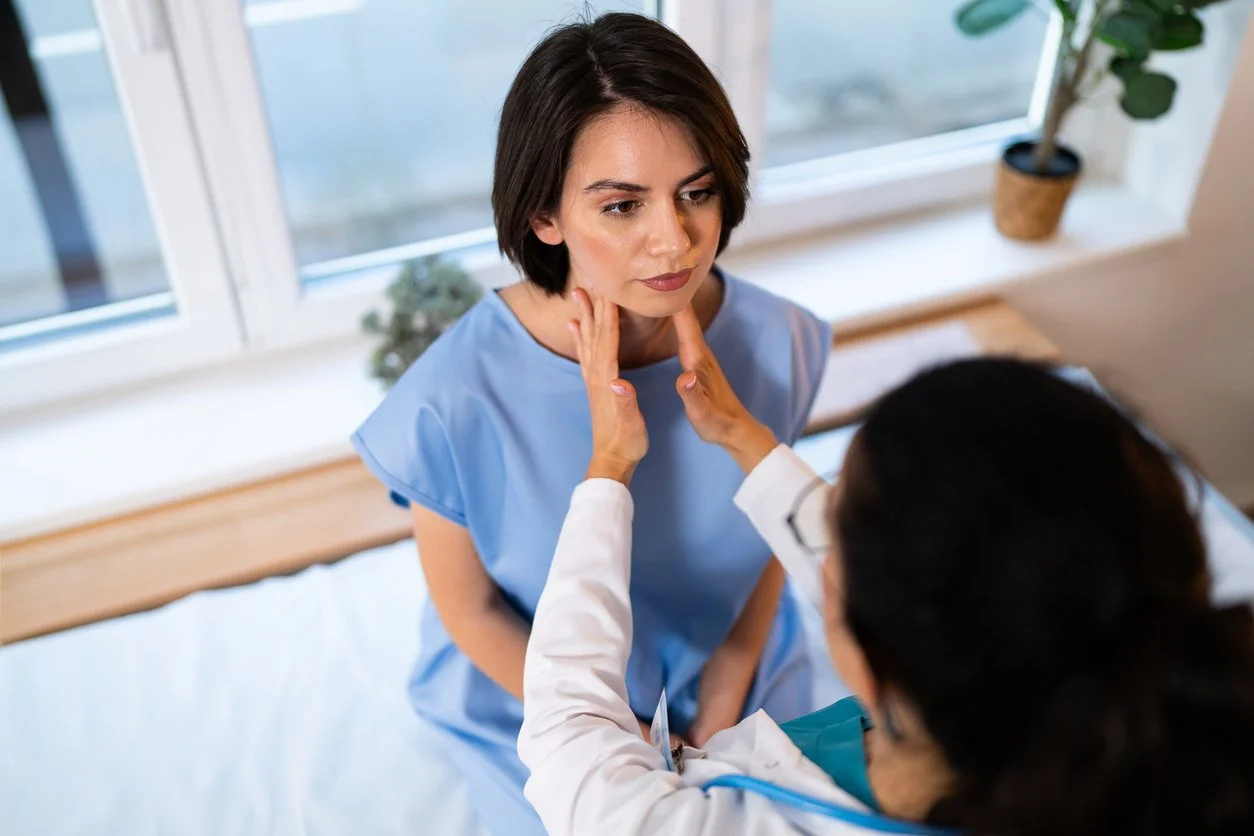
The Great Mimicker: When Hashimoto's Hides in Perimenopause
For many women in their 40s, the "midlife shift" begins with a specific brand of exhaustion—the kind that coffee can't fix and a full night's sleep barely touches. Usually, the first suspect is perimenopause. And while declining estrogen is often to blame, there is a "Great Mimicker" lurking in the background for millions of women: Hashimoto's Thyroiditis.

Key Hormone Players During Perimenopause
Hormones play a critical role in women's health, influencing everything from mood and metabolism to reproductive functions. As women age, particularly during menopause, fluctuations in key hormones like estrogen, progesterone, testosterone, thyroid hormones, cortisol, and insulin can lead to significant physical and emotional changes. Understanding these hormones and their effects can help women navigate the aging process and maintain their overall well-being through lifestyle interventions and personalized healthcare.

Why Perimenopause Feels Like a Second Round of Puberty
Understand the surprising parallels between perimenopause and puberty, highlighting how both life stages mark significant hormonal transitions in a woman's life, albeit at opposite ends of the reproductive spectrum. Know similarities and differences of these transitions, focusing on hormonal fluctuations, physical changes, skin issues, and emotional impacts. While puberty represents a phase of growth and the onset of fertility, perimenopause signals a winding down, with its own set of challenges such as irregular menstruation, hot flashes, and mood swings. The post underscores the importance of understanding and adapting to these changes, encouraging a positive perspective on managing these natural, albeit sometimes challenging, life stages.