

Bonza Health Blog
Gain the tools and understanding you need to help manage the challenges of perimenopause and beyond.
Women experiencing perimenopause or menopause can reclaim their health and vitality. At Bonza Health, we help women see hormone changes as a natural midlife transition and provide the doctor-backed information women need to navigate hormonal health conditions with confidence.
Check out our latest blog posts from our leading physician’s best tips and tools for easing hormonal symptoms, special announcements on our courses and services, and much more! Be a part of our ever-growing community of like-minded women who are thriving in health -- even with perimenopause or menopause conditions.





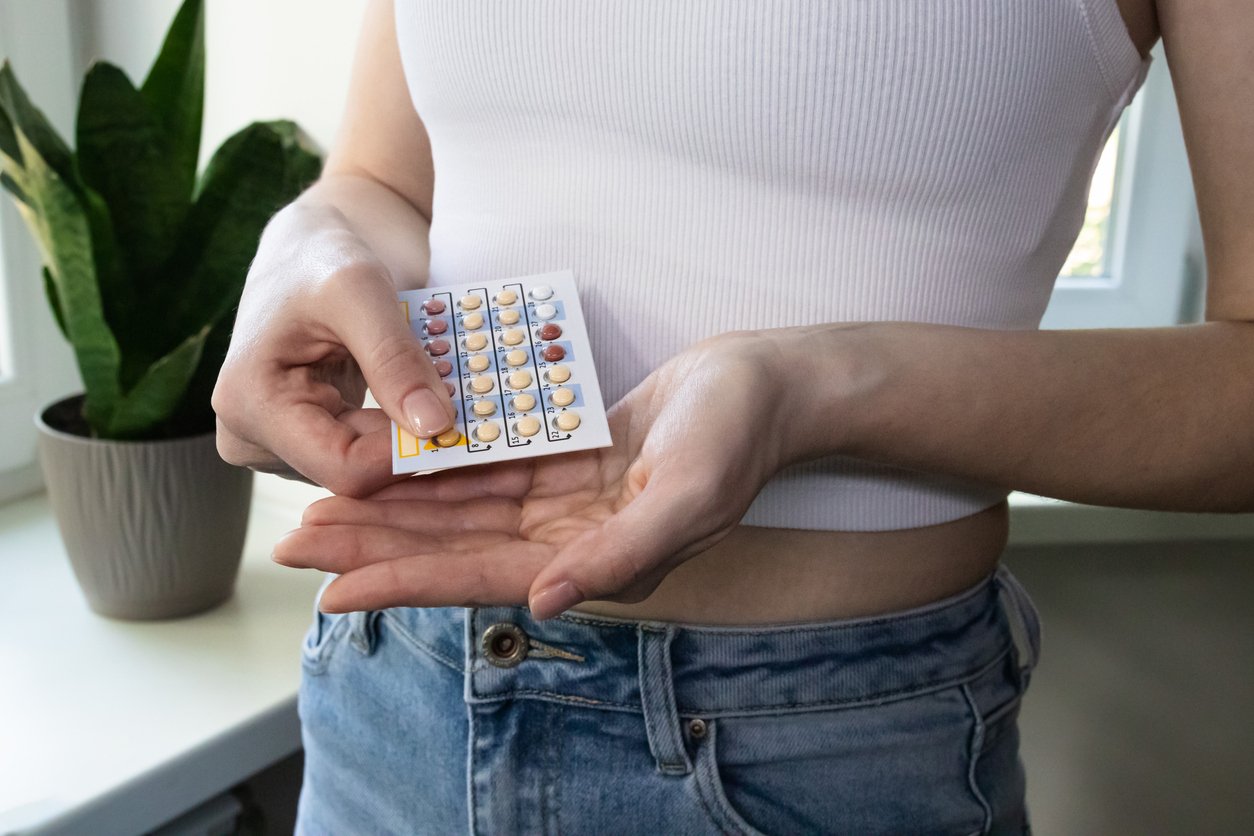
When "The Pill" Isn't the Only Answer: Your Guide to Graduating from Birth Control to Menopause Hormone Therapy
On the surface, combined oral contraceptives (COCs) and menopause hormone therapy both contain estrogen and a progesterone-like hormone. Both can reduce hot flashes, heavy bleeding, and night sweats. Both support bone health in the short term. But beneath that surface similarity lies a crucial difference in design and purpose.

Perimenopause Unveiled: The Complete Guide to Recognizing Symptoms, Understanding Your Body, and Reclaiming Vitality
Perimenopause can be a significant transition in a woman’s life—one that is widely misunderstood and often neglected in conventional healthcare. If you’re experiencing shifts in mood, energy, cognition, or bodily comfort in your 30s, 40s, or early 50s, you are not alone. This comprehensive guide will empower you to understand perimenopause, recognize its earliest and most surprising signs, and know when to seek help. At Bonza Health, our holistic approach centers your unique experience—because perimenopause is not “one size fits all.”

The Ethics of Hormone Therapy: When Guidelines Meet Individual Lives
The 2002 Women’s Health Initiative (WHI) study didn’t just shift the prescribing of menopause hormone therapy: it reshaped the cultural and clinical landscape of menopause care. Fear replaced discussion, and caution became policy. An entire generation of women suffered—not because of data, but because of its misinterpretation.

The Untold Power of Testosterone for Women: What Every Perimenopausal and Menopausal Woman Should Know
Testosterone isn’t just a “male hormone.” It’s an essential part of every woman’s hormonal orchestra—powerfully influencing libido, mood, cognition, and energy. As a Menopause Society Certified Physician, I often see women who have optimized their estrogen and progesterone therapy yet still feel their spark is missing. That missing piece? Often testosterone.

Perimenopause and Neurodivergence: Unmasking the Hormonal Connection
During perimenopause, many women experience fluctuating estrogen and progesterone levels that can have profound effects—not only on physical health, but on the brain and mood. For neurodivergent women, including those with ADHD or autism spectrum conditions, these changes may be especially destabilizing.

Science-Backed Guide to the Four Stages of Perimenopause
Perimenopause is a complex and widely misunderstood transition period in a woman's life, yet it represents a critical window for preventive health and symptom management. Despite affecting millions globally, many women do not recognize their symptoms as perimenopausal, and physicians often lack adequate training to diagnose and support this stage. Women frequently experience perplexing symptoms—irregular periods, mood shifts, fatigue, sleep disruptions—long before the final menstrual period.

Musculoskeletal Syndrome of Menopause: Why Arthritis & Joint Pain Surge in Midlife Women
Perimenopause and menopause are profound physiological transitions for women: periods where unpredictable hormone shifts can impact every tissue, especially the musculoskeletal system. Many women, including those seen daily at Bonza Health, struggle with new-onset joint pain, stiffness, and even disabling arthritis.

The Hidden Hormone: How Elevated Cortisol Fuels Perimenopause Symptoms—And What You Can Do About It
Cortisol is the hidden hormone that often gets overlooked in perimenopause, yet it has the power to disrupt sleep, mood, cognition, and metabolism—while also offering opportunities for holistic, personalized wellness strategies. This comprehensive blog explores the science, symptom patterns, and action plans for navigating cortisol challenges during perimenopause, featuring visuals and practical protocols.

Rethinking Depression in Perimenopause: Why Menopause Hormone Therapy Should Come Before Antidepressants
A recent wave of studies and updated guidelines now recommend considering menopausal hormone therapy (MHT)—rather than antidepressants—as the preferred initial treatment for psychological symptoms in perimenopausal women who do not have a diagnosis of major depressive disorder.

How Perimenopause Impacts the Parasympathetic Nervous System, Sleep, and Mental Health
Perimenopause often arrives as a storm of unpredictability—restless nights, a rollercoaster of emotions, exhaustion with a mind that won’t quit. Fluctuating levels of estrogen and progesterone, two pivotal hormones for women’s mental and physical wellbeing, are responsible for these changes. These hormones help regulate cycles, modulate the nervous system, shape sleep and mood, and buffer stress.

10 Ways Your Hormones Can Impact Intimate Relationships in Midlife – and How to Navigate Them
If you’ve noticed changes in your partnership during the menopausal transition, you’re not alone. Hormonal fluctuations can ripple through every layer of connection: physical intimacy, emotional closeness, and day-to-day communication. Fortunately, it’s possible to navigate these changes with awareness, grace, and compassion.

Hysterectomy in Perimenopause: Beyond the Physical
Research shows that changes in sexual desire and sensation after hysterectomy are highly individual. Some women experience improved sexual satisfaction, especially if pain or bleeding was a problem before. Others notice a decrease in desire or sensation, particularly if the cervix is removed or if hormonal changes occur following removal of the ovaries. What matters most is that your experience is honored and that you have space to process the changes—physical, emotional, and spiritual.

Microdosing GLP-1 Receptor Agonists During Perimenopause: A Clinical Approach to Hormonal Weight Gain
The emergence of glucagon-like peptide-1 (GLP-1) receptor agonists, particularly through microdosing protocols, offers a promising therapeutic approach to address the unique metabolic challenges of perimenopause. Microdosing represents an innovative approach to GLP-1 therapy that involves using smaller, more flexible doses than standard protocols. This strategy allows for precise dose adjustments to optimize treatment outcomes while minimizing gastrointestinal side effects.

The Hidden Agony: Undiagnosed Endometriosis in Perimenopause
If you’re a woman in your late 30s or 40s with a history of painful periods, unexplained abdominal pain, or IBS-like symptoms that have not responded to standard GI workups, consider endometriosis as a possible cause, especially if your pain worsens with hormonal fluctuations. Undiagnosed endometriosis is a condition that can become especially troublesome during the hormonal rollercoaster of perimenopause.

Battling Menopausal Weight Gain: Beyond GLP-1 Agonists
Menopausal weight management demands a multipronged strategy. While GLP-1 agonists offer robust benefits, alternatives like 5-Amino-1MQ, LGD-4033, and LDN provide targeted solutions for visceral fat, muscle preservation, and metabolic repair. Integrating these with plant-based nutrition, stress management, and tailored exercise can transform midlife health.

Migraines During Perimenopause: Understanding the Role of Estradiol
The relationship between perimenopause, migraine, and estradiol is complex and highly individualized. While traditional guidelines have cautioned against estrogen therapy in women with migraine with aura, transdermal estradiol, used at the lowest effective dose and in continuous regimens, may offer benefits for perimenopausal women with migraine.

DEXA Scans in Perimenopausal Women: The Case for Earlier Bone Health Screening
The current medical paradigm typically recommends bone density screening through dual-energy X-ray absorptiometry (DEXA) scans beginning at age 65, yet mounting evidence suggests that the most critical period for bone health occurs during the perimenopausal transition. Early screening and intervention are not just beneficial, but essential for optimal long-term outcomes.

Understanding Body Shape Changes During Menopause: Hormones, Leptin, and Evidence-Based Strategies
Many women experience shifts in body weight during perimenopause, usually due to fluctuating hormone levels. We often hear about estrogen, but there's a more complex picture involving additional hormones such as leptin and ghrelin.

Under-Eye Dark Circles After 40? It Could Be Perimenopause—Here’s What Your Skin Is Telling You
Dark circles under the eyes often appear as a shadowy discoloration around the lower eyelids. In midlife women, these circles can be one of the first subtle signs of hormonal changes. Instead of dismissing under-eye circles as mere “vanity issues,” consider them a potential early clue of perimenopause.

Creatine Supplementation During Perimenopause Mitigates Sarcopenia, the Age-Related Loss of Muscle Mass and Strength
Estrogen levels decline sharply during perimenopause, reducing muscle protein synthesis and accelerating sarcopenia. Supplementing with creatine monohydrate enhances cellular energy production and muscle protein synthesis, protecting against muscle catabolism during perimenopause.